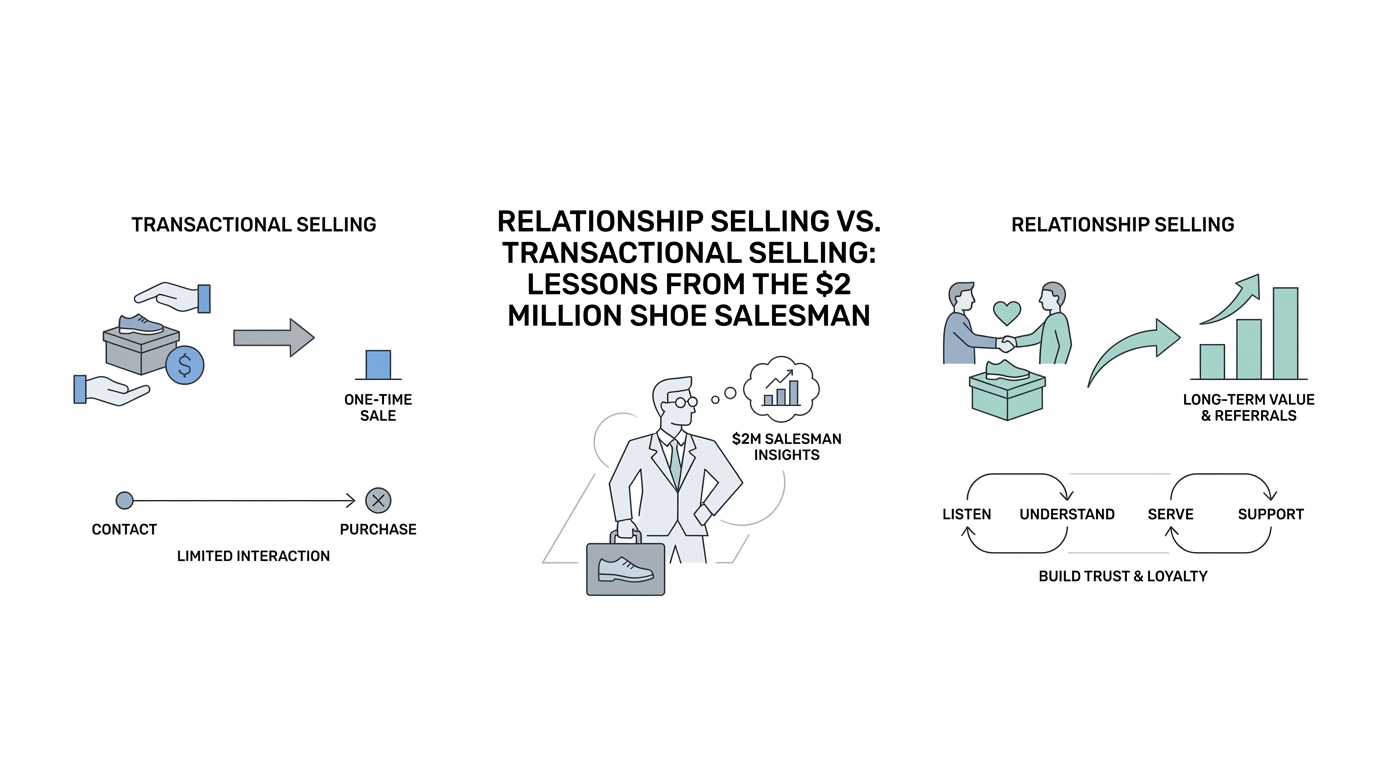
In 1983, a man named Larry Joltin became a national sensation, not for a tech breakthrough or a corporate merger, but for selling shoes. Working in Sharon, Pennsylvania—a town with a population of only 20,000—Joltin managed to move approximately $500,000 worth of footwear annually. Adjusted for inflation, that is roughly $1.5 to $2 million in today’s currency. His secret wasn't a high-pressure pitch or a massive advertising budget; it was a masterclass in relationship selling. While his competitors focused on moving boxes, Joltin focused on moving people, establishing a legacy that remains the gold standard for consultative sales techniques and modern retail excellence.
The Legend of Larry Joltin: Dominating the Sales Floor
Larry Joltin’s success at Reyers Shoe Store was so consistent that it became a statistical anomaly. He won the National Shoe Retailers Association (NSRA) "Salesman of the Year" award by such a staggering margin that the organization reportedly stopped presenting the award for a period because no one else could compete. Joltin was a "shoe-in" every single year. His approach was built on a foundation of sales ethics that prioritized the customer’s long-term comfort over a quick commission.
Despite his high productivity, Joltin worked on a modest salary of $425 a week and did not take commissions. This removed the incentive for the "hard sell" and allowed him to practice what we now call long term customer value strategies. He would work through lunch hours, make house calls to deliver shoes on his own time, and treat every fitting like a championship game. His philosophy was simple: "If the shoe fits, sell it." Crucially, if the shoe didn't fit perfectly, he refused to make the sale, even if it meant losing a high-value customer that day. He understood that a bad fit today meant a lost customer tomorrow.
Transactional vs. Relational: The 2025 Sales Divide
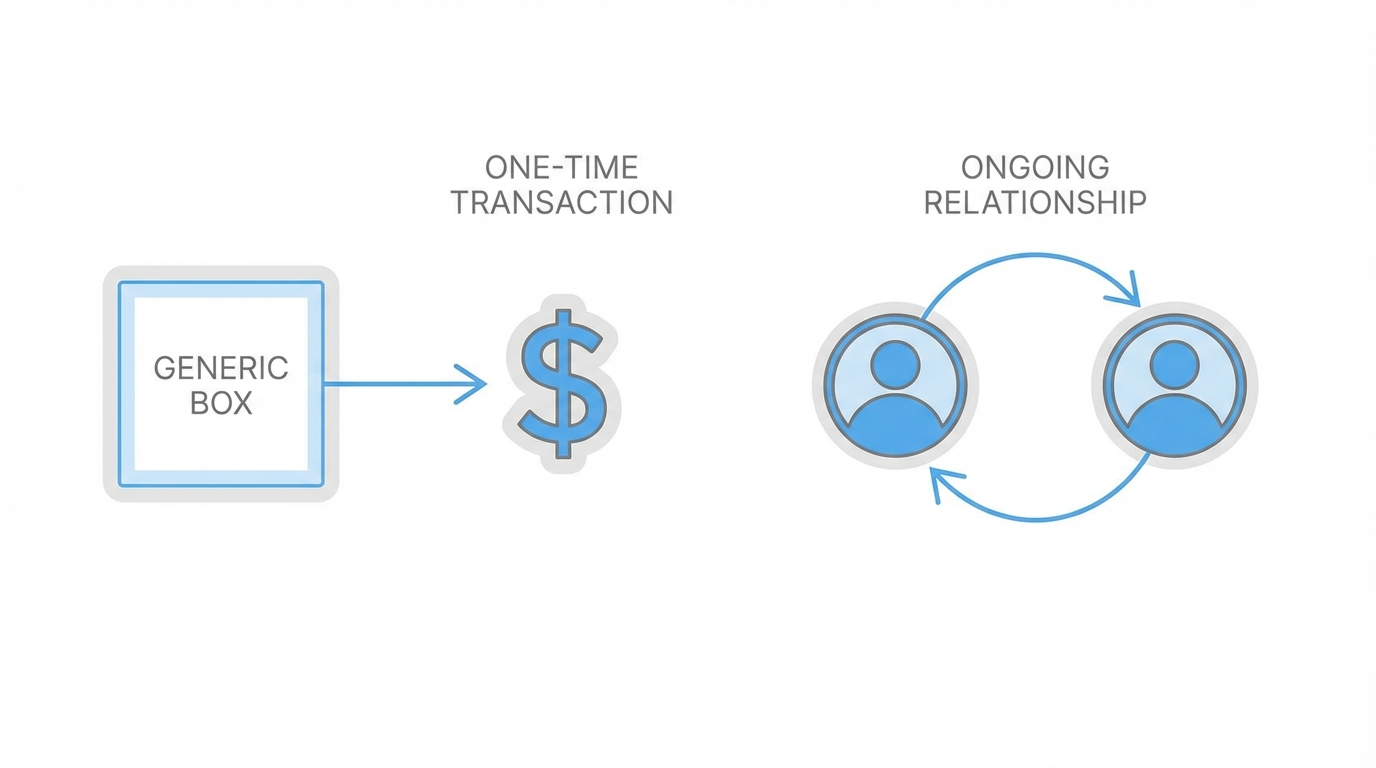
In the modern era, the distinction between transactional and relationship selling has never been more critical. Transactional selling is a short-term approach focused on the immediate exchange of goods for money. It’s a "one and done" mentality that often ignores the customer’s journey after the credit card is swiped. Conversely, relationship selling views the initial purchase as merely the beginning of a decades-long partnership. According to Mevrik, 60% of consumers are willing to pay more for brands they are loyal to, proving that price is rarely the primary driver for a committed customer base.
The data suggests that the financial rewards for building these bonds are exponential. Research from Bain & Company indicates that loyal customers spend 67% more in their third year of a relationship than they do in their first six months. This surge in spending happens because the trust barrier has been removed. The customer no longer needs to be "sold"; they simply need to be served. Experts like Mark Sanborn argue that while transactional relationships are short-term, relational selling involves understanding the person within the process, moving beyond the product to the human need.
The 'Literal Fit' Rule: Ethical Closing in Action
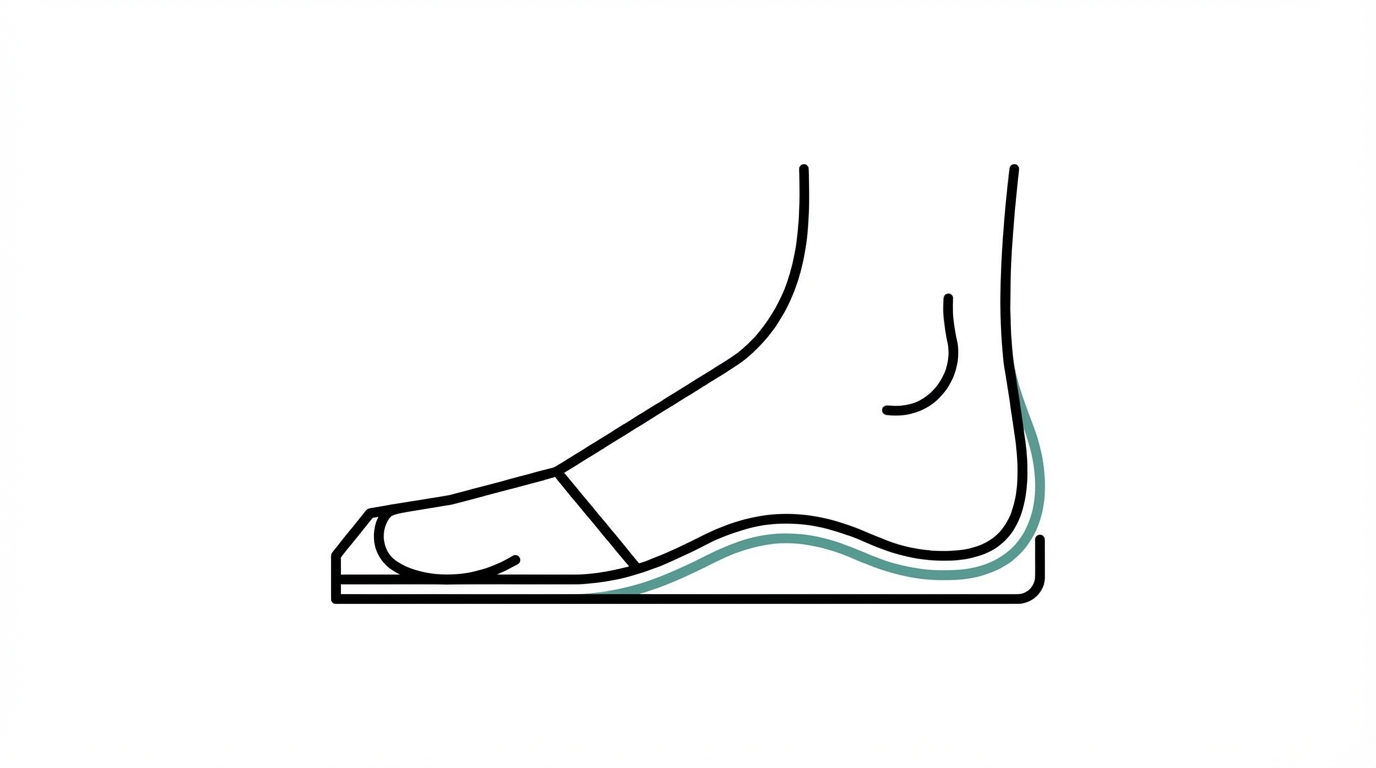
One of Joltin’s most famous practices was his refusal to sell a shoe that wasn't a perfect fit. In today’s sales terminology, this is known as Ethical Closing. It is the practice of disqualifying a prospect when your product or service doesn't solve their specific pain point. While a transactional salesperson might try to force a "fit" to meet a monthly target, a relationship salesperson knows that a bad fit leads to churn, negative reviews, and a damaged reputation. In an age where 53% of bad experiences result in customers immediately cutting their spending with a brand, the cost of a "wrong sale" has never been higher.
Practicing ethical closing builds "Sale for Tomorrow" trust. When you tell a customer, "This isn't actually the right solution for you," you aren't losing a sale; you are gaining a consultant's reputation. Personalization has become the baseline for modern commerce, with 80% of consumers more likely to purchase from a company that provides a tailored experience. As Amy Reczek notes, processes help you get there, but personalization converts. Joltin’s ritual of physically measuring every foot was his process for delivering that personalization.
Actionable Playbook: Moving from Reactive to Proactive Selling
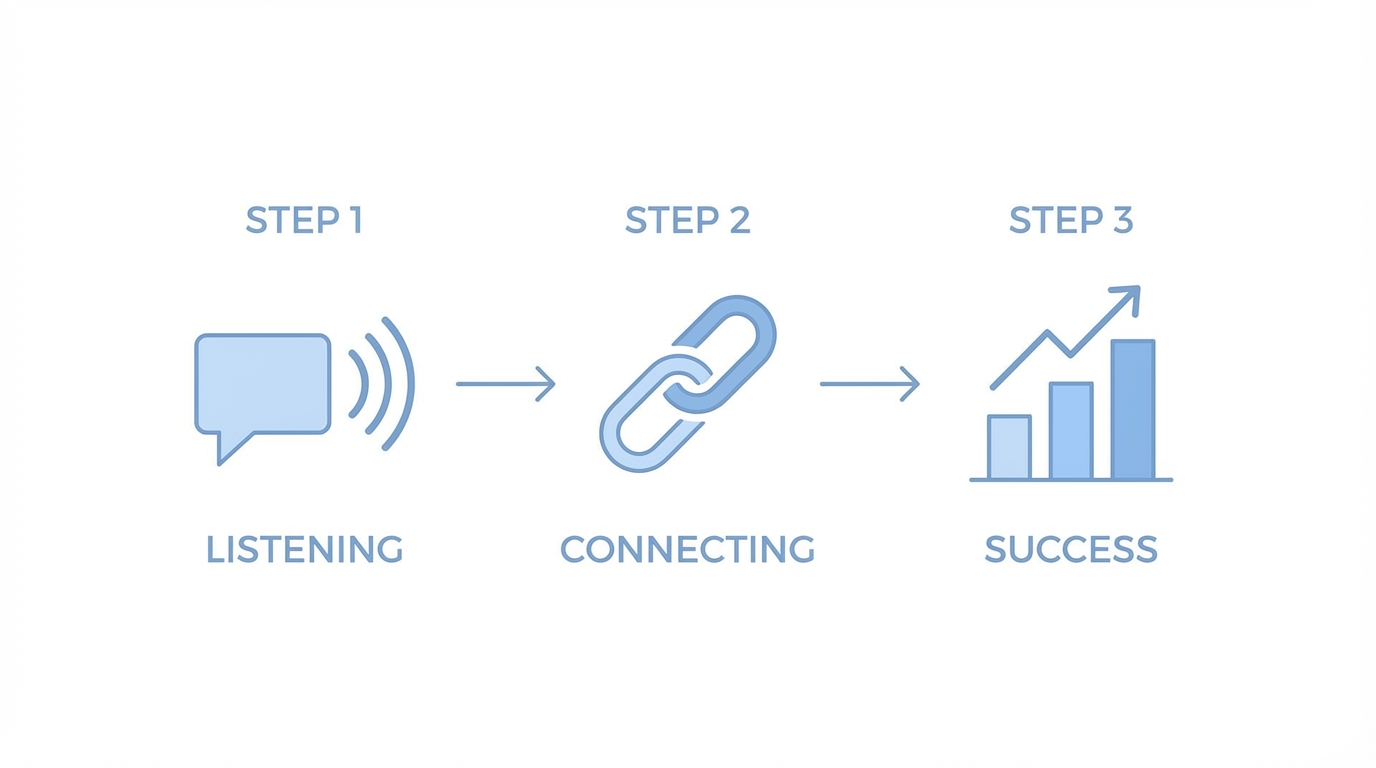
To implement Joltin’s philosophy in a 2025 environment, sales leaders must shift their sales productivity strategies toward proactivity and consultation. Follow this three-step playbook to transform your sales floor from a transactional hub into a relational powerhouse:
Step 1: Use Consultative Measurement
Instead of pitching features, start by "measuring the foot." This means asking hard, diagnostic questions to uncover the real need. If you are selling software, don't show the dashboard first; ask about the workflow bottlenecks. This builds immediate authority. In the same way Larry Joltin was the expert on arches and widths, you must be the expert on your client’s pain points.
Step 2: Proactive Outreach via CRM Data
Larry Joltin didn't wait for people to realize their shoes were worn out; he knew their history. Modern sales teams should use CRM data to reach out to customers before they have an urgent need. According to data from Prokeep, proactive selling can result in a 17% daily increase in sales. This requires a shift from being a reactive order-taker to a proactive advisor.
Step 3: High-Touch Clienteling
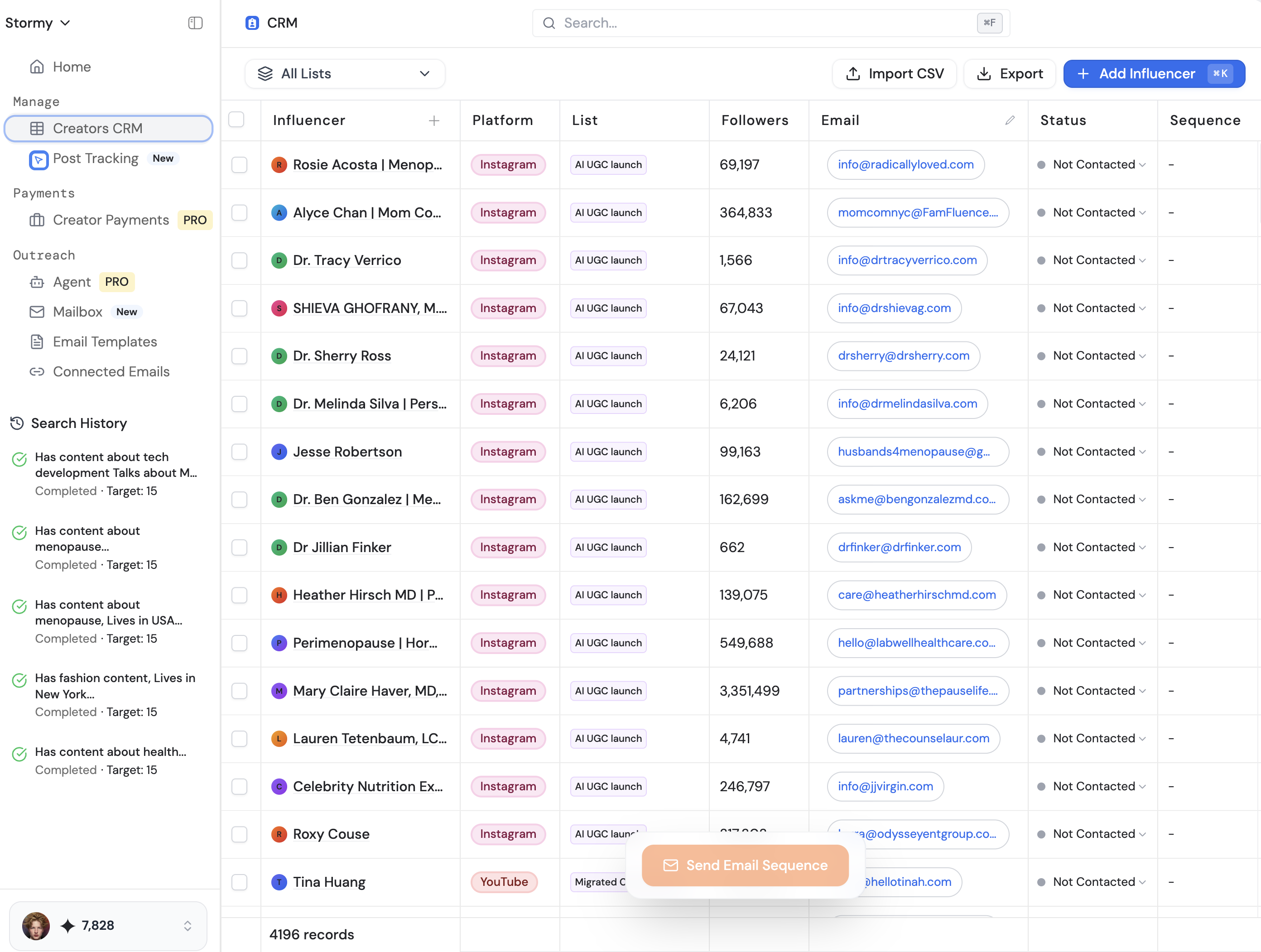
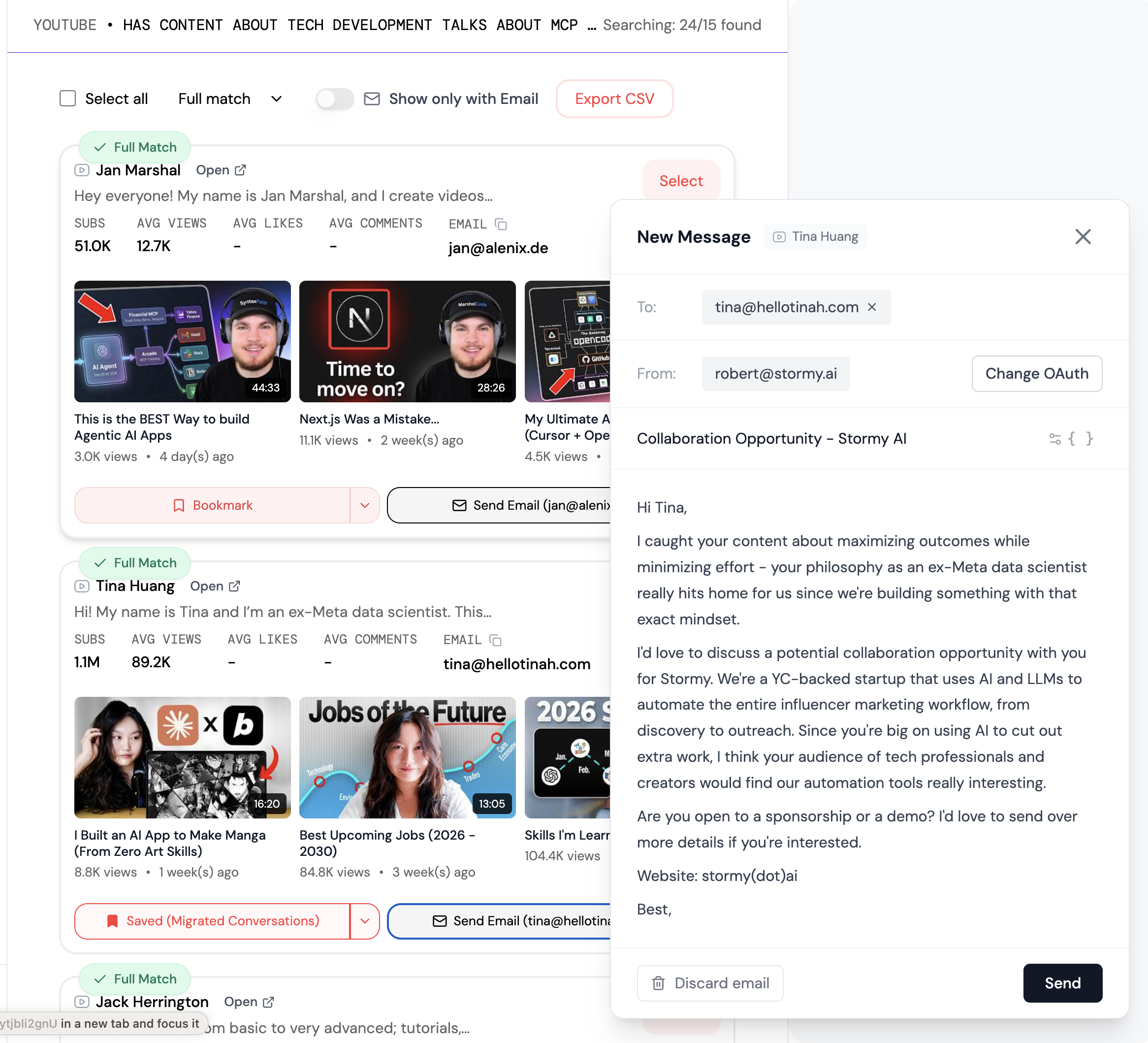
In the digital age, "house calls" look different. High-end retail and B2B sectors are using digital clienteling—sending personalized video messages or curated lists to individual clients. This creates a "human out" in an automated world. Just as tools like Stormy AI allow brands to manage and nurture relationships with thousands of UGC creators through personalized AI outreach, your sales team should use technology to scale the "human touch," not replace it.
Case Studies in Relationship Selling: Scaling the Joltin Philosophy
Several modern giants have successfully scaled Joltin’s individualized philosophy to a global level. These companies prove that relationship selling isn't just for small-town stores; it is a viable strategy for multi-billion dollar enterprises.
- Zappos: Often cited as the spiritual successor to Joltin, Zappos is famous for its "Delivering Happiness" mantra. Their customer service reps are encouraged to stay on calls for as long as necessary and are empowered to send flowers or handwritten notes to customers, prioritizing the relationship over the call-handle time.
- Nordstrom: Known for its legendary returns policy, Nordstrom empowers its staff to go the extra mile, even if it means finding a product at a competitor’s store to ensure the customer gets the right "fit." This creates a level of trust that keeps customers returning for decades.
- REI: By using a co-op model, REI focuses on ethical loyalty. Their staff are trained to provide personalized gear recommendations that prioritize the user's safety and experience in the outdoors over the price tag of the equipment.
Common Mistakes in Modern Retail Sales
Despite the clear benefits of the relational model, many organizations fall into transactional traps that erode long term customer value. One major error is focusing on price alone. While low prices may attract a first-time buyer, RetailDoc and other industry experts highlight that positive experiences are what drive sustainable loyalty. In fact, brands that treat returns as strictly "policy" rather than an opportunity to build trust often see a significant dip in customer sentiment.
Another common pitfall is the over-reliance on automation. While AI can handle many routine tasks, research from PwC shows that 71% of consumers still prefer human interaction for complex issues. Failing to offer a "human out" when automation fails creates a "doom loop" that can destroy years of trust in minutes. Finally, the "Hard Sell" remains a persistent issue. Pushing a sale on a customer who isn't ready leads to "buyer's remorse," ensuring they never return to your store or site.
Conclusion: The Future of High-Touch Sales
Larry Joltin’s legacy teaches us that in a world of increasing automation, the human element is not an overhead cost—it is a competitive advantage. By adopting consultative sales techniques and prioritizing sales ethics, brands can move away from the precarious cycle of transactional wins and toward a stable, high-growth model based on customer loyalty. Whether you are selling shoes in a small town or managing a global influencer network using Stormy AI, the principle remains the same: the only sale worth making is the one that fits the customer perfectly. In 2025 and beyond, the most successful salespeople won't be those who close the most deals, but those who build the most enduring relationships.