Reducing Churn with Predictive AI: A 2026 Guide to Gainsight and Remarkable AI for DTC Brands
Master your churn prevention strategy in 2026 with Gainsight and Remarkable AI. Learn to use predictive marketing analytics to automate winback sequences today.
In 2026, the digital landscape for Direct-to-Consumer (DTC) brands has shifted from a land-grab of new customers to a sophisticated battle for loyalty. With customer acquisition costs (CAC) continuing to climb, the industry has reached a consensus: the most profitable growth engine isn't a better ad, but a better retention loop. Research shows that retaining an existing customer is 5 to 25 times less expensive than acquiring a new one, according to data from Envive AI. This year, the brands winning the market aren't just reacting to churn; they are using predictive marketing analytics to stop it before it happens.
The challenge for modern marketers is no longer a lack of data, but the ability to act on it in real-time. Moving beyond basic segments like "Men's Apparel Buyers," 2026 is the year of the "Audience of One." This guide provides a tactical playbook for implementing a modern churn prevention strategy using enterprise-grade tools like Gainsight and Remarkable AI to drive hyper-personalized, automated interventions.
The ROI of AI-Driven Retention in 2026
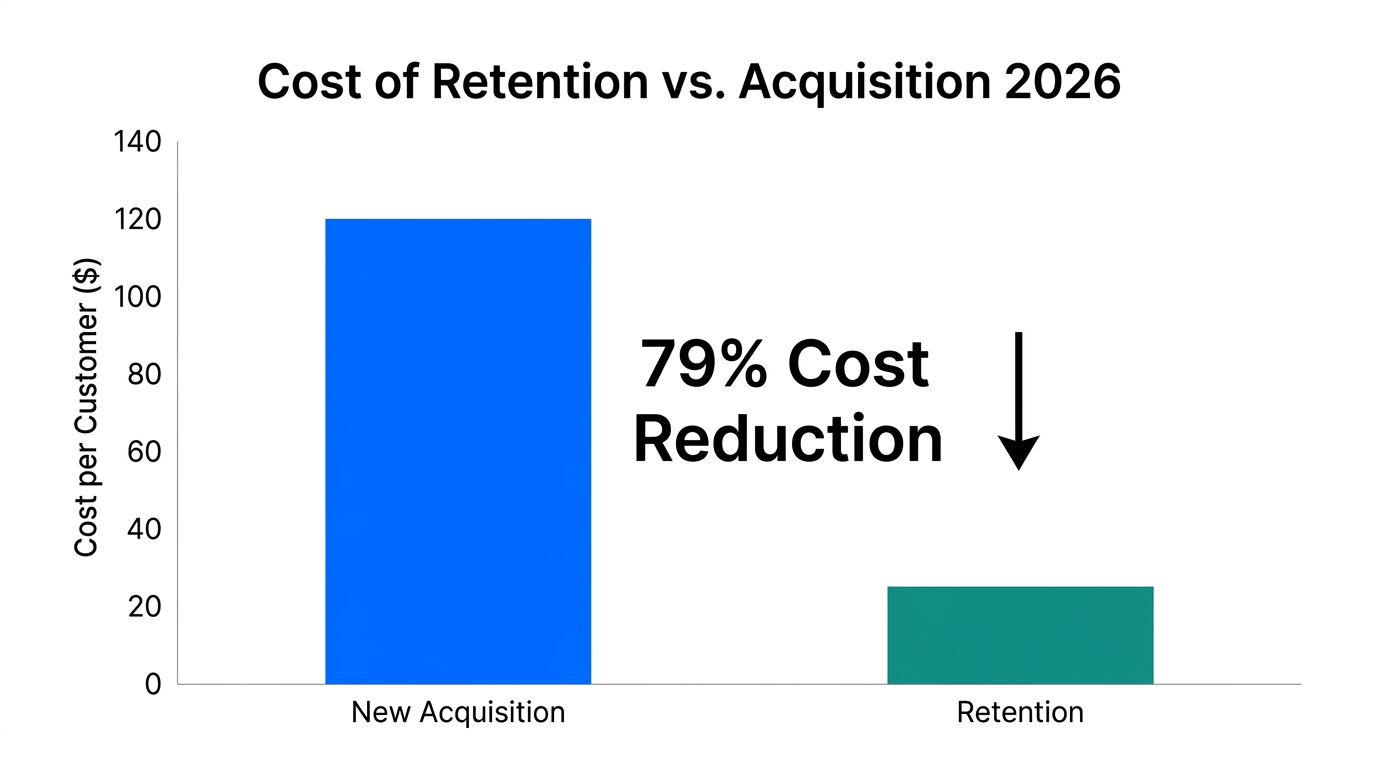
The financial impact of AI on ecommerce retention is no longer theoretical. Businesses leveraging AI for email personalization have reported a 41% increase in click-through rates (CTR) and a 20% boost in conversion rates, as noted by AI Bees. Automated email flows, specifically those focused on recovery and winbacks, now generate 320% more revenue than traditional one-off campaigns, according to Campaign Monitor.
As we navigate 2026, the "standard" discount blast is dying. Marketers are shifting from being manual executors to strategic orchestrators. Experts at Raleon argue that while AI handles the data-heavy delivery and segmentation, the human marketer’s role is to provide the brand "taste" and creative narrative that builds long-term affinity. This synergy is what allows mid-sized DTC brands to compete with giants like Amazon and Netflix.
"In 2026, standard 'discount blasts' are losing effectiveness. AI is being used to weave personalized narratives, such as anniversary journeys tailored to the user's specific brand interactions."
Using Gainsight to Identify 'Engagement Drift'
The first step in a world-class churn prevention strategy is establishing a baseline. You cannot identify a customer who is "at-risk" if you don't know what "healthy" looks like for them individually. Gainsight ecommerce retention strategies rely on sophisticated customer health scoring that monitors behavioral signals in real-time.
Step 1: Define Individual Engagement Baselines
Gainsight allows brands to track more than just last-purchase dates. It monitors site login frequency, product page dwell time, and email interaction patterns. By establishing a 1:1 baseline, the system understands that a customer who usually shops once a week but hasn't visited in ten days is showing signs of drift—even if they haven't technically churned yet. This level of monitoring is essential for brands operating on Shopify Plus or enterprise stacks.
Step 2: Automate Health Scoring
Assign numerical values to behaviors. For example, a high-value customer who stops opening the weekly newsletter might see their "health score" drop from a 90 to a 70. This drop serves as a silent alarm. At this stage, you aren't sending a desperate discount; you are alerting your predictive marketing analytics engine that an intervention is required.
| Feature | Gainsight | Remarkable AI | Standard ESPs |
|---|---|---|---|
| Churn Prediction | Advanced (Health Scores) | Behavioral Intent | Basic (Last Purchase) |
| Email Execution | via Integration | 1:1 High-Value Flows | Segment-Based Blasts |
| Product Recommendations | Data-Only | Dynamic AI Blocks | Static Best Sellers |
Remarkable AI: Deploying High-Value Winback Sequences
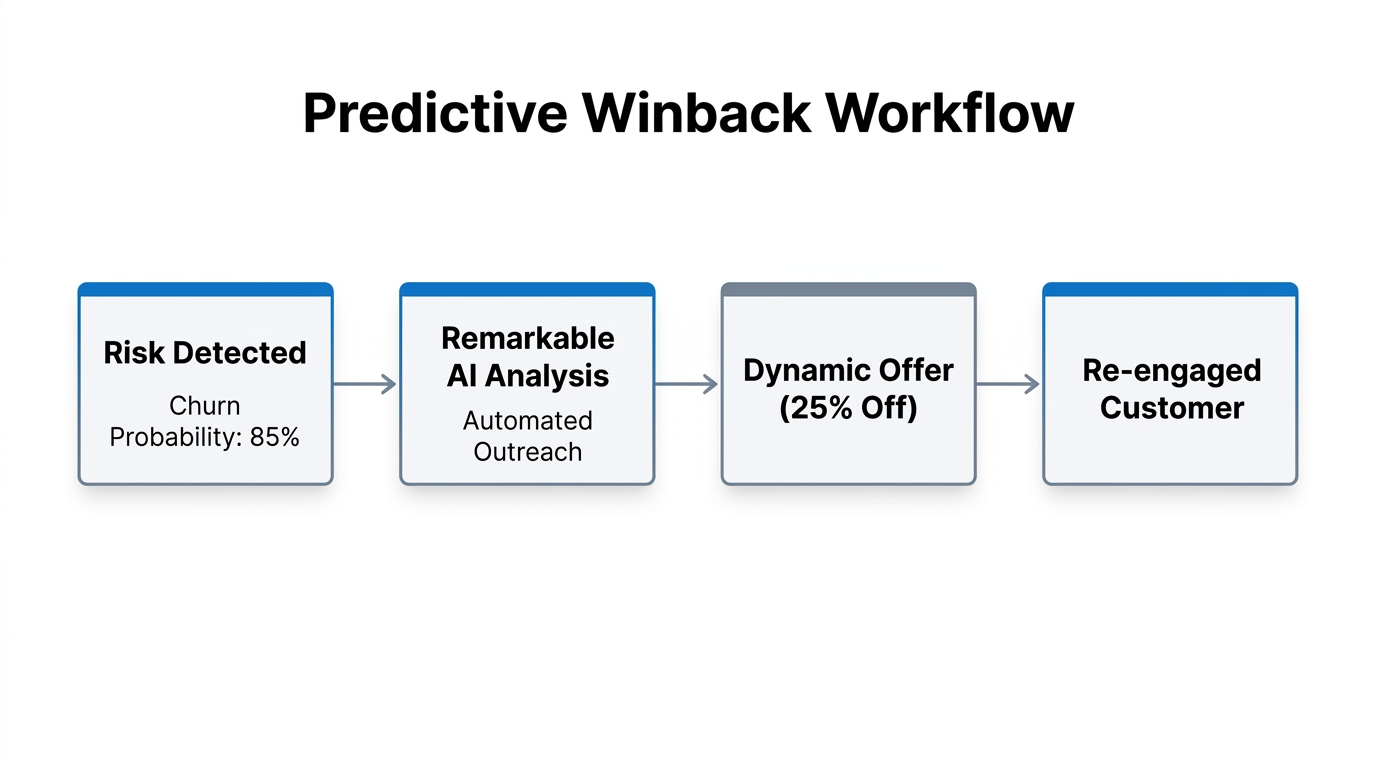
Once Gainsight identifies the drift, Remarkable AI winback emails take the lead. Unlike traditional automation that sends the same "We Miss You" email to everyone, Remarkable AI specializes in 1:1 high-value retention by analyzing the specific intent drops of the customer.
For example, if a customer previously purchased high-end skincare but has recently only browsed lower-priced items, Remarkable AI identifies a potential price-sensitivity shift. The resulting winback sequence might focus on a value-driven bundle or a loyalty program incentive rather than a generic 10% off code. This level of nuance is why omnichannel orchestration—syncing email with SMS and push notifications—leads to an 89% customer retention rate compared to just 33% for siloed brands, as reported by AI Bees.
To fuel these high-converting emails, many DTC brands use Stormy AI to discover and collaborate with UGC creators. By embedding authentic video testimonials from creators who share the customer's specific demographics into the winback flow, brands can rebuild trust through social proof rather than just price drops.
"The key to winback success isn't the offer; it's the timing. Predictive AI allows you to react exactly when a customer shows intent, not weeks after they've moved on to a competitor."
The 'Next Best Product' Strategy: Dynamic Blocks
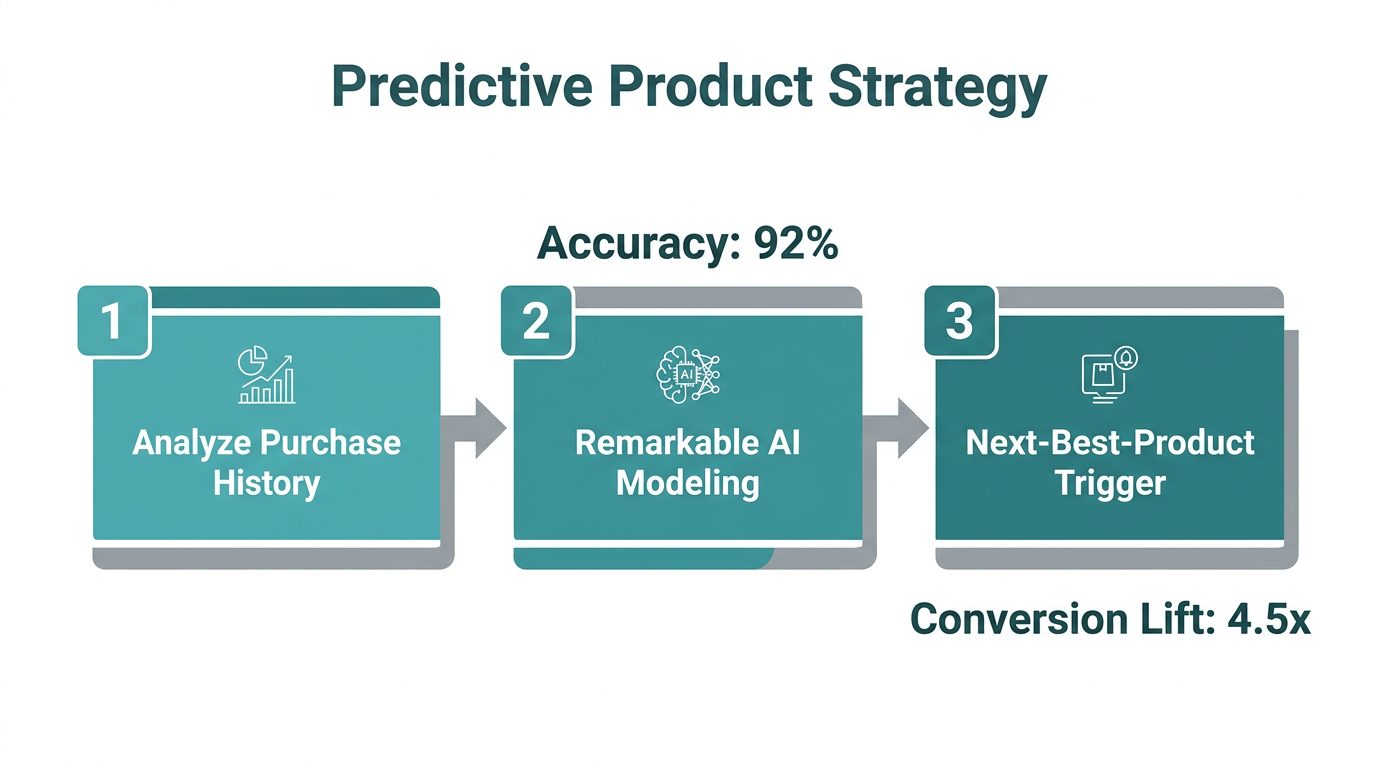
One of the most effective ways to prevent churn is to keep the customer moving through the product catalog. Static "Best Seller" blocks are a relic of 2023. In 2026, leading brands use Next Best Product strategies driven by collaborative filtering—the same technology that powers Netflix's 15% churn reduction.
- Collaborative Filtering: The AI analyzes what other customers with similar profiles bought after their initial purchase.
- Dynamic Content: Tools like Syntora or Klaviyo insert these personalized product blocks into every transactional and marketing email.
- Replenishment Cycles: For consumable goods, AI calculates the exact date a user is likely to run out and sends a reminder 3–5 days prior, a strategy perfected by Dodobird.ai.
By ensuring the customer always sees the most relevant next step in their journey, you reduce the cognitive load of shopping and create a "habit-building" flow. This is essentially automated loyalty.
Balancing Relevance vs. Privacy: Avoiding the Creep Factor
As predictive marketing analytics become more powerful, the risk of alienating customers through over-personalization increases. Industry experts at Persana AI warn against the "creep factor"—mentioning hyper-specific private behaviors that make the customer feel surveilled rather than served.
The 2026 gold standard is privacy-first marketing. Brands should be transparent about how data is used. According to OneTrust, having clear AI data usage policies will be a significant competitive advantage for DTC customer retention 2026. Use data to inform the relevance of the message, but keep the copy focused on the benefit to the customer, not your knowledge of their 2 AM browsing habits.
Data Hygiene Checklist: Ensuring AI Accuracy
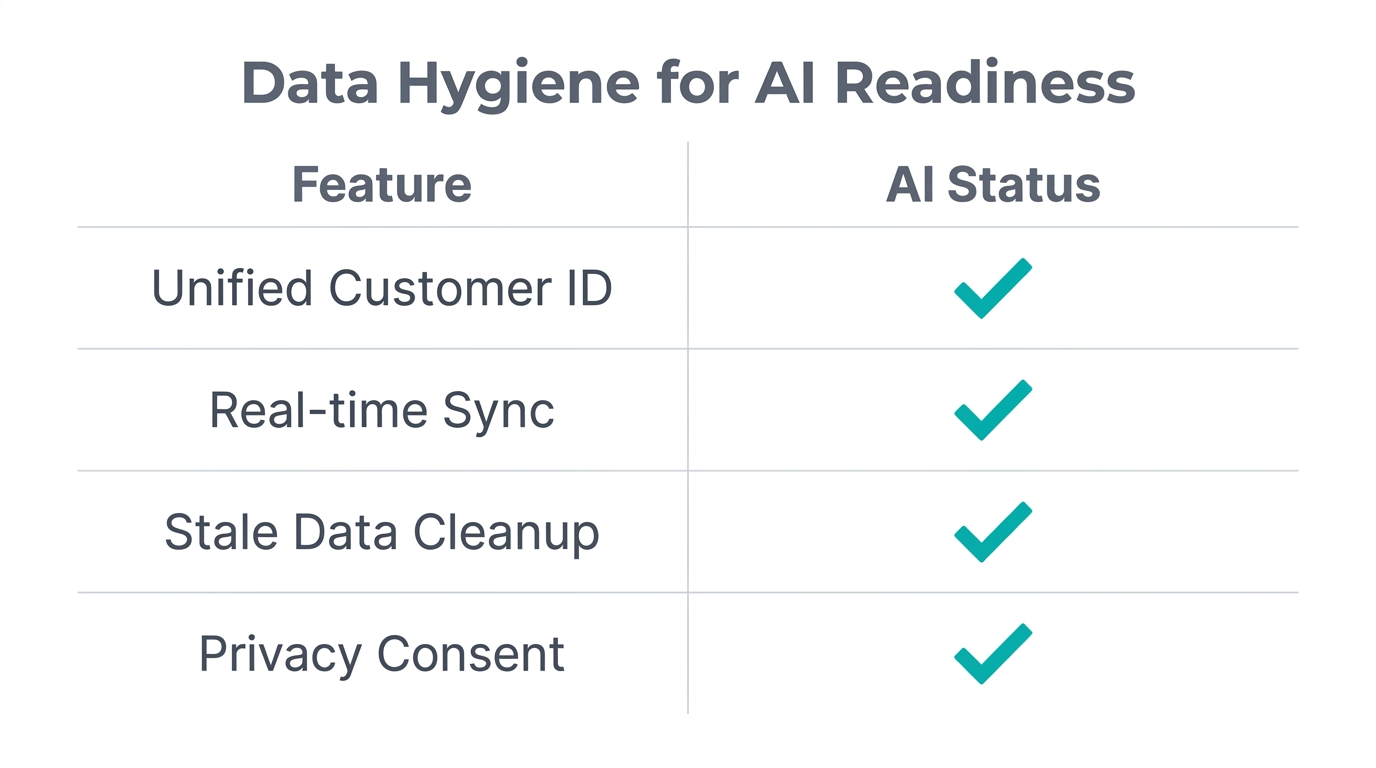
AI is only as good as the data it consumes. Feeding "dirty data" (duplicate profiles, outdated addresses) into tools like Gainsight or Remarkable AI leads to inaccurate predictions and wasted spend. High bounce rates can also damage your sender reputation with Gmail's new AI-powered filters.
2026 Data Hygiene Playbook:
- Deduplication: Use a tool like Sponge IO to merge duplicate profiles so purchase histories are unified.
- Zero-Party Data Integration: Incorporate post-purchase surveys and quizzes to ensure the AI knows the customer's current preferences, not just their past actions.
- Human Oversight: Avoid the "set and forget" trap. Regularly audit your AI flows to ensure they haven't "drifted" into sending broken links or outdated creative. AI should be your co-pilot, not the sole pilot.
Conclusion: Building a Churn-Proof Future
The future of DTC growth belongs to the brands that treat retention as a high-precision science. By combining the predictive power of Gainsight with the 1:1 execution of Remarkable AI, you can transform your marketing from a series of broad guesses into a targeted, automated engine. Remember, while the AI manages the data, the human element—the brand voice, the values, and the creative storytelling—remains the true anchor of customer loyalty.
Start by auditing your current data hygiene and identifying your high-value drift signals today. In a year where every percentage point of retention translates to massive bottom-line gains, there is no better time to automate your churn prevention strategy. For brands looking to scale their creative assets alongside their AI automation, leveraging Stormy AI for creator sourcing ensures your high-tech retention flows are fueled by high-trust human content.