5 Ways to Reduce Amazon and Shopify Shipping Costs in 2026 Using AI and Fractional Logistics
Learn how to slash Amazon and Shopify shipping costs in 2026 by 20% using AI-driven carrier selection, decentralized warehousing, and autonomous back-office agents.
In 2026, the honeymoon phase of post-pandemic ecommerce has long since vanished, replaced by a high-stakes era of AI-enablement. The global e-commerce fulfillment market is currently valued at a staggering $154.31 billion, but this growth comes at a steep price for DTC brands. Last-mile delivery costs have surged by 18% this year alone, according to recent Pitney Bowes shipping index reports, threatening the margins of even the most robust Shopify and Amazon sellers. For operations managers and founders, the goal is no longer just moving boxes; it is about Amazon shipping cost optimization and achieving a positive ecommerce shipping ROI in 2026.
"The industry is rebuilding the foundation of clean data before AI can autonomously orchestrate delivery networks, but those who adopt early are seeing 20% margin protection."
To navigate this landscape, savvy brands are moving away from manual shipping rules and toward fractionalized logistics—a strategy where AI agents and specialized software handle carrier selection, inventory placement, and even supplier follow-ups. Whether you are running a lean one-person store or a scaling enterprise, these five strategies represent the definitive playbook for lower shipping costs on Shopify and Amazon in 2026.
1. Automating Carrier Selection with ShipStation Intelligence
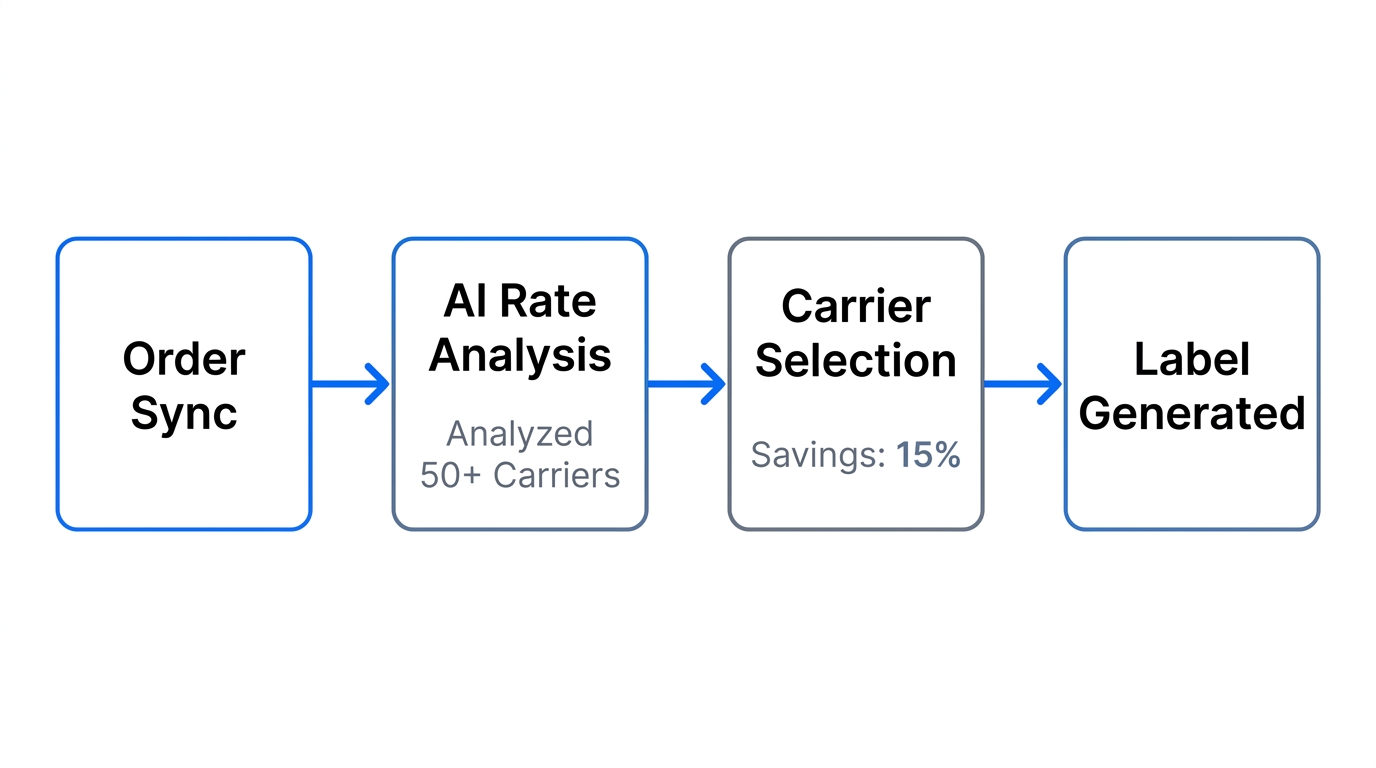
In years past, shipping software was a passive tool. In 2026, platforms like ShipStation have evolved into proactive decision engines. The launch of the ShipStation Intelligence suite has changed the math for mid-market accounts, offering AI-automated rate shopping that effectively eliminates the need for manual carrier comparisons. According to ShipStation industry data, brands using this AI-led discovery have seen a 10-20% reduction in average shipping cost per order.
The ROI here is driven by real-time analysis of hundreds of carrier endpoints via the ShipStation API V2. The system doesn't just look for the cheapest price; it analyzes Estimated Delivery Dates (EDD), which recent Gartner logistics surveys report is now a critical conversion metric for 25% of consumers who use AI chat agents like ChatGPT to shop. By automating the selection process, you ensure that every order is routed via the most cost-efficient carrier that still meets the customer's delivery window.
2. Reducing Shipping Zones via ShipBob’s IPP
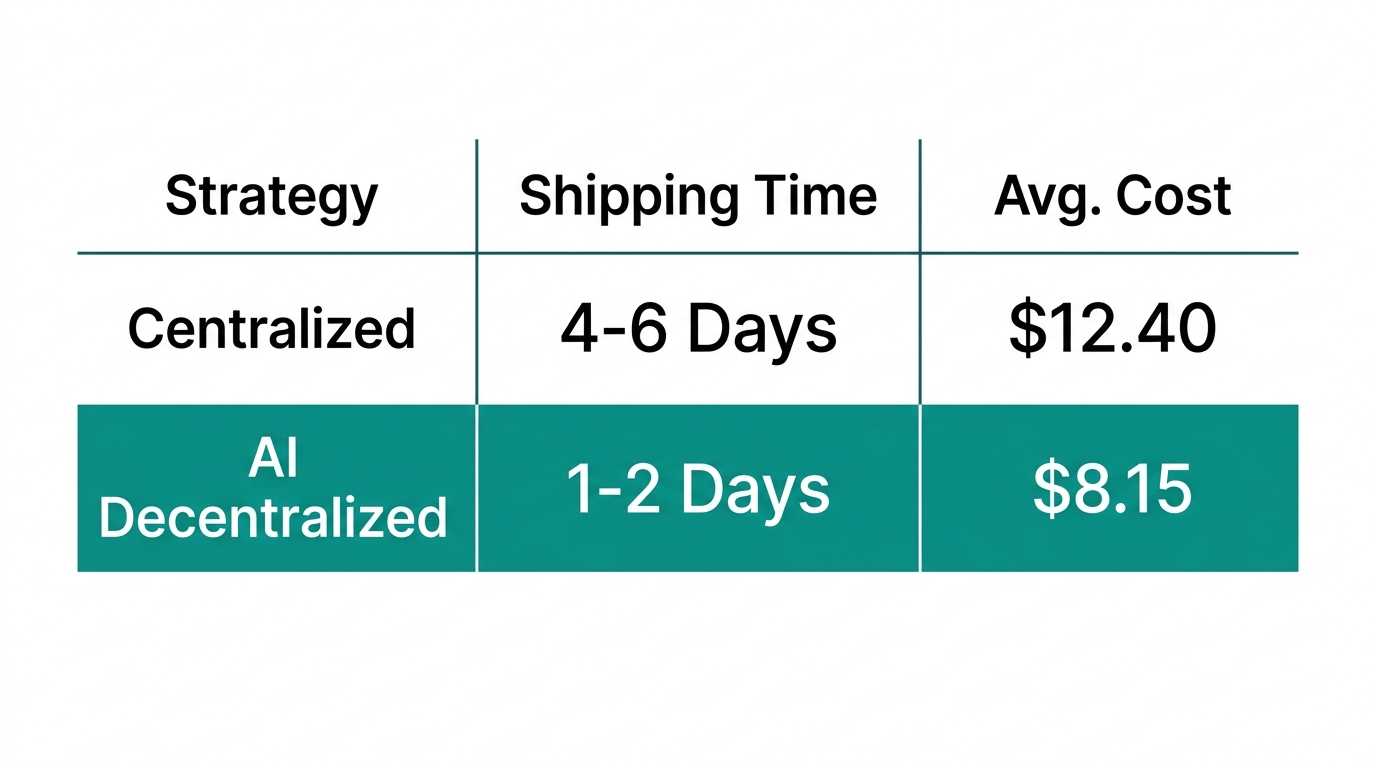
One of the most effective ways to achieve last mile delivery cost reduction is to stop shipping across the country. Shipping from a single hub in California to a customer in New York (Zone 8) is a margin killer. In 2026, the trend is Fractionalized Logistics—distributing stock across multiple urban "dark stores" or micro-fulfillment centers. ShipBob has pioneered this with their Inventory Placement Program (IPP).
By leveraging ShipBob’s network of 4+ hubs, brands like Our Place have cut delivery times from 6 days to just 2.5 days, while simultaneously saving $1.5 million in freight costs. For smaller brands, even moving from one hub to three (East, West, and Central) can reduce shipping zones by an average of 15%. This decentralized approach does more than just lower costs; brands displaying "2-Day Express" labels at checkout see an 18.4% increase in cart conversion, according to ShipBob conversion data.
"2026 is the year of AI enablement... the brands winning are those using 4+ warehouses to provide 2.5-day delivery as a standard."
3. Leveraging 'Intelligent Returns' for 112% Upsell Lift
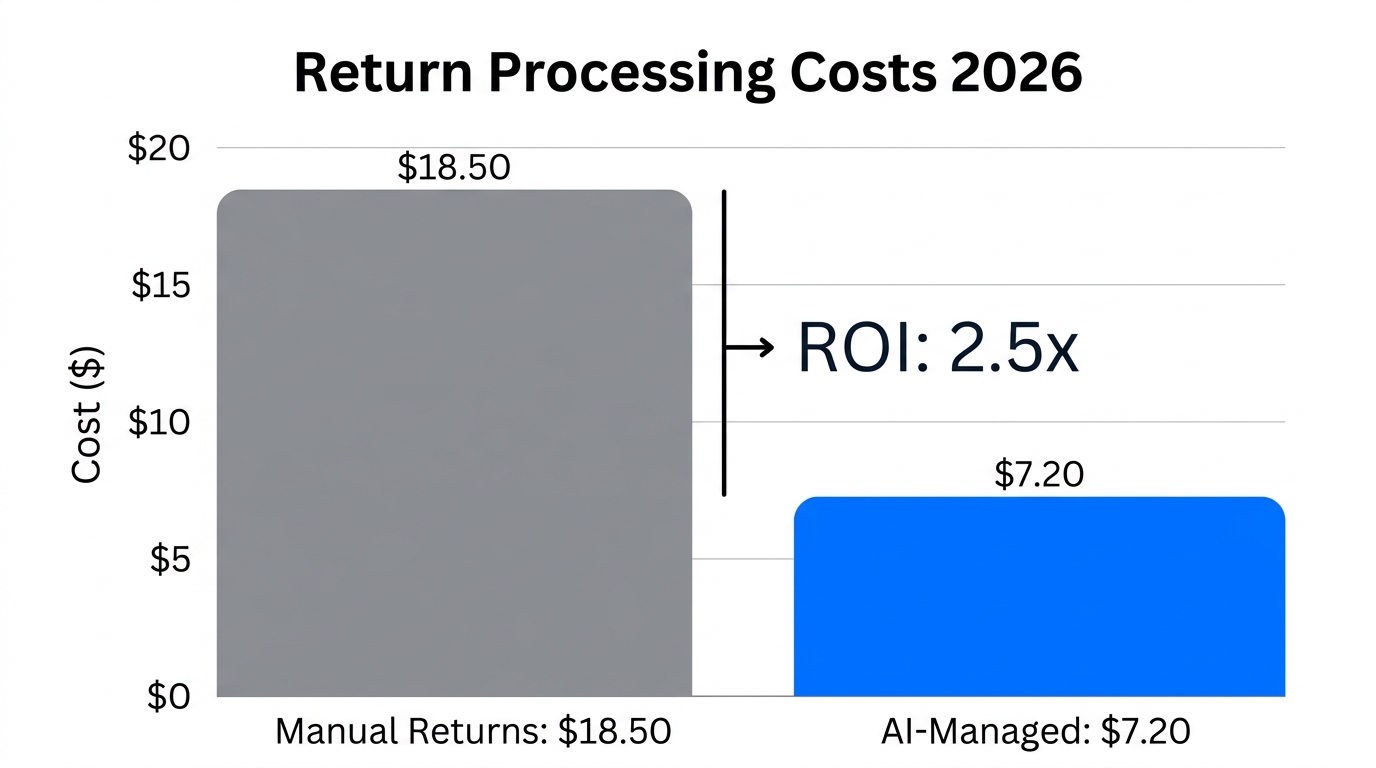
Returns are traditionally a cost center, but in 2026, they are being transformed into a revenue driver. Intelligent Returns suites now use dynamic exchange logic to prevent refunds. Instead of simply issuing a return label, the system uses AI to offer personalized product recommendations or exchanges based on the customer's past behavior. AI ecommerce fulfillment isn't just about the outward journey; it is about the reverse logistics loop.
Data from Business Wire indicates that this approach leads to a 112% increase in customer upsells during the return process. For a Shopify merchant, this means the cost of the return shipping label is often covered by the profit margin of the new exchange order. By treating returns as a second chance to sell, you protect your initial customer acquisition cost (CAC) and maintain a healthier bottom line.
4. Auditing 'Hidden Fees' and Margin Erosion
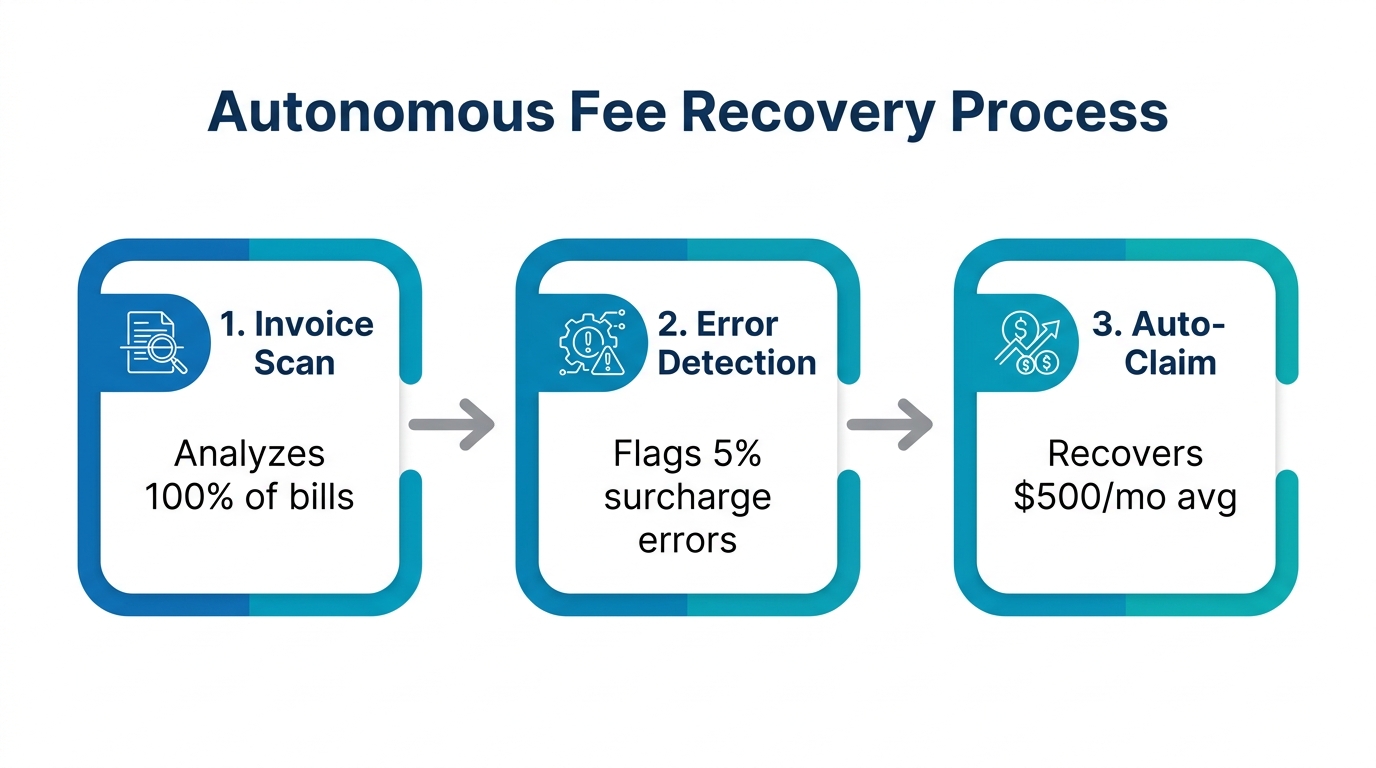
As logistics platforms scale, "price creep" becomes an inevitable challenge. In 2026, both SaaS providers and 3PLs have introduced complex fee structures that can eat away at your savings. To maintain Amazon shipping cost optimization, you must perform regular audits of your billing statements. Users on platforms like Reddit have reported costs jumping significantly due to add-on fees for non-native API connections or mandatory tier upgrades.
| Provider | Typical Hidden Fee Source | 2026 Risk Level |
|---|---|---|
| ShipStation | Non-native API connections & Support tier lock-outs | High |
| ShipBob | Kitting, 3% CC fees, and 5-day receiving lags | Moderate |
| Flexport | $5,000 monthly minimum spend | Very High |
Specific attention should be paid to receiving lag times. At ShipBob, systemic receiving lags of up to 5 days have been reported, which can lead to stockouts on your storefront even when your inventory has physically arrived at the warehouse. This is where an AI employee like Stormy AI becomes essential. Stormy AI can automatically monitor your warehouse inbound status and flag these lags before they impact your Shopify or Amazon listing health.
5. Using Stormy AI to Prevent Costly Receiving Lags
The messiest part of ecommerce isn't the software—it's the communication between your suppliers, your 3PL, and your storefront. This is the domain of Stormy AI, an AI ecommerce employee that runs your back office autonomously. Unlike a static dashboard, Stormy AI can use a browser, a spreadsheet, and an inbox to keep the operation running without human intervention.
For shipping cost optimization, Stormy AI handles the following tasks in the background:
- Inventory Monitoring: Stormy connects to your Shopify and Amazon Seller Central accounts to track SKUs and flag stockout risks before they happen.
- Supplier Follow-up: If a shipment is late or a 3PL hasn't checked in new stock within 24 hours, Stormy AI drafts and sends polite follow-up emails to suppliers and warehouse managers.
- Receiving Lag Prevention: By tracking the 5-day receiving window, Stormy ensures that inventory is live and sellable as quickly as possible, avoiding the need for expensive expedited air freight to cover stock gaps.
"Stormy watches the messy ecommerce back office, keeps the spreadsheet updated, and follows up with people so you don't have to."
Conclusion: The 2026 Shipping Playbook
Reducing shipping costs in 2026 requires a hybrid approach. You need the enterprise-grade rate shopping of ShipStation, the global warehouse reach of ShipBob, and the autonomous follow-up capabilities of Stormy AI. By distributing your stock to at least 3 hubs and using AI to manage your returns and supplier communications, you can protect your margins against the rising tide of last-mile costs.
Don't let manual ops and hidden fees erode your 2026 growth. Start by auditing your current shipping zones and implementing an AI teammate like Stormy AI to ensure your inventory never sits idle in a receiving dock again. The goal isn't just to ship cheaper—it's to ship smarter.