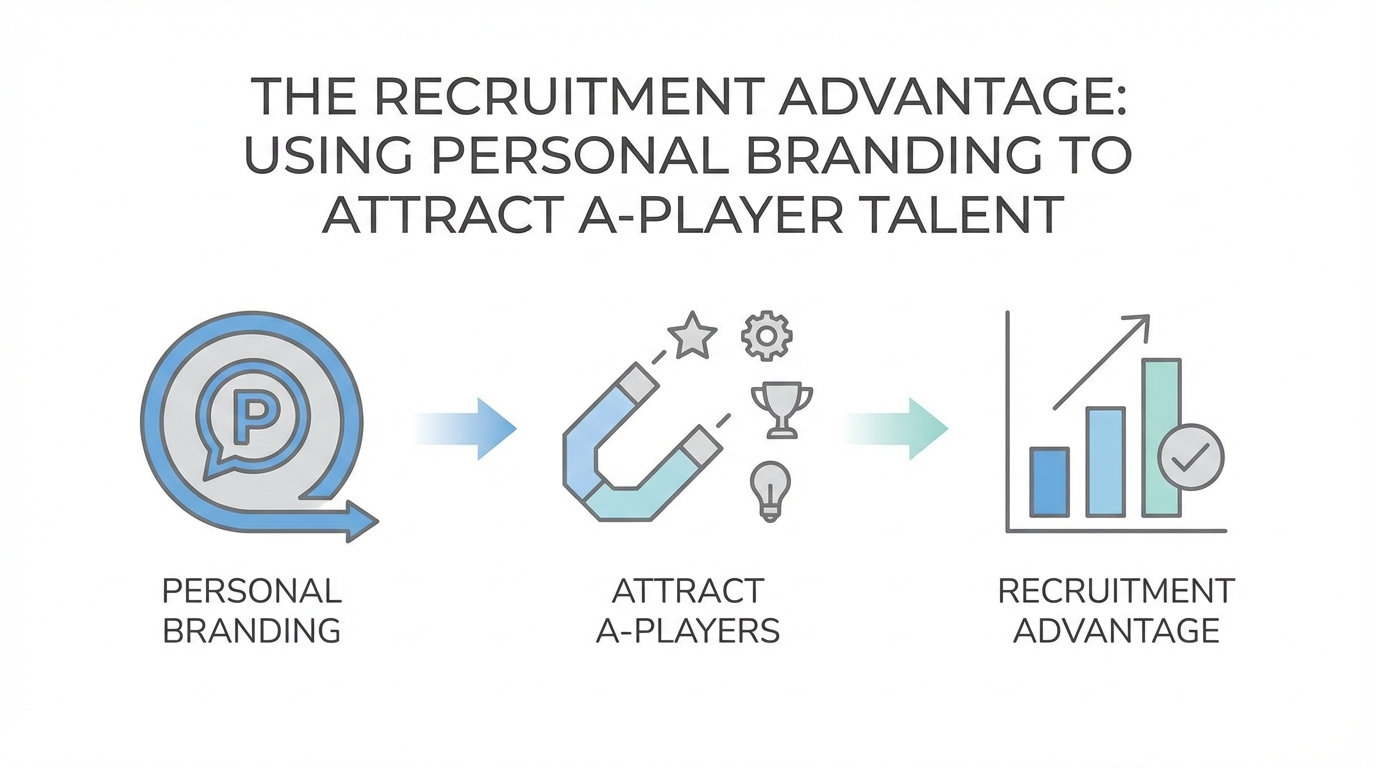
For years, the battle cry of the trades has been the same: “We can’t find good help.” The labor shortage in the blue-collar sector is no secret, and most contractors are still trying to solve a 2024 problem with a 2004 solution. They post a dry, generic ad on a job board, pray for a few resumes, and then complain when the candidates are less than stellar. But the game has changed. Today, hiring for home service companies is no longer just about human resources; it is about personal branding for CEOs and social media recruitment. The modern technician isn't scrolling through Craigslist anymore—they are scrolling through Instagram, TikTok, and LinkedIn, looking for a leader worth following. If you want to attract A-player talent, you have to stop acting like a boss and start acting like a media mogul.
The Death of the Job Board and the Rise of Social Media Recruitment


The traditional recruitment strategy for contractors is broken. When you post on a job board, you are competing solely on price and proximity. You are a commodity. However, industry leaders are seeing a massive shift: roughly 80% of new hires now come from social media content rather than traditional listings. This isn’t a fluke; it’s a fundamental shift in how people choose where to work. High-performers want to see the culture, the equipment, and the leadership before they ever hit the “apply” button.
When you utilize tools like Meta Ads Manager to showcase your team in action, you aren't just selling a service to customers—you are selling a career to potential employees. A-players are looking for a “common future,” as Tommy Mello, founder of A1 Garage Door Service, puts it. They want to know that by joining your team, they are hopping on a rocket ship. If your digital presence is non-existent or looks like a template from 2010, you are essentially telling the best talent that your company is stagnant.
Building an ‘Indebted’ Audience: The Power of the Podcast

One of the most effective labor shortage solutions for blue collar companies is the creation of “indebted” audiences. Tommy Mello famously used his Home Service Expert podcast as a “selfish” tool for growth. By interviewing the top experts in payroll, marketing, and operations, he didn’t just learn how to scale a business to a $1 billion valuation; he built a reputation as the industry’s most curious and dedicated student. When you provide value for free, you create a psychological sense of reciprocity, a concept masterfully explained in Robert Cialdini’s Influence.
This “indebtedness” extends to recruitment. When potential technicians listen to your podcast or watch your YouTube videos, they feel like they already know you. They learn your philosophy, your expectations, and your “why.” By the time they show up for an interview, they aren’t asking about the hourly rate—they are asking how they can help you reach the next milestone. This is why platforms like Stormy AI are becoming essential; they use an AI-powered search engine across TikTok, YouTube, and Instagram to find the exact creators who can amplify your message to the right talent pool.
The Training Center as a Marketing Asset: Show, Don’t Tell
Many contractors view training as a necessary expense, but for A-players, a world-class training facility is a marketing asset. Mello recently hosted an orientation with 62 people, and the staggering statistic is that 50 of them found the company through social media. They saw videos of the training center, the state-of-the-art tools, and the “bell” that trainees ring if they decide to “tap out” (much like the Navy SEALs). This creates an aura of exclusivity and high standards.
To implement this in your own recruitment strategy for contractors, start filming your training sessions. Use your phone to capture the “aha” moments when a new tech finally masters a complex repair. Share these on TikTok or Instagram. When you show 60+ people in a classroom, you are proving your company culture is real. You aren’t just saying you’re the best; you are showing that you invest $6,000 in tools for every new hire and provide a path to earning $700,000 per year for top technicians.
The ‘Who, Not How’ Philosophy: Scaling Through Experts
As a founder, your biggest bottleneck is often yourself. To move from a $17 million business that makes no profit to an $80 million EBITDA powerhouse, you must stop asking “How do I do this?” and start asking “Who can do this for me?” This philosophy, popularized by Dan Martell’s Buy Back Your Time, is the key to sustainable growth. You need to hire experts to manage the operations, the finance, and the HR so you can remain the visionary.
At a certain scale, your job is no longer to fix garage doors or HVAC units—it is to be the Chief Culture Officer. Mello suggests circling everything you hate doing on your org chart and hiring someone to take it over. Whether it’s payroll or dispatching, the minute you delegate these tasks, the business explodes because you are finally free to focus on sales and marketing. For those struggling to find these specialists, Stormy AI provides an autonomous AI agent that discovers, outreaches, and follows up with creators on a daily schedule—allowing you to scale your brand presence while you sleep.
Step 1: Hire an Integrator
The visionary dreams, but the integrator executes. You need a “bad cop” who loves systems and processes as much as you love the big picture. This person ensures that your Standard Operating Procedures (SOPs) are followed and that the manuals you’ve built aren’t just gathering dust on a shelf. Without an integrator, your “hustle” will eventually lead to burnout and market failure.
Step 2: Invest Heavily in Your Brand
A1 Garage Door spent $35,000 on a logo and truck wrap redesign because the old branding was “light on light” and looked like a garage. The new brand focused on trust, using a character that felt like the “Maytag man” from the 70s. Branding is what allows you to charge premium prices. You can’t be the cheapest, the fastest, and the best all at once. Pick two, and let your brand reflect that choice. Invest in high-quality assets and run them through Google Ads to ensure you are the first name people see when they need a “doctor” for their home. When building your ambassador program, you can use Stormy AI to vet potential creator partners by detecting fake followers and engagement fraud automatically.
Scale Through Media: The Home Service Freedom Community
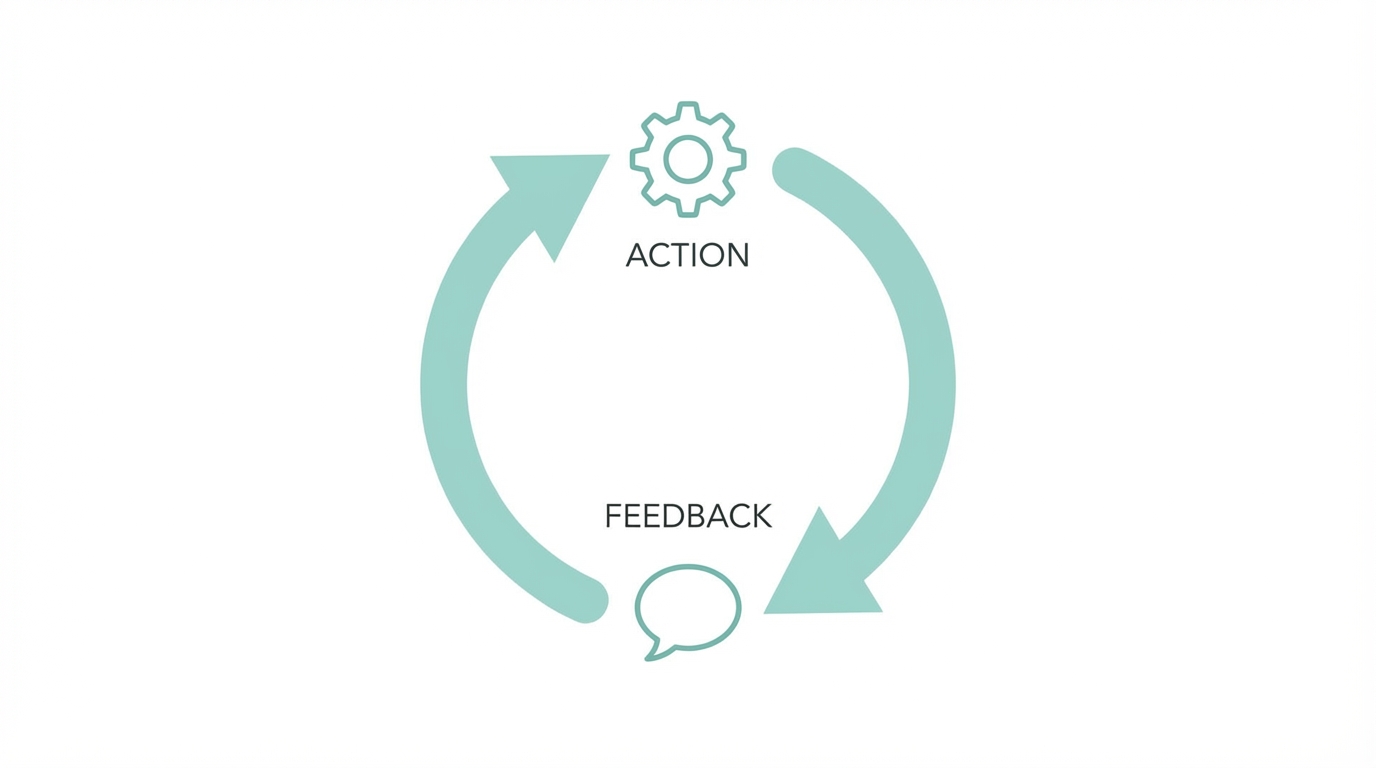
Building a community like Home Service Freedom creates a powerful feedback loop. When you educate your competitors and peers, you don’t just lose market share; you gain industry intel. When hundreds of contractors share what works for them on Apple Search Ads or what new algorithm shifts are happening on Yelp, you stay ahead of the curve. Once your campaigns are live, use Stormy AI for post tracking and analytics to monitor views and engagement across all your social platforms in one place.
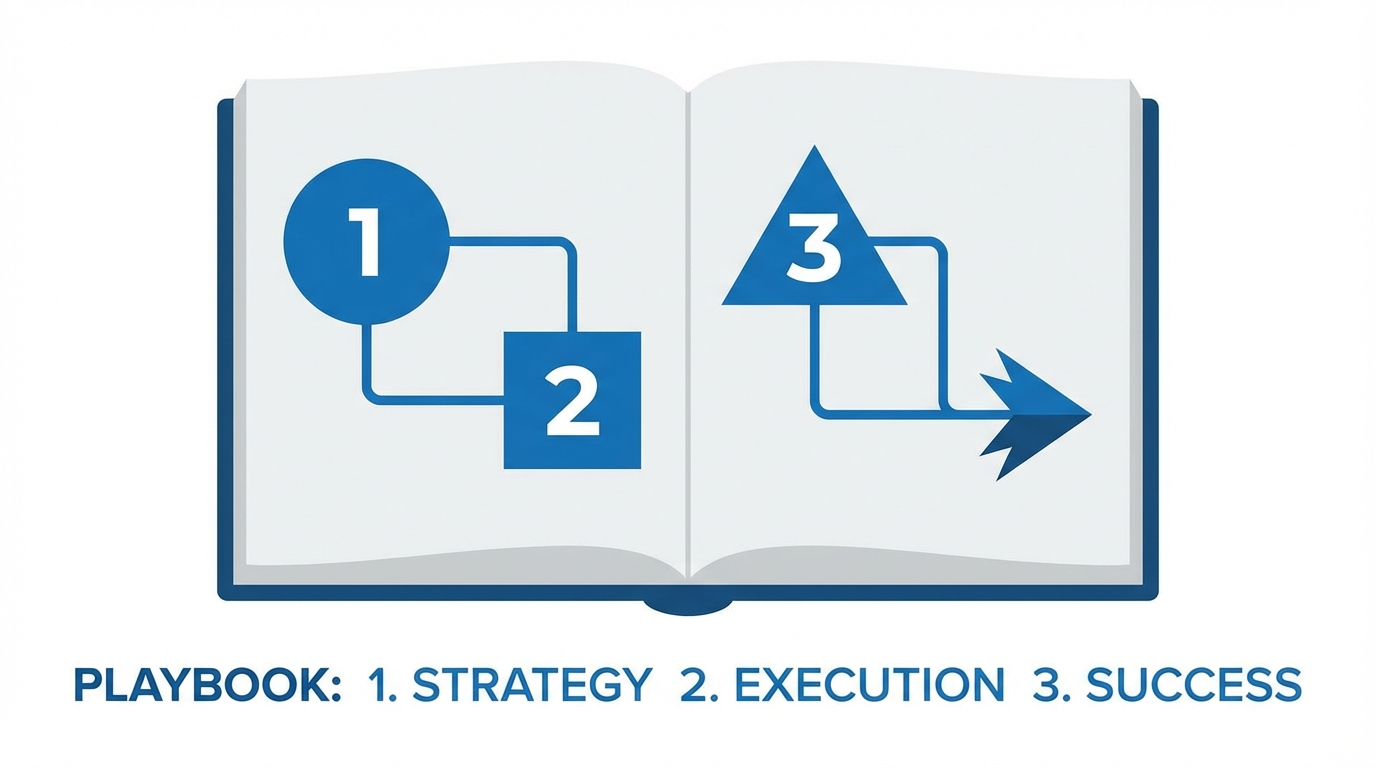
The Blue-Collar Playbook for A-Player Recruitment
- Document Everything: Your “hustle” must be documented into systems. If it’s only in your head, it’s not a business; it’s a job. Read your manuals out loud with your team and have them initial every page.
- Kill the ‘Yes/No’ Sale: Train your technicians to be doctors, not salespeople. Use a “Good, Better, Best” approach for options (1-year, 5-year, and lifetime warranties). Never offer a “no”; always offer a choice that fits their family.
- Gamify Performance: Use scorecards for every role, from CSRs to installers. Know your booking rates to the decimal point. Reward outcomes, not hours.
- Practice Two-a-Days: In football, you practice way more than you play. In business, most people “ride along” for two weeks and then never train again. Make training “who you are,” not something you do.
- Optimize for Reciprocity: Small gestures, like technicians bringing coffee or donuts to a customer’s house, trigger the rule of reciprocity. This simple trick can increase average ticket prices by hundreds of dollars.
Conclusion: Become the Leader Worth Following
The solution to the labor shortage for blue-collar companies isn’t a better job ad; it’s a better leader. By focusing on personal branding for CEOs, you transition from a contractor to an authority. When you spend $4.3 million a month on marketing, you aren’t just buying leads; you are buying market dominance and talent attraction. Stop worrying about the “how” and start finding the “who.” Build a culture so strong that people ring a bell before they quit, and a brand so recognizable that technicians come to you from 23 different states. In the end, your revenue is vanity, your profit is sanity, but your personal brand is your legacy.