In the glitzy landscape of Beverly Hills, Casey Holiday was a bartender who avoided looking at his bank account. He wasn't an entrepreneur; he was an actor-aspirant chasing a dream while clocking in and out of a restaurant. But a simple conversation with his manager, Ted Baker, about the inconvenience of wearing traditional metal wedding rings during workouts and golf sessions sparked a revolution in the DTC brand building space. That conversation led to the creation of QALO (Quality, Athletics, Love, Outdoors), a company that would eventually sell over $100 million worth of silicone wedding rings. This article provides a step-by-step playbook on how to start a Shopify business by identifying a high-utility niche, surviving manufacturing disasters, and scaling through strategic influencer seeding.
Identifying 'Pain Point' Products: The Foundation of Product-Market Fit
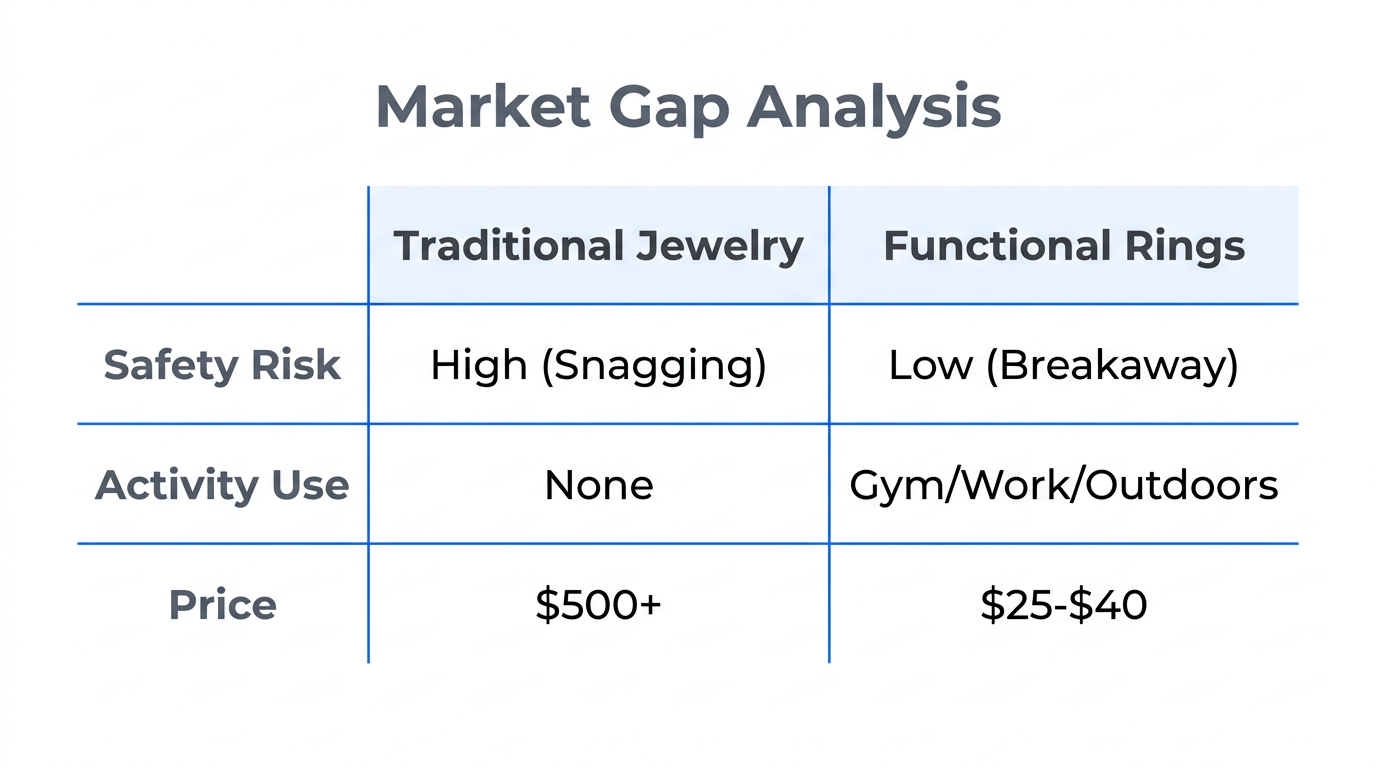
Most successful ecommerce stories don't start with a desire to build a massive corporation; they start with a specific, annoying problem. For Casey and Ted, the problem was the mismatch between a traditional accessory and an active lifestyle. You don't wear dress shoes to run a marathon, so why wear a gold band to the weight room? This realization is the essence of finding product market fit.
When they looked for an alternative, they found a vacuum in the market. As highlighted by Starter Story, the "light bulb moment" occurred when they realized that a functional, safe, and durable alternative to the metal ring simply didn't exist. They weren't just selling jewelry; they were selling a solution for athletes, firefighters, and outdoor enthusiasts who feared losing a finger or a precious heirloom.
"You don't wear a Rolex to the gym. You don't wear dress shoes to run a triathlon. People have specific accessories for specific activities—except for wedding rings."
The Shopify Launch: MVP Over Perfection
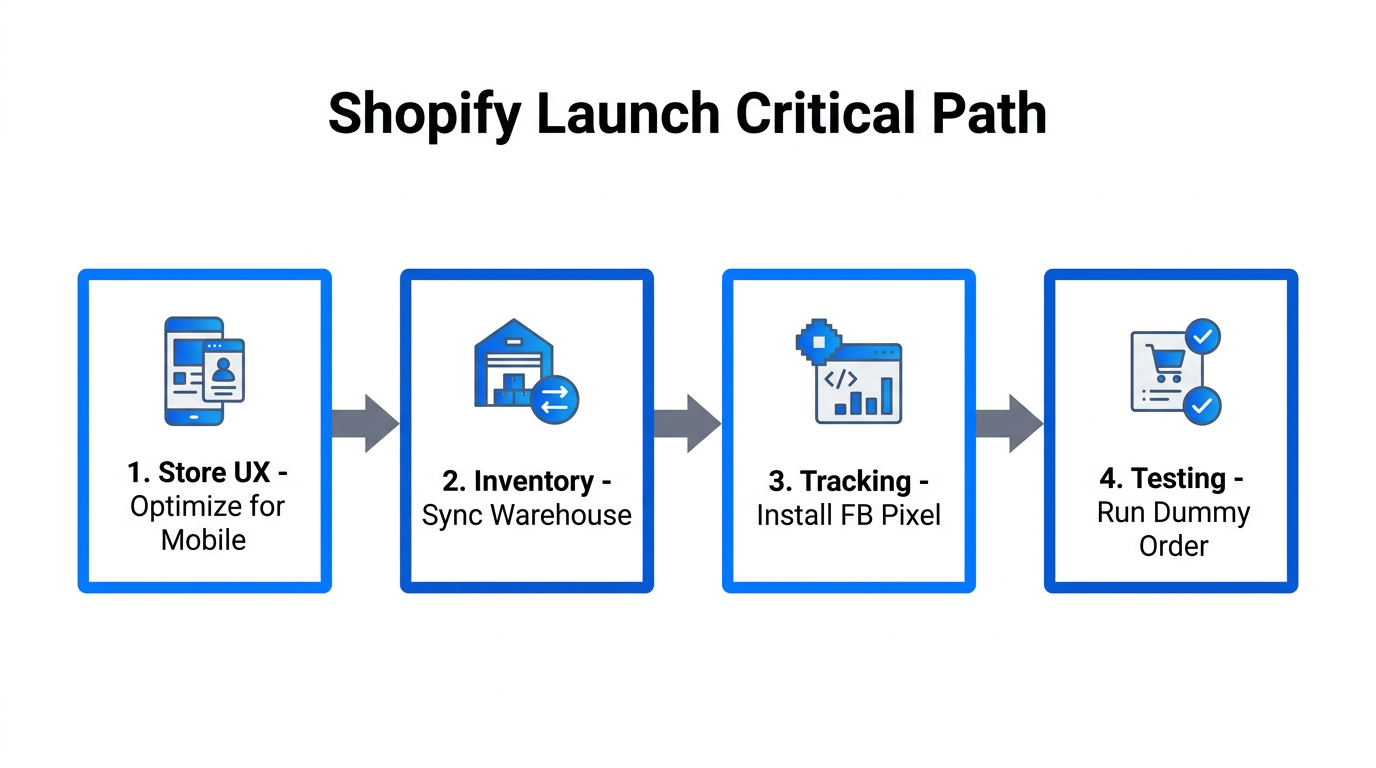
Once the idea was solidified, the founders had to navigate the technical side of how to start a Shopify business. At this stage, many founders get trapped in "analysis paralysis," debating custom builds versus templates. Casey and Ted faced a common dilemma: should they spend their limited remaining cash on a $99 premium theme or use the free, baseline models provided by Shopify?
For early-stage brands, the priority should always be speed to market and customer validation. Here is a quick comparison of the two paths:
| Feature | Free/Basic Shopify Theme | Custom/Premium Theme |
|---|---|---|
| Initial Cost | $0 | $99 - $350+ |
| Setup Speed | Hours | Days to Weeks |
| Customization | Limited | High |
| Conversion Focus | Standard | Optimized |
QALO eventually opted for a simple setup. They realized that the primary goal of their first website wasn't to win design awards, but to see if anyone would actually type in their credit card information for a rubber ring. When they hit publish, the initial silence was deafening—a reminder that building a site does not guarantee traffic. To drive sales, you need a distribution engine, often starting with organic outreach via platforms like Facebook and LinkedIn.
Manufacturing Survival: The 'Eyebrow Scissors' Phase
No DTC brand building journey is smooth. After emptying their savings and moving in with Casey’s mother to save on rent, the first batch of inventory arrived. It was a disaster. The rings were uneven, rough-edged, and essentially unsellable. With no money left to order a new batch, they faced a choice: quit or innovate.
The solution came from an unlikely tool: eyebrow scissors. Casey and his wife spent months sitting in bed, watching shows like Lost, and manually trimming the flashing off 50,000 silicone rings to make them presentable. This period of the "messy middle" is where most businesses fail. It requires a level of grit that isn't taught in business school.
Influencer Seeding: The $100M Turning Point
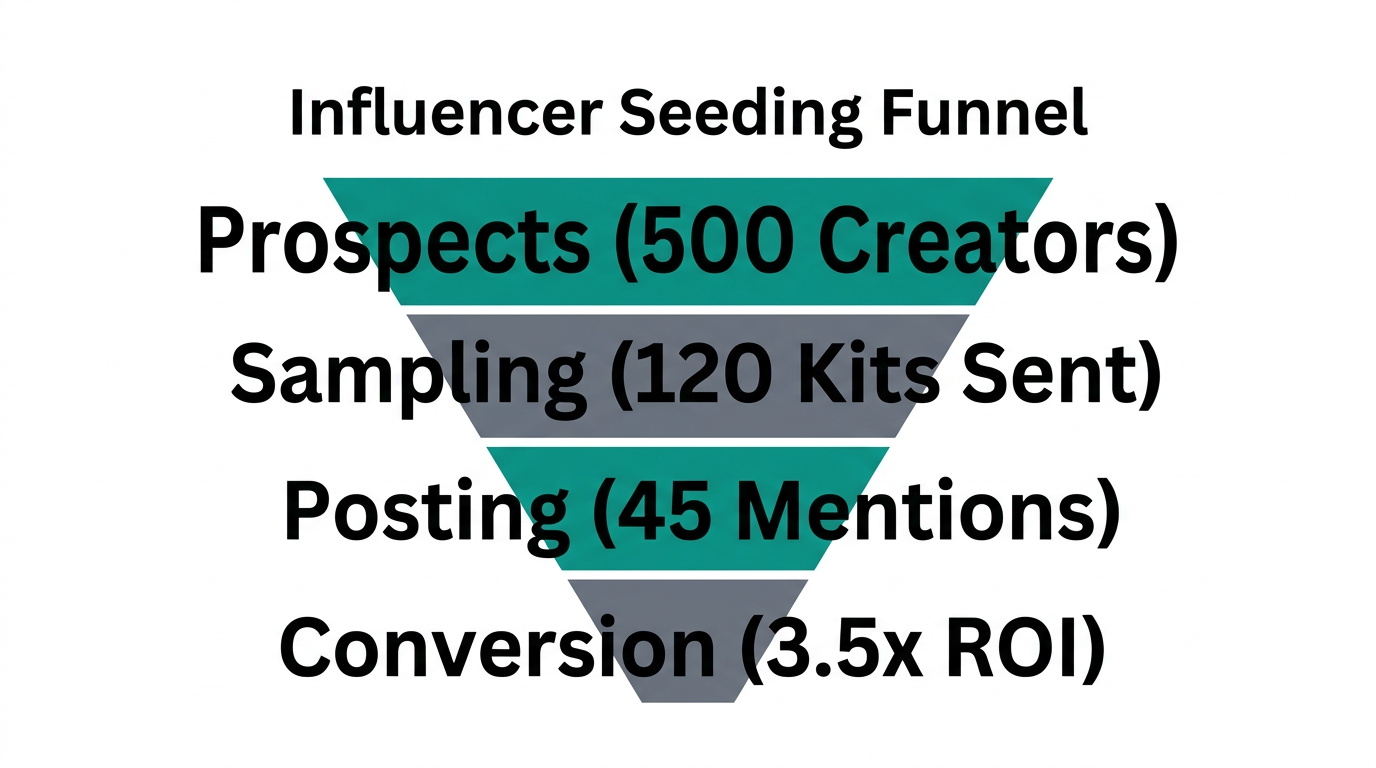
With a sellable product but zero marketing budget, QALO turned to what we now call influencer marketing. Long before specialized platforms existed, Casey leveraged a personal connection. He reached out to the wife of NFL quarterback Andy Dalton, offering the rings as a wedding gift. He didn't ask for a shoutout; he offered value.
This led to a 10-minute segment on HBO’s Hard Knocks where Dalton explained why he wore the ring on the field. The result? Sales tripled overnight. This demonstrates the power of authentic product placement over forced advertisements. Today, brands can replicate this by using tools like Stormy AI to discover creators who naturally fit their niche and automate the outreach process that Casey had to do manually via Facebook messages.
When executing an ecommerce growth strategy through influencers, follow these steps:
- Identify high-relevance creators: Don't just look for follower counts; look for creators whose lifestyle (e.g., fitness, tactical, manual labor) validates the product's use case.
- Personalize the pitch: Use outreach automation to send hyper-personalized emails that reference the creator's specific content.
- Focus on the 'Why': Like Dalton, the creator should explain why the product solves a problem for them, not just show the logo.
- Track and iterate: Use Google Analytics to monitor which creators drive the highest quality traffic.
The First-Mover Advantage and Scaling the Chaos
Casey and Ted realized early on that they had a first-mover advantage. In the world of Shopify ecommerce tips, speed is often more important than perfection. They knew that if they didn't capture the market quickly, a competitor with more capital would eventually enter and dominate. This led to a period of aggressive scaling, where they grew to 13 people in a 200-square-foot office, hiring two to three new employees every month.
"We were the first mover in the category. If we didn't go fast, somebody else with more money and better operators was going to come in and crush us."
As they scaled toward $30 million in annual revenue, the stakes became higher. They moved from survival mode to systems building. This included implementing a robust Customer Relationship Management (CRM) system and formalizing their culture. They shifted their focus from merely being "bigger" to being "better" as a company, prioritizing customer feedback loops to iterate on their product designs.
Customer-Centric Iteration: Beyond the MVP
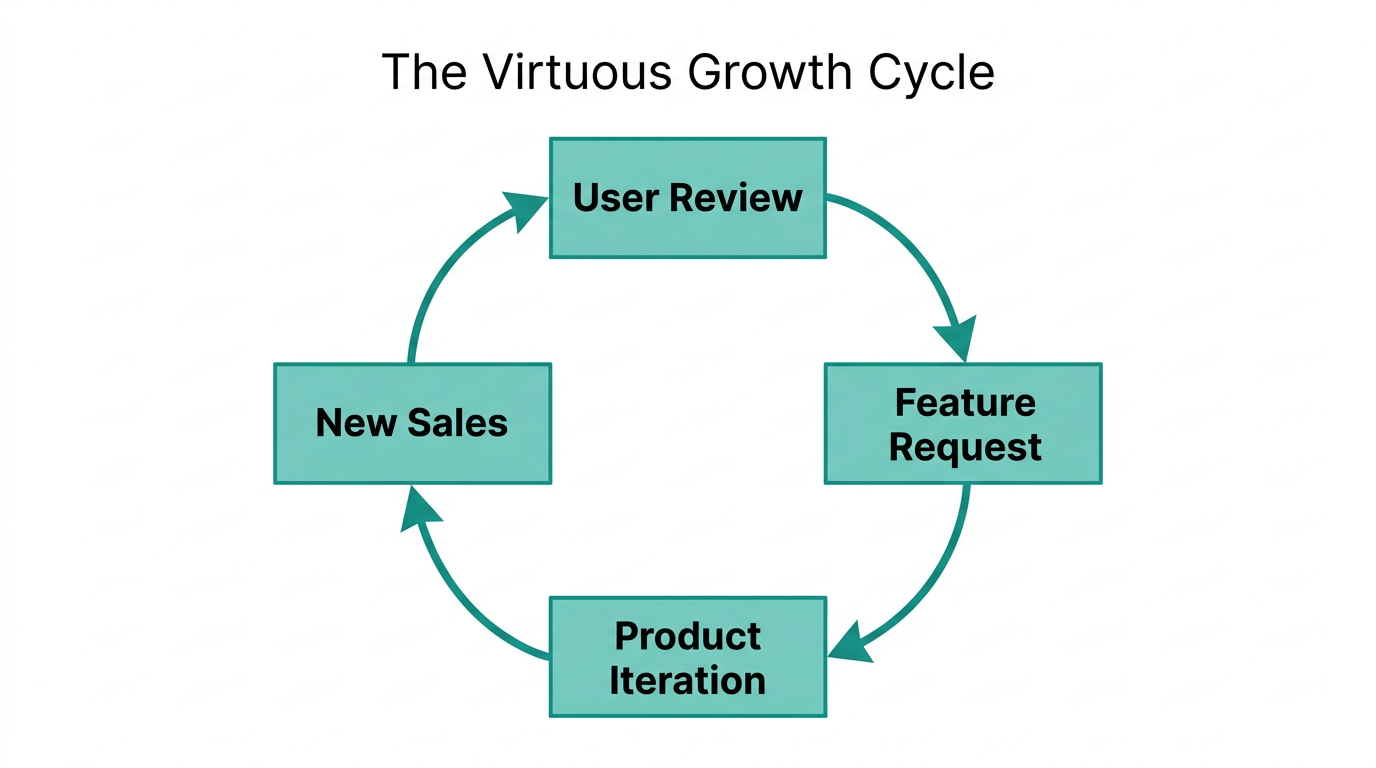
The final pillar of the QALO DTC brand building playbook is the relentless focus on the customer. Once you have a base of buyers, your job is to talk to them. Casey suggests that instead of being paralyzed by what people think of your product, you should be focused on how to make it better through their eyes. Use tools like Klaviyo to automate post-purchase surveys and gather actionable data.
Conclusion: From the Living Room to a $100M Exit
The story of QALO is a testament to the fact that you don't need an MBA or a venture capital war chest to build a massive brand. By focusing on a specific pain point, launching a lean MVP on Shopify, and leveraging organic influencer relationships, Casey Holiday transformed a side hustle into a category-defining empire.
If you are looking to start your own journey, remember: stop worrying about perfection. Find a problem, build a solution, and get it into the hands of people who need it. Whether you are hand-trimming products with eyebrow scissors or using an AI agent on Stormy AI to find your first 100 influencers, the key is to keep moving forward. Start solving the problems that only you have noticed—the market is waiting for your solution.