In the digital economy of 2025, attention isn't just a commodity; it’s a high-stakes gambling game. As social media platforms lean further into their 'slot machine' nature, creators and brands are no longer just competing against other humans—they are competing against neuro-linguistically optimized algorithms designed to keep users scrolling. To survive this landscape, professional creators like Roberto Nixon have moved past simple tricks into a sophisticated framework of psychology-backed content production. It’s no longer enough to just have a good video; you must master the art of capturing, maintaining, and rewarding attention within a 60-second window.
Visual vs. Verbal Hooks: The Multi-Sensory First Two Seconds
For years, the gold standard of content creator engagement tips was the "verbal hook"—a compelling opening line like "How I made $10,000 in a day." In 2025, that is the bare minimum. According to industry leaders, the first two seconds of a video must now be a multi-sensory experience to prevent the instinctive scroll. This means a simultaneous assault of high-quality audio, striking visual pattern interrupts, and a clear verbal promise.
A visual hook involves more than just a face on camera. Professional workflows often involve complex typography masking and custom-designed titles. As showcased in the Startup Ideas podcast, creators are now using tools like Adobe Photoshop to build symmetrical, high-emphasis typography that appears word-by-word, creating a rhythmic visual pulse that synchronizes with the speaker’s voice. This pattern interrupt resets the viewer’s attention clock, forcing them to engage with the new visual information rather than sliding past it.
Sonic Branding: The Subconscious Role of Foley and Risers
While visuals get the glory, social media psychology suggests that audio does the heavy lifting for retention. Sonic branding—the use of specific sound effects (SFX) like dings, paper crinkles, punches, and risers—acts as a subconscious roadmap for the viewer. These sounds signal that something important is happening, triggering a tiny dopamine release that keeps the brain waiting for the next hit.
Creators often utilize libraries from platforms like Epidemic Sound to layer their edits. For instance, adding a riser (a sound that increases in pitch and volume) before a major reveal creates a sense of tension that the brain desperately wants to resolve. Similarly, a simple "click" sound when a caption appears on screen makes the text feel more tangible. This level of detail transforms a standard video into a high-production experience, significantly boosting viral video metrics by reducing the drop-off rate in the first 10 seconds.
Color Theory and Lighting: Matching the 'Brand Vibe'
High-tier brands like Perplexity or OpenAI have established a specific aesthetic: clean, sophisticated, and technologically advanced. Professional creators now use color theory and LUTs (Look-Up Tables) to match these vibes, signaling to the audience that the content is authoritative and high-value.
Achieving this requires more than a filter; it involves a physical studio setup. Experts recommend a three-point lighting system using tools like the Amaran 150C. By using honeycomb grids on softboxes, creators prevent light from bleeding into the background, ensuring they are separated from the environment. This creates depth and shadows—often referred to as a "cinematic talking head" style—which is much more engaging than the flat, even lighting typical of amateur creators. Even your clothing and monitor background should be color-coded to the brand you are discussing to create a cohesive visual world.
Rewarding Attention: Triggering High-Weight Algorithm Signals
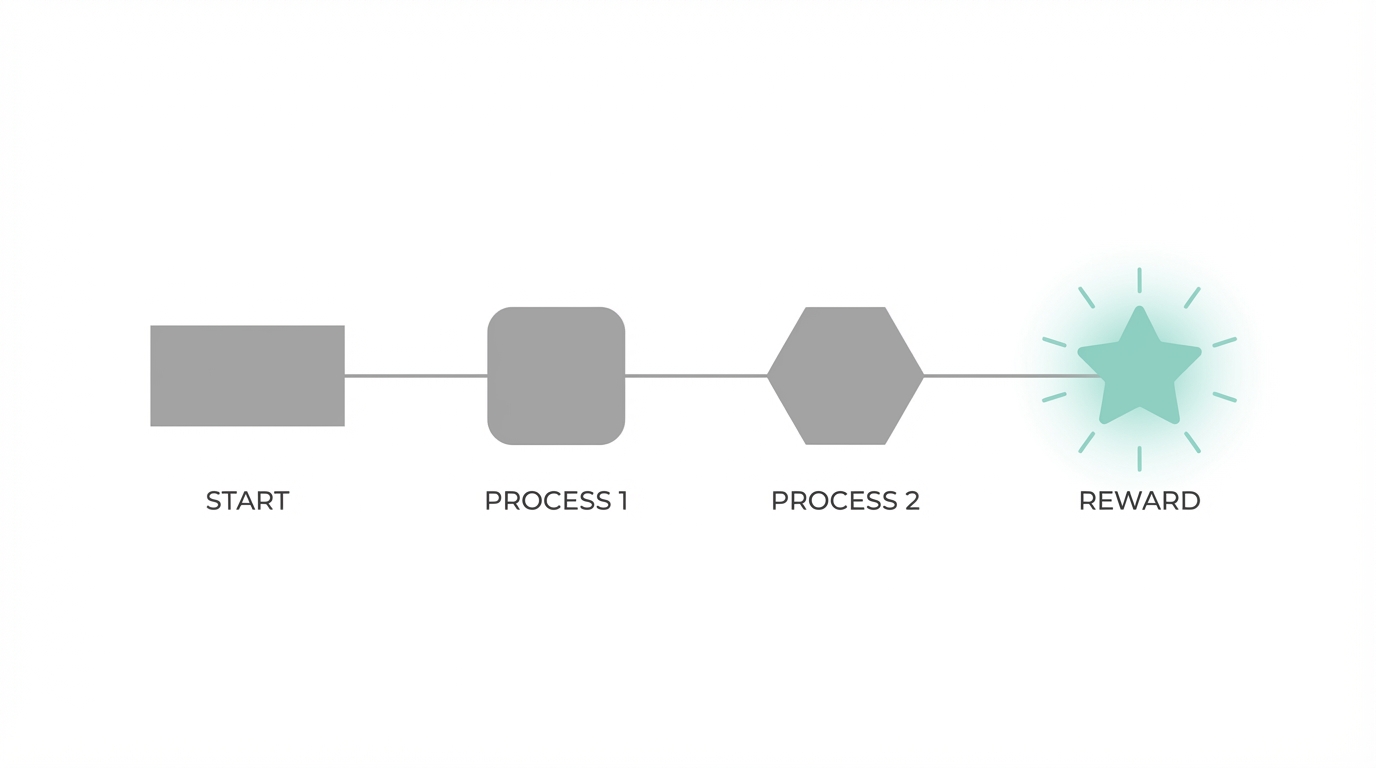

Capturing attention is only half the battle; you must reward it to satisfy the algorithm. In the current audience retention strategy, not all engagement is created equal. While 'likes' are easy to get, platforms now prioritize "high-weight signals" such as saves, shares, and screenshots.
To trigger these, content must provide tangible value—either educational or inspirational. Instead of an "information dump" (which is easily commoditized by AI), creators must provide a unique angle or a specific utility. For example, showing a step-by-step workflow using Screen Studio for a complex software task gives the viewer a reason to save the video for later reference. When a user saves or shares your content, the algorithm interprets this as a signal that the content is extremely high quality, pushing it to a wider audience.
The Dance of Conflict and Context: Storytelling in 60 Seconds
The core of content creator engagement tips lies in traditional storytelling devices compressed into a micro-format. This is often described as the dance between conflict and context. Every successful short-form video follows a rapid-fire cycle: introduce a conflict, provide context, resolve the conflict, and immediately introduce the next one.
For instance, if you are discussing the new OpenAI Agent Kit, the conflict isn't just that a tool exists; it's the challenge of building workflows without code. By framing information as a solution to a problem, you create a narrative tension that maintains attention. This pacing is further enhanced by removing the "millennial pause"—those tiny fractions of a second at the start and end of a sentence—using jump cuts and audio overlays to ensure there is never a moment of silence.
The 2025 Creator Playbook: An AI-Powered Workflow

Scaling this level of production manually is nearly impossible for a solo creator or a small marketing team. Transitioning to a high-retention strategy requires a systematized playbook that utilizes modern AI tools to maintain speed without sacrificing quality.
Step 1: Rapid Scripting and Vetting
Start with your "HQ" for ideas. Many professionals use Apple Notes for the raw capture of scripts and angles. Once a script is written, it should be vetted for narrative conflict. If the second line doesn't introduce a 'why,' the script needs a rewrite. When sourcing creators to execute these scripts at scale, tools like Stormy AI can help brands discover and vet UGC creators who already possess the technical skills for high-retention editing.
Step 2: Technical Recording
Use a teleprompter app like Prompter Pro to maintain eye contact with the lens while delivering high-speed information. To ensure audio quality, record your voice separately into a workstation using OBS Studio or a professional DAW. This allows for cleaner audio treatment, such as multiband compression and parametric equalization, which makes the voice sound "broadcast-ready." [Source: DAW Fundamentals]
Step 3: Visual Enrichment with AI
If you lack specific B-roll, don’t rely on generic stock footage. Use generative AI models like FreePik or Midjourney to create images, then animate them using video models like Kling or Sora. This ensures your visuals are in perfect context with your spoken words, which is a major factor in audience retention strategy.
Step 4: The High-Speed Edit
Import your assets into Adobe Premiere Pro. The key to the "2025 look" is the split-screen or layered layout. Keep your talking head at the bottom third and use the top two-thirds for dynamic media. Once the video is ready, managing the outreach to dozens of influencers to distribute the content is a logistical hurdle; Stormy AI streamlines this by automating the outreach and follow-up process, allowing you to focus on the creative production.
Conclusion: Retention is the New Reach
As we move through 2025, the creators and brands that win will be those who view audience retention as a psychological discipline rather than a technical one. By mastering visual and verbal hooks, investing in sonic branding, and obsessing over rewarding attention, you can break through the noise of the algorithm's slot machine. Remember, the goal is to make the viewer feel smarter or more inspired by the end of your 60-second video than they were at the beginning. If you can do that consistently, the metrics will take care of themselves.