In the hyper-competitive landscape of mobile development, the distance between a download and a subscription can often feel like an unbridgeable chasm. Many founders fall into the trap of believing that a great product will naturally sell itself, yet the data tells a different story: 85% of users decide whether they will pay for your app within the first five minutes of opening it. If your onboarding doesn't immediately convey value and psychological resonance, you are likely leaving thousands of dollars in monthly recurring revenue on the table. Understanding consumer app psychology is no longer just a competitive advantage—it is a requirement for survival in the app store.
The Critical Five-Minute Window: Why Onboarding is Your Best Salesperson

For most consumer apps, the onboarding sequence is treated as a necessary hurdle—a place to gather a username, a password, and perhaps a few preferences. However, top-performing apps like Clear 30, which tripled their revenue from $10k to $30k in just eight weeks, treat onboarding as the most important conversation they will ever have with their customer. During this initial window, you are not just setting up an account; you are combatting skepticism and building a bridge toward a subscription conversion trigger.
The core of this strategy lies in the Value Equation. To maximize the perceived value of your app, you must emphasize the Dream Outcome and the Perceived Likelihood of Achievement, while simultaneously minimizing the Time Delay and the Effort and Sacrifice required. When Asher and Thatcher, the founders of Clear 30, rebuilt their onboarding, they stopped focusing on app features and started focusing on these psychological levers. They used tools like Superwall to manage their paywalls and track these conversion metrics in real-time, allowing them to iterate on the language that resonated most with their target demographic.
Successful app user behavior research shows that users aren't looking for a list of tools; they are looking for a transformation. If your app promises mental clarity or addiction recovery, your onboarding shouldn't show a dashboard of graphs; it should show a vision of the user's life 30 days from now. By using frameworks like those found in Amplitude to track where users drop off, founders can see exactly where the psychological connection is failing.
The Hero’s Journey: Making the User the Protagonist
One of the most effective ways to drive behavioral design in apps is to frame the user’s experience as a heroic journey. This begins with something as simple as asking for their name and then using it throughout the flow. It’s not just about personalization; it’s about making the user feel "seen" by the software. When a user tells an app their specific struggle—such as hitting a vape at 3:00 a.m. while watching skating videos—and the app reflects that specific reality back to them, the conversion rate skyrockets.
This specificity creates a "human" connection. Platforms like Stormy AI emphasize that the most effective marketing content, especially UGC for mobile app marketing, works because it feels authentic and relatable. By incorporating "pride-based" messaging—telling the user they should feel proud for even taking the first step—you move them from a state of shame to a state of empowerment. This shift is a massive subscription conversion trigger.
By framing the app as a guide and the user as the hero, you reduce the perceived effort and sacrifice. You aren't asking them to do the work alone; you are offering a "fail-proof program" that holds their hand. This psychological safety net is what turns a casual browser into a committed subscriber.
Social Proof at Scale: Credibility Beyond Reviews


In the wellness and recovery space, trust is the primary currency. Users are often wary of "snake oil" solutions, making social proof for apps a non-negotiable component of the funnel. While standard user reviews are helpful, high-growth apps utilize science-backed credentials to solidify their authority. For example, mentioning a grant from the National Institute of Health (NIH) or a co-founder with a Ph.D. in clinical psychology provides a logical justification that bypasses a user's initial skepticism.
However, social proof isn't just about big logos. It’s about the "Review Glitch" strategy—a psychological tactic where you prompt users for a rating during onboarding, after they've answered a few meaningful questions but before they've even fully used the app. This might seem counterintuitive, but if the onboarding has provided immediate value (like a personalized assessment), users are often happy to provide a 5-star rating. This creates a flywheel effect that boosts App Store Optimization (ASO) and increases the perceived likelihood of success for future users.
When users see that 25,000+ people have already found success, the fear of being the "first one through the door" vanishes. For brands looking to scale this even further, using Stormy AI for finding UGC creators and influencers who can authentically share their own success stories adds a layer of human social proof that static text simply cannot match. Seeing a real person describe their journey from addiction to clarity is often the final push a user needs to hit the "Subscribe" button.
The Science of Habit: Leveraging Biological Wins
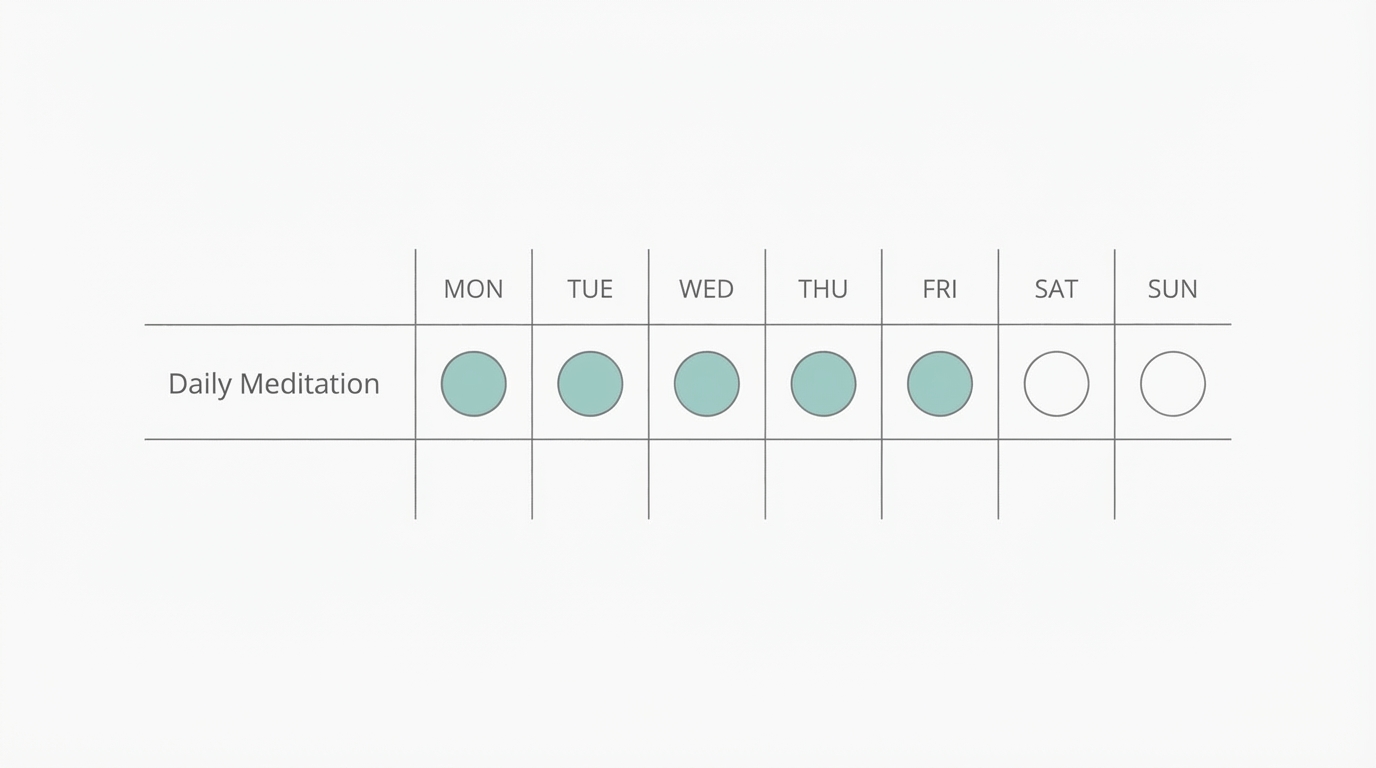
To convert a user into a paid subscriber, you often need to provide a logical reason for their emotional decision. This is where "biological wins" come into play. In the context of cannabis recovery, educating the user that their CB-1 receptors begin to bounce back within 48 hours is a powerful psychological tool. It transforms the abstract idea of "quitting" into a concrete biological process of "healing."
This tactic addresses the Time Delay element of the value equation. Users often quit because they feel they aren't making progress fast enough. By highlighting that their brain is literally repairing itself in the first two days, you give them a "win" they can celebrate almost immediately. Consumer app psychology teaches us that small, early victories are the best predictor of long-term retention.
Structuring your paywall as a 7-day roadmap rather than a list of features is another way to leverage this science. When users see exactly what will happen on Day 1, Day 3, and Day 7, they view the subscription as a system rather than a tool. Founders often use Stormy AI to track the engagement of their educational content across social platforms to see which biological "wins" resonate most with their audience.
Retention Through SMS: Human-Centric Engagement
An app is only valuable if the user actually opens it. In the addiction recovery space, the "urge" to use doesn't always happen when the user is looking at their phone's home screen. This is why retention through SMS has become a game-changer for modern consumer apps. Using tools like Twilio, apps can reach users in a channel that has a 95% read rate within 5 minutes.
The key here is the copy. It must be "human-centric"—meaning it should sound like it was written by a person, not a bot generated by a generic LLM. Whether it's a hilarious check-in or a supportive text from a "Peer Support Specialist," these messages keep the app top-of-mind and provide a sense of accountability that push notifications often lack.
By engaging users outside the app environment, you reinforce the Hero's Journey. The app becomes a companion in their pocket rather than just another icon on their screen. Founders who find and work with UGC creators to craft these personal stories can use Stormy AI to manage all creator conversations and automate follow-ups with its AI agent while they sleep to maintain a consistent brand persona.
Opportunity Cost Messaging: The Financial Justification
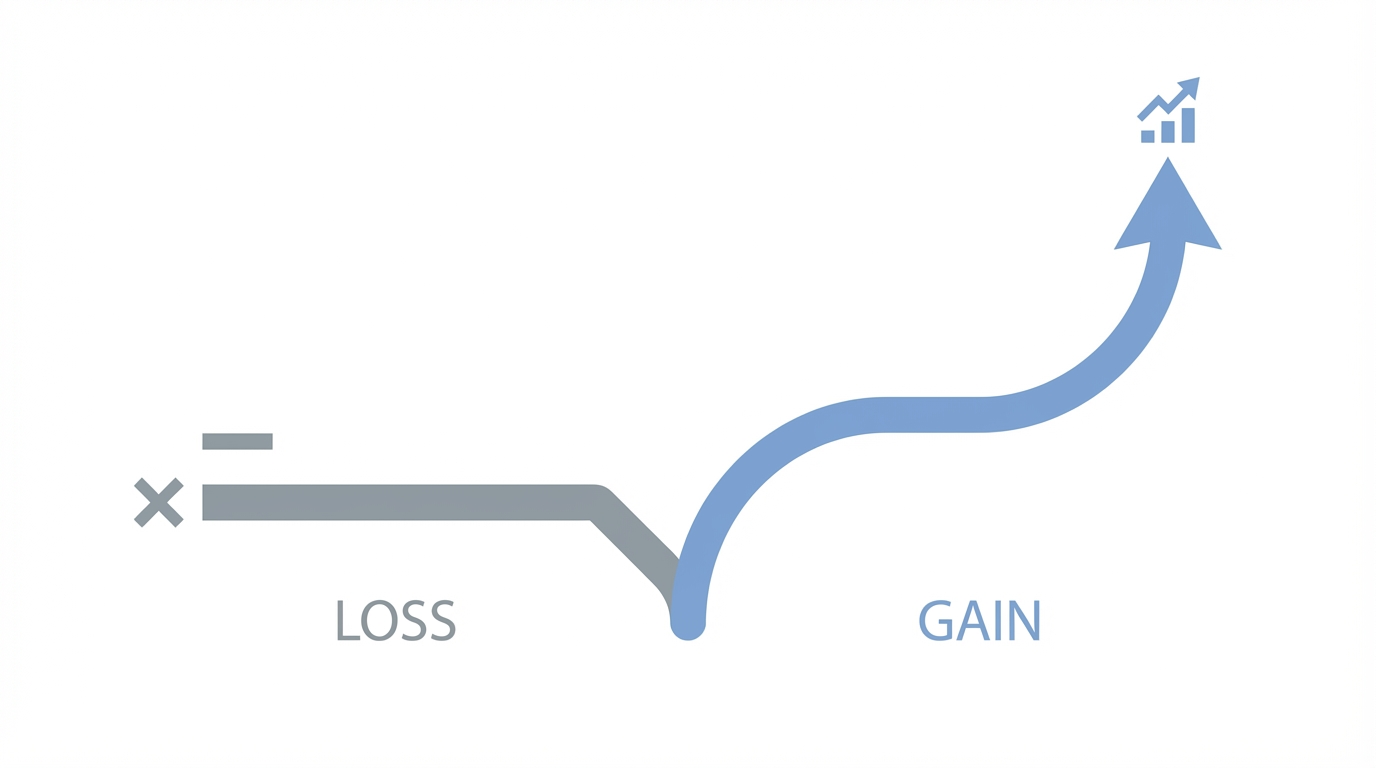
One of the most effective subscription conversion triggers is the "Fair Trial" and "Price Anchoring" strategy. Users are often sensitive to a $30 or $50 yearly fee until that fee is placed in the context of their current spending habits. This is opportunity cost messaging at its finest.
If an average user spends $55 a week on their habit, a $30 annual subscription isn't an expense—it's a massive financial gain. By calculating the potential savings directly within the onboarding flow, you refile the subscription in the user's mind. It moves from the "Luxury/Entertainment" bucket to the "Investment/Savings" bucket.
Setting expectations early also builds trust. Apps like Blinkist and Clear 30 use "Fair Trial" screens that clearly explain: "We will remind you 2 days before your trial ends. No hidden fees." This transparency reduces the user's defensive posture, making them much more likely to start a trial. When users don't feel like they are being "tricked," their long-term LTV (Lifetime Value) increases significantly.
Conclusion: Building a Psychology-First Product
Turning curious users into paid subscribers is not a matter of luck; it is a matter of systematic psychological design. By focusing on the first five minutes of the user experience, leveraging the Hero's Journey, and grounding your claims in biological science and social proof, you can create an onboarding flow that doesn't just collect data—it converts souls.
Remember that your paid ads are merely the door; your onboarding is the house. If you are struggling to find the right voices to bring users to that door, Stormy AI is an AI-powered platform for creator discovery, especially for mobile app marketing and UGC campaigns. By combining powerful UGC strategies with a psychology-backed conversion funnel, you can move your app out of revenue limbo and into a trajectory of sustainable growth. Stop selling features, and start selling the dream outcome.