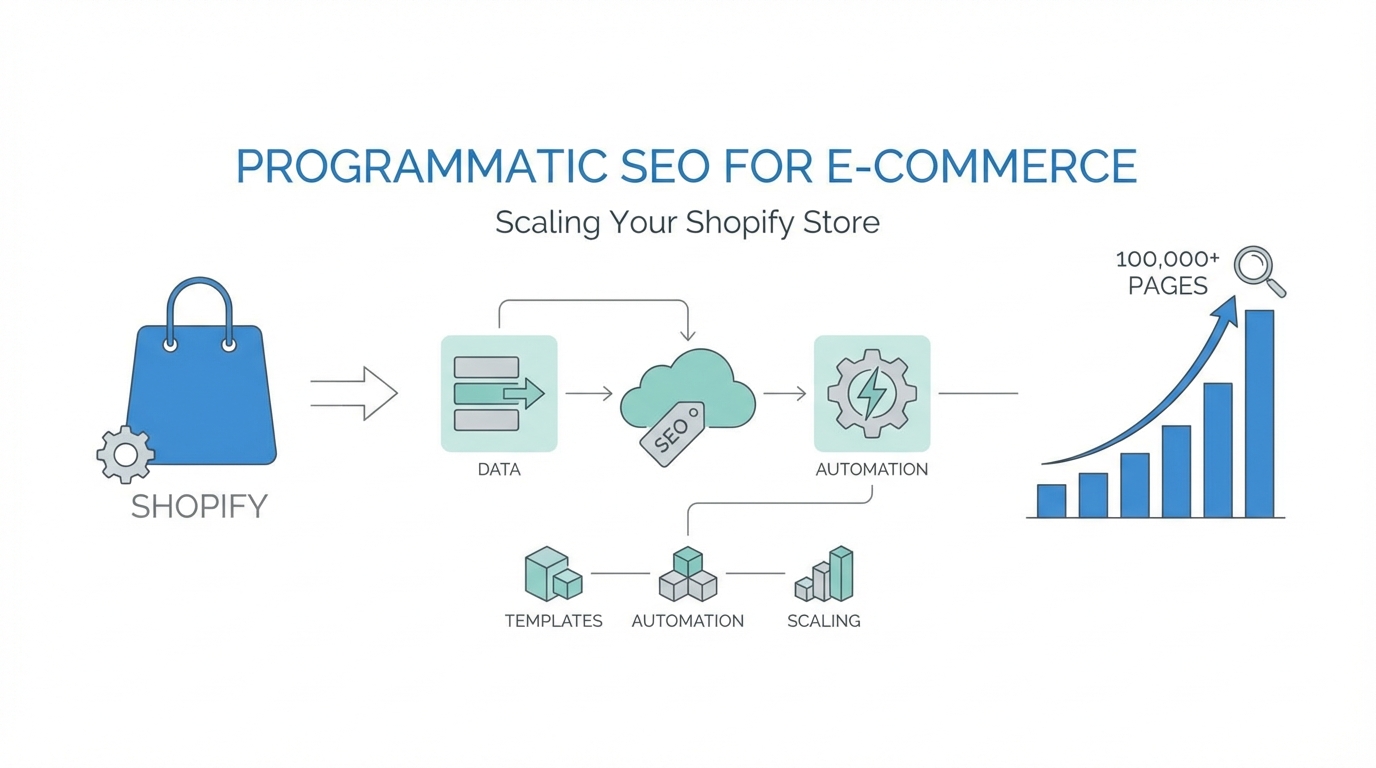
In the traditional world of e-commerce marketing, growth is often linear. You write a blog post, you rank for a keyword, and you get a trickle of traffic. To reach 100,000 visitors, you might think you need 1,000 high-quality blog posts—a task that would take a content team years to complete. But what if you could move from 100 blog posts to 10 million landing pages overnight? This is the power of programmatic SEO. By combining data-driven page generation with automated content creation, e-commerce founders are now building massive marketplaces that dominate the search engine results pages (SERPs) for thousands of niche, high-intent keywords simultaneously. This guide will walk you through the technical blueprint for scaling a Shopify store to a massive scale using AI and modern infrastructure hacks.
The Programmatic SEO Opportunity: Dominating the Long-Tail
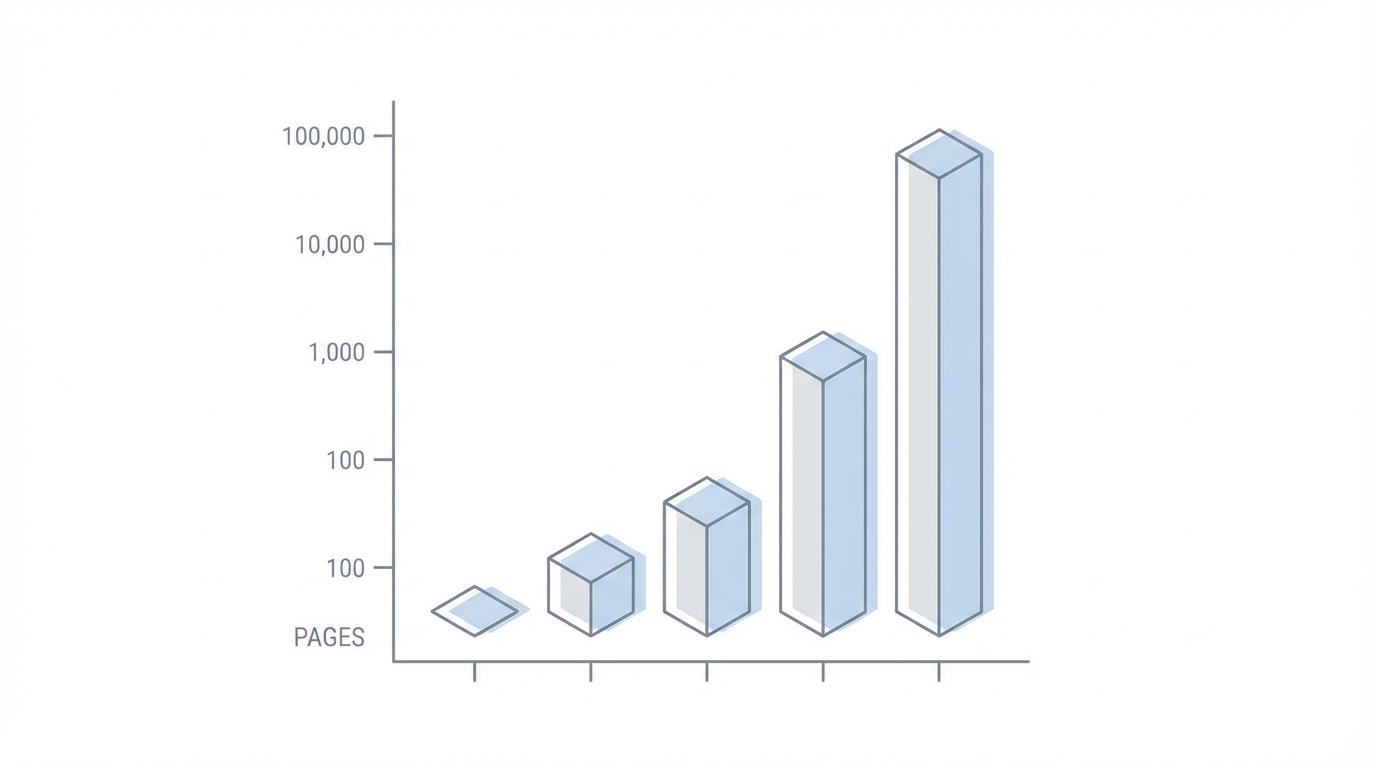
Most e-commerce stores fail because they compete for the same high-volume keywords as everyone else. If you are selling SVG files for crafters, trying to rank for the broad term "SVG" is a losing battle against giants. However, there is a massive opportunity in the long-tail. The research shows that niche categories, such as the market for Cricut tabletop CNC machines, are multi-billion dollar industries that often fly under the radar of traditional marketers. In these niches, searchers aren't just looking for generic files; they are searching for hyper-specific items like a "Floral Horse SVG" or a "Monogram Floral Horse Head SVG."
These long-tail phrases have lower search volume individually but significantly higher conversion rates. When a user searches for something that specific, they have a high intent to buy. A successful shopify seo strategy involves creating a dedicated landing page for every single one of these variations. Programmatic SEO allows you to generate these pages at scale, ensuring that no matter how obscure the user's query, your store is the one that appears in Google. Large marketplaces like Houzz have used this strategy for years, creating millions of pages that rank for every possible combination of home decor keywords, effectively brokering traffic for transactions.
The Shopify/Cloudflare Hack: Bypassing API Rate Limits
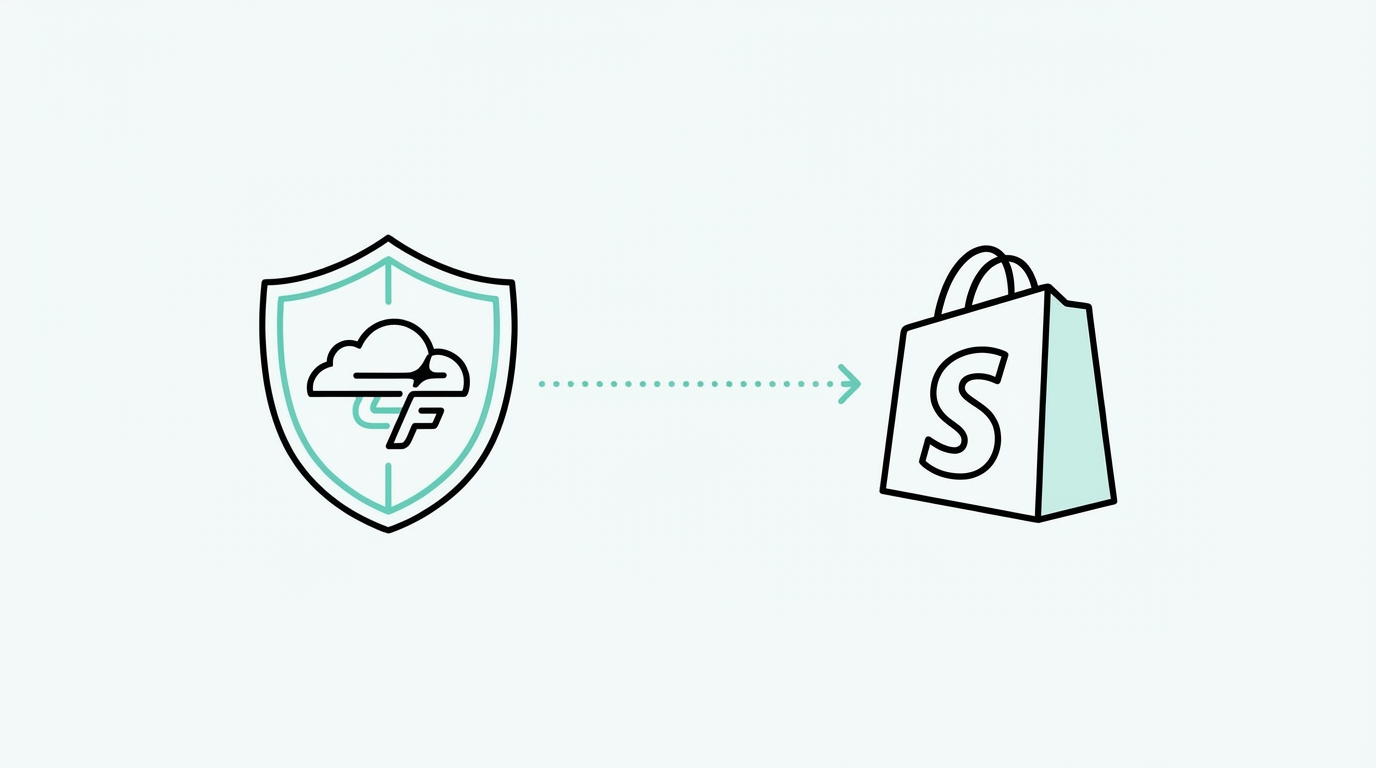

One of the primary roadblocks to scaling an e-commerce site is the platform's technical constraints. Traditionally, Shopify has had API rate limits that make it difficult to manage or create hundreds of thousands of collection pages quickly. If you have 100,000 SKUs and want to build 10 million landing pages for long-tail keywords, a standard app-based approach will often crawl to a halt. To solve this, advanced growth hackers use a combination of Shopify subfolders and Cloudflare to bulk-create pages.
By leveraging Cloudflare Workers or similar edge computing tools, you can dynamically serve content on your Shopify domain without hitting the core Shopify admin API for every single page creation. This allow you to bypass the traditional ceiling on page volume. When you combine this with Shopify's recent updates to subfolder structures, you can build a site architecture that mimics massive platforms like Amazon or Etsy. This technical setup is one of the most powerful ecommerce growth hacks available today, allowing a small team to manage a site with millions of indexed URLs.
Building an Automated Content Pipeline with AI
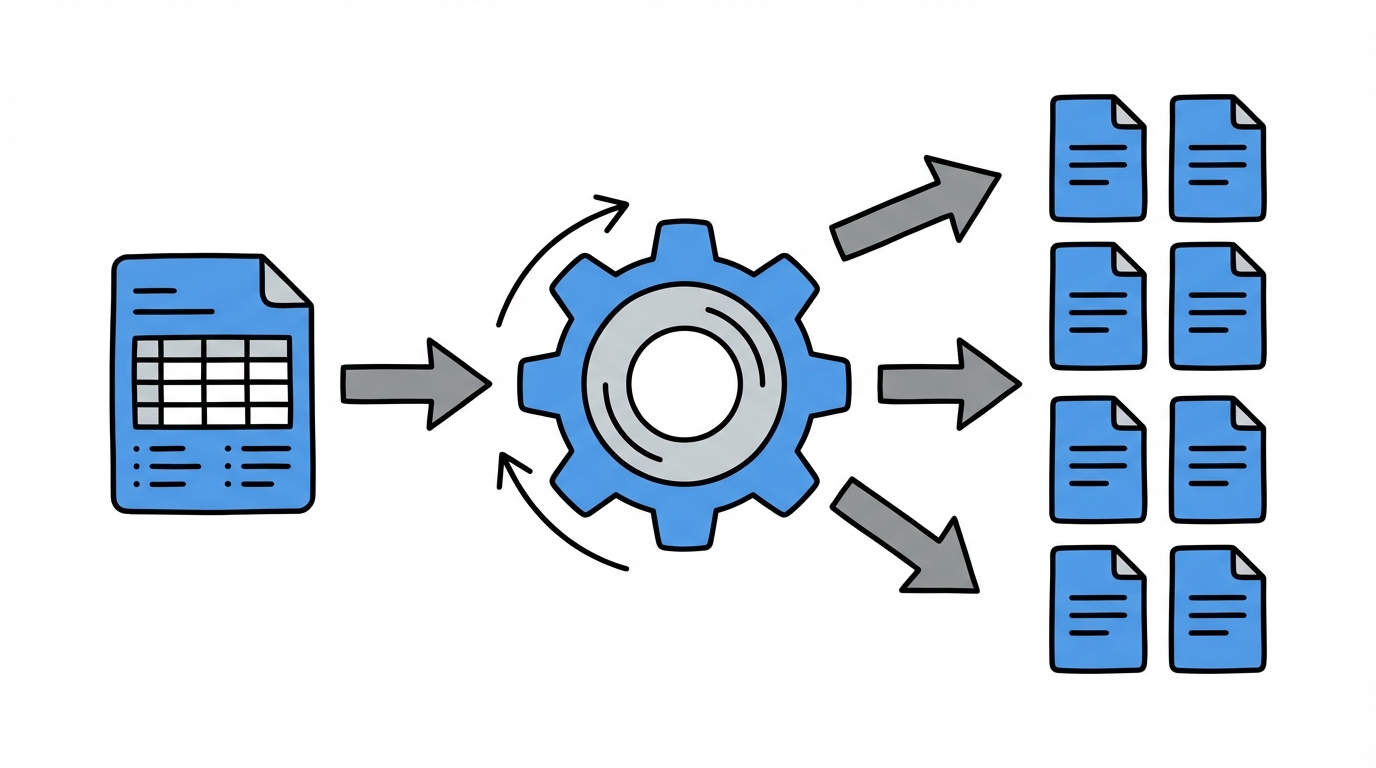
Scaling to 100,000+ pages is impossible if a human has to touch every page. The solution is a fully automated content pipeline. Consider the SVG market example: you can use AI to generate graphic designs based on target keywords that people are already searching for. Previously, this would require a massive offshore team of designers. Today, you can use a chain of APIs to handle the entire process with zero human intervention.
The 5-Step Automation Playbook
- Keyword Discovery: Use SEO tools like Semrush to identify thousands of long-tail keywords (e.g., "Floral Horse SVG," "Tribal Horse SVG").
- Image Generation: Feed these keywords into an AI image generator via an API like Midjourney or Stable Diffusion.
- Upscaling & Processing: Use a GitHub-based repository or specialized API to upscale the image and a background-removal API to clean the file.
- Vectorization: Hit an API endpoint to convert the black-and-white raster image into a high-quality SVG file.
- AI Copywriting: Use large language models to write unique, SEO-optimized product descriptions for every SKU, ensuring that Google sees each page as high-value, original content.
This workflow transforms your business from a boutique shop into a high-volume marketplace. Companies like Creative Fabrica have already scaled to tens of millions in revenue by offering subscriptions to massive libraries of these assets, proving that automated content creation is a viable path to a 10-million-dollar-a-year company.
Distribution and Link Building: Fueling the Engine
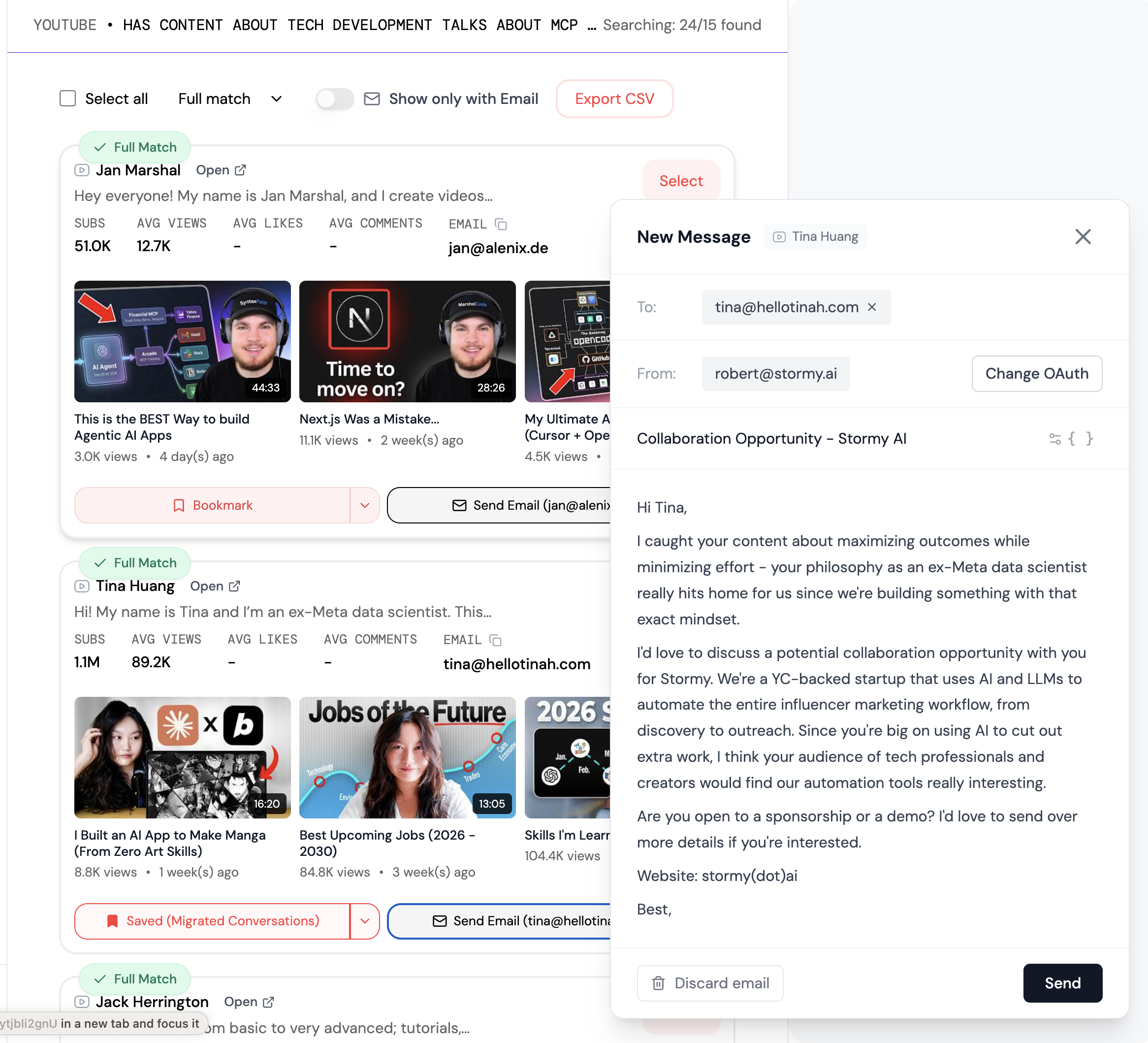
Once your millions of pages are live, you need to ensure they are indexed and ranking. While programmatic SEO handles the "relevance" part of the equation, you still need "authority." Building links at this scale requires a creative approach. One effective strategy is to reach out to niche influencers—such as the massive community of "mommy bloggers" or DIY crafters on social media—and offer them free products or exclusive bundles in exchange for a mention or a review.
Managing this level of outreach manually is a bottleneck. This is where tools like Stormy AI become essential. You can use an AI-powered platform to discover relevant creators in specific niches, analyze their audience quality, and send hyper-personalized emails at scale. By using Stormy AI to manage your creator relationships and outreach, you can secure high-domain-authority (DA) backlinks for the cost of a few product samples. This authority flows through your site's internal linking structure, helping your 100,000+ programmatic pages rank higher in search results.
Measuring Success: Impressions and Indexing Speed
When you launch a programmatic SEO campaign, your primary metrics should shift from simple keyword rankings to organic impressions and indexing speed. In a test environment, this strategy has been shown to increase organic traffic by 10% and organic impressions by 20% in a relatively short period. You should monitor Google Search Console daily to see how quickly your new pages are being crawled and indexed. If indexing is slow, you may need to improve your internal linking or submit sitemaps in batches.
It is also important to consider the economics of your traffic. As your organic presence grows, you can supplement it with paid strategies. Running Facebook Ads or Google Ads to high-converting "bundle" pages can help you build an initial email list of thousands of customers for a very low cost-per-acquisition. This list then becomes a recurring revenue engine as you move customers from a one-time purchase into a subscription model managed via tools like Stripe.
The Future of E-commerce: AI-Powered Marketplaces
The opportunity to build a niche marketplace has never been more accessible. By moving away from manual content creation and embracing a programmatic seo guide, you can compete with established players by simply out-indexing them. Whether you are selling digital SVG files, custom print-on-demand koozies, or specialized tools for elder care, the blueprint remains the same: identify long-tail intent, automate the production of the product and content, and use technology to bypass platform limitations. With a relatively small investment—often as little as $10,000 for development and initial ad spend—you can scale shopify traffic to levels that were previously reserved for companies with thousand-person engineering teams. The era of the lean, AI-driven marketplace is here, and those who master programmatic SEO today will own the search results of tomorrow.