In the high-stakes world of software development, the traditional path often looks like this: spend six months in a basement coding, launch to crickets, and then desperately try to find a market. Gil, a veteran entrepreneur, decided to flip this script entirely. By leveraging programmatic SEO for SaaS and a rigorous validation process, he built Subscriber, an AI scriptwriting tool for YouTube creators, into a $30,000 per month powerhouse before even finishing the codebase. Today, the platform attracts over 30,000 monthly views from Google alone, proving that a well-executed saas marketing strategy can outperform even the most sophisticated engineering when it comes to long-term growth.
Scaling a SaaS isn't just about the product; it is about building a distribution engine that works while you sleep. For Gil, that engine was programmatic SEO (pSEO). This strategy allowed him to capture high-intent traffic in the creator economy marketing space by creating thousands of pages targeting specific niche queries that creators search for daily. Whether you are a solo founder or a marketing lead at a growing startup, understanding how to increase saas traffic through automation is the key to sustainable saas customer acquisition in 2025.
What is Programmatic SEO and Why it Works for Niche Tools
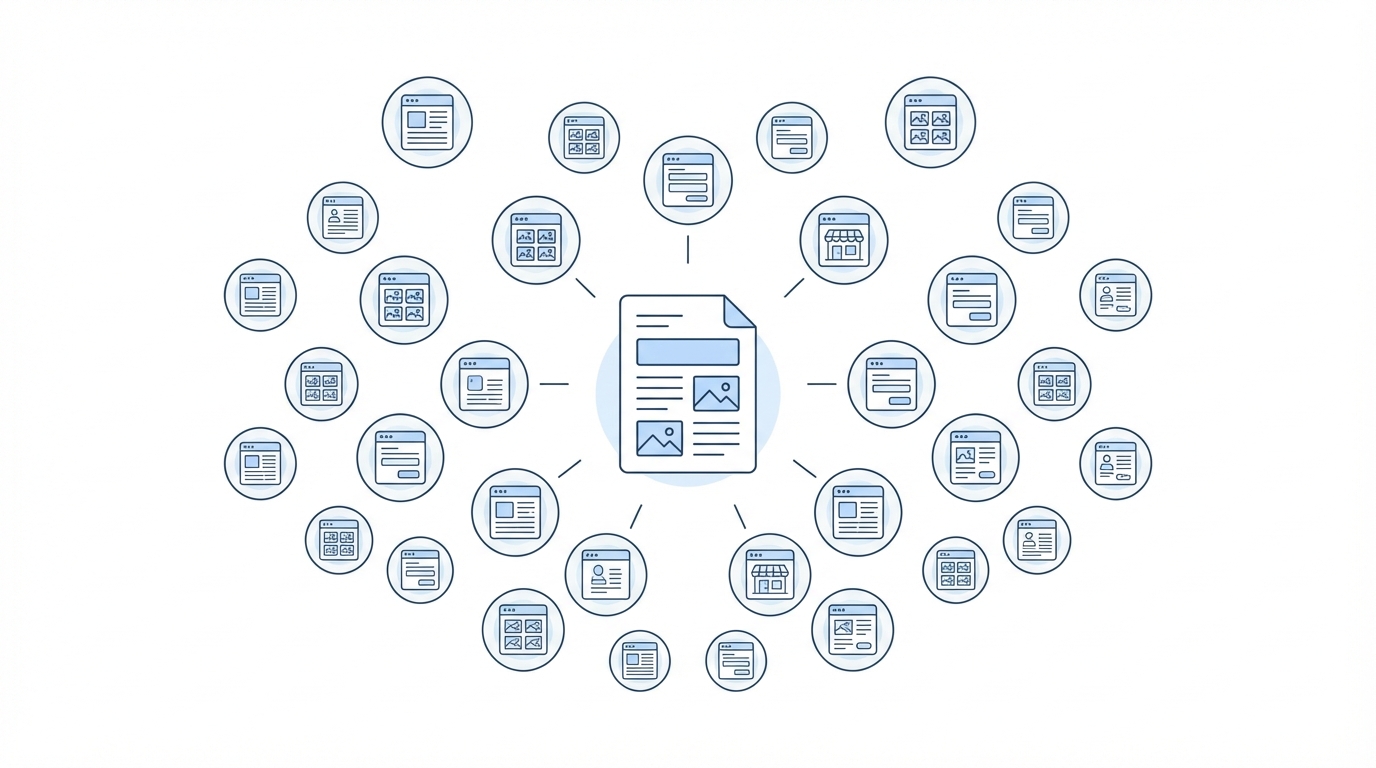
Programmatic SEO is the practice of using data and templates to generate a large number of high-quality, search-engine-optimized pages at scale. Unlike traditional blogging, where you might write one 2,000-word article per week, pSEO allows you to target long-tail keywords by creating landing pages for every possible variation of a user's problem. For a scriptwriting tool like Subscriber, this might mean generating pages for "how to write a script for a true crime YouTube channel" or "AI scriptwriter for tech reviewers."
The beauty of this approach is that it targets users at the peak of their problem. When a creator is searching for a specific script template, they aren't looking for a general marketing blog; they are looking for a tool that solves their immediate bottleneck. By populating a database with these niche concerns and using a framework like Laravel to serve them dynamically, Gil was able to build a traffic moat that brings in tens of thousands of potential customers without a recurring ad spend for every click.
Identifying High-Volume, Low-Competition Keywords in the Creator Economy

The first step in any saas marketing strategy is identifying where the demand lives. In the creator economy marketing landscape, competition for broad terms like "video editing" or "social media tool" is fierce. However, the long-tail opportunities are massive. Gil identified that scriptwriting was the primary bottleneck for faceless YouTube channels—a growing niche where creators manage multiple channels without ever showing their faces.
To find these keywords, savvy marketers often look at the intersection of a platform and a task. Platforms like Stormy AI are incredibly useful here for discovering which types of creators are trending and what content they are struggling to produce. By identifying these gaps, you can build a programmatic SEO for saas campaign that speaks directly to those underserved segments. Tools like Ahrefs or Semrush can help identify these phrases, but you should also use Stormy AI to vet creators and analyze their audience demographics to ensure your content resonates with the right quality of user.
The 4-Step Playbook: Validating Before You Build
Gil’s most impressive feat wasn’t just the SEO traffic; it was generating $20,000 in revenue before the product even existed. This prevents the most common failure in SaaS: building something nobody wants. If you want to replicate this, you need a disciplined playbook for saas customer acquisition.
Step 1: Build an Audience First
You cannot sell in a vacuum. Gil started by opening a brand new X account and following everyone in the YouTube niche. He didn't just broadcast; he delivered free value. By creating small, helpful tools and sharing findings about YouTube's algorithm, he established himself as an authority. People buy because they trust the person or the brand behind the product. This raw, "build in public" approach is significantly more effective than polished, corporate marketing.
Step 2: Establish an Evergreen Email Engine
While social media is great for discovery, your email list is where the actual relationship lives. Gil used viral giveaways to move followers from social platforms into an email database. Once there, he communicated at least once a week, sharing insights and asking for feedback. To manage this at scale, using Stormy AI can help you automate personalized outreach and maintain an AI-powered inbox to handle creator conversations efficiently.
Step 3: Do the Math on Validation
Before launching a pre-sale, you must know your numbers. Gil calculated that he needed approximately $20,000 to fund three months of dedicated development. Based on his price point, this meant he needed 50 buyers. By estimating a conservative conversion rate from his email list, he knew exactly how large his audience needed to be before he could confidently launch. This scientific approach removes the guesswork from saas marketing strategy.
Step 4: Launch an Aggressive Pre-Sale
A pre-sale requires an offer so good people feel foolish saying no. Gil followed principles found in Alex Hormozi’s $100M Offers, offering lifetime licenses at a massive discount for the first 10 buyers, with the price increasing for every subsequent tier. To remove all risk, he offered a total money-back guarantee—customers could ask for a refund at any point during the 60-day build period. This transparency built the necessary trust-based brand to secure those initial sales.
Balancing Paid Acquisition with Organic SEO

While programmatic SEO for saas is the long-term goal for sustainable traffic, it takes time to rank. To bridge the gap, Gil integrated a modest $2,000 monthly ad spend. The key is to use platforms like Google Ads to target the same high-intent keywords while your organic pages are climbing the SERPs (Search Engine Results Pages).
By using Meta Ads Manager, you can also retarget people who visited your pSEO pages but didn't sign up. This creates a multi-touch marketing funnel where SEO provides the low-cost awareness and paid ads provide the conversion push. This balance is critical: relying solely on ads can kill your margins, while relying solely on SEO can slow your initial growth to a crawl. For those focusing on mobile app growth, combining these organic efforts with Apple Search Ads can further accelerate saas customer acquisition by capturing users right at the point of intent.
Building a Trust-Based Brand Through Raw Content
In 2025, consumers are weary of overly polished marketing. Gil’s success shows that raw content outperforms professional ads. By sharing the "behind the scenes" of his coding process and the struggles of building an AI app, he made his customers part of the journey. This is especially effective in the creator economy, where the audience is often made up of other entrepreneurs who appreciate the hustle.
For brands looking to scale, leveraging UGC (user-generated content) is a powerful way to build this trust. Working with creators through Stormy AI can help you find authentic voices who can talk about your tool in a way that feels like a recommendation from a friend. You can then use Stormy AI to track individual videos and monitor engagement to see which creators are driving the highest ROI. This organic-feeling content can then be repurposed for TikTok Ads or Reels, significantly lowering your customer acquisition cost (CAC).
The Lean Tech Stack: How to Build and Host for Scale
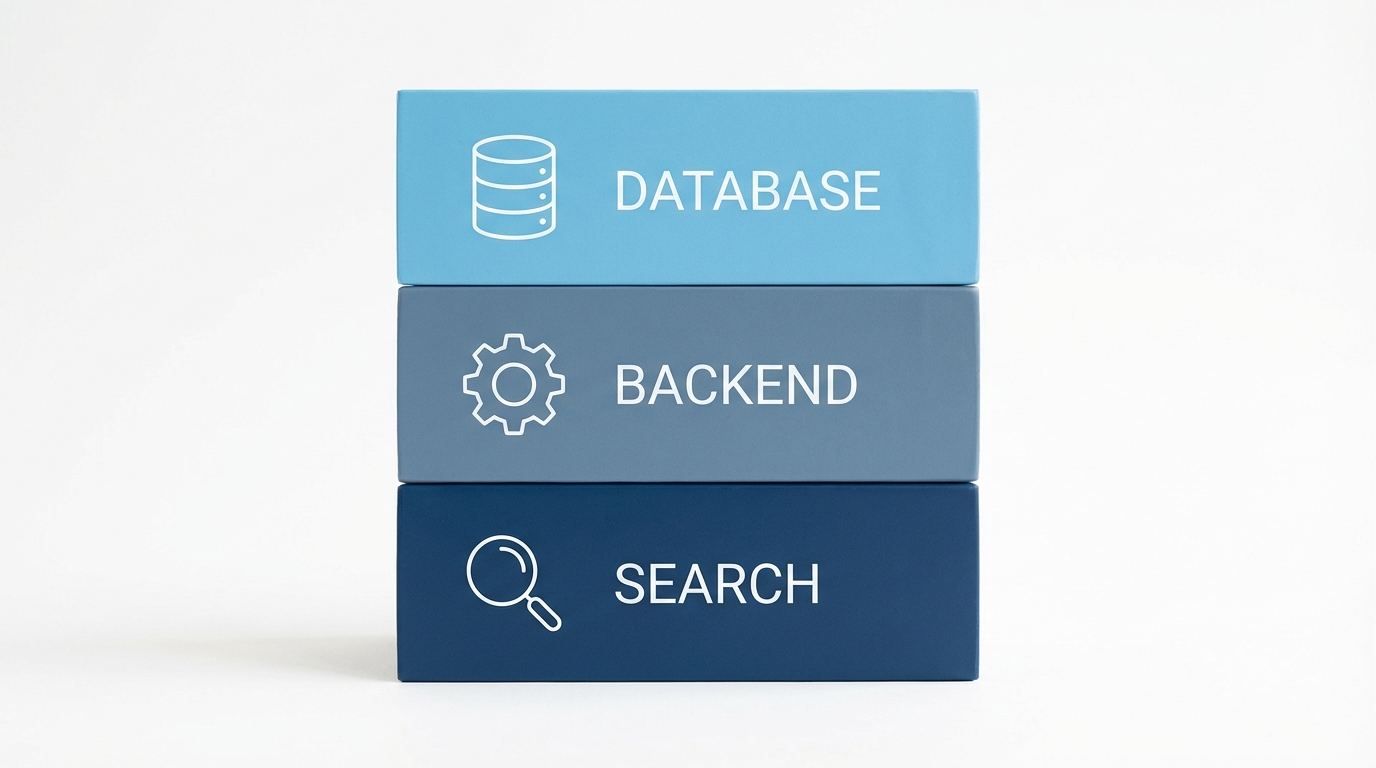
Gil describes himself as someone who "vibecoded" his app, meaning he used AI tools to accelerate the development process. His stack is purposely simple to maintain high profit margins. He uses Laravel, a robust PHP framework, and hosts the entire application on Digital Ocean.
The primary expenses for a modern AI-driven SaaS are compute costs. Gil spends roughly $3,500 per month on AI model providers. By keeping other costs low—spending only about $1,500 on web scraping, hosting, and email services—he ensures that the business remains highly profitable. For a bootstrapper, profit is the primary metric. Unlike VC-backed companies that prioritize growth at all costs, a bootstrapped founder must ensure that every new user adds to the bottom line.
Conclusion: Your Playbook to Increase SaaS Traffic
Scaling a SaaS from zero to $30k a month requires a shift in mindset. You must stop thinking like a builder and start thinking like a distributor. By implementing programmatic SEO for SaaS, you can create a sustainable source of traffic that compounds over time. When you combine this with a validation-first approach—pre-selling your idea and building an audience on trust—you virtually eliminate the risk of failure.
If you are ready to increase saas traffic and scale your saas customer acquisition, start by identifying the "painkillers" in your niche. Use Stormy AI to find the creators who are already looking for solutions, and don't be afraid to sell the vision before the code is perfect. As Gil’s story at Starter Story proves, the market doesn't care about how long you spent building; it cares about how well you solve their problems.