In 2026, the traditional SEO playbook is dead. The shift from keyword-stuffing to Generative Engine Optimization (GEO) has fundamentally changed how brands capture search intent. As organic search traffic becomes increasingly filtered through AI-native interfaces like SearchGPT and Claude, the need for a programmatic SEO engine that can adapt in real-time is no longer a luxury—it is a survival requirement. Anthropic's Claude Code has emerged as the premier "Senior Engineer" agent, reaching a staggering $2.5 billion in Annual Recurring Revenue (ARR) by February 2026. This guide explores how growth marketers are leveraging this agentic power to build "Action AI" pipelines that automate content distribution and search dominance.
The Rise of Agentic SEO: Why Claude Code Wins in 2026
The transition from "autocomplete" plugins to autonomous agentic systems is complete. While legacy tools focused on helping developers write code faster, Claude Code has positioned itself as the Methodical Architect. According to recent market data, 41% of all production code in 2025 was AI-generated, and Anthropic now serves over 300,000 business customers. This scale is driven by Claude's ability to handle complex, multi-file refactors that traditional IDE extensions struggle to manage.
| Feature | Claude Code | Cursor | GitHub Copilot |
|---|---|---|---|
| Interface | Terminal/CLI Native | Full IDE (Visual) | Plugin/Extension |
| Logic Depth | Highest | High | Moderate |
| Context Handling | MCP Standardized | VS Code Library | GitHub Native |
| Best For | Complex Architecture | Daily "Inline" Coding | Standardization |
For marketing teams, the value isn't just in the code itself, but in Action AI pipelines. These pipelines use Claude Code to scrape competitor data, monitor brand sentiment across LLMs, and inject dynamic content into landing pages. By democratizing high-level engineering, platforms like Stormy AI and other GTM platforms allow non-technical teams to build robust SEO engines without waiting on a dev sprint.
"Senior developers have shifted from writing code to orchestrating intent, using Claude Code to maintain systems for days at a time with minimal intervention."
Claude Code MCP Servers: The SEO Brain
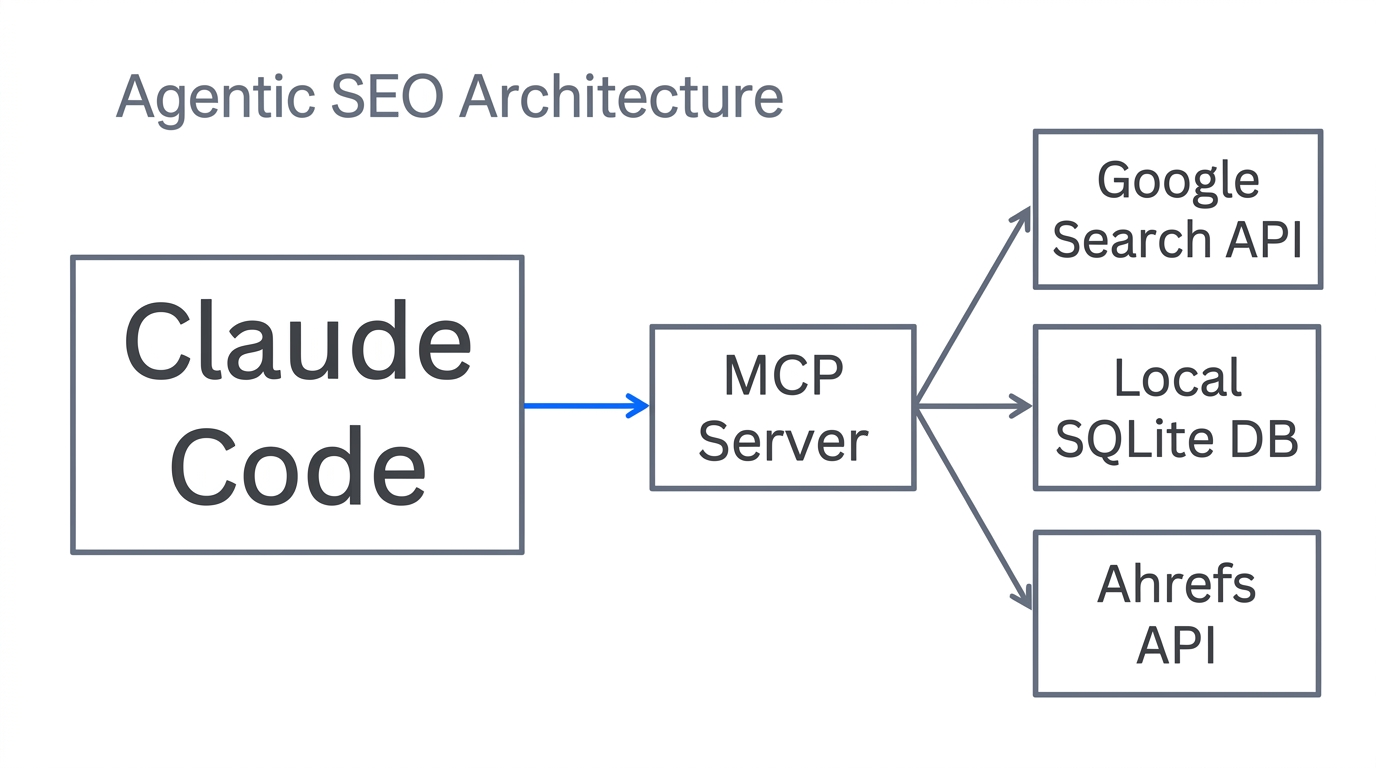
The secret weapon of 2026 is the Model Context Protocol (MCP). This standardization allows Claude Code to "read" your entire business context—connecting to external data sources like Ahrefs, SEMrush, and internal databases. Without real-time data, an AI agent is just guessing. By utilizing Claude Code MCP servers, you can feed live search volume and keyword difficulty directly into your content engine.
With an MCP connection to a tool like Ahrefs, your Claude agent can identify keyword gaps in your niche, cross-reference them with your existing content library, and automatically generate a new series of landing pages. This isn't just "content generation"—it's context-aware scaling that ensures every new page serves a specific, data-backed purpose.
The Step-by-Step Playbook: Building Your GEO Engine
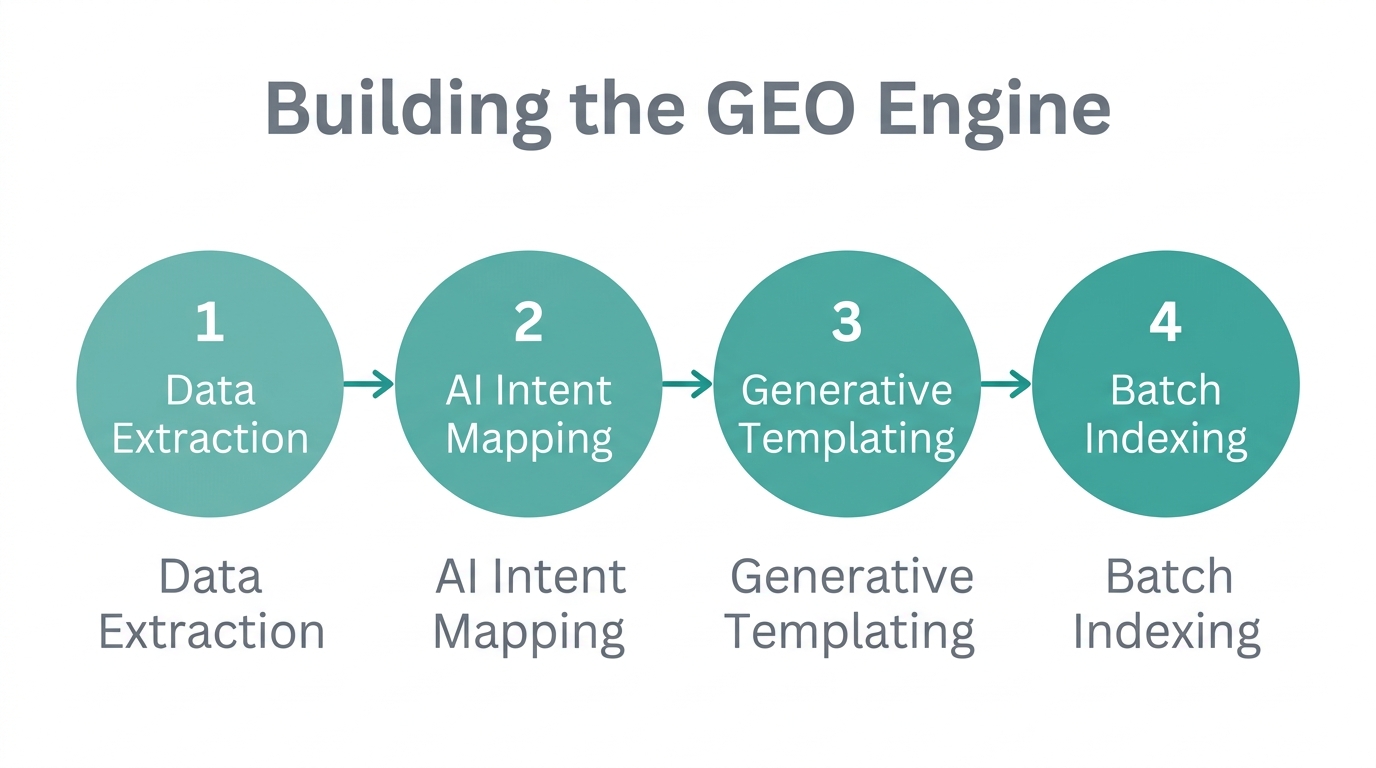
Generative Engine Optimization (GEO) is the practice of ensuring your brand is cited and recommended by LLMs like Claude, Gemini, and ChatGPT. To build an engine that automates this, follow this three-step playbook:
Step 1: Context Seeding with CLAUDE.md
To keep your agent on track, you must create a CLAUDE.md file in your project's root directory. This file acts as a "living Constitution" for your SEO engine. Include rules like "Always use Tailwind CSS for landing pages," "Ensure all images have SEO-optimized alt tags," and "Reference our core brand pillars in every meta description." This prevents context drift, which research from GEO academic papers identifies as a primary cause of AI hallucinations in long sessions.
Step 2: Automating Website Schema Updates
To maintain "preferred source" status in AI search results, your website schema must be impeccable. Use Claude Code to build a script that monitors your latest case studies and blog posts, then automatically updates the JSON-LD schema across your site. This ensures that when an LLM crawls your site, it understands your expertise, authoritativeness, and trust (E-E-A-T) levels instantly, following Google's Search Quality guidelines.
Step 3: Deploying AI-Powered Personalized Landing Pages
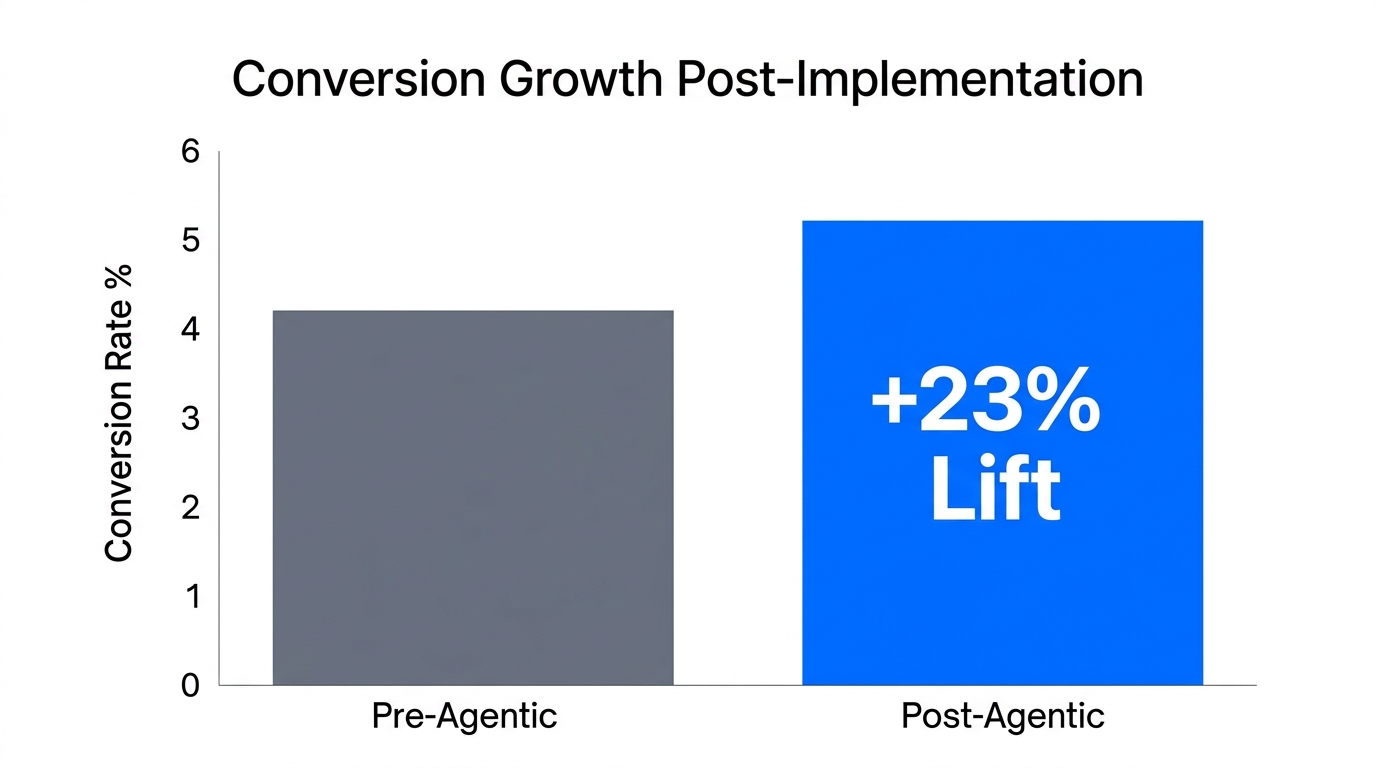
The ultimate goal of programmatic SEO in 2026 is hyper-personalization. Brands using Claude Code to build real-time, dynamic landing pages have seen an average 23% lift in conversion rates and a 45% reduction in CAC. By leveraging the agentic engine, you can create a unique page for every search query, tailored specifically to the user's intent and demographic data, often integrated with tools like Shopify or Stormy AI for creator-led commerce.
"Claude Code is 427x faster than humans at specific technical tasks, allowing brands to deploy projects in two weeks that used to take eight months."
Navigating the '200K Token Trap' and Cost Efficiency
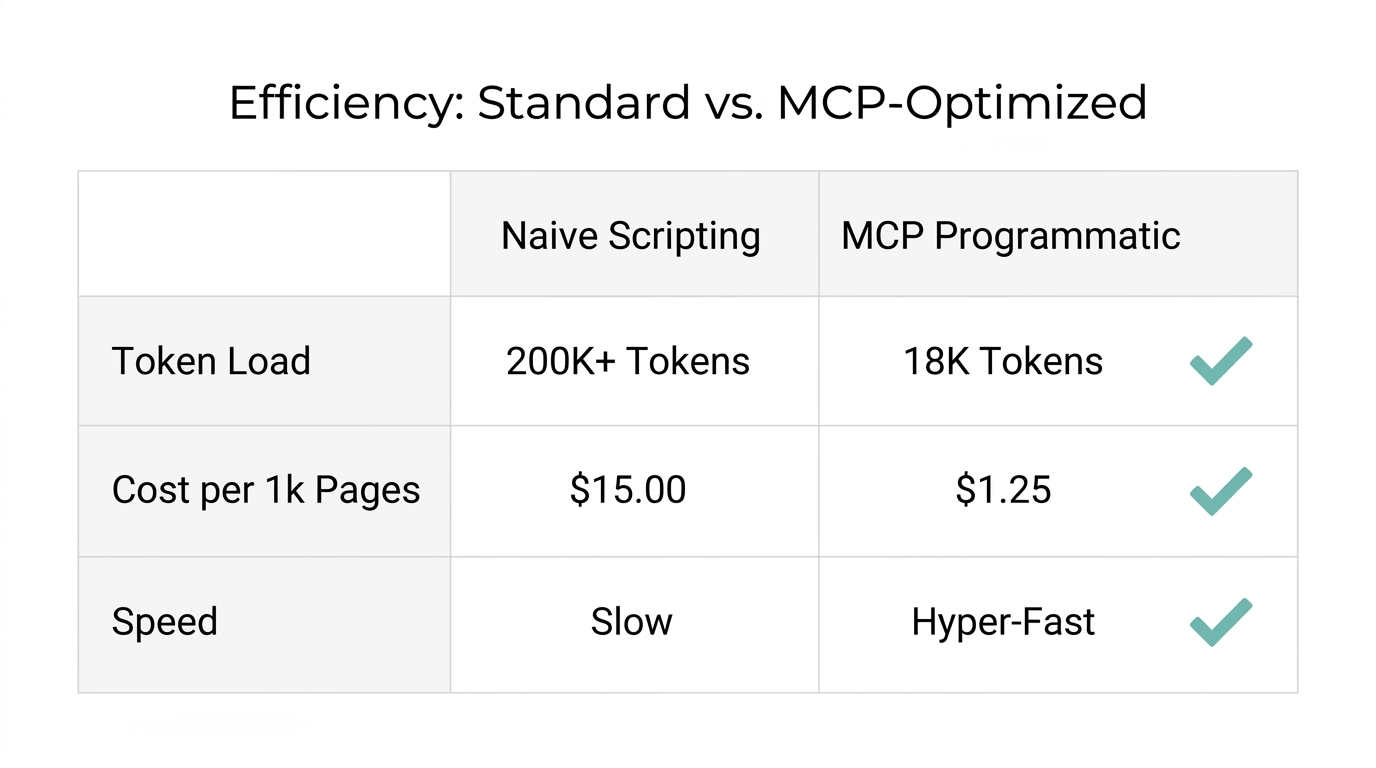
As you scale your programmatic SEO efforts, managing costs becomes critical. Under the Sonnet 4.6 pricing model, marketing teams often hit the "200K Token Trap." If your context window exceeds 200,000 tokens, the cost of your entire request doubles from $3 to $6 per million tokens according to the Anthropic pricing schedule.
| Usage Level | Token Limit | Pricing Tier | Best For |
|---|---|---|---|
| Standard | < 200K Tokens | $3/M Tokens | Small-scale updates |
| Heavy | > 200K Tokens | $6/M Tokens | Large architectural shifts |
| Enterprise | 4,000 RPM | Tier 4 Credit | Full-scale Agent Teams |
To avoid this, use Sonnet 4.6 context caching and split your tasks into smaller sub-agents. For high-volume professional use, switching to an enterprise plan or utilizing automation through Zapier or Make.com can save teams up to 90% compared to direct API billing. This is especially important for "vibe coding" workflows where high-frequency requests can quickly deplete a standard budget.
The Trust Gap: Security in AI-Generated SEO
While the speed of Claude Code is undeniable, security remains a significant hurdle. In early 2026, several vulnerabilities (such as CVE-2026-25723) highlighted that AI agents could sometimes bypass file-write restrictions if not properly monitored. Furthermore, a March 2026 report found that AI coding agents produced security issues in 87% of Pull Requests when no specific security guidance was provided.
For brands, this means your SEO engine needs a review layer. Use the "Agent Team" workflow: have one agent (the Architect) plan the SEO update, a second (the Coder) execute it using `claude commit`, and a third (the Reviewer) scan for vulnerabilities before a human gives the final approval, a process often documented in Notion or Jira.
Conclusion: The Future of AI Growth Automation
Building a programmatic SEO engine with Claude Code in 2026 is no longer about just "ranking." It is about creating a dynamic content ecosystem that responds to the generative search landscape. By integrating MCP servers for real-time data, automating schema for GEO, and carefully managing token costs, growth teams can achieve scale that was previously impossible. When you combine this technical automation with a creator discovery tool like Stormy AI, you create a powerful flywheel: AI-driven SEO discovery fueled by high-quality, human-centric UGC content.
The paradigm has shifted from coding speed to orchestrating intent. Those who master the Claude Code environment today will be the ones who define the search landscape of tomorrow. Are you ready to deploy your first "Action AI" pipeline?