In 2026, the ecommerce landscape has reached a point of total content saturation. Traditional manual production of user-generated content (UGC), once the gold standard for authenticity, is now too slow and too expensive to keep up with the hyper-fragmented attention of modern consumers. Enter Programmatic Creative—the hybrid model of 2026 that uses artificial intelligence to scale the look, feel, and trust of traditional customer content. By shifting from bespoke shoots to automated systems, brands are now achieving what was once impossible: thousands of ad variations delivered at 10% of the cost.
The Shift to Programmatic Creative: Why 90% of Content is Now AI-Generated
The transition from experimental AI to operational necessity is complete. According to the latest market data, the AI-enabled ecommerce market is valued at $8.65 billion this year and is on an aggressive trajectory to reach $22.60 billion by 2032. For growth marketers, this isn't just a trend; it's a survival mechanism. Statistics show that by the end of 2026, up to 90% of online content could be AI-generated.
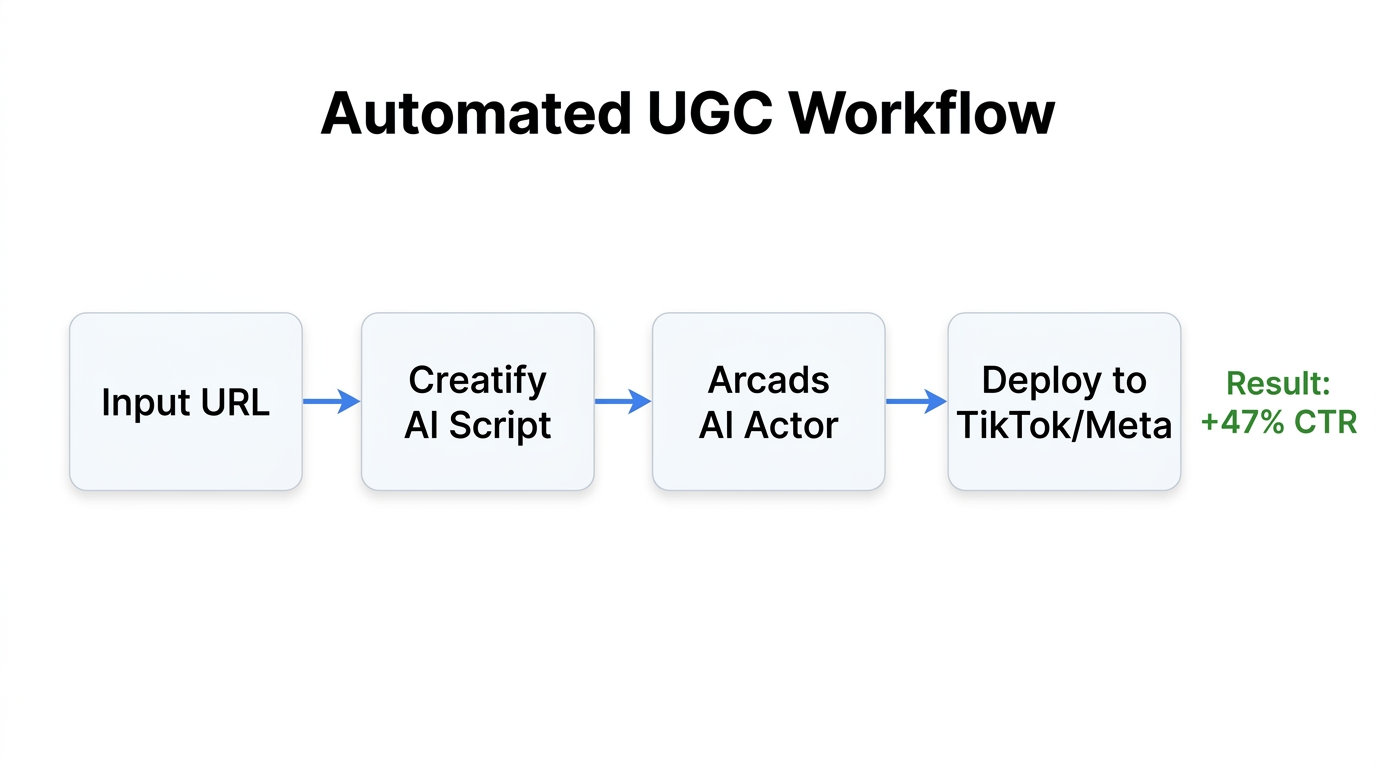
The primary driver for this shift is performance. While organic UGC has always converted well on platforms like TikTok and Instagram, scaling it manually required an army of creators and months of logistics. In 2026, AI-generated ad creatives have demonstrated a 47% increase in Click-Through Rate (CTR) compared to static, non-personalized assets. The ability to iterate at the speed of the algorithm is what separates the winners from the bankrupt brands in today's digital economy.
"The move to programmatic creative is not about replacing humans; it is about replacing the bottleneck of human logistics with the speed of AI logic."
Implementing the 70/20/10 Content Split: Balancing AI and Authenticity
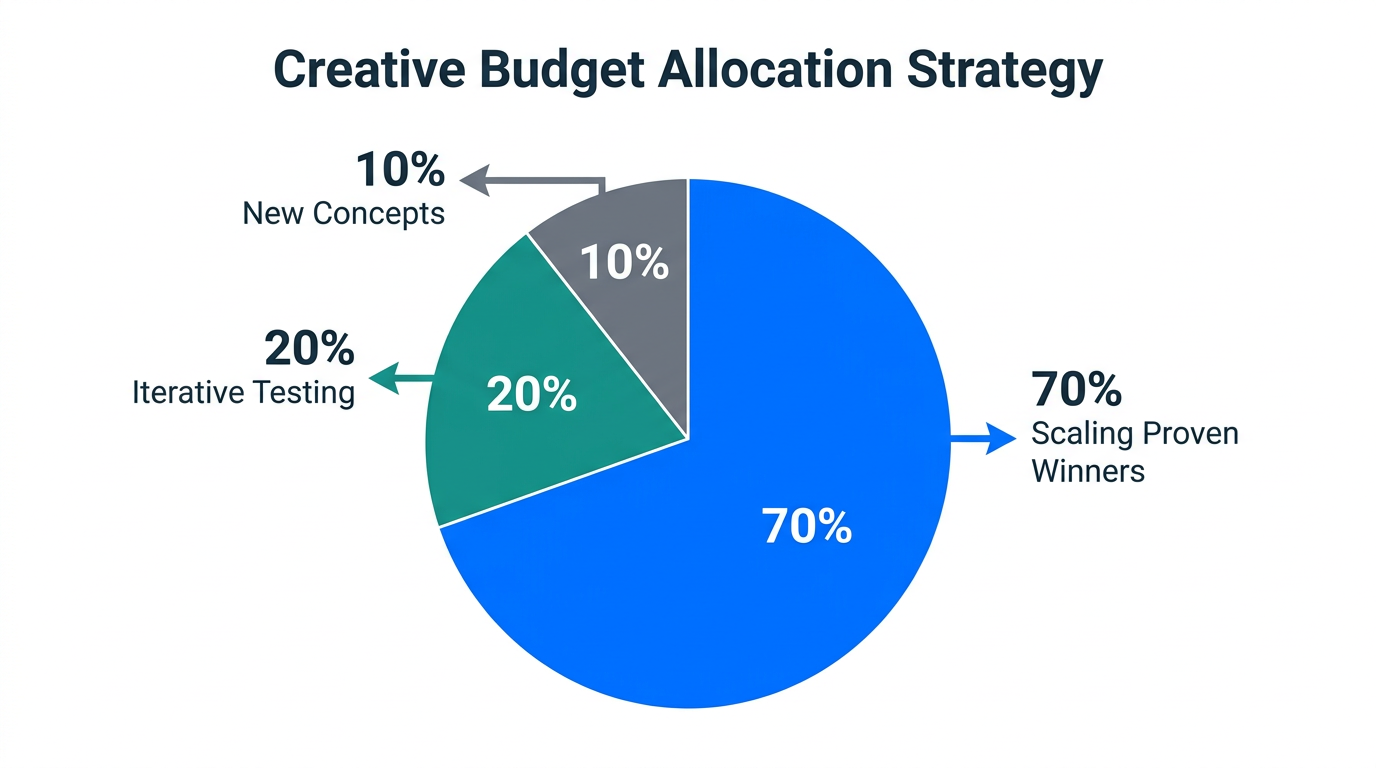
As we navigate 2026, expert strategy suggests that full automation is a trap. Despite the power of generative tools like Creatify and Arcads, 79% of consumers still state that authenticity (or the appearance of it) highly impacts their purchasing decisions. To combat this, leading brands have adopted the 70/20/10 content split. This framework ensures volume without sacrificing the deep trust that only human-centric assets can provide.
- 70% AI-UGC for Testing: The bulk of your creative output should be high-volume, AI-generated variations. Use these to test different hooks, backgrounds, and scripts across your Shopify store and social channels.
- 20% Traditional Human UGC: These are your anchor assets. These videos feature real customers or influencers and provide the deep social proof required for high-ticket items. Utilizing Stormy AI helps teams find and vet the perfect creators for these high-impact slots without the manual search grind.
- 10% High-Production Branding: Your hero assets that define your brand identity, often polished in tools like Canva or CapCut to ensure professional visual standards.