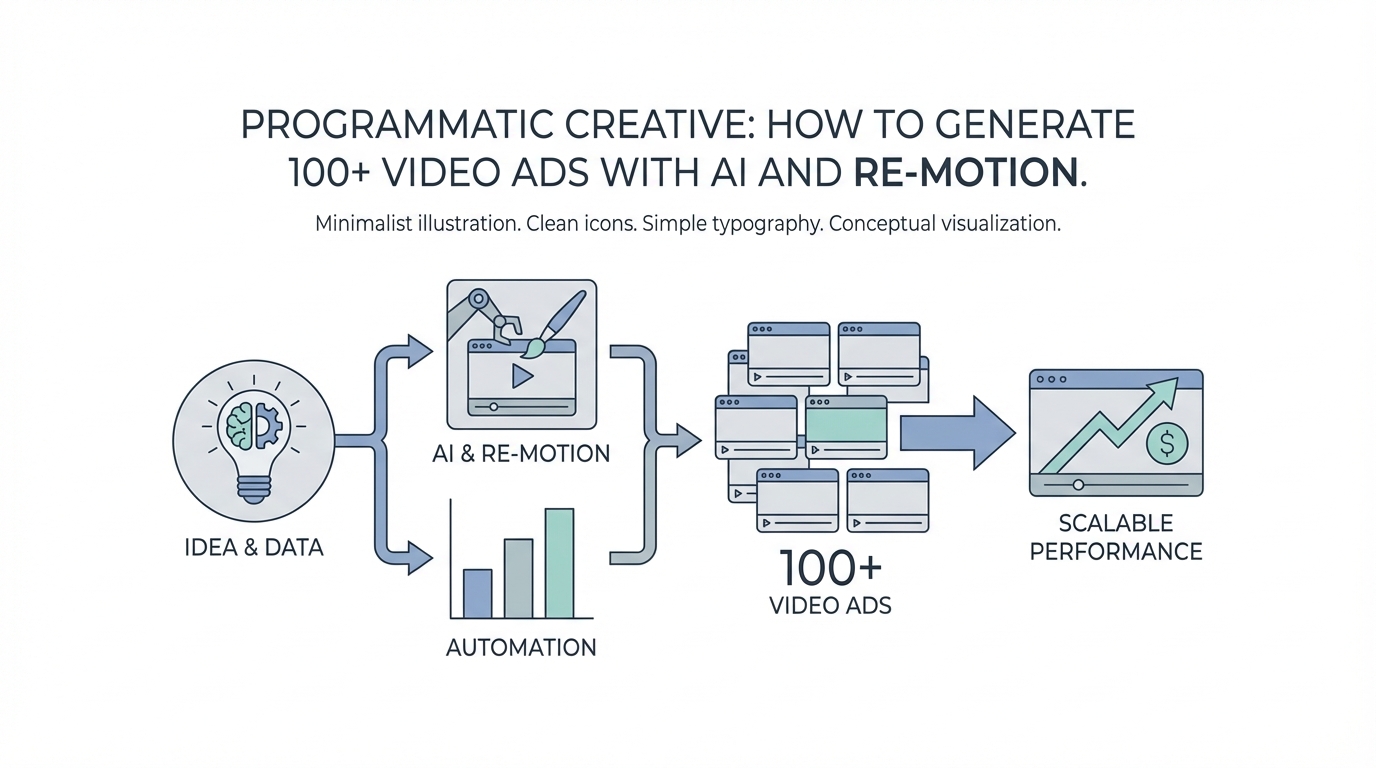
The era of the "boutique" ad creative is ending. For years, performance marketers were held hostage by long production cycles: you’d wait weeks for a single video, spend thousands on a designer, and then watch as the Facebook algorithm fatigued that asset in forty-eight hours. Today, the game has shifted toward programmatic creative—a method of generating, testing, and iterating on hundreds of assets simultaneously using code and artificial intelligence. By leveraging tools like Claude Code and Re-motion, brands are now building entire marketing systems in a single sitting, turning what used to be a months-long agency project into a high-speed afternoon of "vibe marketing."
The Shift from Boutique to Programmatic Creative Testing
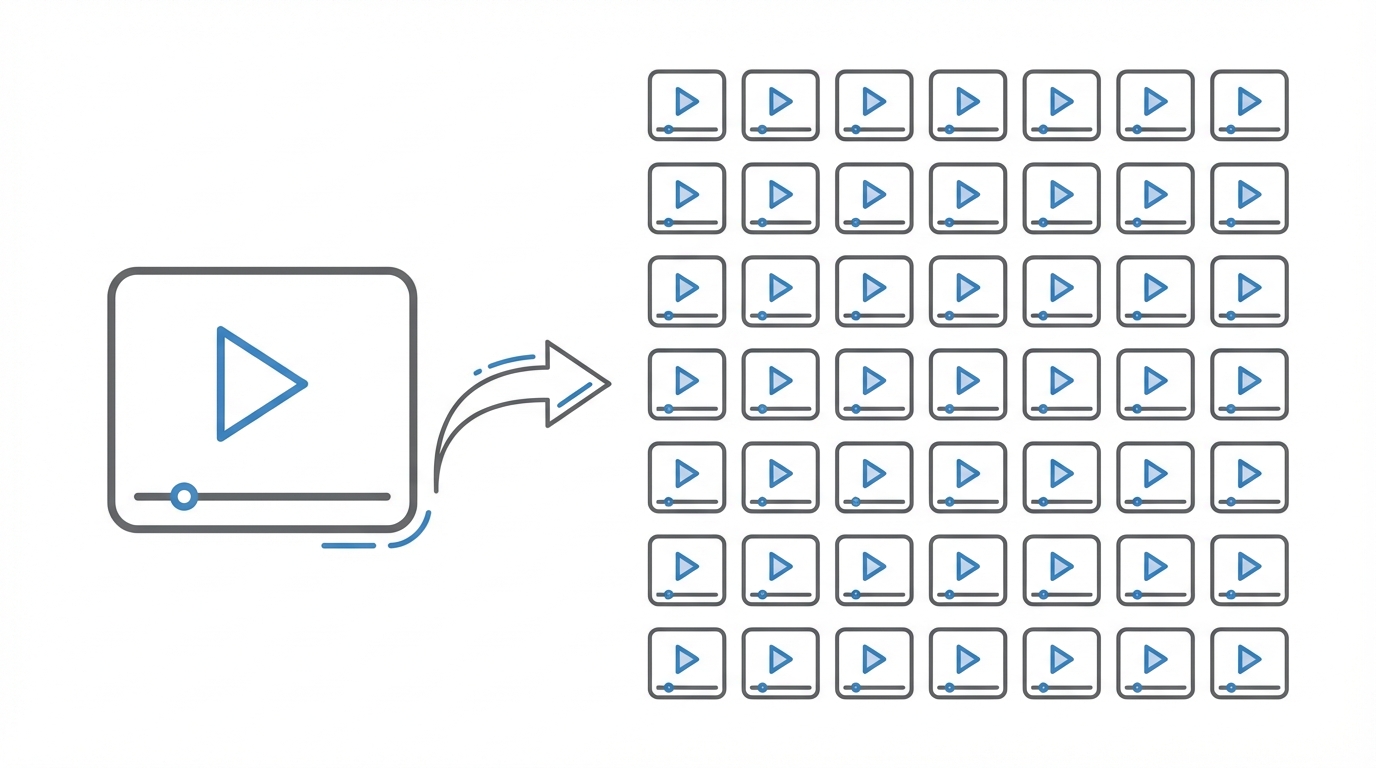
In traditional marketing, you build a "hero" asset and pray it works. In programmatic creative, you build a system that generates assets. This shift is driven by the reality of modern social platforms. Whether you are running automated social media ads on Meta or TikTok For Business, the platform’s AI needs volume to find the right audience. If you only give the algorithm one video, you are limiting its ability to optimize.
Programmatic creative allows you to swap hooks, calls-to-action, background colors, and even specific brand assets programmatically. This isn't just about "making more ads"; it's about finding the winning angle through statistical significance rather than creative intuition. By using AI ad generation, marketers can move from 1-2 assets per week to 100+ assets in a few hours, allowing for hyper-granular testing across different customer personas.
The "Vibe Marketing" Stack: Claude Code and MCPs
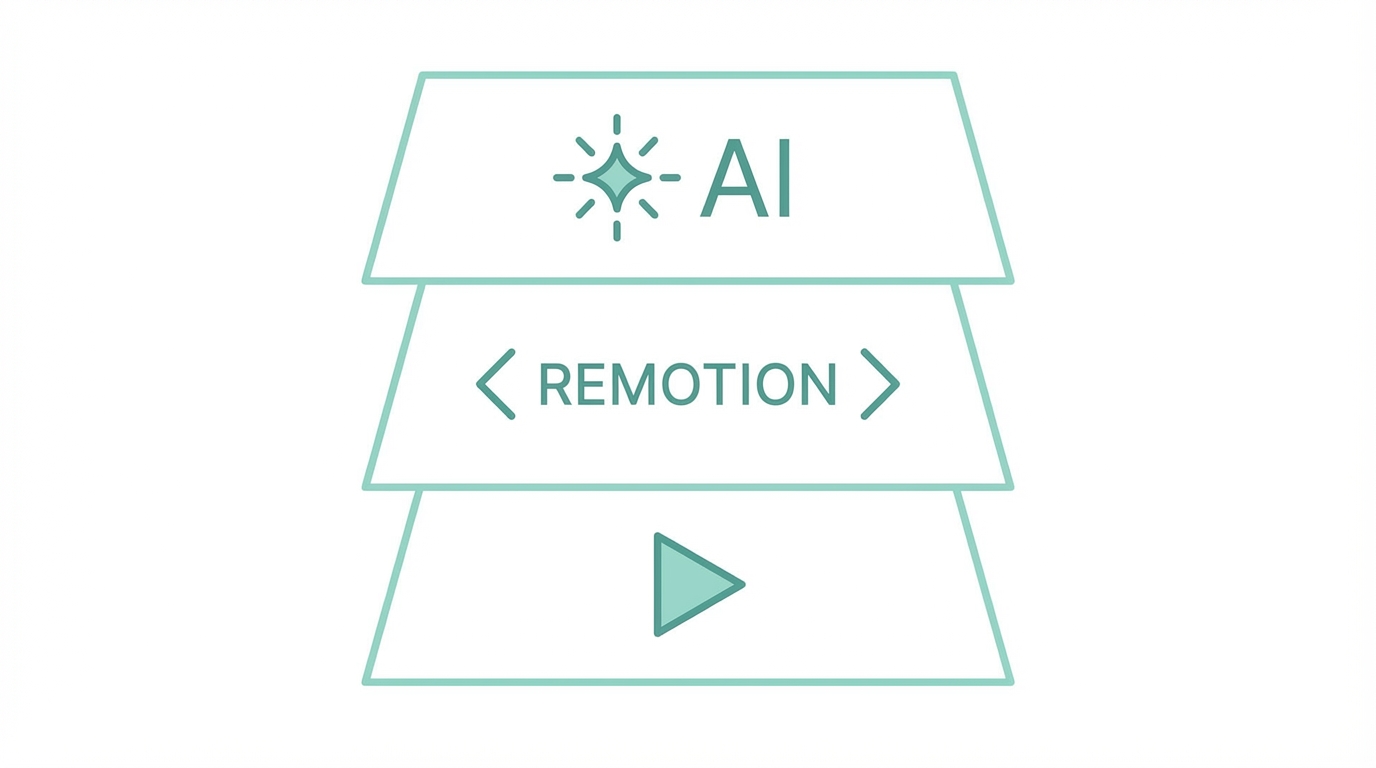
To execute this at scale, professional marketers are moving away from browser-based chat interfaces and into the terminal. Using Claude Code, an agentic tool from Anthropic, allows you to interact directly with your file system and external data sources via MCPs (Model Context Protocol). This setup creates a seamless workflow where research, copywriting, and video production live in the same environment.
Phase 1: Deep Market Research with Perplexity
Most AI video ads fail because they skip the research phase. Using the Perplexity MCP within your terminal, you can crawl the web to find competitive gaps. For example, if you are targeting "boring" local businesses like HVAC or plumbing, you can instruct the agent to find exactly what the "anti-agency" angle looks like. By analyzing current market saturation, you can develop a unique mechanism—a concept popularized by Eugene Schwartz—such as "speed of response," that resonates deeper than generic marketing fluff.
Phase 2: The Role of "Skills" in AI Ad Generation
A "skill" in this context is essentially a highly-trained instruction manual or system prompt for your AI agent. Instead of a basic prompt, a skill is codified with world-class direct response principles. When you invoke a direct response copy skill, the AI doesn't just write text; it follows a framework that includes transformation-based headlines, emotional framing, and specific founder story sections. This ensures that even though the ads are generated at scale, they maintain the high-conversion quality of a senior copywriter.
Re-motion AI Tutorial: Coding Your Video Ads
The biggest breakthrough in automated social media ads is the ability to edit video through code rather than manual software like Premiere Pro. Re-motion is a framework that allows you to create videos using React. When paired with Claude Code, you can literally "vibe" your way to a video ad.
Step 1: Setting Up the Environment
You first need to install Re-motion in your project repository. Because Re-motion uses code to define video frames, you can feed it your brand-specific assets—custom fonts, HEX codes, and PNGs—and have it render those elements dynamically. If you have a product image, you can use tools like Canva or AI background removers to clean the asset before dropping it into your terminal folder.
Step 2: Generating Multi-Format Assets
One of the most painful parts of manual editing is resizing. With programmatic video, a single command can output your creative in Landscape (16:9), Square (1:1), and Stories (9:16). You simply define the layout logic once, and the AI agent generates every version. This is critical for omnichannel campaigns where you need 100+ variations to cover Google Ads, Instagram, and TikTok simultaneously.
Step 3: Iterative Vibe Coding
Once the initial video script is coded, you can "ping-pong" with the AI. If the transition is too slow or the font doesn't pop, you tell the agent to "make the hook more aggressive" or "change the background to our brand blue." The agent updates the CSS and React components in real-time. This iterative loop allows you to generate 100+ video ads that look like they were custom-designed, but were actually rendered via code.
Adapting DTC Frameworks for B2B and Local Services
Many B2B and local service businesses believe high-velocity creative is only for e-commerce. This is a mistake. The same frameworks used by top Direct-to-Consumer (DTC) brands—such as the "Problem/Solution" hook or the "Us vs. Them" comparison—are incredibly effective for service providers.
For instance, an HVAC company can use programmatic creative to target specific neighborhoods with localized copy. By using a keyword research skill to identify local search trends, you can generate 20 different landing pages and 20 corresponding video ads, each highlighting a specific pain point like "emergency 24/7 repair" or "energy-efficient upgrades." Tools like Stormy AI can be particularly helpful here for brands looking to source UGC (User-Generated Content) creators who can provide the raw video footage that your programmatic system then edits and scales.
Building the Complete Funnel in One Sitting
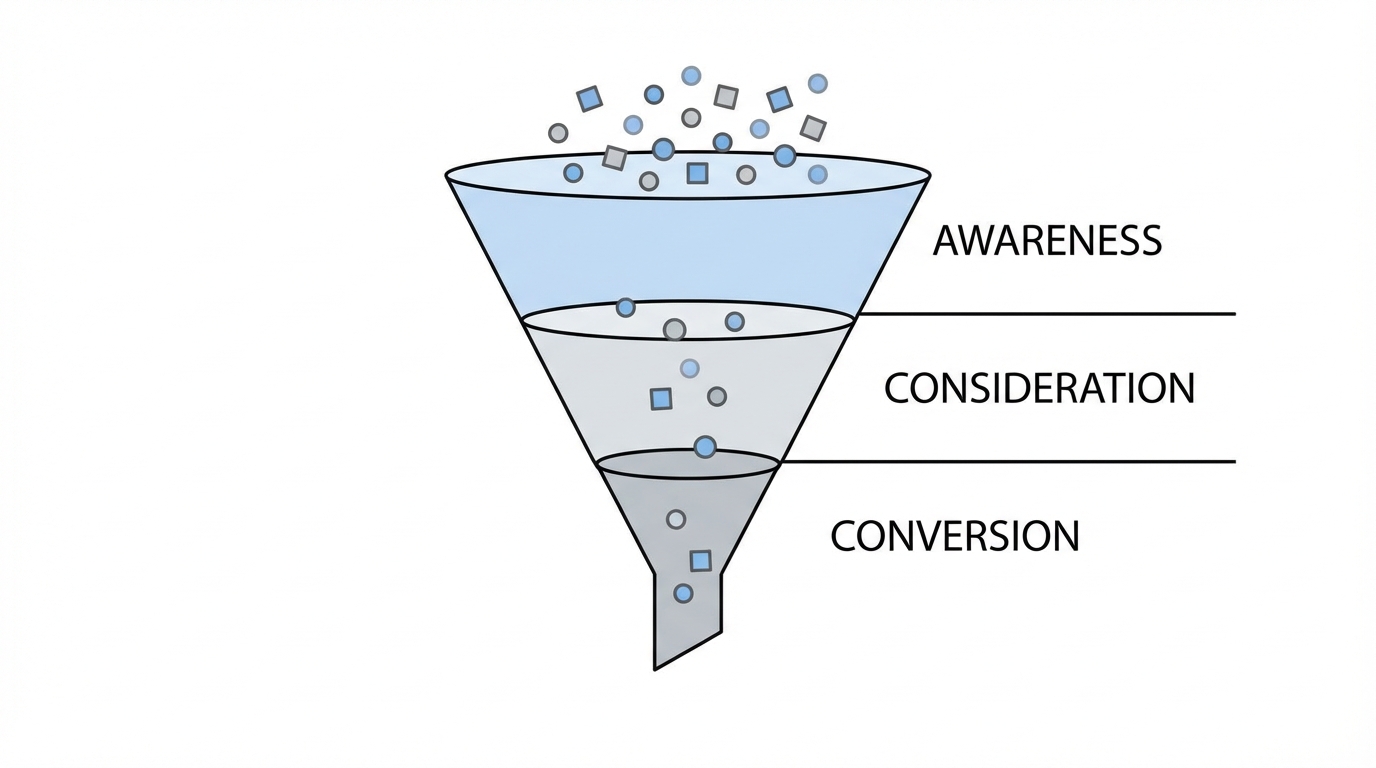
The power of vibe marketing is that it doesn't stop at the ad. Once your programmatic creative is generating traffic, you need a high-converting destination. Using the front-end design skill, you can instruct your AI agent to build a landing page that matches the specific "vibe" and copy of your ads.
By using the Playwright MCP, the agent can even take screenshots of competitor websites (like large-scale digital agencies) to perform a competitive audit, ensuring your landing page avoids the "AI slop" look and instead adopts a clean, anti-corporate aesthetic. Integrating a lead magnet, such as a "Revenue Leak Calculator" built as a React modal, increases the perceived value of the page and drives higher conversion rates than a simple "Contact Us" form.
Scaling with Automated Outreach and Management
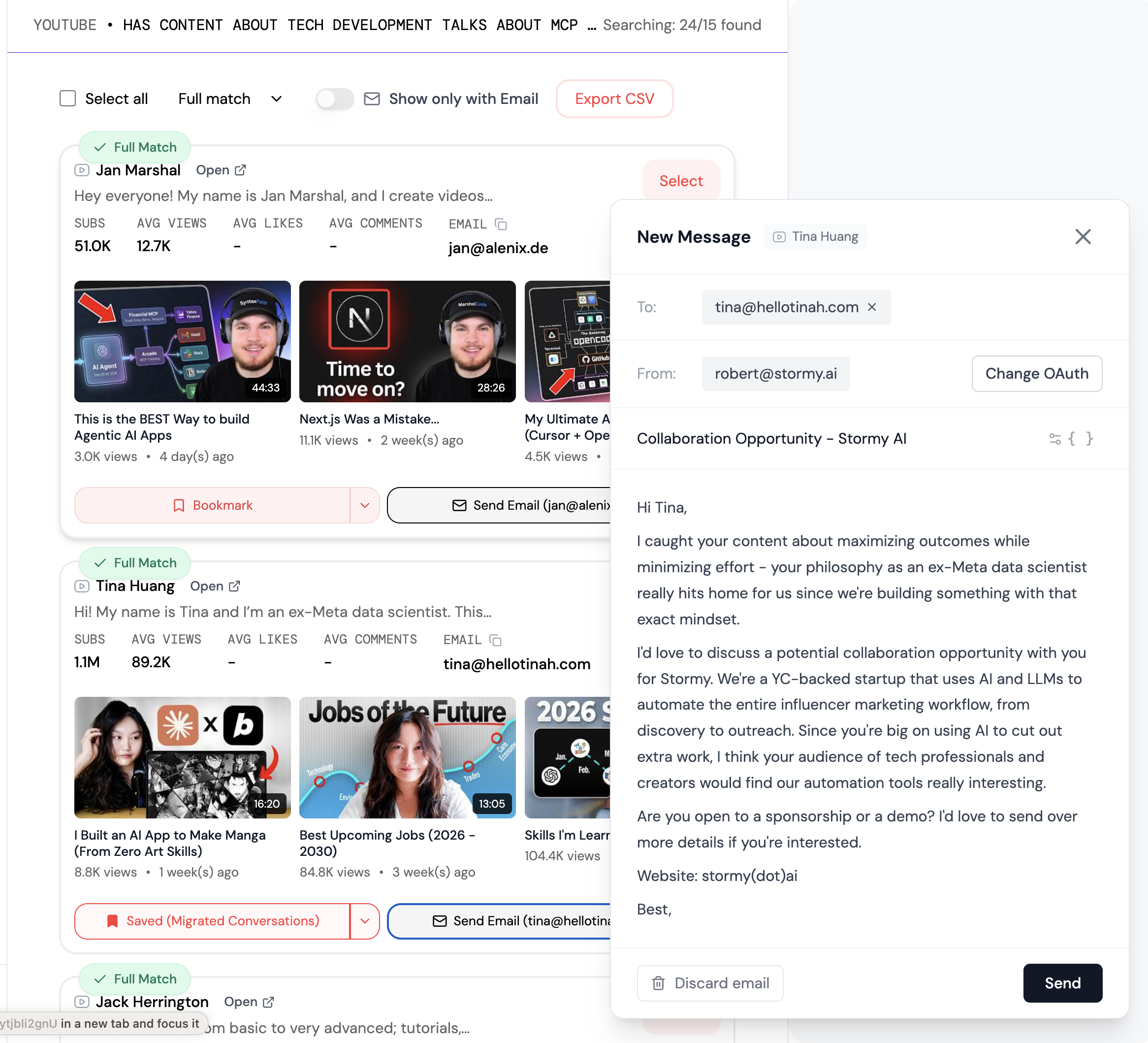
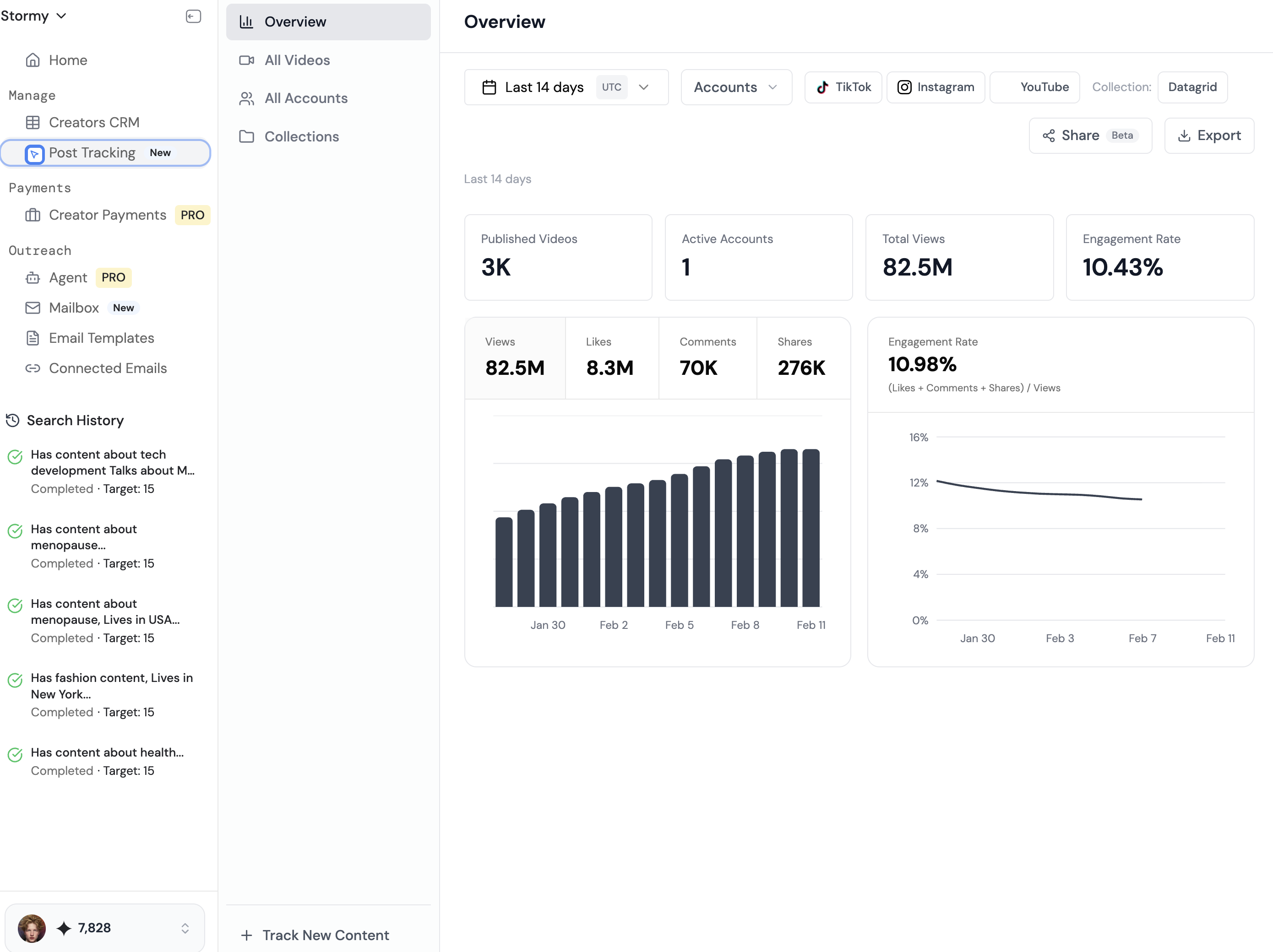
As you scale your programmatic creative, you will likely need a steady stream of raw assets—authentic testimonials, unboxing videos, or lifestyle shots. This is where managing creator relationships becomes the bottleneck. Using a platform like Stormy AI allows you to discover the right influencers and UGC creators who can provide the high-quality raw footage your programmatic engine needs.
Stormy’s AI-personalized outreach can handle the initial contact and follow-ups, ensuring your "asset library" is always full. Once the creators send back their raw clips, you feed them into your Re-motion workflow to generate hundreds of variations. This combination of AI-powered discovery and programmatic production creates a closed-loop marketing system that operates with minimal human intervention.
Conclusion: Becoming a Testing Machine
The goal of programmatic creative isn't just to save money—it’s to increase your probability of success. By moving away from boutique production and into a high-velocity AI workflow, you remove the ego from marketing. You stop guessing which hook will work and start letting the data tell you.
To get started, focus on mastering one tool: Claude Code. Learn how to set up MCPs for research and Re-motion for video. Once you can generate 100+ video ads in a single afternoon, you’ll find that the hardest part of marketing isn't the creative—it's having enough budget to keep up with your own success. Start building your system today, and turn your marketing into a high-speed engine of growth.