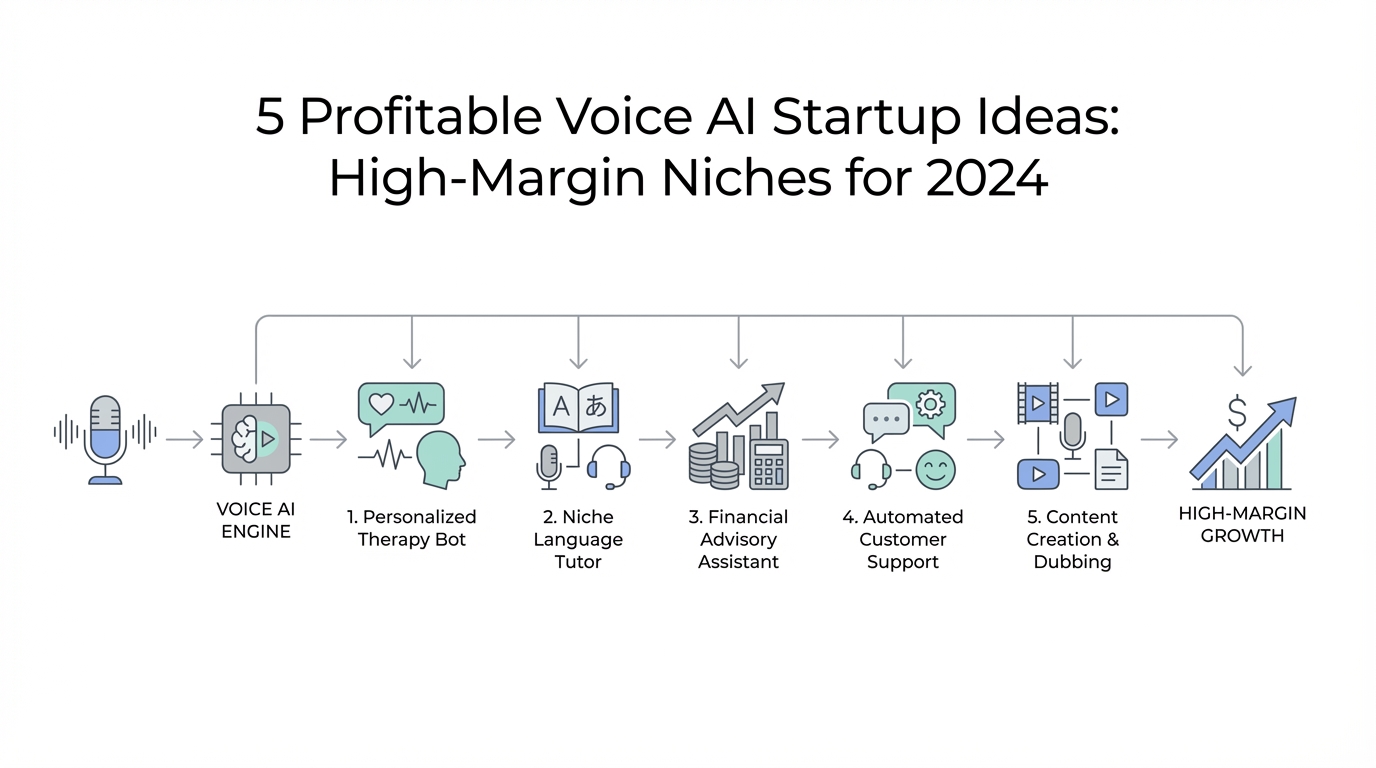
We have reached a tipping point where voice AI agents are no longer just the robotic, clunky "press one for sales" systems that everyone hates. Today, thanks to massive leaps in Large Language Models (LLMs) and low-latency audio processing, voice agents sound indistinguishable from human beings. For entrepreneurs, this represents one of the most significant ai business opportunities 2024 has to offer: the ability to build a high-margin, automated answering service business for industries that still rely on the telephone. We are moving toward a world of "digital employees" that can listen, understand intent, reason through complex requests, and take direct action in business software like CRMs and payment processors.
The Rise of Digital Employees: Why Now?

A voice AI agent is essentially a software system capable of having natural, real-time phone conversations. Unlike traditional IVR systems, these agents possess four superpowers: they listen to human speech, think and reason about the intent using an AI brain, speak back using hyper-realistic text-to-speech, and act by performing tasks in external software. The reason these voice ai startup ideas are suddenly viable is the "stack" has finally matured. You can now combine Deepgram for lightning-fast speech-to-text, OpenAI for the reasoning engine, and Eleven Labs for human-like vocal delivery.
While human staff are often better at high-complexity emotional nuance, they don't work 24/7, they require management, and they are expensive to scale. An automated agent can handle 1,000 calls simultaneously for a fraction of the cost. For businesses with tight margins, like home services or local clinics, this isn't just a luxury—it is a competitive necessity. By focusing on narrow, high-value niches, you can build a profitable ai micro-saas that solves specific vertical problems that general tools miss.
1. AI Property Management: Automating Maintenance Dispatch
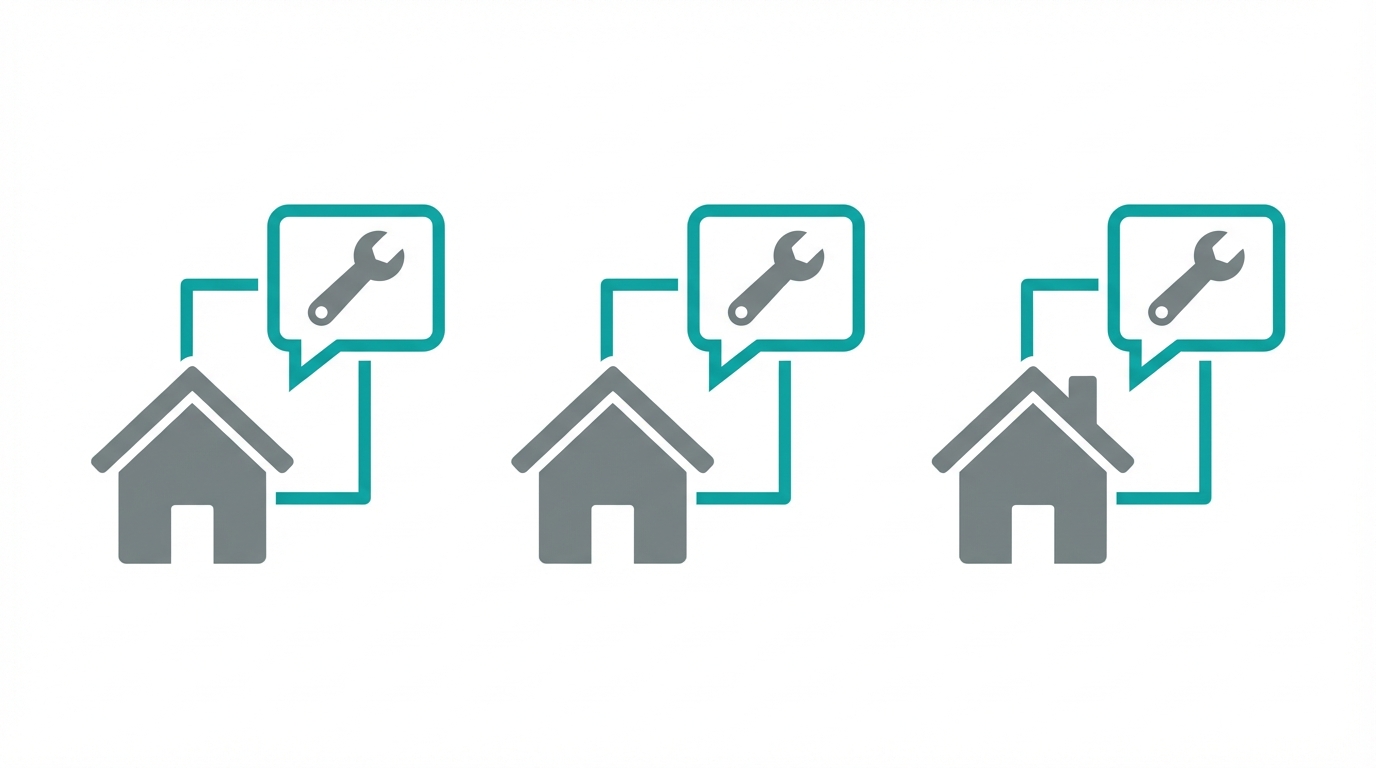
Property management is a high-volume, high-stress industry where phone calls never stop, especially after hours. An ai property management software solution that handles the "maintenance line" can save property managers dozens of hours a week. According to data from the National Association of Realtors, maintenance coordination remains one of the top overhead costs for firms. Imagine a tenant calling because their toilet is overflowing. The AI agent doesn't just record a message; it transcribes the call in real-time, classifies the issue as "Urgent," and immediately triggers a workflow.
Using APIs to connect with industry-standard platforms like Appfolio or Buildium, the agent can create a high-priority ticket, dispatch a request to the preferred plumbing vendor, and send an SMS to the tenant with an ETA. If the issue is non-urgent—like a squeaky door—the agent can log the ticket and text the tenant a list of troubleshooting steps or a link to schedule a repair for later. This level of automation allows you to charge $500 to $1,500 per month per property management company, making it a highly scalable business model.
2. Healthcare Intake: The HIPAA-Compliant Dental Assistant

Dental offices and medical clinics are often overwhelmed by appointment bookings and insurance verifications. Research published in BMC Health Services Research highlights that missed appointments cost the healthcare industry billions annually. A specialized voice AI agent can act as a 24/7 front-desk assistant. When a patient calls to book a cleaning, the agent can verify if they are a new or existing patient by querying records in Dentrix or other dental practice management software.
For new patients, the agent can collect insurance provider details and member IDs, then offer the top three available time slots by checking the live calendar. Once a slot is selected, it books the appointment, adds a time buffer for the office staff, and sends a confirmation link via Twilio. Because healthcare is highly regulated, building a HIPAA-compliant wrapper around these agents creates a significant defensive moat against generic competitors. This is one of the most profitable ai micro-saas opportunities because dentists have high customer lifetime value and are willing to pay for tools that prevent missed appointments.
3. The 'Sneaky' School Wedge: AI Absence Lines
K-12 schools deal with a repetitive, manual task every morning: the absence line. Parents call in to report that their child is sick, and office staff must manually listen to voicemails and update attendance records. An AI school absence line can automate this entire process. A parent calls, states the student's name, grade, and reason for absence. The AI validates the student's identity against the school database and appends a row to the attendance record.
The real power of this idea is the integration. By compiling a daily 8 a.m. report and syncing it directly with PowerSchool, you eliminate human error and free up office staff for more critical tasks. While schools can be difficult to sell to, this specific utility serves as a "wedge" product. You can offer this simple, high-value tool to get into the system, then expand into other administrative AI functions once trust is established. It is a classic example of using a specific problem to solve a larger automated answering service business need.
4. Trade Contractor Services: HVAC, Plumbing, and Electrical

Trade contractors—HVAC technicians, plumbers, and electricians—lose thousands of dollars every time they miss a call while they are out in the field. According to reports from Forbes, missed calls are one of the primary drivers of lost revenue for small service businesses. A voice AI agent designed for trades can do more than take a message; it can close the lead. When a customer calls with a leaking water heater, the agent can perform an urgency check, gather the address, and even send an SMS link for the customer to upload photos of the issue.
The agent can then query the technician's Google Calendar, offer the earliest available window, and—most importantly—collect a deposit via Stripe to secure the booking. This 24/7 availability ensures that the contractor never loses a lead to a competitor simply because they were under a sink when the phone rang. To market these services, savvy founders can use tools like Stormy AI to discover and collaborate with local influencers or trade-focused creators who can demonstrate the efficiency of these AI agents to their professional networks.
5. Niche Empathy: AI Funeral Home Intake
While it may seem unconventional, the funeral industry is another niche where voice AI can provide immense value if handled with care. A funeral home intake line requires a specific tone—empathetic, slow-paced, and soft. An AI agent built using Vapi can be configured with specific prompts to ensure it remains compassionate while collecting essential information from grieving families. Statistics from the National Funeral Directors Association suggest that families are increasingly looking for digital-first options when beginning the planning process.
The agent can gather preliminary details like the location of the deceased and contact preferences, notify the on-call director with a structured summary, and provide the family with a digital checklist of what to expect next. This "hybrid" approach, where the AI handles the initial data gathering and the human director takes over for the emotional support, ensures that the business remains efficient without losing its humanity. This is a prime example of why vertical focus is key; a general-purpose AI bot would fail here, but a purpose-built automated answering service business for funeral homes can thrive.
Building Your Tech Stack: How to Execute
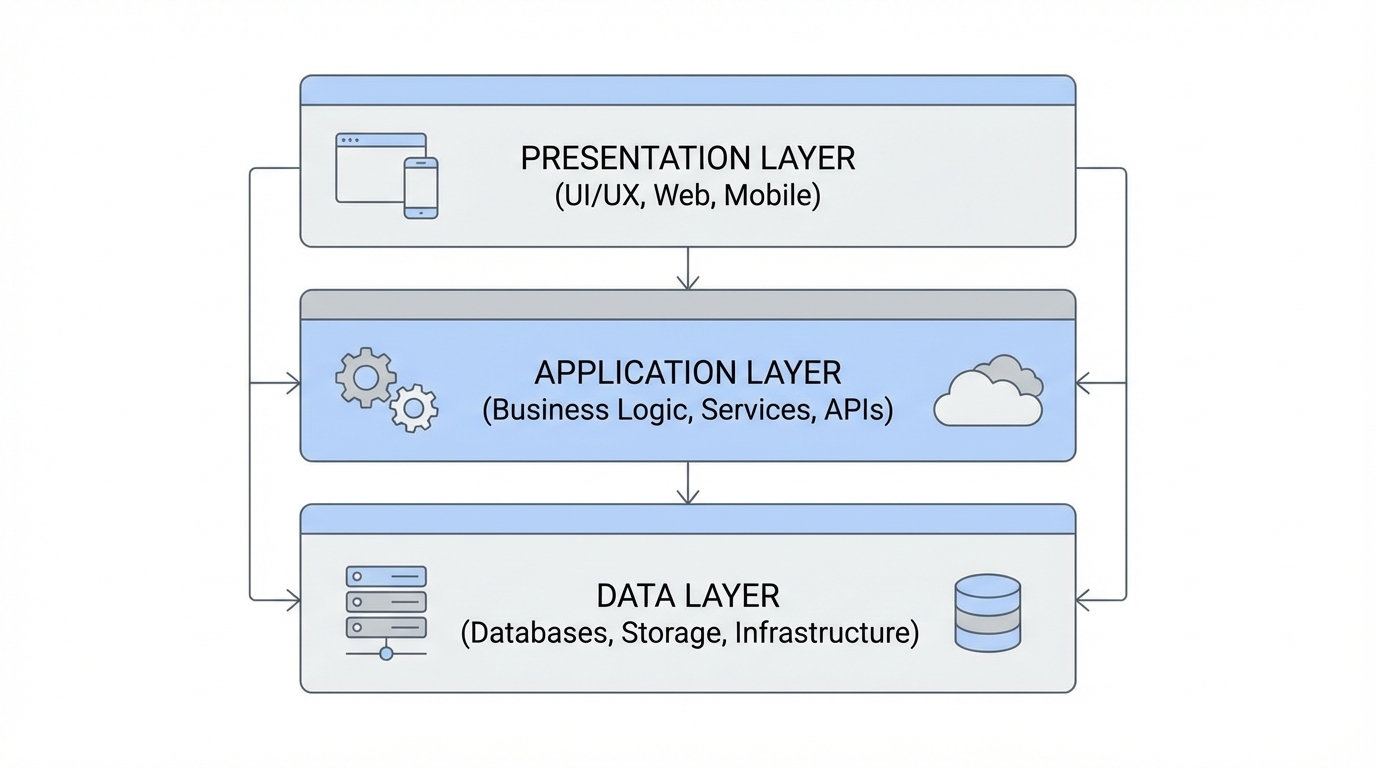
If you are looking to start one of these businesses, your execution strategy depends on your technical ability. For those who don't code, platforms like Synthflow offer visual builders that allow for a 30-minute setup. If you want a more premium, natural conversation experience that handles interruptions well, Retell AI is a strong choice. For the more technical entrepreneur, using Vapi in combination with custom LLM prompts offers the most flexibility and the lowest cost-per-call, often under $0.50 per interaction.
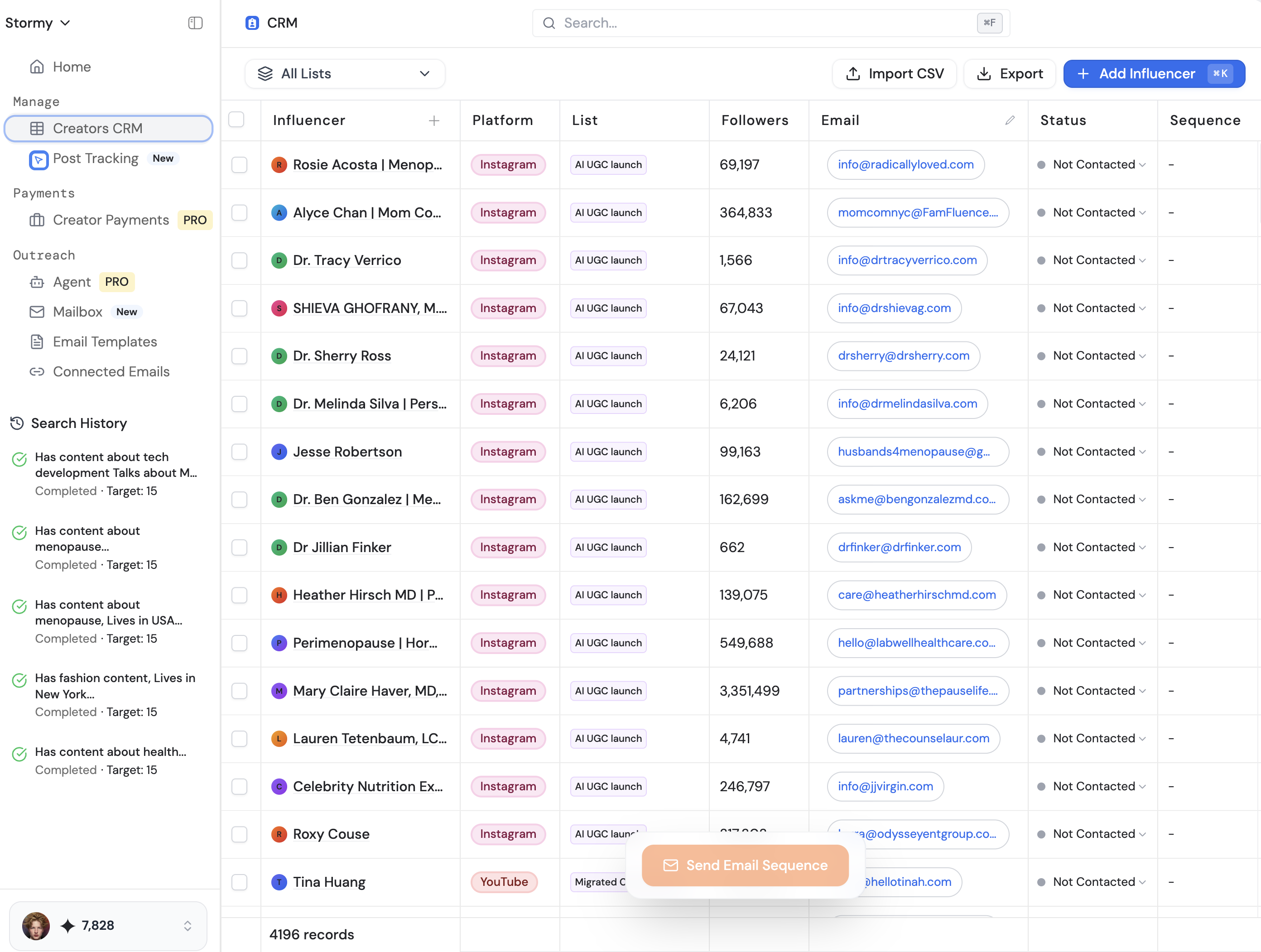
Once the technical foundation is built, the focus shifts to management and outreach. Managing these creator-led marketing campaigns or business relationships is easier with a dedicated CRM. For example, if you are sourcing UGC creators to promote your new AI dental assistant, using the Creator CRM features in Stormy AI allows you to track every interaction and negotiation in one place. This ensures that as your voice ai startup ideas grow into full-scale businesses, your marketing and operations remain streamlined.
Conclusion: The Niche Advantage
The key to winning in the voice AI space in 2024 is to avoid being a "generalist." Don't build an AI answering service for "everyone." Instead, build the best AI absence line for schools in Florida, or the most efficient HVAC dispatcher for contractors using specific software. By going deep into a vertical, you can solve the specific integration headaches that general tools ignore. Whether it is ai property management software or a dental intake bot, the opportunity lies in the intersection of high-quality voice synthesis and deep business logic. The technology is ready; the only question is which niche you will claim first.