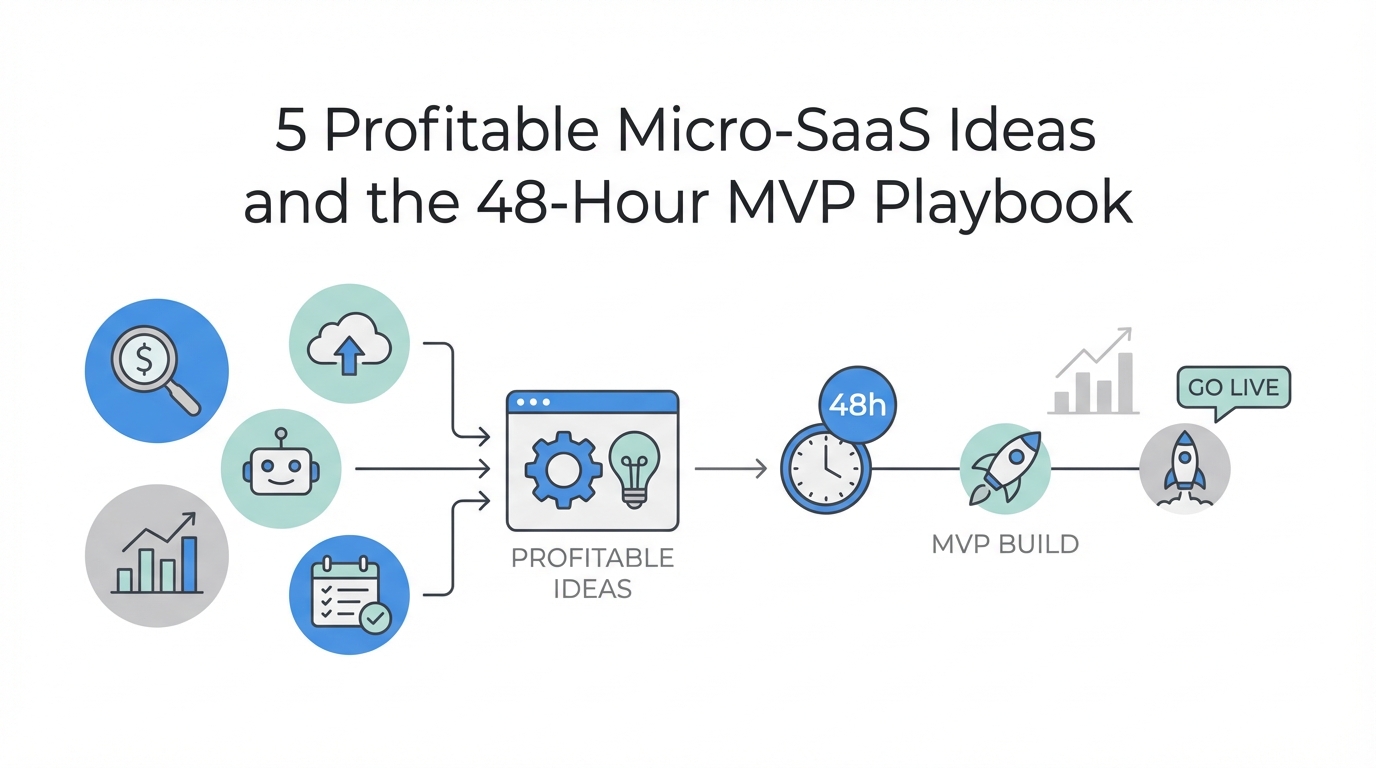
In the world of software, the mantra has long been “go big or go home.” Founders were expected to build the next Salesforce or Oracle, raising millions in venture capital and sacrificing profitability for scale. But a new movement is quietly disrupting this narrative. The micro saas business model is allowing solo founders and tiny teams to build highly profitable, niche software products with 80-90% margins and zero outside funding. These businesses aren't trying to dominate the world; they are trying to solve one specific, acute pain point for a very specific group of people. Whether you are looking for a side hustle to supplement your income or a lifestyle business that generates $50,000 in monthly profit, the era of the “feature-of-a-feature” startup has arrived.
Understanding the Micro SaaS Business Model

The core difference between a traditional SaaS and a micro-SaaS is focus. While a platform like Salesforce targets almost every business on the planet, a micro-SaaS picks a tiny corner of the market. This niche approach allows for a high-polish, high-innovation product that serves an audience better than a generic, broad tool ever could. The benefits are clear: low overhead, total equity ownership, and the ability to run the business in just a few hours a week once the systems are in place.
Take the example of Bank Statement Converter. This is a business that does one thing: it converts PDF bank statements into clean Excel files. It sounds simple—boring, even—but it currently generates $40,000 in monthly recurring revenue (MRR) for a solo founder. Similarly, Cleanvoice helps podcasters remove filler words and mouth sounds automatically, generating over $20k in MRR. These aren't complex ecosystems; they are specific fixes for manual workflows that people find painful. By targeting profitable saas niches that are too small for venture-backed giants to care about, you can build a moat through specialized utility.
The 48-Hour MVP Playbook: From Idea to Launch
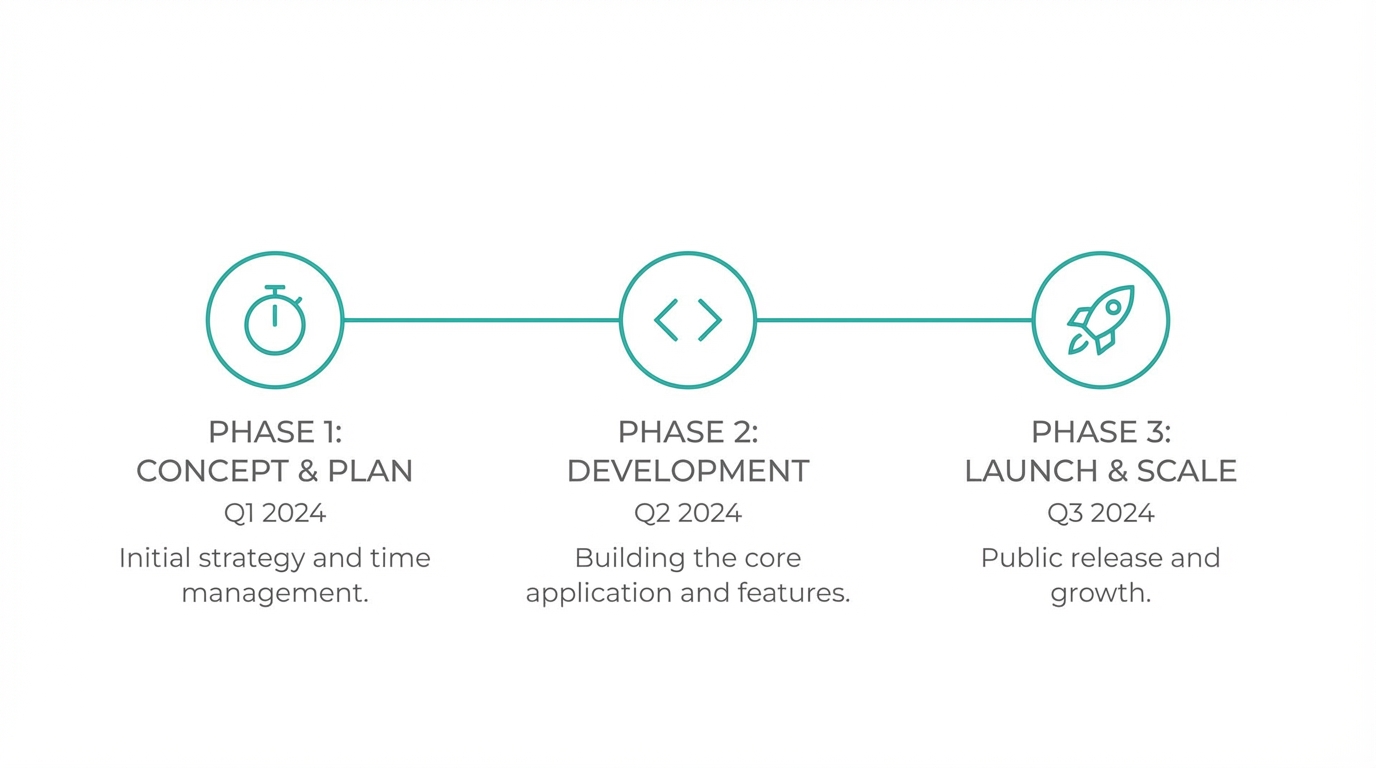
The most common mistake founders make is over-engineering their first version. To succeed in the micro-SaaS space, you need to adopt a minimum viable product for saas mindset. The goal is to build and ship in a single weekend. This isn't about cutting corners on quality; it's about “vibe coding” and using modern AI tools to accelerate development.
Step 1: Find the Itch
Don't start with a solution; start with a problem. Solve your own problem if possible, as you will understand the nuances of the workflow most intimately. If you aren't sure where to start, platforms like Idea Browser provide daily inspiration for ai saas ideas that address market gaps. Validate the idea with a single tweet or post in a relevant community. If people ask for a link before you've even written a line of code, you have a winner.
Step 2: Constrain Development
Limit your build time to 48 hours. Use vibe coding—leveraging AI-first editors like Cursor to generate boilerplate code and handle complex logic. Build on the “shoulders of giants” by using a robust tech stack like Next.js for the frontend, Supabase for the backend and database, and Stripe for payments. Don't build a custom dashboard; use pre-built UI components to save time.
Step 3: Build in Public
Share your progress daily. Founders like Pieter Levels have shown that transparency builds trust and distribution. Use X, LinkedIn, or Instagram to document your “Day 1” and “Day 2” progress. This builds an immediate feedback loop and creates a waiting list of users before you officially launch.
5 Profitable AI SaaS Ideas to Build Today
If you are looking for specific profitable saas niches, here are five blueprints for products that can be launched as a weekend MVP and scaled into significant businesses.
1. Permitsync (Automated City Permits)
Homeowners and renovators often hit a wall when city permit offices require specific drawings and affidavits. The pain is not the construction; it's the paperwork paralysis. Permitsync would scrape public permit checklists for the 50 most active American cities and turn them into a structured database. Users enter their city, project type, and square footage, and the app spits out a pre-filled PDF package with correctly named forms. You can monetize this with a $99 one-time fee per project. The moat here is localization; the more specific you get with city-specific wildfire or environmental forms, the harder you are to replace.
2. Podscriptor (AI Social Clips for Podcasters)
Podcasters spend hours every week creating show notes and social media clips. Podscriptor targets this grunt work by automating the creation of 60-second TikTok and Reel teasers. By piping audio into a diarization model and using text-to-video templates, you can give a podcaster three high-quality vertical clips as soon as their RSS feed updates. To grow this, embed a small watermark on free clips to drive viral discovery. Once you hit 10k MRR, you can expand into evergreen YouTube playlist generation.
3. Specsheet (B2B PDF Data Extraction)
In the corporate world, buyers spend countless hours copying data from PDF spec sheets into Excel to compare products like APIs, hardware, or software tiers. Specsheet is a “boring” but highly profitable idea. It uses LangChain to extract fields from multiple PDFs and normalize them into a sortable web table. B2B buyers have a high willingness to pay to eliminate “decision delay.” Every upload improves your synonym map, creating a data moat over time.

4. Card Saver (AI Voice Abandoned Cart Recovery)
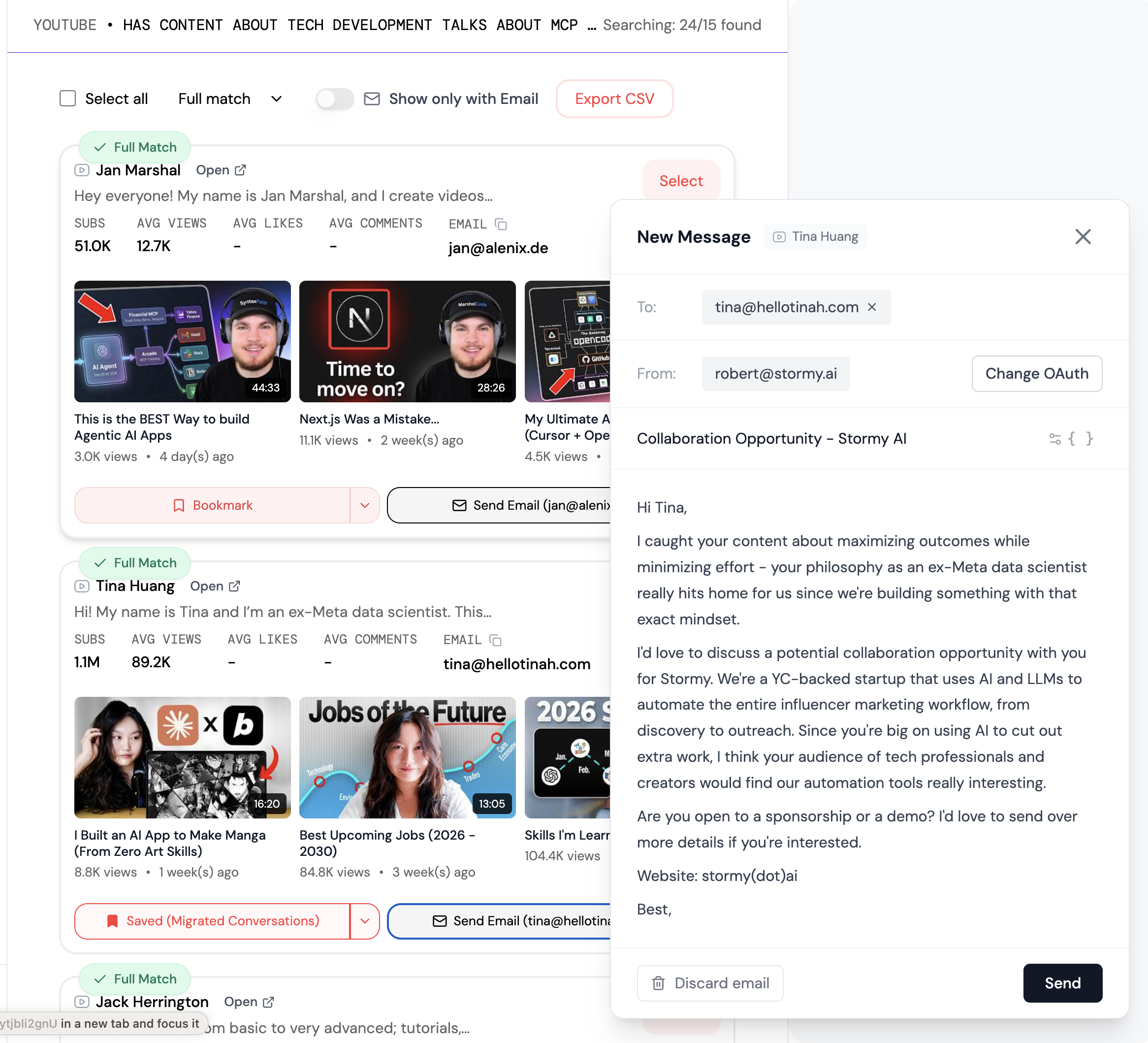
Generic “you forgot something” emails are easy to ignore. Card Saver uses ElevenLabs to record personalized 30-second videos or voice notes for high-value abandoned carts (e.g., over $100). The founder’s cloned voice says, “Hey Jane, I saw you were looking at those sneakers...” This human touch in an automated flow can significantly increase conversion rates for Shopify stores. When launching a tool like this, tools like Stormy AI can help source and manage UGC creators at scale to test these personalized video scripts before automating the AI voice component.
5. Grant Guru (AI Grant Writing for Non-Profits)
Submitting a grant is a grueling process that many non-profits simply give up on. Grant Guru uses a style-transfer template trained on 100 winning proposals to help users draft full submissions that match a foundation’s specific language and brand. By charging $149 per proposal, you provide immediate value that far outweighs the cost. You can grow this by running webinars with grant coaches and offering them a 20% affiliate commission through platforms like Rewardful.
Monetization Models: MRR vs. Usage-Based
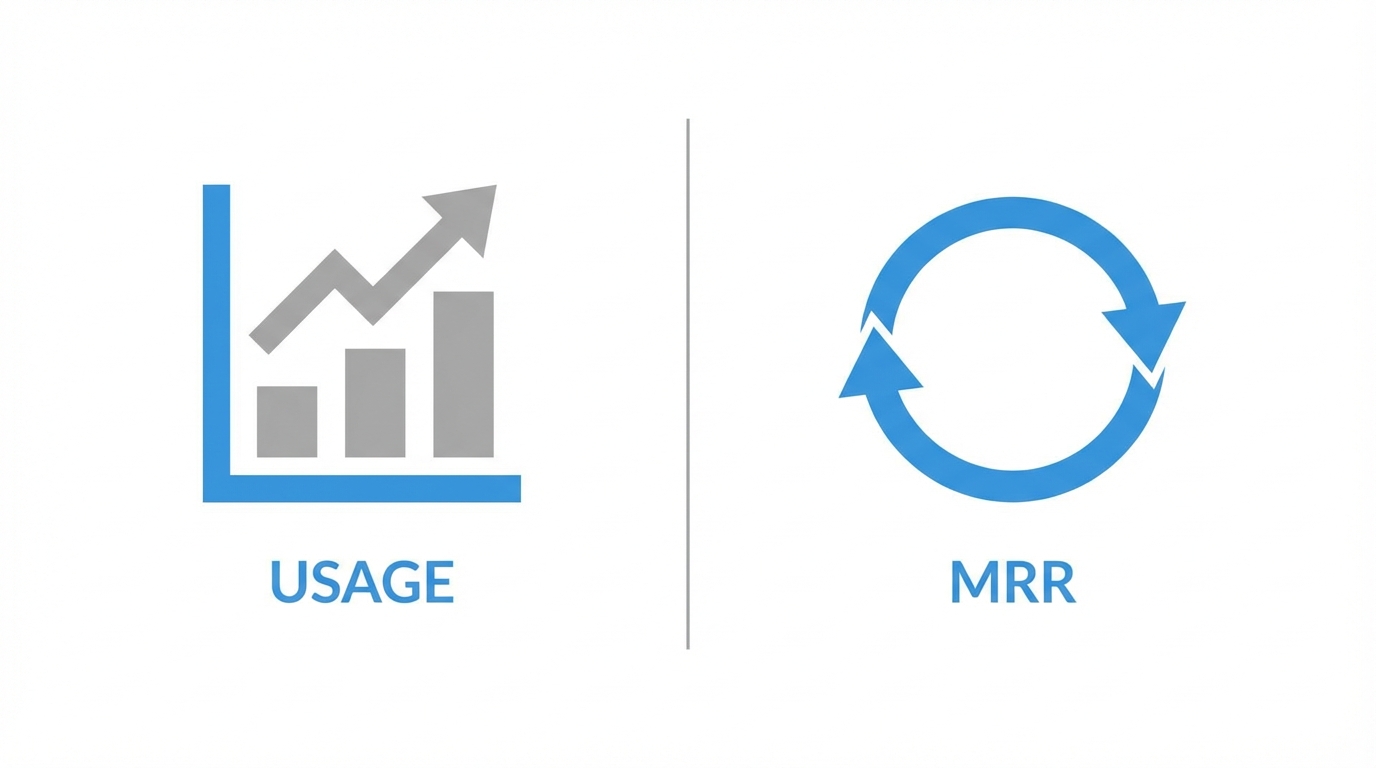
Choosing the right pricing strategy is critical for your micro saas business model. While monthly recurring revenue (MRR) is the “holy grail” because of its predictability, usage-based pricing is becoming a powerful wedge for ai saas ideas. For products like Podscriptor or Specsheet, charging per clip or per PDF upload lowers the barrier to entry and aligns your revenue with the value the customer receives.
However, the hardest part of any SaaS is churn. To “kill churn with value,” you must prioritize weekly improvements that make the product more “sticky.” For B2B products, this often means building a data moat. If a user has uploaded 50 competitor PDFs into Specsheet, they are unlikely to switch to a competitor because all their historical comparison data is already there. Similarly, if you are building an audience to support your SaaS, managing those relationships effectively is key. A creator CRM can help you track which influencers are driving the most trials, allowing you to double down on the most profitable distribution channels.
The Growth Flywheel: From 10 to 10,000 Visitors
Success in micro-SaaS requires a distribution-first mindset. You cannot just build it and expect them to come. You need a growth flywheel that compounds over time:
- Build an Audience: Start an account on X or LinkedIn like Boring Marketing to talk about the problem you are solving.
- Learn Acute Pains: Use your community to identify the features people are actually willing to pay for.
- Generate Word of Mouth: Create a “wow moment” in the first 30 seconds of your free trial.
- Reinvest in Distribution: Use your initial profits to fund SEO, affiliates, or Meta Ads.
Don't ignore the power of SEO. Even in the age of ChatGPT and Perplexity, high-intent searches like “San Francisco permit help” or “convert bank statement to excel” are gold mines. If you rank for these terms, you get a steady stream of “problem-aware” users who are ready to pay for a solution. As your product matures, you can even sell anonymized aggregate data via an API, adding an entirely new revenue stream to your micro-SaaS.
Conclusion: The Path to Financial Independence
Building a minimum viable product for saas in 48 hours is not just a technical challenge; it's a mental shift. It requires you to prioritize progress over perfection and profitability over prestige. By focusing on profitable saas niches and automating your operations with tools like Brex for finance or AI-powered discovery platforms for marketing, you can build a sustainable business that serves your lifestyle rather than consuming it.
The “Idea Radar” suggests that the best startups sit at the intersection of your passion and high monetization potential. If you can find a problem that you enjoy solving and that people have a high willingness to pay for, you have found the foundation for a life-changing micro-SaaS. Start small, ship fast, and stay focused on the niche. Your first $10k month is closer than you think.