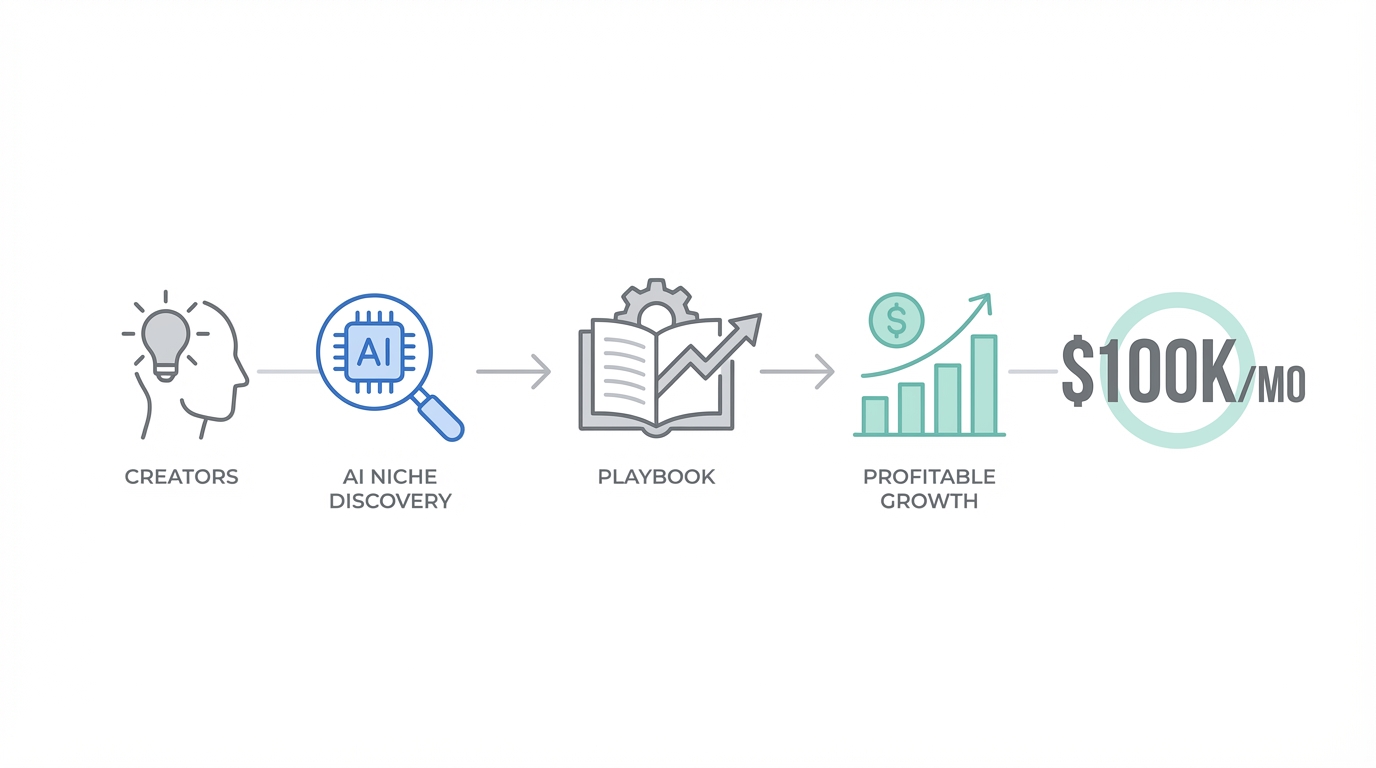
In the current gold rush of artificial intelligence, most entrepreneurs are making a classic mistake: they are trying to build tools for everyone. We see it everywhere—the tenth "generic AI writer," the hundredth "all-in-one image generator," and the endless sea of "automated video editors." But as the market matures, a harsh reality is setting in: when you build for everyone, you build for no one. The real revenue in the creator economy isn't found in broad horizontal platforms, but in hyper-specific, vertically integrated micro-niches. This is the strategy that propelled Nico, a former physicist, from a career in academia to generating $100,000 per month with his platform, Neural Frames.
By shifting his focus from a generic "text-to-video" tool to a dedicated solution for musicians, Nico unlocked exponential growth. This pivot illustrates a fundamental shift in how successful AI businesses are built today. It’s no longer about who has the most powerful model; it’s about who understands a specific creator’s workflow the best. If you want to escape the competition and build a sustainable profitable AI micro-niche, you need a playbook that combines technical curiosity with surgical market targeting.
The Danger of the 'Text-to-Video for Everyone' Trap
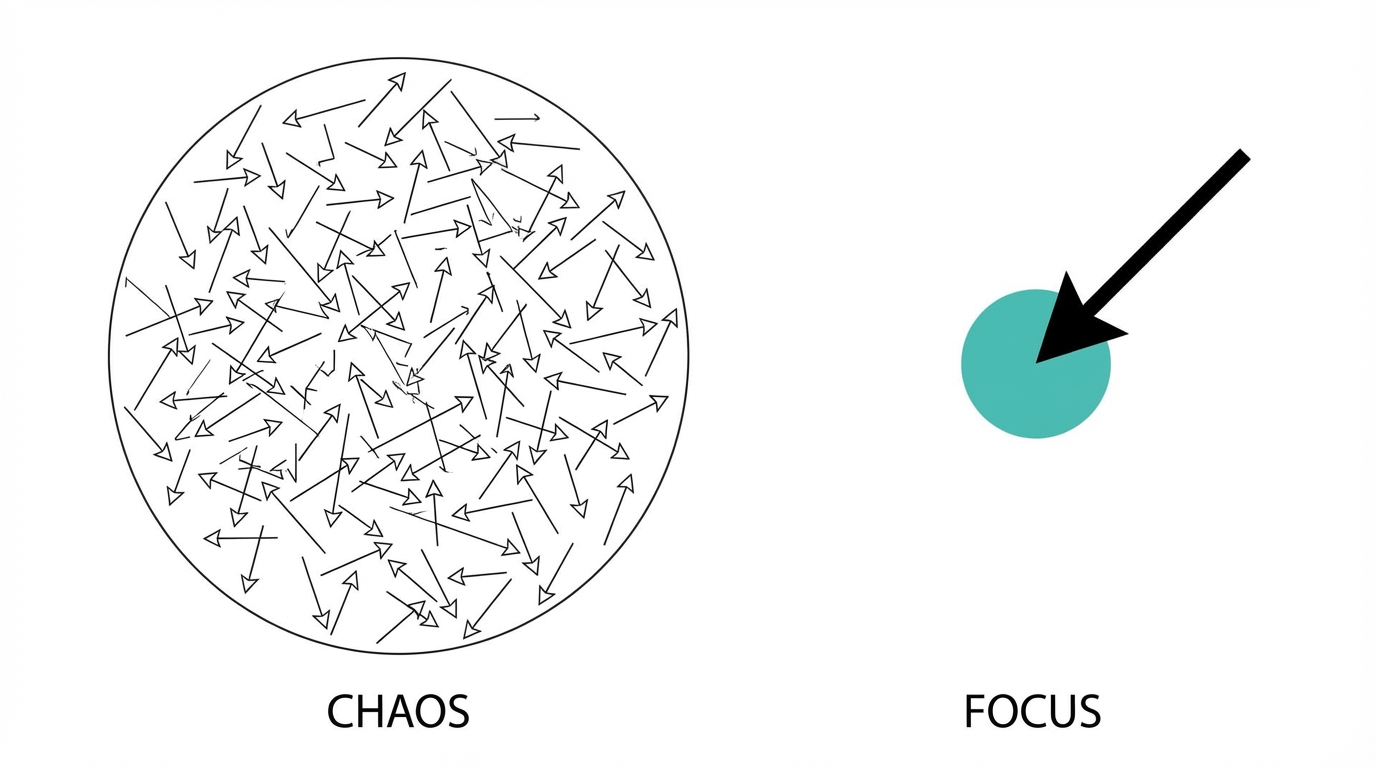

When Nico first launched Neural Frames, his landing page tagline was "text-to-video for everyone." It sounds logical—why limit your market size? However, this is a conversion killer. A general tagline forces the user to do the heavy lifting. They have to see the tool, understand its abstract capabilities, and then perform the mental labor of imagining how it fits into their specific life or business. Most users simply won't do that work; they’ll bounce.
As Nico explains in his interview with Starter Story, a smart friend pointed out that a generic value proposition makes selling twice as hard. When a musician lands on a page that says "AI video generator," they wonder if it can handle the rhythm of a track. When they land on a page that says "The platform to create AI music videos," the friction disappears. They feel at home. This niche ai applications strategy doesn't just improve conversion; it fuels word-of-mouth marketing. Creators don't recommend generic tools to their peers; they recommend specific solutions that solve specific headaches.
To scale a micro-niche effectively, you need to know exactly who these creators are. This is where modern tooling becomes essential. Instead of manually scouring social media, you can use Stormy's AI search for discovery across TikTok, YouTube, Instagram, LinkedIn, TikTok Shop, and newsletters to find thousands of creators in a specific vertical—like indie musicians or fitness influencers—instantly. By filtering for niche, engagement, and audience quality, you can identify the exact group that your micro-niche tool should serve before you even write a line of code.
The 'Fuck Around and Find Out' Principle: Finding Your Unique Intersection
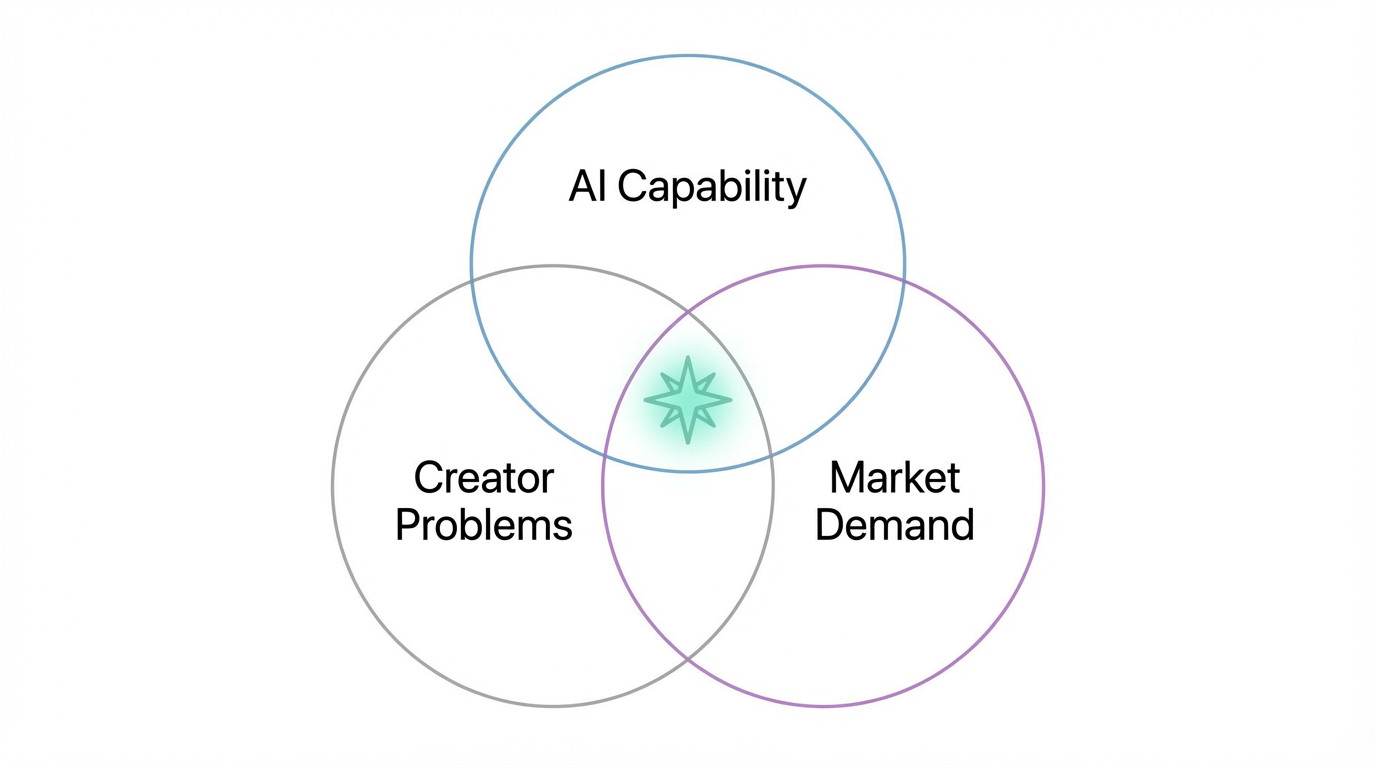
How do you actually find these ai business ideas for 2024? Nico advocates for what he calls the "Fuck Around and Find Out" (FAFO) principle. This isn't about aimless wandering; it's about populating different regions of the "universe of ideas" by pursuing unrelated interests until they collide. In Nico’s case, he was a PhD physicist with a background in computer vision and a lifelong passion for music. Neural Frames was the magical intersection of those two seemingly disparate worlds.
For creators looking to build their own AI business, the FAFO principle suggests looking at your own hobbies or professional background. What do you know better than 99% of people? Maybe you understand the specific workflow of real estate agents, or the post-production struggles of underwater videographers. When you combine a deep personal interest with a technical AI capability—like using Fal.ai for video generation or OpenAI for logic—you create a market position that is incredibly difficult for a generic competitor to replicate.
Once you’ve identified a potential intersection, the next step is vetting the market. You don't want to build for a group that doesn't exist or isn't active. Using Stormy AI for influencer vetting, fake follower detection, and deep audience demographics allows you to vet the creators in your chosen niche. You can detect if a niche is driven by real engagement or inflated by bots, ensuring that your creator economy tools are being built for a healthy, high-intent audience.
The SEO Playbook for Niche Discovery
While personal interest is a great starting point, data-driven validation is what separates a hobby from a $100K/month business. Nico uses professional SEO tools like Ahrefs to spot opportunities. The formula is simple: find a keyword that represents a specific problem, and check its metrics.
Step 1: Identify High-Intent Keywords
Look for keywords that describe a solution a creator is actively seeking. Instead of "AI video," look for "AI music video generator" or "AI background remover for streamers." These long-tail keywords indicate that the searcher has a specific problem they are ready to solve (and pay for).
Step 2: Analyze Volume and Difficulty
Nico’s rule of thumb is to look for keywords with at least 1,000 monthly searches and a low keyword difficulty score. This indicates that people are looking for a solution, but the market isn't already saturated with a thousand competing products. It’s the "Goldilocks zone" of how to start an ai business.
Step 3: Map Capabilities to Pain Points
Once you find a keyword like "AI podcast generator," you must map the AI's capabilities to the user's pain points. For a podcaster, the pain might be social media promotion. Your tool shouldn't just "generate audio"; it should "create 10 viral clips from one podcast episode." By focusing on the outcome rather than the tech, you align your product with the user's bank account.
Building and Scaling the MVP: From Hacker News to $100K
Nico’s journey from a "terrible looking" MVP to a polished platform is a masterclass in startup agility. He launched on Hacker News just one week after setting the site live. Despite the aesthetic flaws, it reached the top 6 on a Sunday because it solved a genuine problem. This initial surge provided the first "internet money," crucial backlinks, and a firehose of user feedback.
Building an AI SaaS in 2024 requires a modern stack. Nico’s team uses Cursor for coding—a tool he credits with making him feel like a "superhuman" developer—along with Next.js for the frontend and Python for the backend. To manage the massive data generated by 1.5 million videos, they rely on PostHog for analytics and Vercel for hosting.
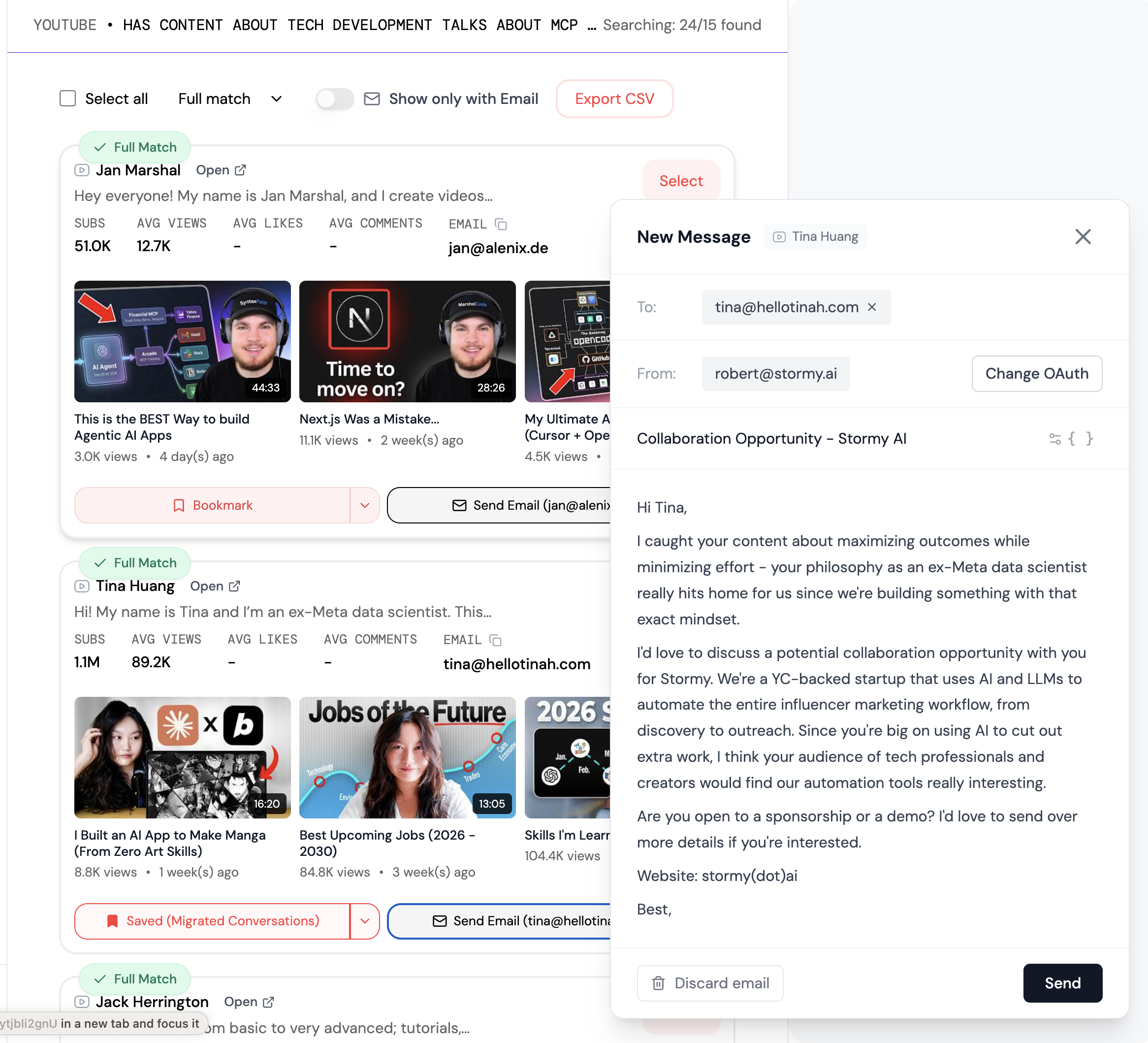
Scaling a business like this also means managing outreach and partnerships. As you grow, you'll need to reach out to the very creators your tool serves. This is where Stormy AI's AI email outreach with auto follow-ups becomes a force multiplier. Instead of manual emailing, you can set up an autonomous AI agent that discovers creators daily and sends hyper-personalized emails while you sleep. This allows a small team—Nico only has five people—to maintain a massive presence in their niche.
Playing the 'Indie Hacker' Card: The Growth Flywheel
One of the most effective growth strategies for Neural Frames was leaning into the "solopreneur" identity. In a world of faceless VC-backed corporations, users crave human connection. Nico put his photo everywhere, recorded his own YouTube tutorials, and added a footer that explicitly stated: "No VC money, just a tiny company in love with text-to-video."
This personal touch created a loyal community. When your users feel like they are supporting a person rather than a conglomerate, they are more forgiving of bugs and more vocal in their support. This organic loyalty, combined with targeted niche SEO, creates a flywheel: better feedback leads to a better product, which leads to more organic backlinks and higher search rankings.
To keep this flywheel spinning, you need to track how your tool is being discussed and used across social platforms. Using Stormy AI's post tracking and analytics dashboard, you can monitor every video or post created with your tool. By tracking views and engagement on platforms like TikTok and Instagram, you can see which specific features are going viral and double down on what works for your micro-niche.
The Reality of AI SaaS Unit Economics
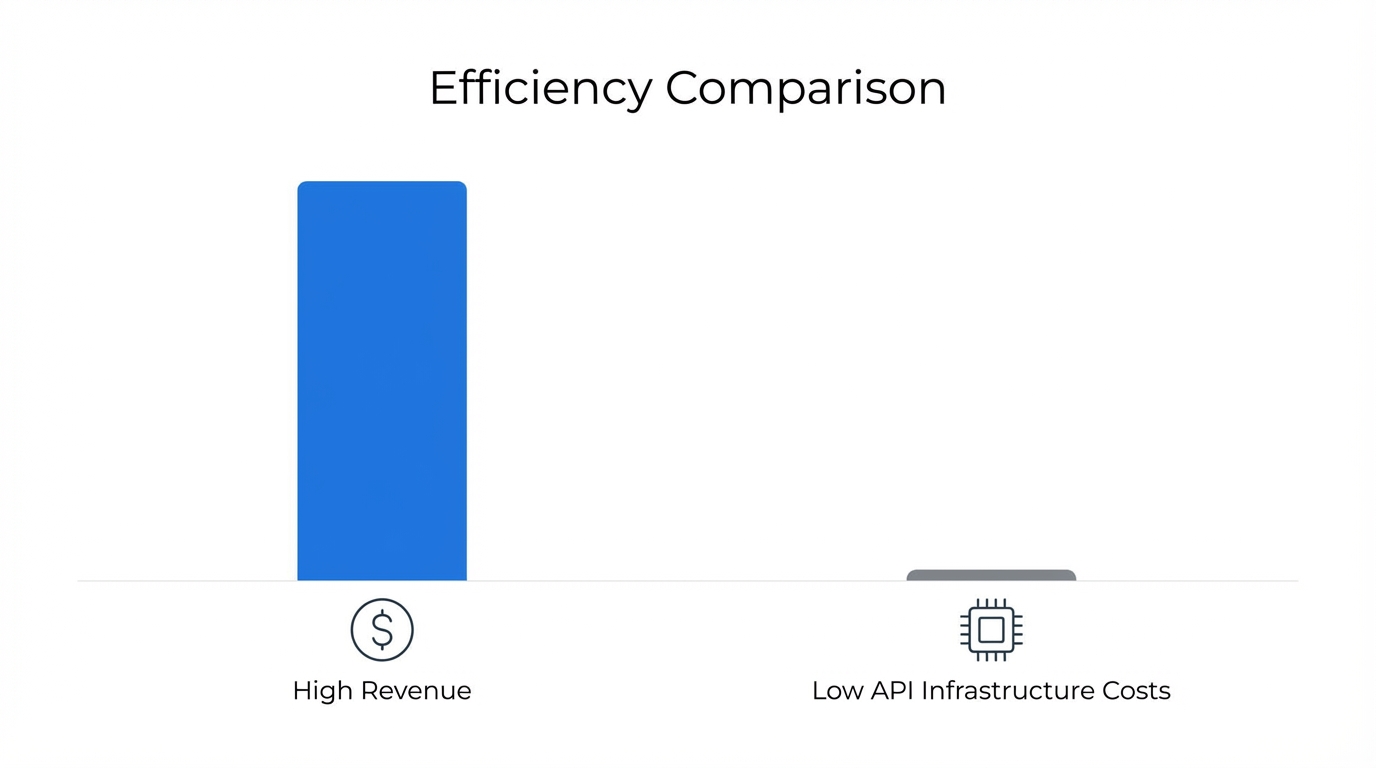
Building a profitable AI micro-niche isn't without its costs. Nico’s transparency regarding his overhead is a vital lesson for any aspiring founder. With $100,000 in monthly revenue, nearly $45,000 goes directly to GPU costs and video APIs via providers like RunPod. When you add in server storage, hosting on Vercel, and subscription tools like Email Octopus or Intercom, the margins can be tighter than traditional software.
However, being bootstrapped offers a strategic advantage. While a VC-backed company must target billion-dollar markets to satisfy investors, a bootstrapped business can thrive in a "smaller" market that only generates a few million a year. This freedom allows you to solve niche problems that larger competitors ignore, providing a level of service and specificity that "one-size-fits-all" tools can't match.
Conclusion: Your Path to $100K/Month
Finding a profitable AI micro-niche is less about finding a revolutionary new technology and more about finding an underserved group of people with a specific pain point. Nico’s transition from a physics PhD to a $1.2M ARR founder proves that technical background is secondary to market focus. By using the FAFO principle to find your intersection, validating it with SEO tools, and aggressively nishing down, you can build a tool that creators actually love.
As you embark on this journey, remember that you don't have to do it alone or manually. From discovering the right influencers to automating your outreach and using Stormy AI for creator CRM and tracking campaign performance, Stormy provides the infrastructure to scale your micro-niche business efficiently. The opportunities in AI right now are vast, but the winners will be those who choose to be a "big fish in a small pond" rather than another drop in the ocean of generic tools. Start small, niche down, and solve a problem—the revenue will follow.