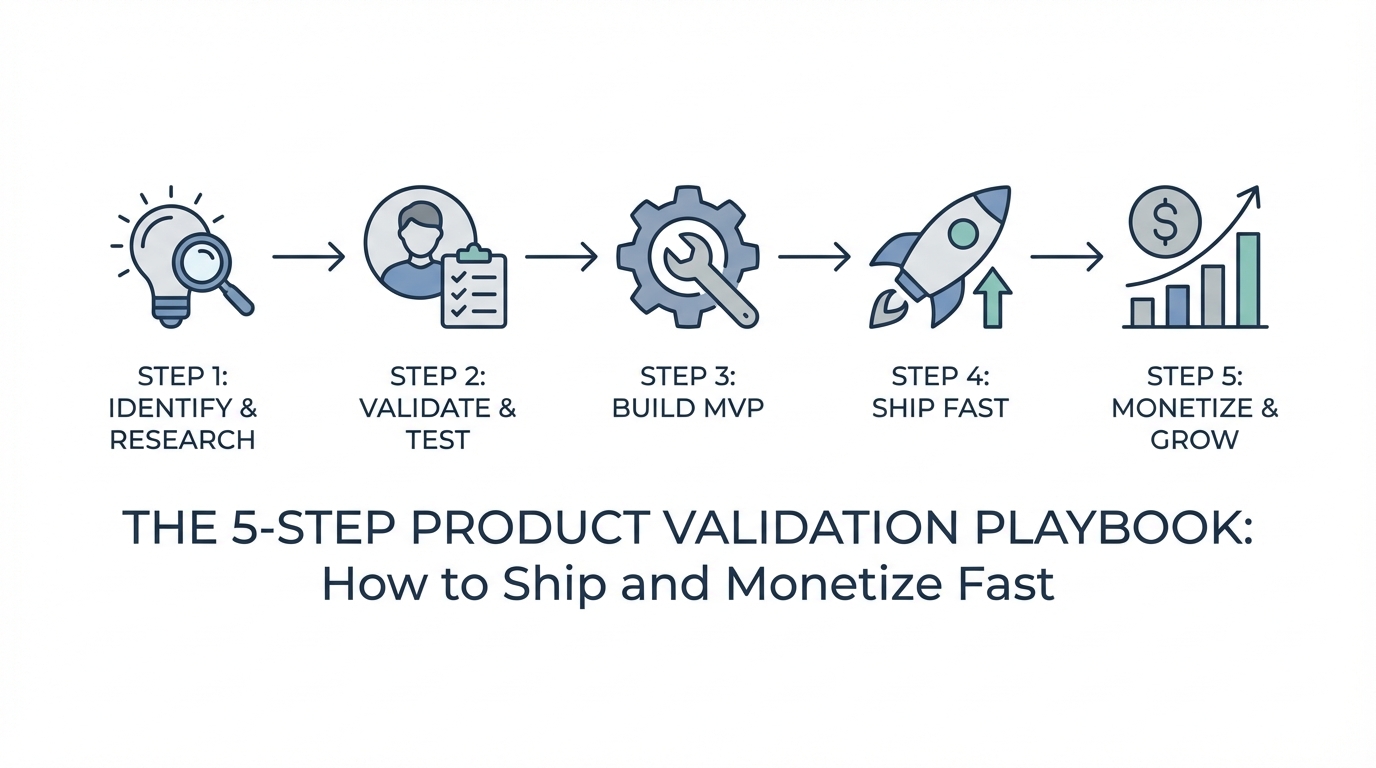
The biggest mistake aspiring entrepreneurs make is spending six months building a "perfect" product only to discover that nobody actually wants it. This cycle of building in a vacuum is the fastest way to burn out and run out of capital. Instead, successful modern founders are moving toward a portfolio mindset, where the goal isn't to build one single monolithic empire, but rather to treat product development as a series of fast-paced experiments. The objective is simple: move from idea to your first dollar in weeks, not months, by following a lean startup methodology that prioritizes speed over perfection.
Take the example of Floren Pop, a developer who has built 80 different income streams totaling over $500,000 in revenue. As documented by Starter Story, Pop’s success didn't come from one lucky break. It came from stacking small wins. From a coding course that generated $180,000 to a SaaS product that made $68,000 before being sold for $50,000, his journey proves that a diversified portfolio of smaller projects reduces risk and compounds over time. In this article, we will break down the exact five-step playbook you can use to ship fast, find your minimum viable product (MVP), and validate your business ideas with cold, hard cash.
Step 1: Building 'Small but Useful'—The Power of Solving Your Own Problems

The foundation of the 5-step product validation playbook is to start small. When you're trying to figure out how to validate a business idea, the temptation is to solve every problem for every person. This is a trap. Instead, you should focus on building something 'small but useful'—a tool, guide, or app that can be built in days or weeks, not months. The goal is to avoid burnout by reducing the time between the initial spark of an idea and the first time a user interacts with it.
The most effective way to identify a winning idea is to solve a problem for yourself. When you are the target customer, you don't need to guess what the features should be; you already know what's missing. Whether it's a productivity script, a specialized calculator, or a niche directory, if it saves you time, it will likely save someone else time too. This approach aligns perfectly with the lean startup methodology, which emphasizes building the smallest thing possible to start the learning loop.
Platforms like Stormy AI, an AI-powered search engine for creator discovery, have seen this trend explode in the creator economy. Founders often start by creating simple UGC (user-generated content) templates or basic influencer discovery lists for themselves before realizing there is a massive market for those tools. By using AI to search across TikTok, Instagram, and YouTube, you allow yourself the flexibility to pivot without the emotional weight of a failed six-month development cycle.
Step 2: Shipping Publicly—Building Your Distribution Engine

Once you have your "small but useful" tool, the next step is non-negotiable: you must ship it publicly. A product that exists only on your local computer is not a business; it’s a hobby. Most projects fail not because the code is bad, but because nobody knows they exist. In today’s digital landscape, distribution is just as important as the product itself. You need to leverage social platforms where your potential users already congregate.
For developers and B2B founders, this often means building in public on Twitter or Reddit. For those targeting consumers or the creator economy, TikTok is an unparalleled engine for organic reach. The strategy here is to share the journey—the challenges, the screenshots, and the "why" behind the product. This builds a connection with your audience that a cold ad can never replicate.
To truly ship fast and gain traction, consider these distribution channels:
- Twitter/X: Best for reaching other founders, developers, and tech enthusiasts.
- TikTok/Reels: Ideal for showcasing visual tools or mobile apps through authentic UGC content.
- Product Hunt: A classic Product Hunt launch is a staple for a massive initial traffic spike.
- Niche Communities: Subreddits and Discord servers dedicated to the specific problem you are solving.
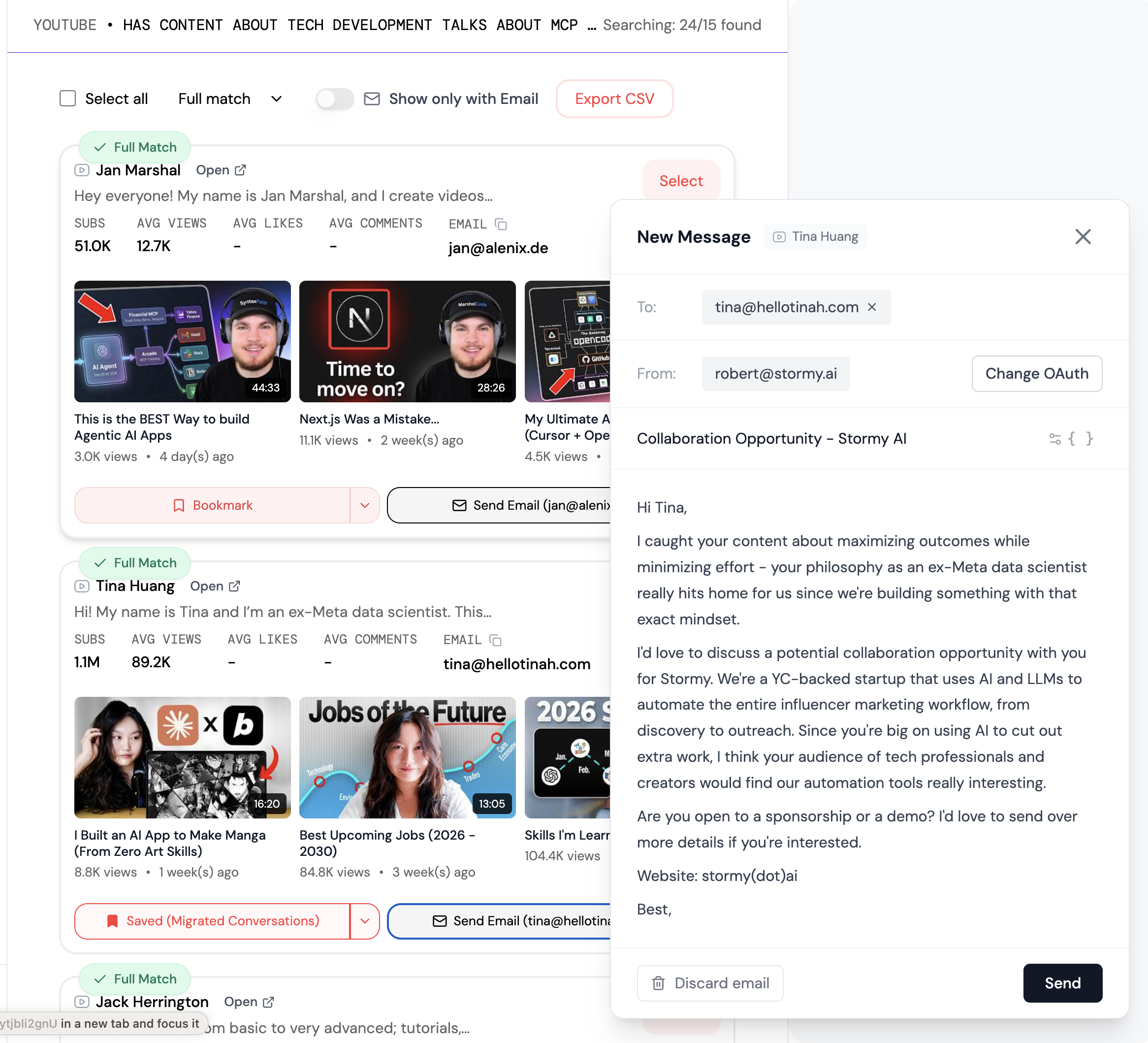
If you are launching a mobile app, distribution through Meta Ads Manager or Google Ads can be effective, but organic social validation should come first. This is where Stormy AI becomes an essential part of the stack, helping founders find the right creators and use AI-personalized outreach to contact them instantly with hyper-personalized emails.
Step 3: The Feedback Loop—Distinguishing Noise from Signal
Shipping is just the beginning. The real magic happens in the feedback loop. Once the product is in the wild, you need to listen—not just to what people say, but to what they do. Do they open the app once and never return? Do they ask for specific features? Do they complain about the price? Every interaction is a data point that informs your next move.
It is vital to differentiate between 'nice to have' features and 'must-solve' problems. A "nice to have" feature is something a user mentions in passing but wouldn't pay for. A "must-solve" problem is a pain point so significant that the user is frustrated by its existence. As Floren Pop noted in his interview with Starter Story, action produces information. You cannot know what the market wants until you give them something to react to.
To manage this feedback effectively, you should use analytics tools like Fathom Analytics or similar privacy-first tracking to see how users are navigating your site. If you see high drop-off rates on a specific page, that’s your signal to simplify. Product validation is a dialogue, not a monologue. The faster you can iterate based on this feedback, the closer you get to a minimum viable product that actually sticks.
Step 4: Early Monetization—The Ultimate Validation Strategy
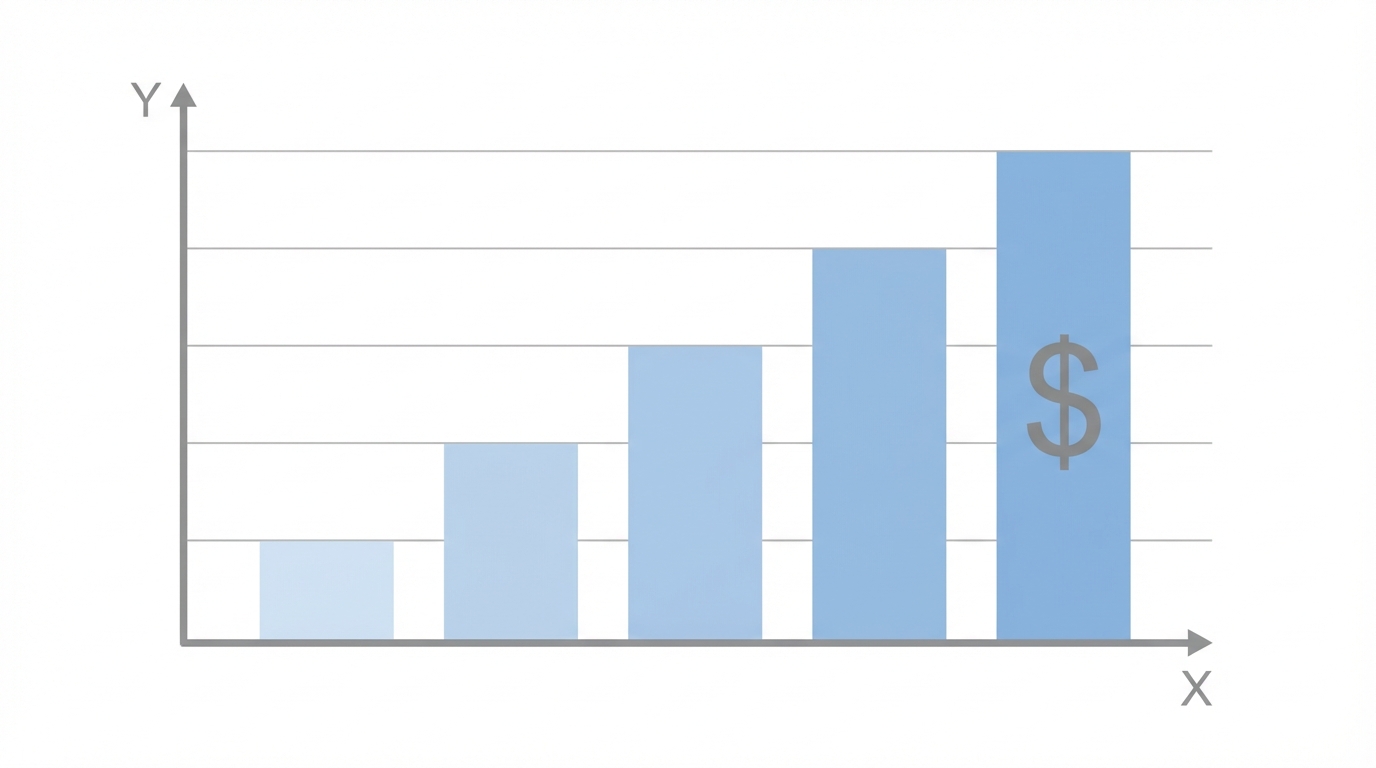
Many founders are afraid to charge for their products early on, fearing they will scare away users. However, early monetization is the only real form of product validation. A thousand free signups are a vanity metric; ten paying customers are a business. Adding a paywall or a premium tier forces the user to make a choice: Is this problem worth my hard-earned money?
You don't need a complex billing system to start. Tools like Lemon Squeezy or payment processors integrated via Vanta (when you need to ensure security compliance for enterprise deals) make it easy to start accepting payments. The goal isn't necessarily to get rich in the first month; it's to validate that the problem is worth paying for. If people are willing to open their wallets for a version 1.0 product, you have found a winner.
When you reach the stage where you are attracting business or enterprise clients, security becomes a primary hurdle. Customers will ask if you are SOC 2 compliant or HIPAA compliant. This is where Vanta is a game-changer, automating the compliance process so you can focus on building rather than audit paperwork. Landing your first enterprise client is often the moment a side project turns into a serious company.
Step 5: The Double Down vs. Move On Framework
The final step in the playbook is the most difficult: deciding whether to scale or quit. After a few weeks or months of running your experiment, you must look at the data objectively. Is there traction? Is there growth? Is there a path to profitability? If the answer is yes, it's time to double down. If the product is flat and users aren't engaging despite your best efforts, it's time to move on to the next idea.
This framework is what allows someone like Floren Pop to build 80 income streams. He doesn't hold onto failing ideas out of guilt or "sunk cost fallacy." Every project is a lesson. If an idea fails, he takes the insights, the audience he built during the "ship publicly" phase, and the technical components he developed, and he applies them to the next project. This is the heart of the lean startup methodology.
When you decide to double down, your focus should shift to automation and scaling. You want to reduce how much the project depends on your day-to-day manual work. This might involve:
- Automating your newsletter via Beehiiv.
- Setting up an autonomous Stormy AI agent that discovers, outreaches, and follows up with creators on a daily schedule.
- Using Vercel or Supabase to ensure your infrastructure can handle increased traffic without manual intervention.
Leveraging the Right Tech Stack for Rapid Launch
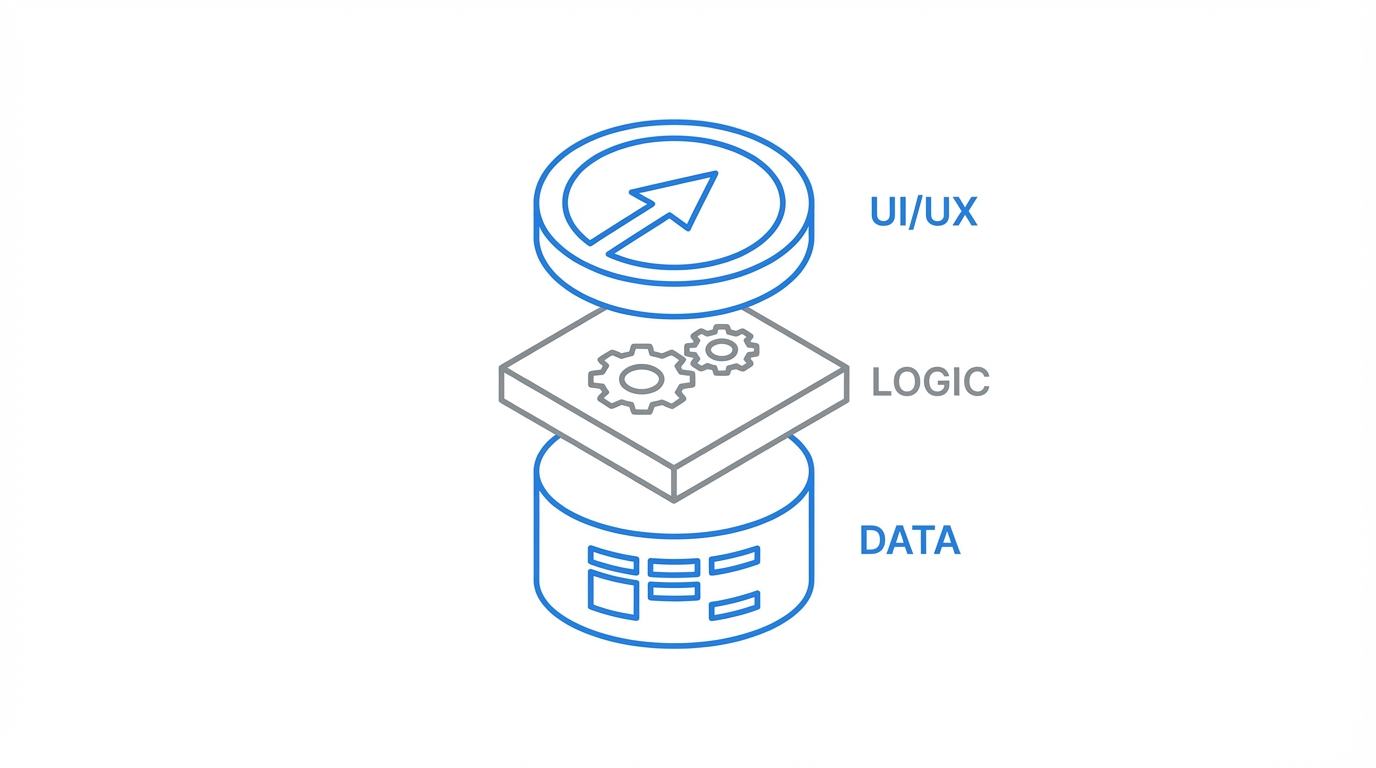
To follow this playbook effectively, you need a tech stack that enables you to ship fast. Modern tools have lowered the barrier to entry significantly. Floren Pop’s recommended stack for rapid development includes using Next.js for the frontend, Supabase for his database and authentication, and ChatGPT as a primary AI coding assistant.
This stack allows for rapid prototyping. When you aren't fighting with your infrastructure, you can spend more time on the feedback loop and monetization. For mobile app developers, integrating UGC content early in the marketing phase is critical. By using Apple Search Ads in tandem with authentic creator videos, you can drive app installs at a significantly lower cost per acquisition than traditional display ads.
Conclusion: The Path to Passive Revenue
Validating a business idea doesn't have to be a multi-year ordeal. By following the 5-step product validation playbook—building small, shipping publicly, listening to feedback, monetizing early, and knowing when to pivot—you can build a portfolio of income streams that provide both financial security and professional freedom. Whether you are building a coding course, a niche SaaS, or a mobile app, the principle remains the same: iterate fast and follow the money.
Remember that every "failed" project is just data that helps you win on the next one. Don't compare your "Level 1" to someone else's "Level 20." Focus on your own product launch checklist, keep shipping, and use tools like Stormy AI to find the creators who will help you scale your message to the masses. The internet rewards those who take action and stay in the game long enough to find their first big win. Start today, ship by next week, and let the market tell you what to build next.