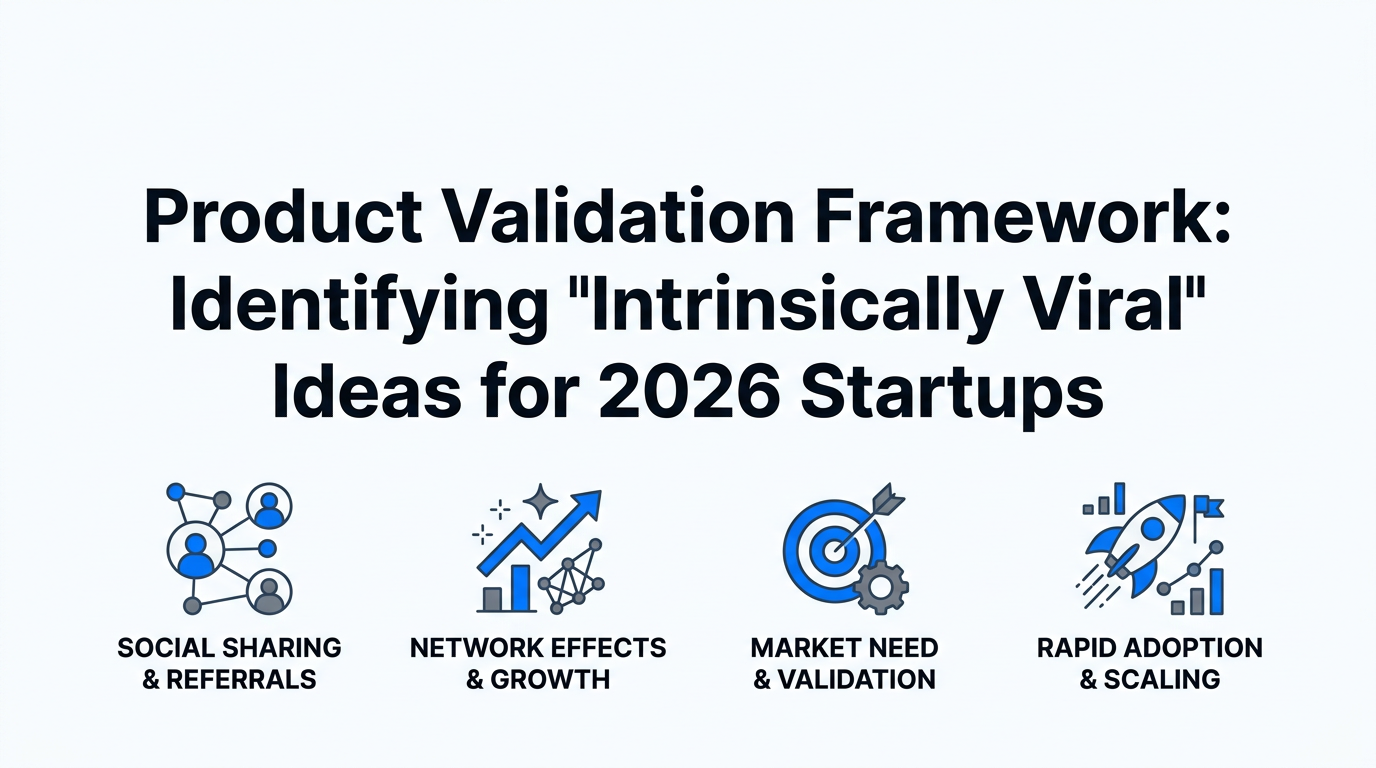
In the high-velocity commerce landscape of 2026, the greatest risk to a startup isn't a lack of capital—it is building a product that the market doesn't actually want. Traditional market research is dying; it is too slow, too expensive, and often relies on what people say they will do rather than what they actually do. Today, the most successful founders are using a different product validation guide: they look for 'intrinsically viral' signals already hidden in plain sight on social media. By identifying existing high-engagement content for unrefined products, entrepreneurs can validate million-dollar ideas before ever cutting a check for inventory.
The 'Viral Scrutiny' Method: Spotting Market Gaps in Real-Time
Learn how to leverage viral trends and content to validate product potential effectively.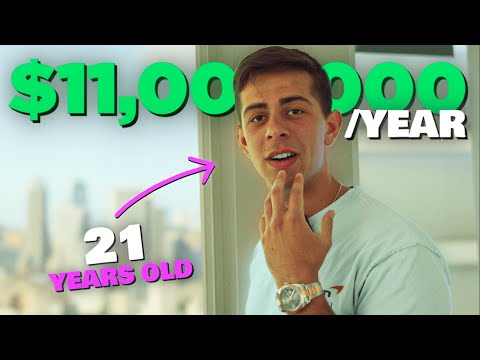
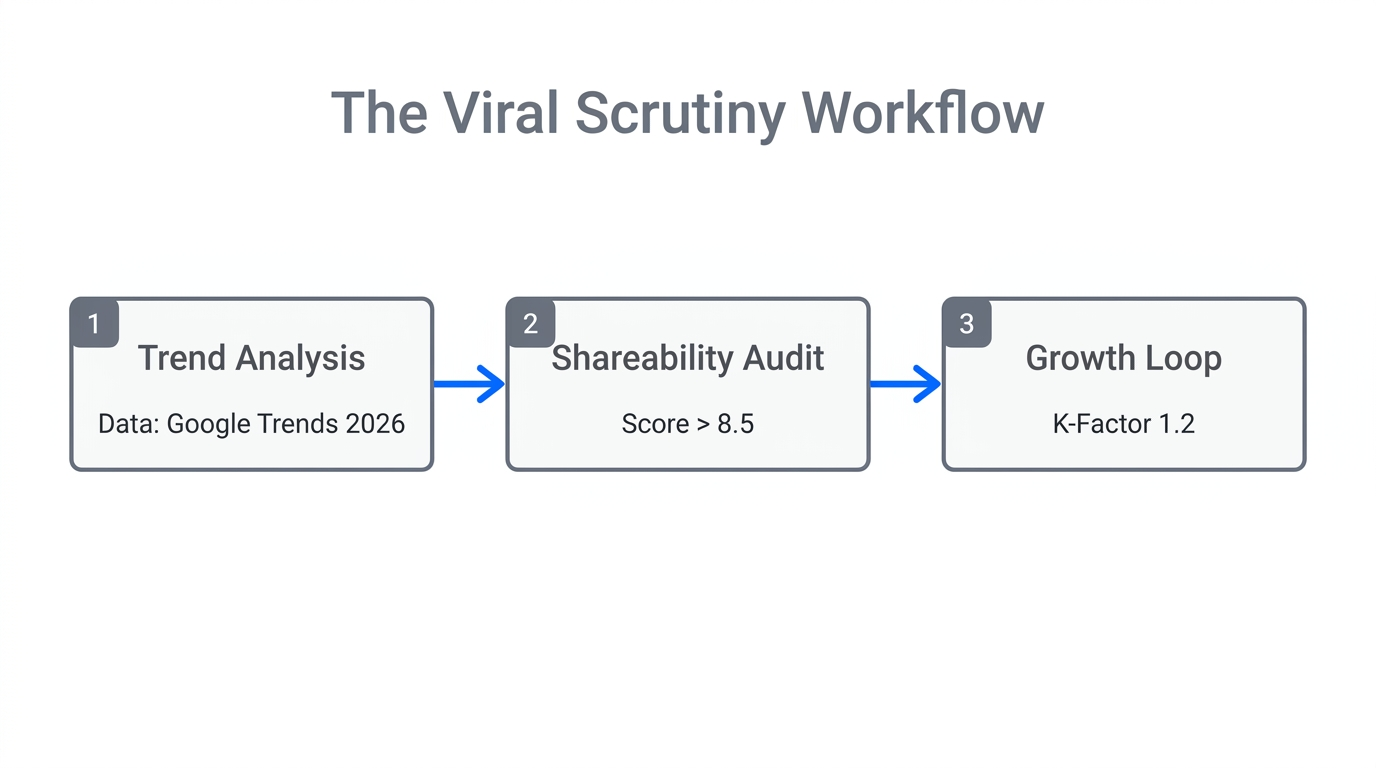
The core of modern ecommerce market research involves what we call 'Viral Scrutiny.' This is the process of scanning short-form video platforms like TikTok, Instagram, and YouTube Shorts to find products that are already winning the attention war but lack a professional brand infrastructure. A prime example is Oliver Brocato, who built an $11 million brand by simply noticing a viral video of a 'sex chocolate' product that had 8 million views but no functional website or social presence.
When you see a video with millions of likes featuring a unique product, the market has already done the validation for you. The 'loophole' lies in the fact that many viral products are sold by amateur sellers who don't understand brand equity or long-term customer retention. By applying professional marketing 'sauce' to a concept that has already proven its ability to trigger emotional arousal, you eliminate the guesswork of the traditional startup cycle.
"The key is finding a product that is intrinsically viral. It invokes an intense reaction that makes the viewer feel something—it doesn't matter what, as long as it's intense enough to drive a share."
Emotional Marketing Triggers: Why Some Products Go Viral
To identify viral product ideas, you must understand the psychology of the 'share.' In 2026, users don't share Boring; they share Novelty, Controversy, and Aspiration. Products like Tabs Chocolate succeed because they are 'conversation starters.' When a product is novel enough to make a user stop scrolling and immediately send it to a friend, you have achieved the holy grail of growth hacking 2026: free distribution.
To bake virality into your product framework, focus on these three triggers:
- The Shock Factor: Is the product unexpected in its category? (e.g., chocolate for sex).
- Visual Satisfaction: Does it look incredible on camera? Use tools like Canva or Figma to ensure your branding is 'thumb-stopping.'
- Identity Alignment: Does owning or sharing this product say something about the user's personality?
R&D on a Budget: Launching an MVP for Under $10,000
Discover strategies for managing the high costs of research and development for startups.You do not need a million dollars to launch a world-class brand. In fact, most 2026 success stories begin with a lean Minimum Viable Product (MVP) produced for less than $10,000. The process starts with digital prototyping. You can design your initial packaging and branding yourself, then hire professional designers on Upwork to clean up the raw files. Once you have a high-fidelity 3D render, you can begin the sourcing manufacturers for startups phase.
| Startup Phase | Typical Cost (2026) | Primary Tools |
|---|---|---|
| Digital Design/Branding | $500 - $1,500 | Canva, Figma, Upwork |
| 3D Renders/Samples | $1,000 - $2,500 | Fiverr, 3D Rendering Firms |
| Initial Inventory Run | $3,000 - $6,000 | Contract Manufacturers |
| Total MVP Budget | ~$10,000 | Bootstrapped Capital |
By keeping overhead low and focusing on the research and development of the specific product experience (like the 'unboxing' feel), you preserve your capital for the most important part: the content machine. Don't waste money on fancy offices; invest in the product that touches the customer's hands.
Sourcing Strategies: Finding Manufacturers Who Will Bet on You
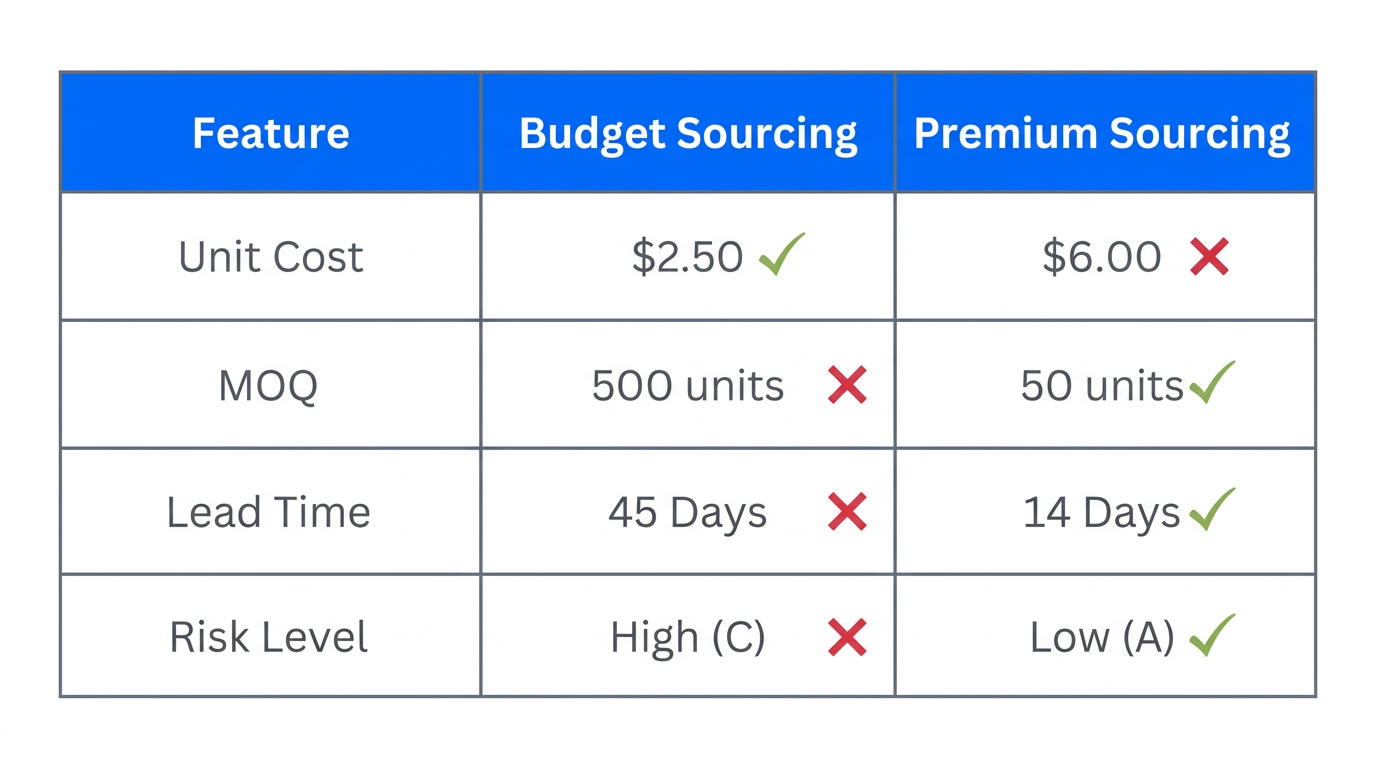
One of the biggest hurdles for new founders is finding a manufacturer willing to produce small quantities. The secret isn't found on the first page of a search engine. To find the right partner, you need to dig deep into Google Search pages 20 and beyond. Most small, high-quality contract manufacturers have terrible SEO. They are 'old school' shops that prefer a phone call over a fancy contact form.
The Cold-Calling Playbook
Build a spreadsheet of every potential manufacturer in your niche. Don't just email them; pick up the phone. Explain your vision, show them your viral validation data, and ask them to take a chance on a small first run. As demonstrated in the Tabs Chocolate case study, you might split your sourcing: get your custom packaging from Alibaba to save on costs, while keeping the physical product (like food or cosmetics) manufactured in the USA for quality control and faster shipping.
"Google is your best friend. Call every niche manufacturer until you find the 'small guy' willing to take you under their wing and bet on your brand's growth."
The MVP Launch: From Validation to $200k+ Months
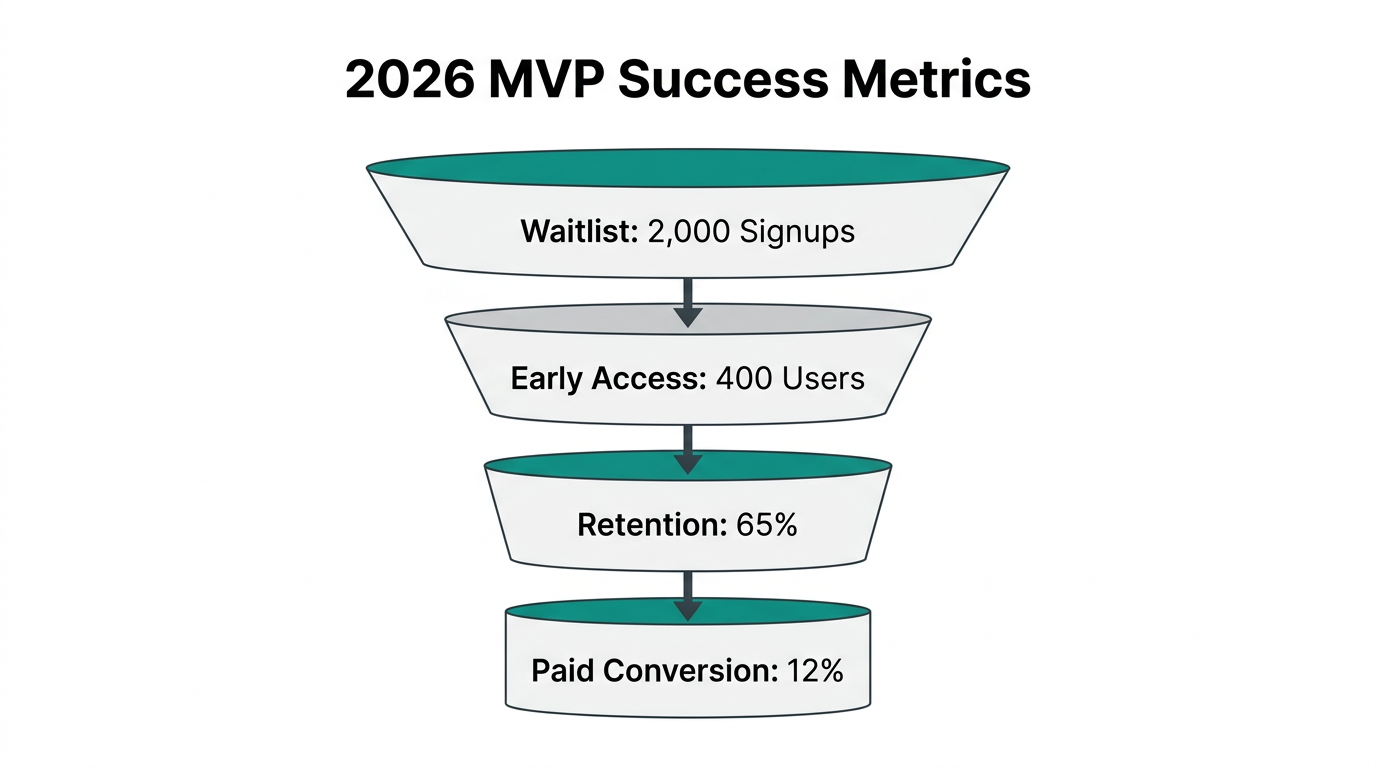
Once you have your product in hand, the goal is to shift from 'testing' to 'scaling' as fast as possible. In 2026, this is done through a content machine. Instead of relying solely on expensive Meta Ads, top brands build a web of hundreds of creators. These creators produce organic-looking User-Generated Content (UGC) that feels native to the platform.
To scale efficiently, platforms like Stormy AI streamline creator sourcing and outreach, allowing you to manage hundreds of relationships without a massive team. By getting your product into the hands of 60+ creators at once, you create an 'omnipresence' effect. This momentum often leads to selling out within weeks. When inventory runs low, don't stop the machine—transition to pre-orders. This allows you to maintain your search rankings and social momentum while waiting for the next shipment to arrive via air or boat.
The 2026 Bottom Line: Brand Equity vs. Drop Shipping
Understand why long-term brand equity is the ultimate competitive advantage for modern businesses.The era of low-quality drop shipping is over. Consumers in 2026 are savvy; they can spot a generic product from a mile away. The real wealth is built through brand equity. Unlike drop shipping, which requires starting from zero every few months, a real brand builds a community and a 'cult-like' following. This creates long-term value and positions the company for a massive exit rather than just monthly cash flow.
By following this product validation guide, you aren't just selling a product; you are building an asset. Start by finding the viral signal, validate with a lean MVP, source via persistent outreach, and scale with an AI-powered content machine like Stormy AI. The tools are available—you just have to make it happen.