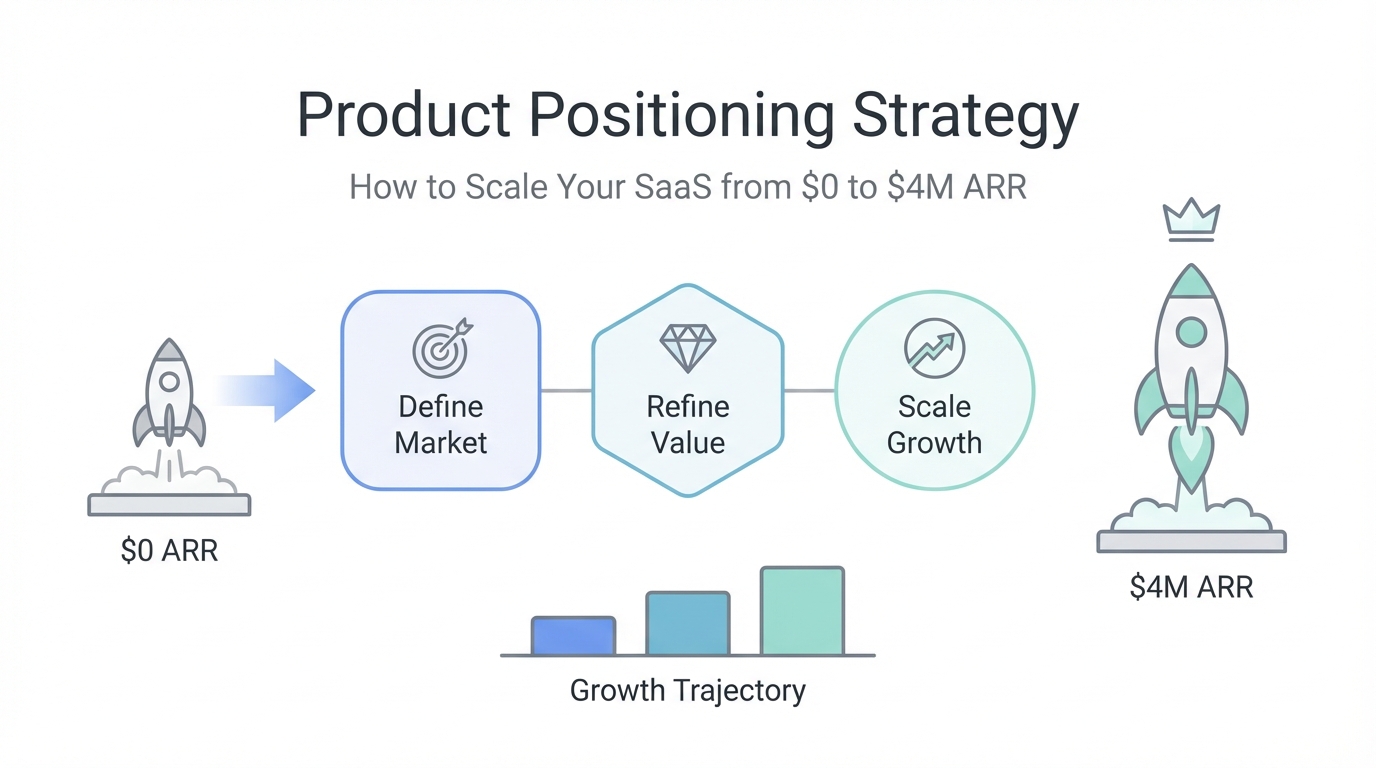
Every SaaS founder dreams of the moment their revenue charts shift from a flat line to a vertical spike. For Sean, the co-founder and CEO of Olia, that shift wasn't triggered by a new feature or a massive funding round. It was triggered by a book. In just one year, Olia went from zero dollars in revenue to $4 million ARR by making a singular change in their product positioning strategy. Before this pivot, the team struggled for six months just to acquire 20 customers; they had no real traction, no happy customers, and a product that was fundamentally confusing to the market.
The transformation happened when they realized that how you position your product is often more important than the product itself. Many founders build incredible tools but fail to describe them in a way that fits into a customer's existing mental model. By applying the principles found in the brand positioning framework of Obviously Awesome, Olia stopped trying to be a complex "loyalty and education" platform and started being the world's best "pop-up tool." This article breaks down the exact playbook they used to find product market fit and scale at breakneck speed.
The Gap Between What You Sell and What Customers Perceive
The most dangerous place for a SaaS startup to be is in the "confusion zone." This is where a founder describes the product as a "comprehensive solution for X, Y, and Z," while the customer is left wondering, "Where does this fit in my tech stack?" Sean’s early experience with Olia is a textbook example of this. Initially, Olia was marketed as a loyalty program and an education tool for e-commerce brands. When pitching to potential clients, the feedback was consistently lukewarm: "This is cool, but what do I replace with it?"
As noted in the Starter Story interview with Sean, the difficulty in describing the product was the first red flag. If you cannot explain your value proposition in five seconds, your positioning is broken. Effective product positioning strategy isn't about marketing fluff; it’s about context. Positioning acts as a signpost that tells the customer: "This product is for people like you, solving this specific problem, and it replaces this specific old way of doing things."
How to Conduct a Positioning Audit Using the 'Obviously Awesome' Framework
To fix their stagnant growth, the Olia team turned to the brand positioning framework outlined in the book Obviously Awesome by April Dunford. The core premise of the book is that your best customers already know what your product is—you just need to listen to them. Sean and his co-founders realized their few happy customers weren't using the tool for "loyalty" or "education." They were using it because it was a phenomenal pop-up tool.
Conducting a positioning audit involves asking three critical questions:
- What do your best customers think of you? Not what you want them to think, but what they actually do with the software.
- What are the alternatives? If your product didn't exist, what would they use? (In Olia's case, it was other legacy pop-up tools).
- What is the 'one thing' you do better than those alternatives? This is your unique value proposition.
By shifting their focus, Olia moved from a broad, confusing category to a narrow, well-defined one. They realized that if their best customers were paying them for pop-ups, there was an entire market of similar customers waiting for a better pop-up solution. This realization is the cornerstone of achieving product market fit.
Identifying Your 'One Thing' to Dominate a Niche

One of the hardest pills for a founder to swallow is niching down. There is a persistent fear that by focusing on a single feature, you are shrinking your total addressable market (TAM). However, for SaaS scaling, the opposite is usually true. When you try to be everything to everyone, you are nothing to anyone. When you become the best at one specific thing, you become the default choice for that category.
Olia's decision to go "all in" on pop-ups meant they stopped building loyalty features and education modules. They focused exclusively on the flow that happens when a shopper enters their email for a discount. This clarity allowed them to win major accounts like Nike Strength and Tom's Shoes. Large brands don't want a "jack of all trades" tool; they want the best-in-class solution for a specific touchpoint in their customer journey.
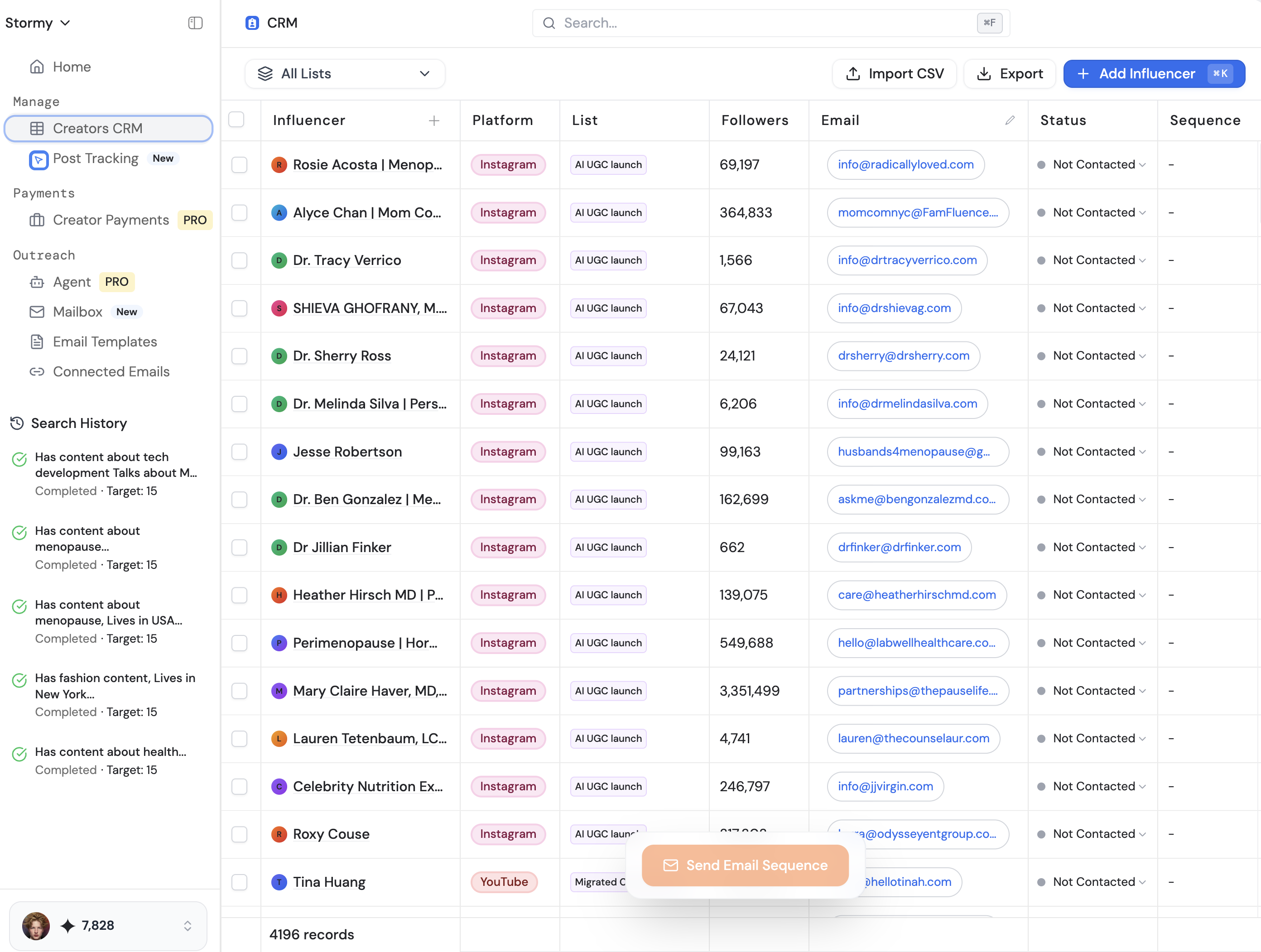
While focusing on a single-purpose solution like pop-ups can drive massive growth, managing the resulting customer relationships requires a robust infrastructure. As you scale your product positioning strategy, tools like Stormy AI can help manage the outreach and relationships with creators and influencers who will ultimately promote your specialized product. Having a dedicated Creator CRM ensures that as your niche grows, your ability to manage partnerships scales with it.
The Impact of Niche Positioning on Product-Market Fit (PMF)

Many founders mistake product market fit for a product problem, when it is often a positioning problem. If you have 20 customers who are "kind of" using the product but not raving about it, you haven't found PMF. But if you have 5 customers using one specific sub-feature intensely, you have a signal. Sean’s framework for finding this signal was simple: get the third customer, then the fourth, then the fifth. Each new customer is a data point that confirms or refutes your positioning.
When Olia repositioned as a pop-up tool, their sales velocity increased instantly. This is because the mental friction for the buyer was removed. They no longer had to figure out where Olia fit; they knew exactly what it was for. This clarity is essential for SaaS scaling because it allows you to build a repeatable sales motion. If you're still in the early stages of this journey, programs like Starter Story Build offer a framework for ideating and shipping projects to find that initial traction quickly.
The 4-Step Playbook for Implementing New Positioning
Repositioning a company isn't just about changing a headline on a landing page. It is a fundamental shift that must permeate every part of the organization. Sean identifies four main pillars for a successful product positioning strategy rollout:
Step 1: Website Copy and Visual Identity
Your website must reflect the new reality. For Olia, this meant changing the tagline to "The next generation of pop-ups." They renamed their features page to "Pop-up Features." The goal is to create an immediate association in the visitor's mind: Your Company = The Solution for [X].
Step 2: Content Strategy and Association
You must become a thought leader in your narrow niche. Sean began creating content that hammered home the message: "Pop-ups equal Olia." By pinning this message to his social profiles, he ensured that every inbound lead had the correct context before they even reached out. This creates inbound demand that scales far more efficiently than cold outreach.
Step 3: Sales Call Scripting
Every sales call should start with the new positioning. Sean’s opening was: "Hey, I'm Sean, we do pop-ups." This sets the stage and prevents the prospect from wandering into unrelated feature requests. It makes calls shorter, more succinct, and significantly increases the close rate.
Step 4: Internal Language and Culture
Your team—from customer success to engineering—must speak the same language. If a developer thinks they are building a loyalty tool while the CEO says it's a pop-up tool, the product will eventually become a bloated mess. Internal alignment ensures that every decision supports the one thing you do better than anyone else.
Leveraging Speed as a Competitive Advantage
One of the biggest takeaways from Olia’s journey to $4M ARR is the importance of speed. Large incumbents in the e-commerce space have been around for 15-20 years. They move slowly, tied down by legacy code and thousands of employees. A small startup can decide to reposition on a Monday and have a new website live by Friday. This agility allows you to capture emerging trends and pivot when the data shows a better path forward.
For brands and developers looking to capitalize on this speed, sourcing the right partners is key. Managing collaborations manually is the "old-school" way of doing things. Modern teams use AI-powered discovery platforms to find creators who align with their new niche positioning. For instance, Stormy AI allows brands to search for influencers using natural language, making it easy to find UGC creators who specifically talk about the niche you've just decided to dominate.

Conclusion: Positioning is a Continuous Process
Scaling a SaaS from $0 to $4M ARR requires more than just good code; it requires a product positioning strategy that resonates with the market. By following the Obviously Awesome summary of principles—listening to your best customers, narrowing your niche, and executing with urgency—you can turn a confusing product into a category leader. Remember Sean's mantra: "Do one thing and do that one thing phenomenally."
If you find yourself stuck with a handful of customers and no clear path to growth, it might be time to stop adding features and start refining your positioning. Audit your perception, identify your "one thing," and communicate it relentlessly. The market rewards clarity, and as Olia proved, a simple shift in how you are perceived can change the entire trajectory of your business. If you're ready to start building your next big idea with these principles in mind, explore the resources at Starter Story to learn from thousands of successful founders who have walked this path before.