When most founders think about search engine optimization, they envision a grueling treadmill of blog posts, keyword research, and manual link building. However, a new breed of growth hackers is proving that the most sustainable user acquisition strategy isn't found in a text editor, but in the codebase. By building utility tools and document templates, companies like Signaturely have managed to scale to 1.6 million users without raising a single dime of venture capital. This approach, known as product-led SEO, treats software as the content, allowing startups to capture high-intent traffic at a fraction of the cost of traditional paid ads.
The Signaturely Case Study: Scaling with Utility Tools

The journey of Signaturely provides a masterclass in organic growth for software. Founded by Will Cannon after the 2008 real estate crash, the company was built on the realization that existing electronic signature tools like DocuSign were often too complex for the average user. Cannon saw an opportunity to build a simpler alternative and utilized a specific product led growth strategy: building a free tool that solved a granular problem.
Instead of just writing about how to sign documents, they built a free online signature maker. This tool allowed users to type or hand-draw their signature and download it as an image file. While this seems like a small utility, it serves as the ultimate top-of-funnel magnet. People searching for "how to create an online signature" aren't looking for a long-form article; they are looking for a solution. By providing that solution instantly, Signaturely captured over 800,000 monthly visits. This high-volume traffic became the engine that fueled their 1.5 million dollars in sales, proving that utility beats traditional content in competitive niches.
Template Marketing: Capturing the Long-Tail Moat

While utility tools capture broad interest, template marketing captures high-intent commercial traffic. This is the practice of creating landing pages for specific documents, contracts, and templates that users are actively searching for. For Signaturely, this meant creating dedicated pages for marketing agreements, construction contracts, and landlord agreements. Platforms like Starter Story have documented how this strategy can create an insurmountable organic moat for early-stage companies.
The beauty of templates is their specificity. A user searching for a "construction contract template" is significantly closer to needing an e-signature solution than someone searching for "business legal tips." By ranking for these thousands of long-tail keywords, a SaaS can build a diverse portfolio of traffic sources that are less susceptible to algorithm updates. This SEO for SaaS startups approach focuses on "Job to be Done" (JTBD) frameworks—the user has a job (finishing a contract) and your template is the tool that helps them do it. For many mobile app developers, this strategy can be mirrored by providing templates for App Store descriptions or UGC creator briefs, which can then lead users to discovery platforms like Stormy AI, an AI-powered platform for creator discovery across TikTok, YouTube, and Instagram.
Copying the FreshBooks Playbook: Engineering an Organic Moat
Success in 2025 isn't about reinventing the wheel; it's about studying the giants who came before. Will Cannon frequently points to the FreshBooks Playbook as a primary inspiration. FreshBooks dominates the accounting space not just through its software, but through its massive library of invoice templates. They have pages optimized for every conceivable niche—from "freelance designer invoice" to "plumber billing template."
By copying this model, startups can bypass the need for a massive content team. The framework involves:
- Identifying a Fragmented Market: Look for sectors like CRM, payroll, or analytics where winners are already doing billions in revenue.
- Analyzing the Gaps: Study 1-star and 2-star reviews of market leaders to find what users hate. Often, the complaint is "too complex" or "too expensive."
- Building the Asset: Create a free, simplified version of the core utility that addresses those complaints.
- Automating the Pages: Use programmatic SEO to generate thousands of variations of your templates to capture long-tail search volume.
For those looking to transition from an agency model to a product model, the Starter Story Build program teaches founders how to use AI coding tools to build these utilities in a matter of weeks, removing the technical barrier to product-led SEO.
The Conversion Funnel: From Free Tool to Paid Subscriber
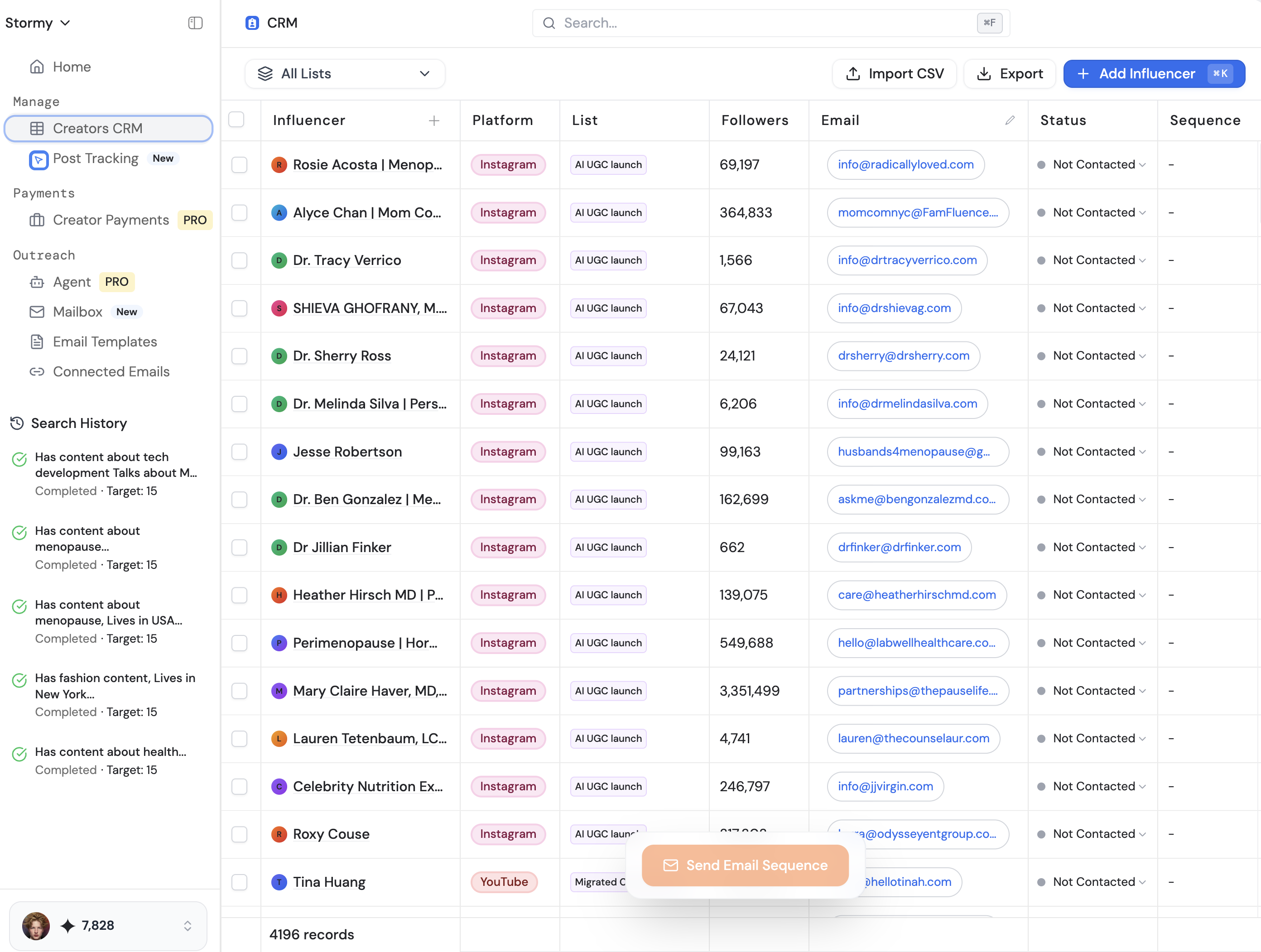
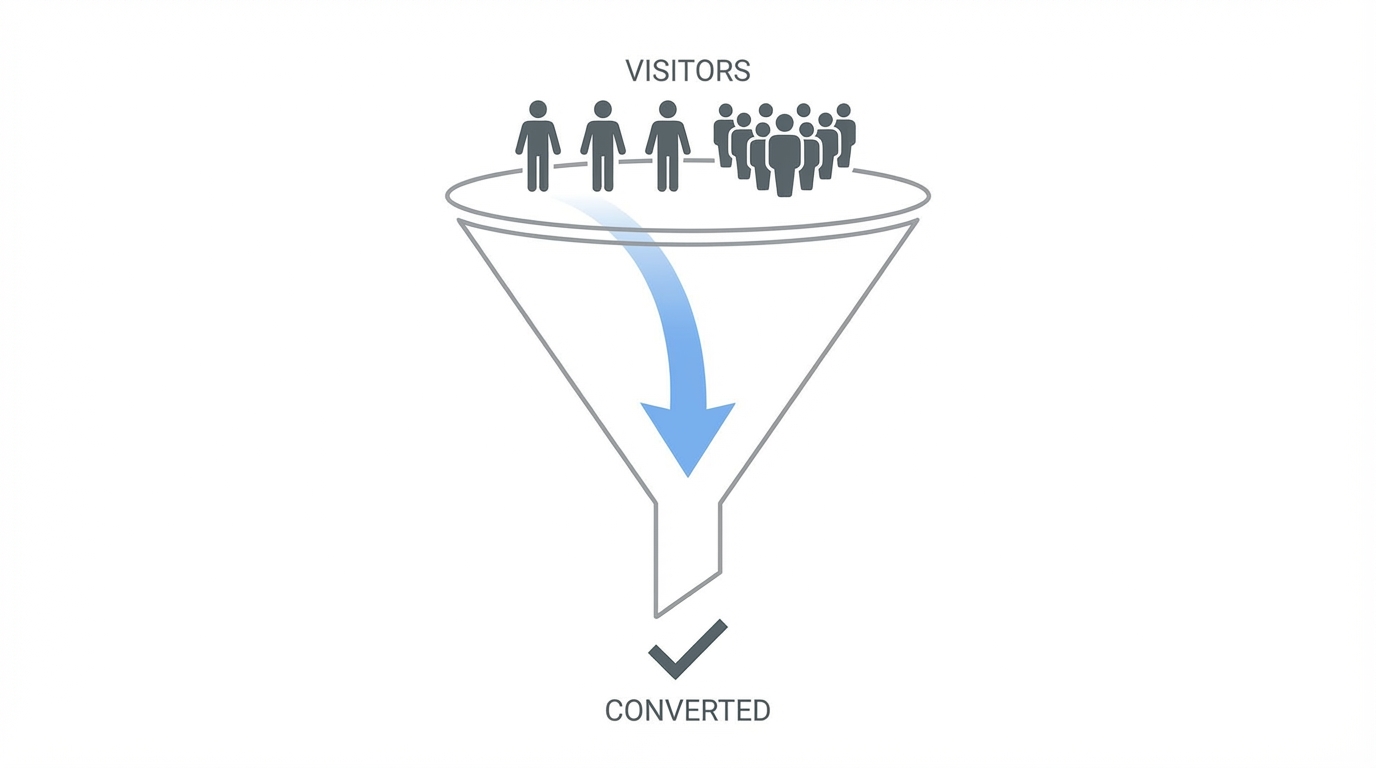
Traffic is a vanity metric unless it converts. The bridge between a free signature maker and a paid subscription is the most critical part of the user acquisition strategy. At Signaturely, the funnel was designed to be friction-less. Once a user created their signature, they were prompted to use it to sign a document immediately. This led them directly into the core product experience. Just as Stormy AI uses a built-in creator CRM to track every interaction and negotiation in one place, your funnel must centralize the user's journey.
A successful conversion funnel in a product-led model follows these steps:
Step 1: Solve the Immediate Pain
Provide the tool (e.g., the signature maker or a tax calculator) with zero gates. Do not ask for an email until the user has seen the value. In the context of mobile growth, this could be a free tool to analyze App Store Optimization (ASO) performance before suggesting a deeper analytics suite.
Step 2: The Logical Next Step
Once the signature is made, the next logical step is to place it on a document. This is where you transition the user from a visitor to an account holder. Ensure that the "Sign Now" button is the most prominent element on the page after the utility has been used.
Step 3: Value-Based Upgrades
Paid subscriptions should be triggered by volume or advanced features, not by basic utility. If a user needs to send 50 documents a month or requires team collaboration, they move into a paid tier. This ensures that the organic growth for software remains high at the top of the funnel while monetizing power users.
Technical SEO vs. Utility: Why Tools Outperform Blogs
In the debate of SEO for SaaS startups, building a tool often provides a higher ROI than writing ten blog posts. Search engines like Google prioritize user engagement signals. When a user spends five minutes interacting with a tool on your site, it sends a powerful signal that your page is valuable. This leads to higher rankings for broader, more competitive terms.
Furthermore, tools naturally attract backlinks. People are far more likely to link to a "Free Marketing Agreement Template" or an "Automatic Email Verifier" than they are to link to a 1,000-word article about email marketing tips. For instance, brands use Stormy AI to vet creator quality and detect fake followers, providing a level of utility that a simple blog post on "influencer tips" never could. Uplead, another business built by Cannon, achieved its first $1 million in ARR through high-quality data and cold email outreach, but its long-term stability is anchored in the tools that verify that data in real-time. Tools create utility-based backlink magnets that blog posts simply cannot match.
Modern marketing also requires maintaining high security standards to close enterprise deals. As your tools gain traction, platforms like Vanta can help automate compliance, ensuring that your organic growth doesn't get bottlenecked by security audits from larger prospects.
Where the Opportunities Lie in 2025
The product led growth strategy isn't just for e-signatures or accounting. Several markets are currently ripe for disruption via utility-led SEO. According to industry leaders, three areas stand out:
- Simple CRMs: Most small businesses don't need the complexity of Salesforce. A template-driven CRM that starts with a free lead-tracking sheet can capture massive market share.
- Payroll Software for SMBs: Copying the FreshBooks template model for payroll and tax compliance can build a massive organic moat.
- Website & AI Analytics: As users move away from traditional search and toward LLMs, tools that track AI mentions and attribution will be in high demand.
For mobile app developers and growth teams, this strategy is particularly effective when combined with user-generated content (UGC). By providing creators with tools to script and organize their videos, brands can attract top-tier talent. This is where AI-powered discovery tools like Stormy AI come into play, allowing brands to find the right influencers once their organic SEO funnel has identified the need for more content.
The Growth Playbook: Keep Moving Forward
Scaling to 1.6 million users is not an overnight feat, but it is a repeatable process. By focusing on template marketing and utility tools, you can build a sustainable user acquisition strategy that doesn't rely on the fluctuating prices of Google Ads or Meta Ads. Start by identifying a market with proven product-market fit, find the "twist" by analyzing competitor weaknesses, and build a free utility that solves a single, painful problem.
As you scale your organic efforts, remember that tools are your most valuable content. Whether you are building an e-signature platform or a niche SaaS, your goal should be to provide immediate utility. This builds the trust necessary to move users through your funnel and into a long-term paid relationship. If you're struggling to find the right creators to fuel your growth, platforms like Stormy AI for finding UGC creators and influencers provide the AI-powered analytics needed to find partners who can amplify your organic success through paid channels like Apple Search Ads. The playbooks are already written; your job is simply to execute them with your own unique twist.