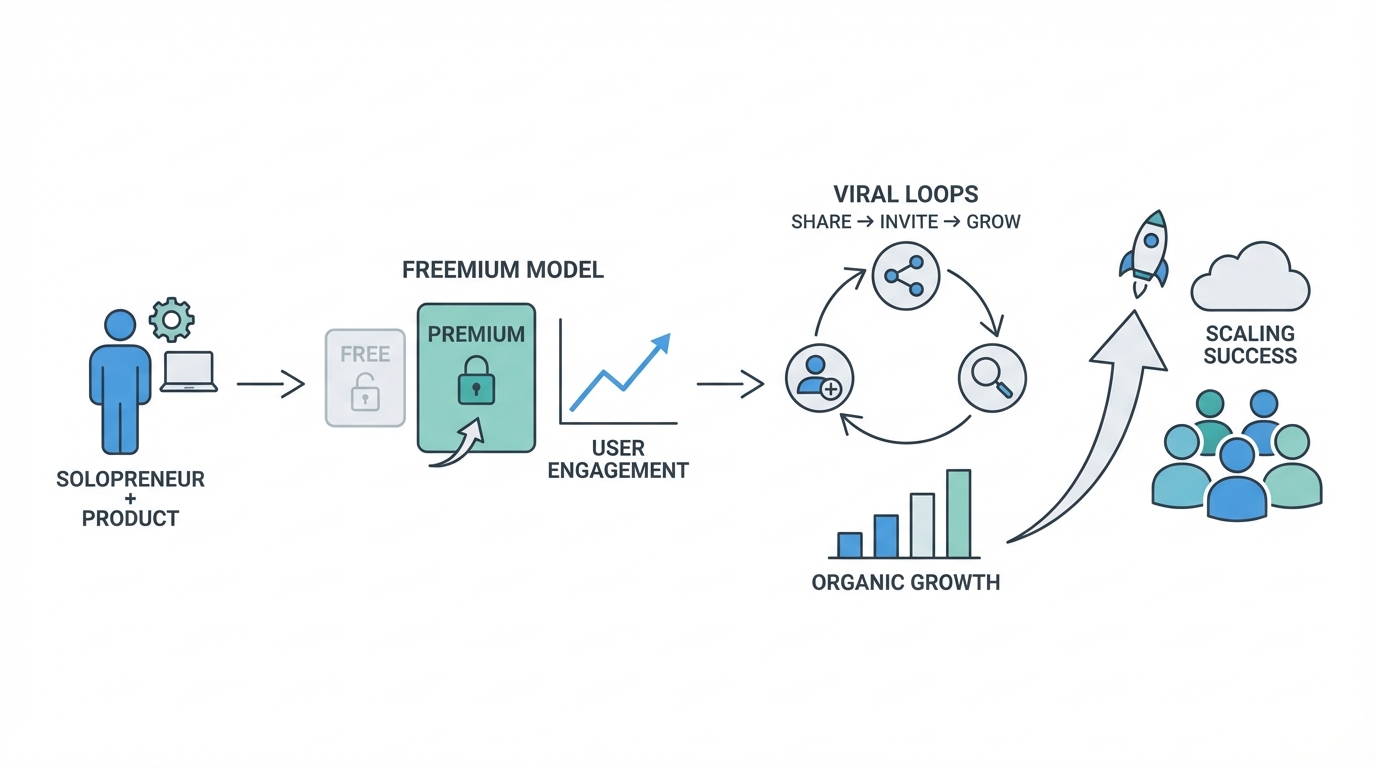
Imagine a business that generates $25,000 in monthly recurring revenue (MRR) while maintaining overhead costs of less than $2,000. In the traditional startup world, hitting these numbers usually requires a massive sales team, a bloated marketing budget, and endless rounds of venture capital. However, a new generation of solopreneurs is proving that by focusing on Product-Led Growth (PLG), you can build a highly profitable, scalable business with a team of just one or two people. By turning the product itself into the primary driver of customer acquisition, retention, and expansion, these lean startups are achieving saas profit margins of 80% to 90%.
The Reddit Validation Framework: Finding Your Niche

Before you can implement a product marketing strategy, you must ensure you are building something people actually want. For Lucas Hermann, the founder of Stagetimer.io, validation didn't come from expensive market research. It came from a single post on Reddit. By identifying a hidden niche—video production professionals—and engaging them where they already hang out, he was able to gather immediate feedback without spending a dime on ads.
The key to scaling a startup in its early days is to find a niche that is small enough for big companies to ignore but large enough to sustain a solopreneur. Lucas found that video production crews were using outdated, awkward tools for something as simple as a countdown timer. By posting his MVP on a specific subreddit and asking for feedback rather than sales, he secured his first users. This low-friction entry point is essential for any saas freemium model. When you lead with value rather than a price tag, users are more likely to offer the constructive criticism needed to refine the product.
The 'Dropbox Method' and URL-Based Viral Loops
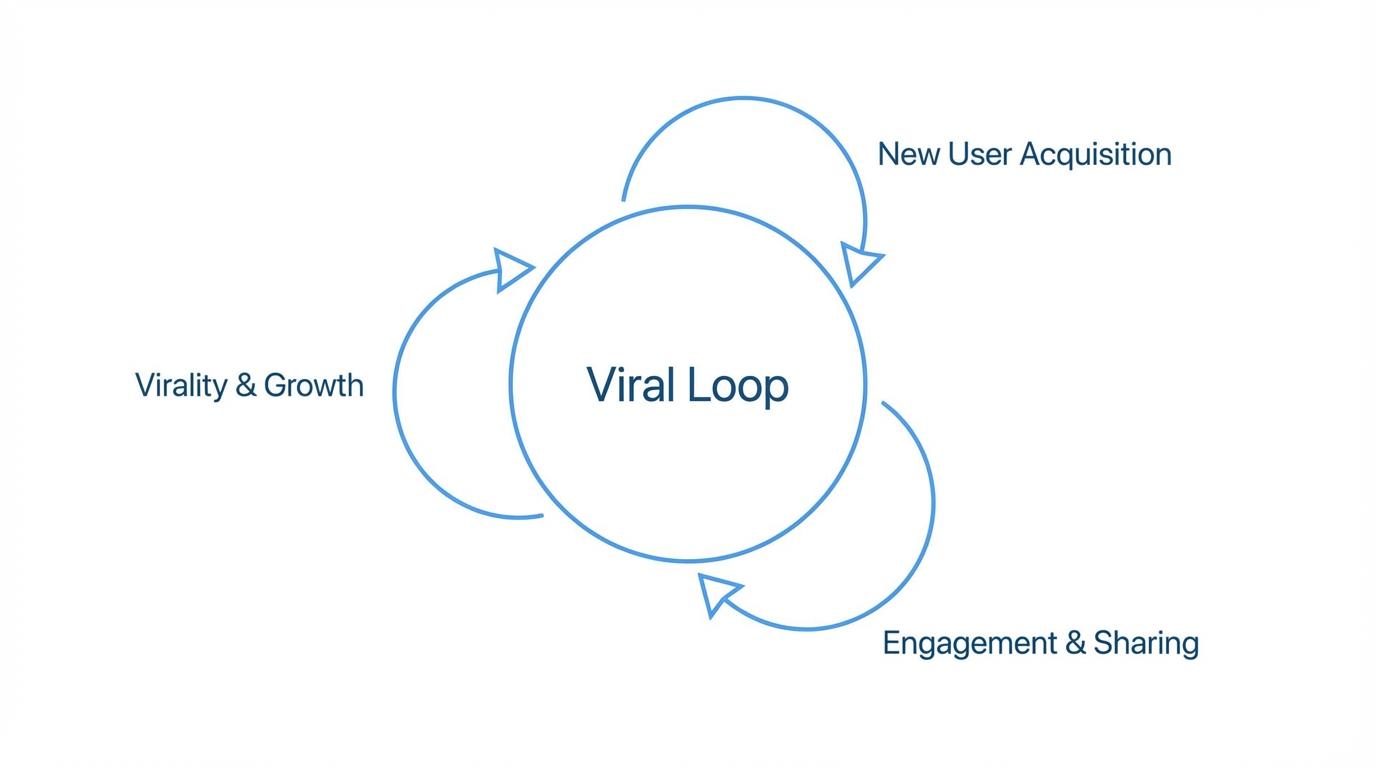
One of the most effective product led growth examples is what many call the 'Dropbox Method.' In its early days, Dropbox grew exponentially by incentivizing users to share the product in exchange for more storage. For a modern solopreneur, this means embedding your branding directly into the shareable assets your product creates. Every time a user shares a link, a report, or a timer from your app, your brand should be front and center.
For Stagetimer, this meant including the logo and the URL—Stagetimer.io—directly on the timer interface. Because the tool is used in public-facing environments like live events and TV broadcasts, the product effectively markets itself. This is the ultimate product marketing strategy: creating a viral loop where the normal use of the tool exposes it to new potential customers. If you are struggling to find the right niche to seed these loops, Stormy AI's search and discovery across TikTok, YouTube, and LinkedIn can help you identify creators and industry leaders who already have the audience you need to reach.
Freemium as a Distribution Strategy: Capturing the Freelancer
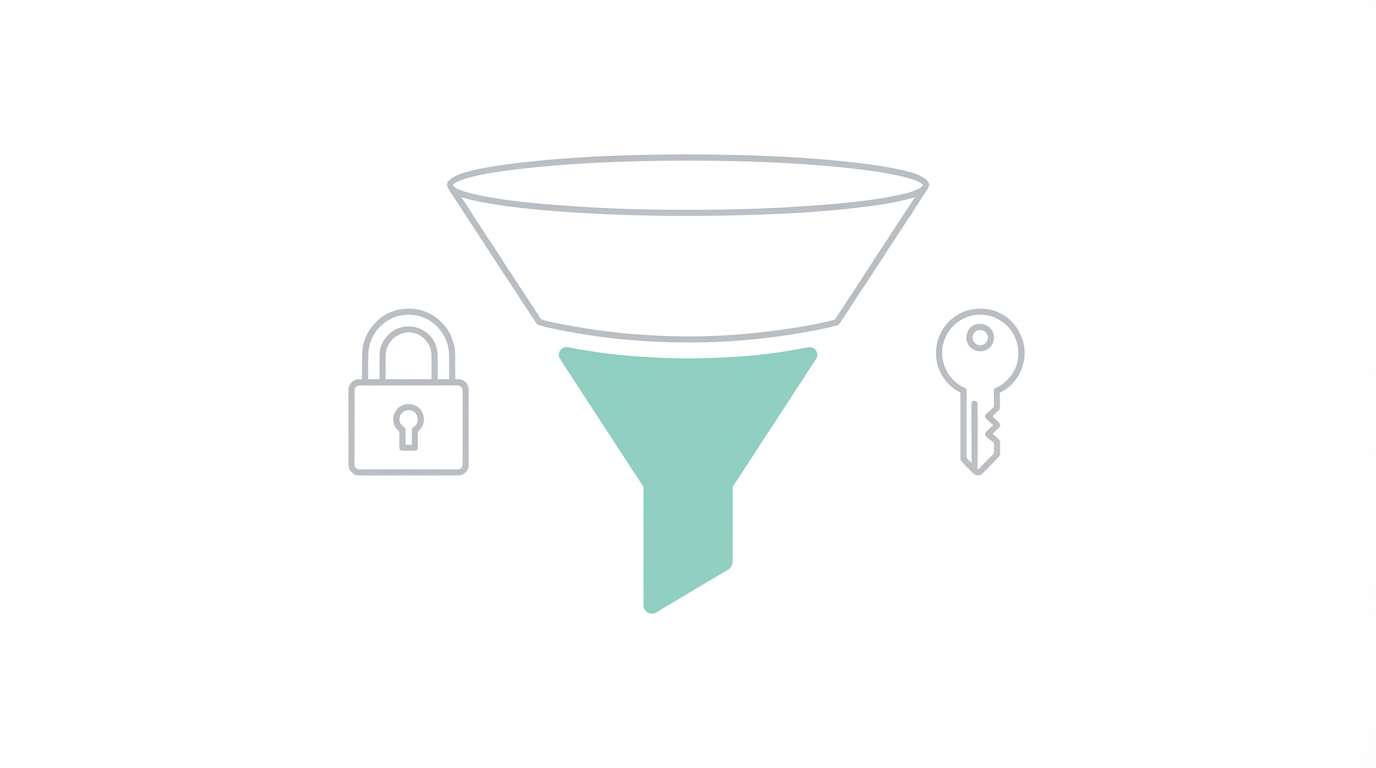
The saas freemium model is often misunderstood as just a "free trial." In a true PLG strategy, the free tier acts as a distribution engine. In the world of professional services, freelancers are your greatest advocates. They move from project to project, bringing their favorite tools with them. By offering a robust free version of your tool, you capture the freelancer who then introduces your software to large enterprise environments.
When a freelancer pulls up your app at a major event or corporate meeting, they are essentially providing a warm lead. Once the organization sees the value, they often hit the limits of the free tier—such as the number of active rooms or customization options—and transition to a paid plan. This 'land and expand' strategy is how solopreneurs can penetrate high-value markets without a dedicated sales force. To ensure you are targeting the right influencers within these niches, you can use Stormy AI for influencer vetting and fake follower detection to ensure your advocates' audience quality aligns with your brand's goals.
Inadvertent Word-of-Mouth: Designing for Visibility
Most word-of-mouth is intentional, but the most scalable kind is inadvertent word-of-mouth. This happens when your app is seen by others during its normal use. If you build a tool for live events, horse races, or election broadcasts, every person in that room or watching that screen becomes a potential lead. This is why scaling a startup often depends more on UI/UX visibility than on traditional ad spend.
To maximize this, you should optimize your product for search engine visibility and platform-specific integrations. Creating documentation for specific hardware, like the Stream Deck, and posting tutorials on YouTube creates a library of 'how-to' content that captures high-intent users. These are people looking for a specific solution to a concrete problem. By monitoring these queries in Google Search Console, you can double down on the keywords that actually drive conversions.
The Lean SaaS Tech Stack: Managing High Margins
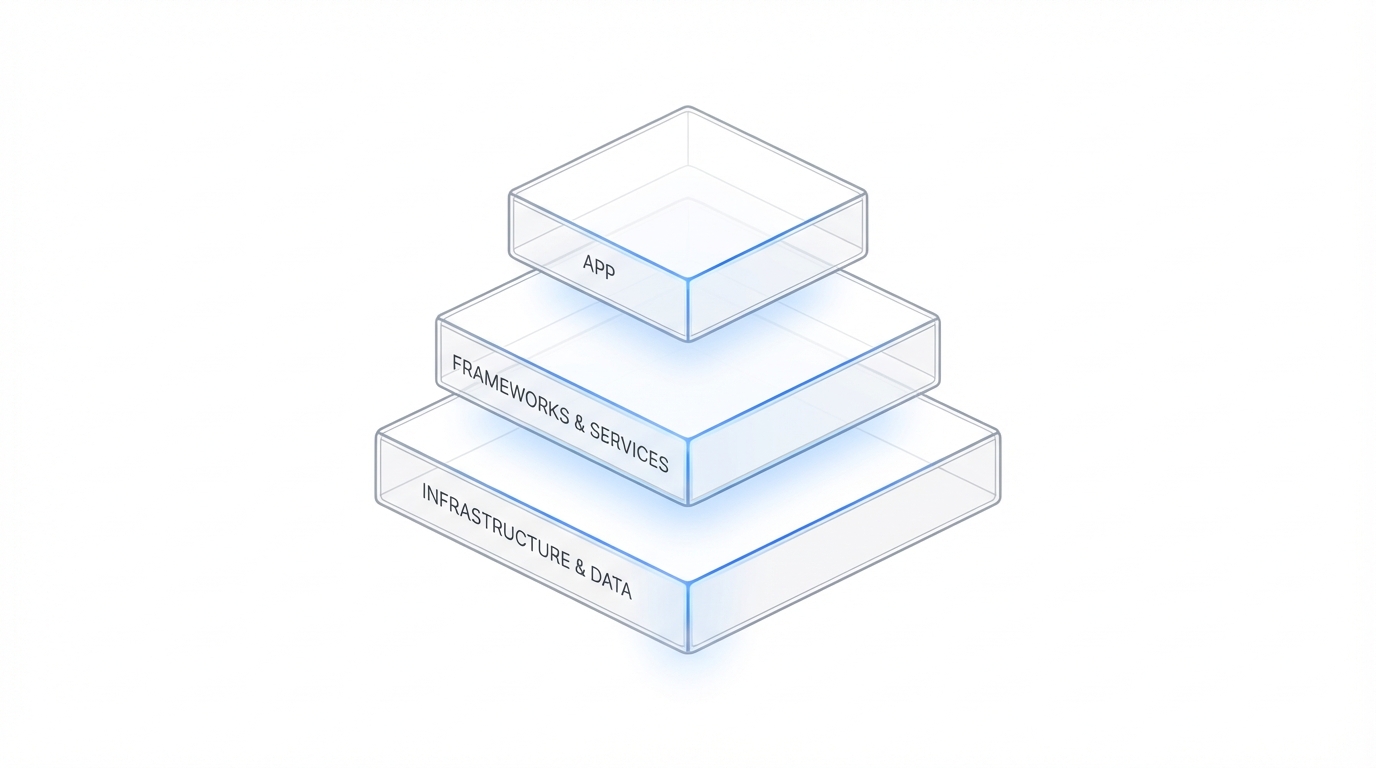
Achieving saas profit margins of over 80% requires a disciplined approach to your tech stack. Lucas Hermann manages $25k MRR with less than $2,000 in monthly overhead by using reliable, battle-tested tools rather than chasing the latest trends. His stack includes JavaScript, Vue.js, and Node.js, allowing him to ship updates quickly without a steep learning curve.
For operations, the stack remains equally lean:
- CRM: Airtable is used to track customers and automate workflows.
- Email: Postmark handles transactional emails with high deliverability.
- Development: Simple tools like Sublime Text keep the workflow fast.
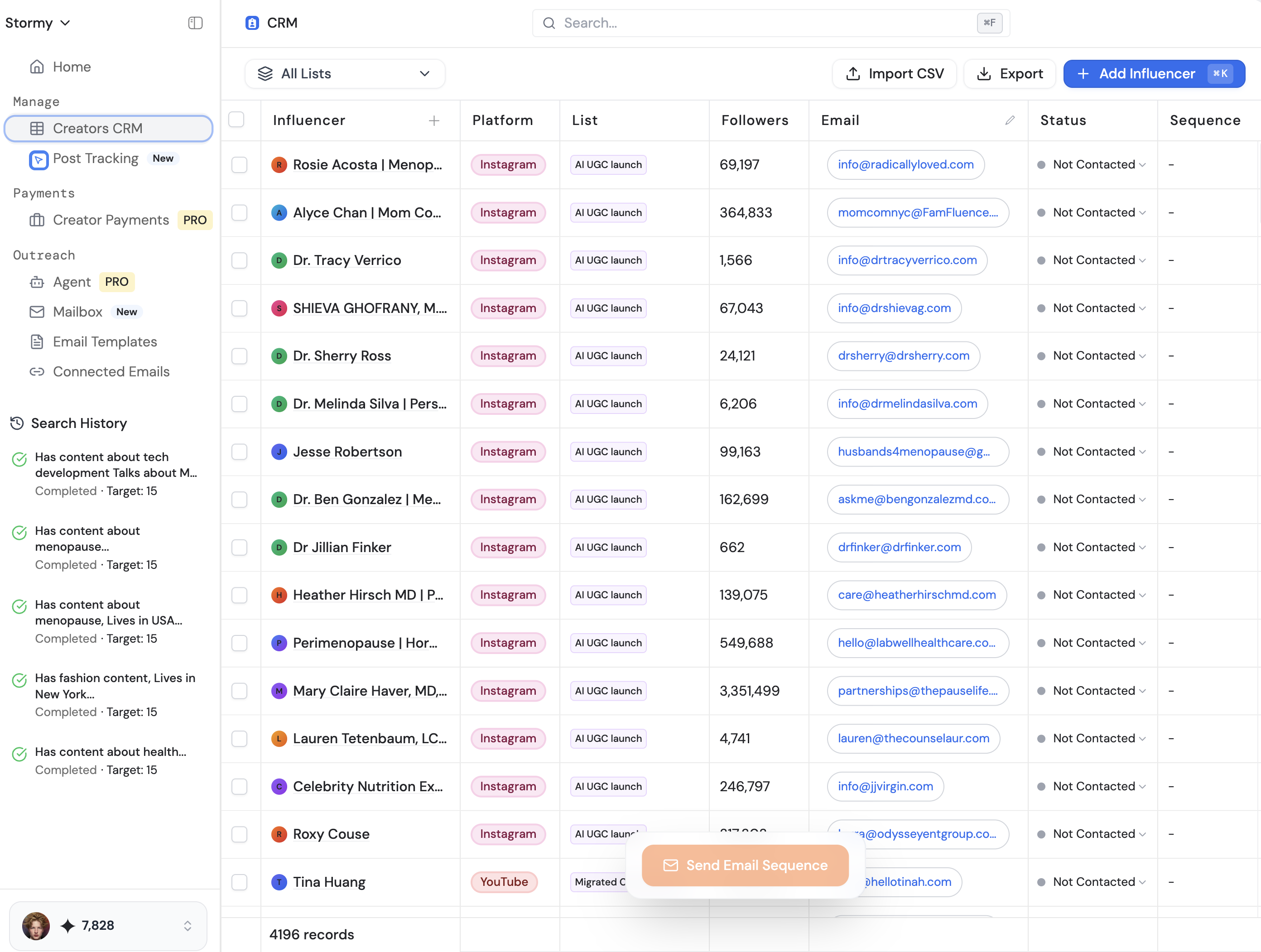
To handle the growth of these relationships without adding more headcount, many solopreneurs are turning to automated systems. For example, Stormy's AI email outreach and creator CRM can manage hundreds of personalized conversations and follow-ups automatically, allowing a single founder to do the work of an entire marketing department while they sleep.
Scaling Operations as a Family Business
Scaling a startup doesn't always mean aiming for a 100-person office. For many, the goal is a lifestyle business that supports a family. Lucas's wife transitioned from teaching to managing marketing and customer support, allowing the business to remain a lean, two-person operation. This model works because of clear role delegation and the use of automation.
While one partner focuses on product development and finances, the other handles Google Ads, sales emails, and support. This synergy allows for deep work and high-level strategy conversations that wouldn't be possible in a larger, more bureaucratic organization. As the business grows, tracking the success of these efforts is vital. Stormy's post tracking allows small teams to monitor exactly how their content and collaborations are performing across platforms like TikTok and Instagram, ensuring every marketing dollar is spent effectively.
Conclusion: The Path Forward for PLG Solopreneurs

The success of products like Stagetimer proves that there is a massive opportunity in "unsexy" niches. There are countless industries still using software with interfaces from the late 90s. For the aspiring solopreneur, the mission is simple: find a manual, awkward process in the real world, build a simple solution, and let the product do the talking.
By leveraging the saas freemium model, embedding viral loops, and maintaining a lean tech stack, you can build a business with incredible saas profit margins. Don't be afraid of regulation or the complexity of starting; the tools available today make it easier than ever to ship an MVP in days rather than months. If you're ready to start your own product-led growth journey, you can set up a Stormy AI autonomous agent to discover, outreach, and follow up with partners on a daily schedule—fully automated from day one.