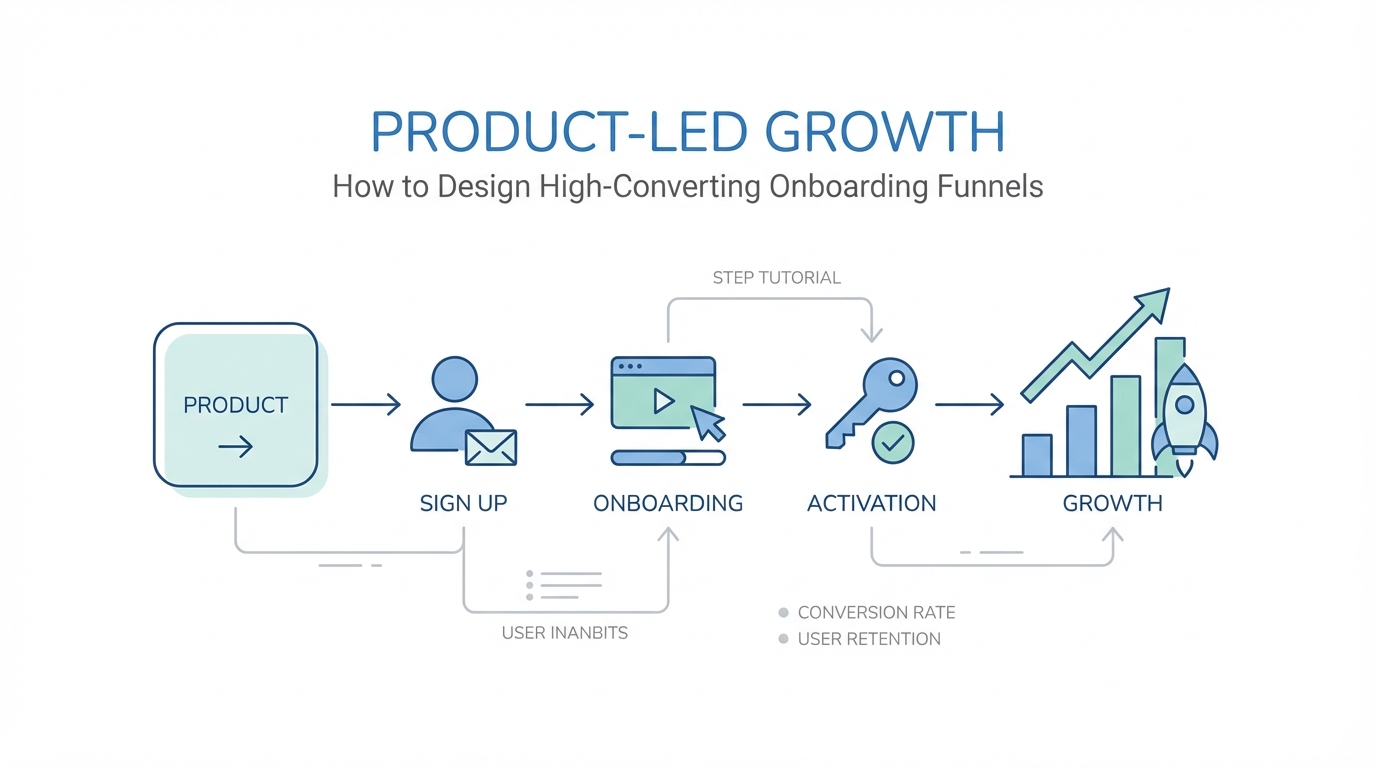
Growth in the modern mobile ecosystem is no longer just a function of how much you can spend on customer acquisition. As the cost of media buying on platforms like Instagram and TikTok continues to fluctuate, the most successful developers are shifting toward a product led growth strategy. This approach centers on the idea that the product itself—specifically the onboarding experience—is the primary driver of customer acquisition, conversion, and retention. Hunter Isaacson, a veteran builder who has overseen over 300 million downloads across apps like NGL and Bags.fm, suggests that the difference between a struggling app and a $1 million MRR powerhouse often comes down to the psychological engineering of the first five minutes of the user journey.
Packaging Simple Tools: The Cal AI Lesson
One of the most profound lessons in modern growth engineering comes from the success of Cal AI. In a world where anyone can access open-source AI models or public APIs, technical defensibility is rarely the moat. Instead, the moat is packaging. Anyone can build a calorie-tracking app, but Cal AI succeeded by creating an onboarding experience that felt high-value and personalized. By asking the right questions and creating a sense of user investment during the initial flow, they made the underlying technology seem more valuable than a generic wrapper.
When users spend time inputting their goals, preferences, and data, they are essentially "depositing value" into the app before they even reach the core feature. This psychological principle, often referred to as the IKEA effect, means they are less likely to churn because they have already performed the work. This is a cornerstone of app onboarding best practices: don't just show the features; make the user work for the reward. By the time the user reaches the dashboard, the app feels like it was built specifically for them. This level of onboarding funnel optimization ensures that the perceived value of the tool scales with the effort the user puts in during the first session.
Reducing Branching Journeys: The Power of a Single Flow
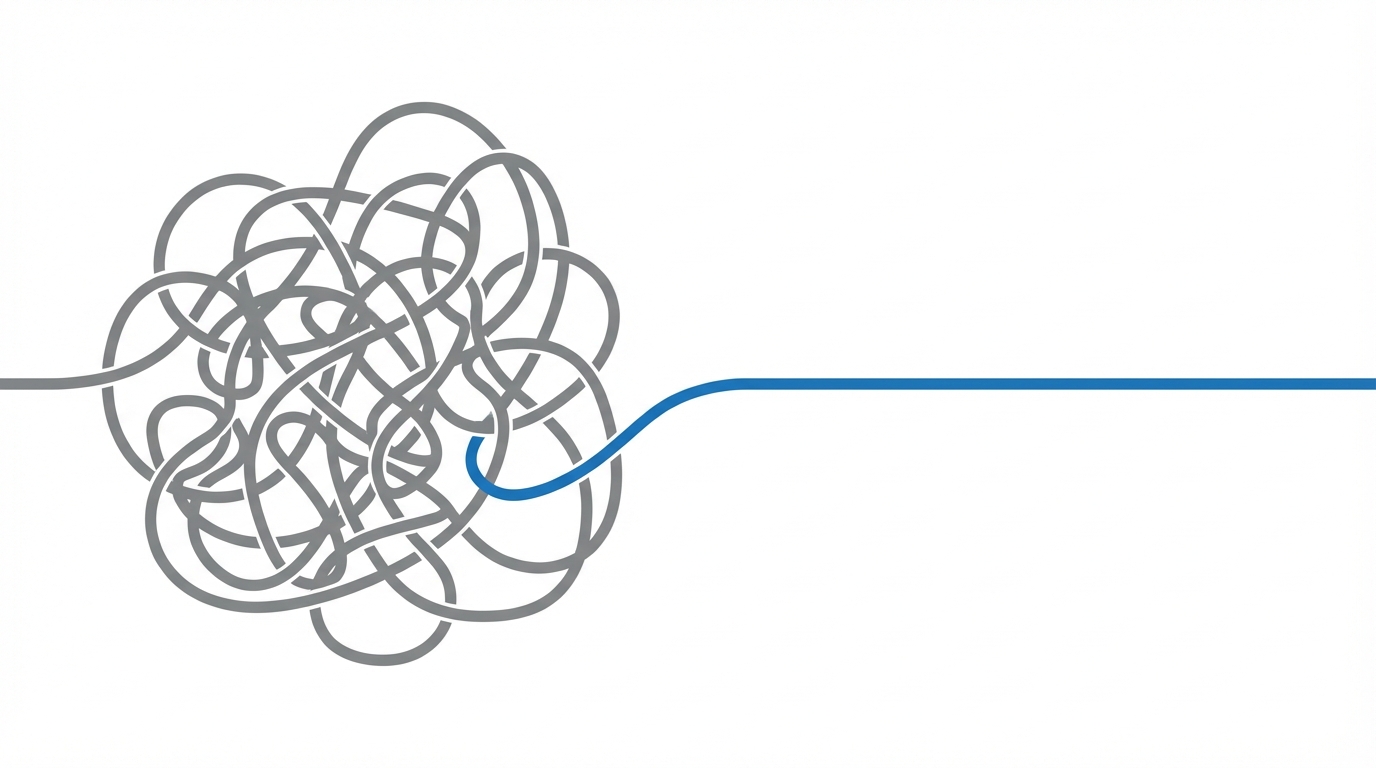
A common mistake in growth engineering tactics is providing users with too many choices during onboarding. Data from hundreds of millions of downloads suggests that branching user journeys are the enemy of conversion. When a user is presented with multiple paths—such as "Choose your interest" or "Skip for now"—the cognitive load increases, leading to a higher drop-off rate. Hunter Isaacson advocates for a single-flow onboarding process where every user follows the exact same path to the core action.
By forcing a single path, you can precisely measure where users are dropping off and optimize that specific step. If you have five different paths, you have five different funnels to fix. A unified flow allows for cleaner A/B testing and ensures that every user is exposed to the North Star metric action. For NGL, this meant a four-step tutorial that trained users on how to use the Instagram link sticker—a feature many had never used before. By focusing all energy on that one specific behavior, they were able to train 250 million people to perform a complex social action seamlessly.
Strategic Friction: When to Use Hard Invite Gates
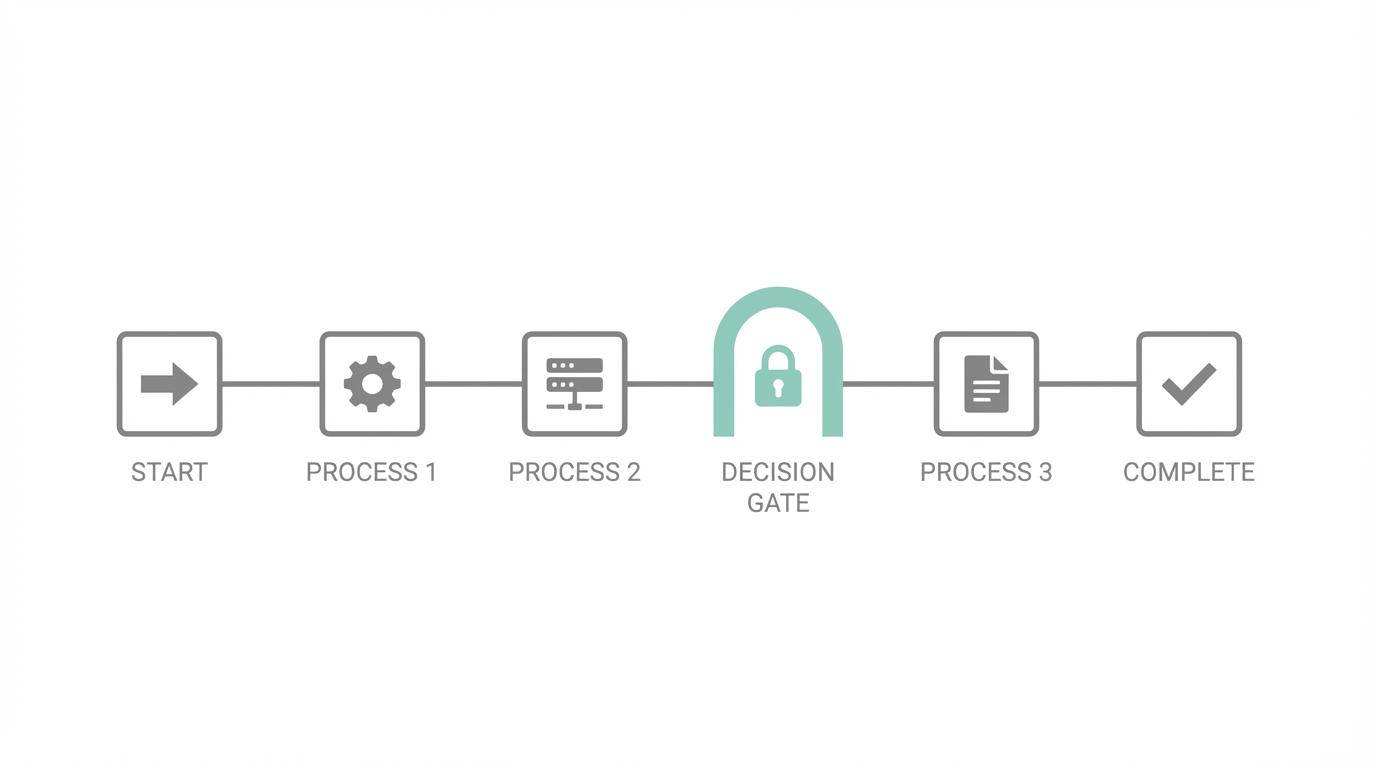
While most UI/UX designers strive to remove all friction, sometimes friction is a growth lever. Take the example of the photo app Laps, which utilized a "hard invite gate." Users were required to invite 3 to 5 friends before they could even enter the app. While this undoubtedly prevented many users from joining, it ensured that those who did enter were extremely high-quality users. Because they brought their social circle with them, the app was instantly "multiplayer," which is a massive boost for user retention for mobile apps.
This tactic creates a high K-factor—the number of new users generated by an existing user. If your product relies on social interaction or community, a hard gate can be more effective than a frictionless entry. However, this strategy requires a strong brand and "hype" to motivate the user to cross the threshold. If the perceived value of the app isn't high enough, users will simply close the app. Therefore, the branding must be "on the nose" and immediately relatable to the target audience, often leveraging slang or community-specific language to build trust.
The Psychology of "Staying a While": Using Colloquial Affinity

Design is not just about aesthetics; it’s about making the user feel comfortable. High-converting apps often use colloquial language and simple branding to lower the barrier to entry. Apps like NGL (Not Gonna Lie) or Bags.fm (using the crypto slang for "holding a bag") resonate because they speak the language of their users. This creates an immediate sense of affinity. When the app's copy feels like a text from a friend rather than a corporate manual, users are more likely to "stay a while."
Hunter Isaacson notes that he solo-designs his apps using Figma, focusing on short, punchy names and relatable branding. This approach is particularly effective for Gen Z and millennial audiences who value authenticity. When you are ready to scale this brand affinity, platforms like Stormy AI streamline creator sourcing and outreach to manage UGC creators at scale, ensuring that the content being created about your app matches the authentic voice you’ve built into the product. Seeding your app with influencers who already use this colloquial language can create a viral loop that feels organic rather than forced.
Engineering User Retention: The North Star Metric

To achieve onboarding funnel optimization, you must identify your North Star metric—the one action that most strongly correlates with long-term retention. For a social app, this might be getting a match on the first day. For an anonymous messaging app like NGL, the metric was the percentage of users sharing a link and receiving 3+ replies. They found that once a user saw that their friends were actually engaging with their link, they became significantly more comfortable with the platform.
The goal of your onboarding should be to lead the user to this tipping point as quickly as possible. Every screen that doesn't contribute to this core action should be considered for removal. In the case of Bags.fm, the North Star was funding an account and making one trade on the Solana network within the first 24 hours. By orienting every design decision around this trade, they maximized their growth engineering tactics. If a decision doesn't move the needle on your North Star, it's a distraction.
Seeding the Funnel: Moving from MVP to Viral Success
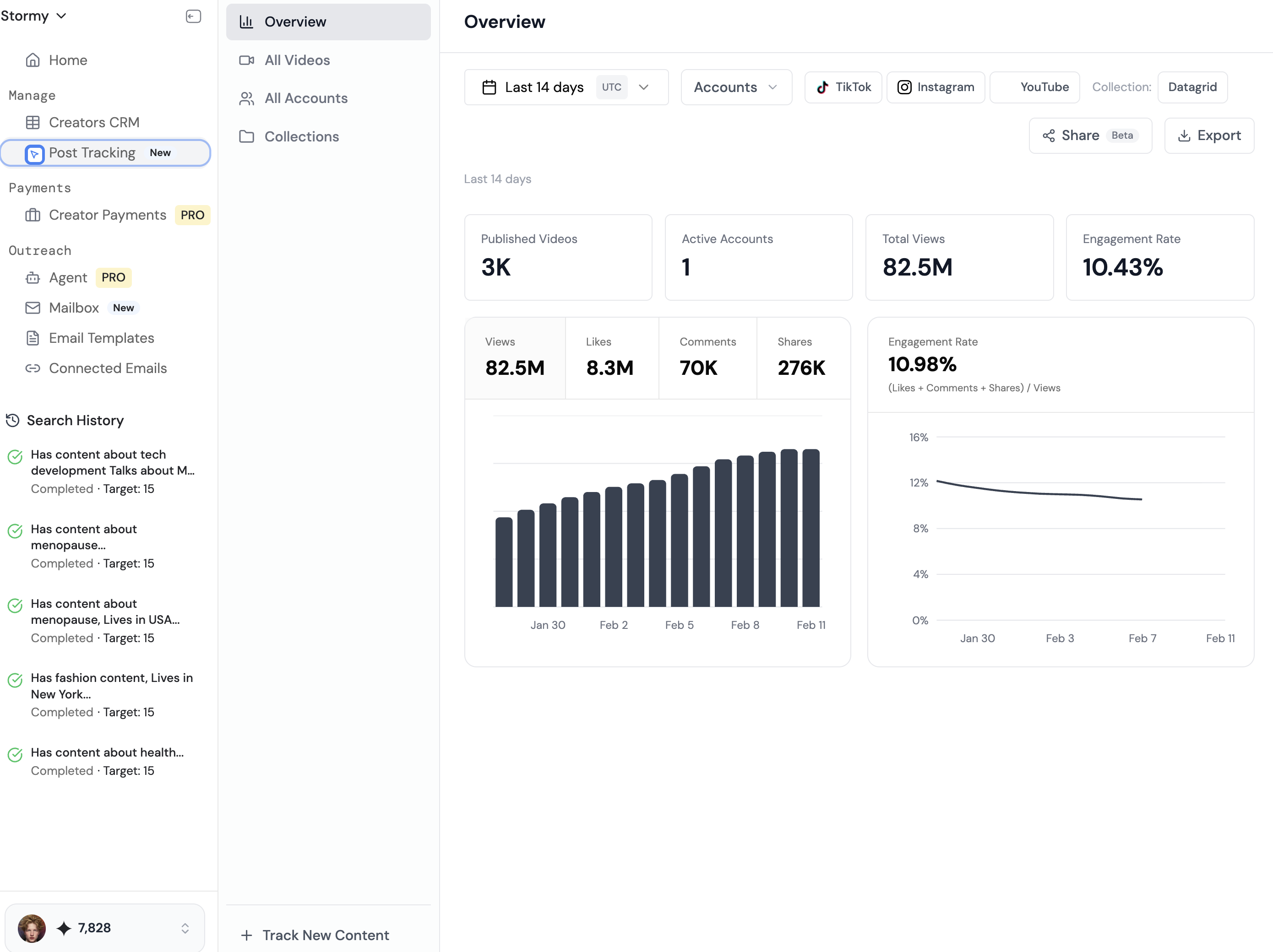
Once the onboarding flow is optimized and the North Star metric is being hit by 90% of your test users, it's time to seed the app. This involves getting enough users onto the platform simultaneously to trigger organic viral loops. Historically, this meant expensive ad spend, but today, it's done through creator-led seeding. By paying small amounts to influencers on TikTok or X (formerly Twitter) to post their links or share their experience, you can create a localized "hype" that the App Store algorithm rewards with higher rankings.
To find the right partners for this seeding phase, you can discover creators on Stormy who have high engagement in your specific niche, whether that’s crypto, fitness, or social networking. Successful seeding isn't about one big celebrity; it's about tightly timed clusters of content from mid-tier creators that make the app feel ubiquitous to a specific subculture. Once you have that initial traction, the growth loops built into your high-converting onboarding funnel will take over, turning those initial downloads into a self-sustaining ecosystem of users.
Looking Ahead: AI and the Next Hardware Singularity
The future of product led growth strategy will likely be driven by new technologies like GPT Vision and local LLMs running directly on mobile hardware. We are entering an era where apps can "see" and "reason" in real-time, opening up new possibilities for user retention for mobile apps. For example, apps like Pangu are already using AI to create "virtual pets" that offer a more human, contextual experience than the Tamagotchis of the 90s. As augmented reality glasses eventually hit the mainstream, the onboarding experience will move from a 2D screen into a fully immersive environment, requiring a whole new playbook for growth engineering.
For now, the lesson for any builder is simple: keep it stupid simple. Start with an MVP that solves one problem, design a single-path onboarding flow that maximizes user investment, and pick one North Star metric to rule them all. By combining these psychological principles with modern distribution channels like creator-led marketing, you can build a consumer app that doesn't just get downloads, but builds a lasting, high-revenue business.