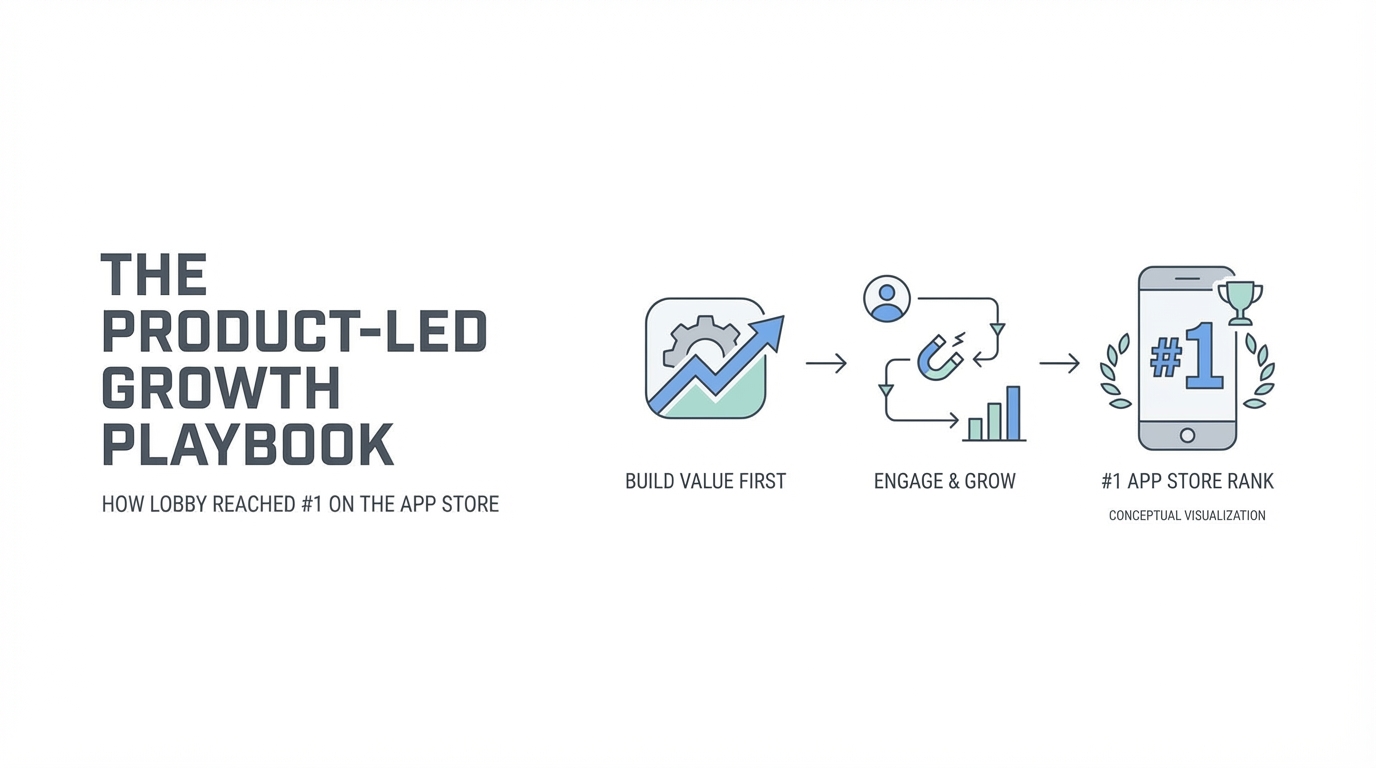
Scaling a consumer social app is often described as the hardest problem in tech. Between the high churn rates of fickle Gen Z users and the massive competition for home-screen real estate, most apps die in obscurity. Yet, Roger Chen managed to crack the code not once, but twice. His first app, Lobby, reached 500,000 daily active users (DAUs) and hit #1 on the App Store in five different countries [source: Lenny's Podcast] without spending a single dollar on traditional performance marketing. His second project, Bro, an AI companion, followed a similar trajectory by dominating the US charts. The secret wasn't a massive ad budget; it was a disciplined product-led growth framework that prioritized viral mechanics and psychological safety over brute-force acquisition.
Validation First: Building Mockups, Not Code
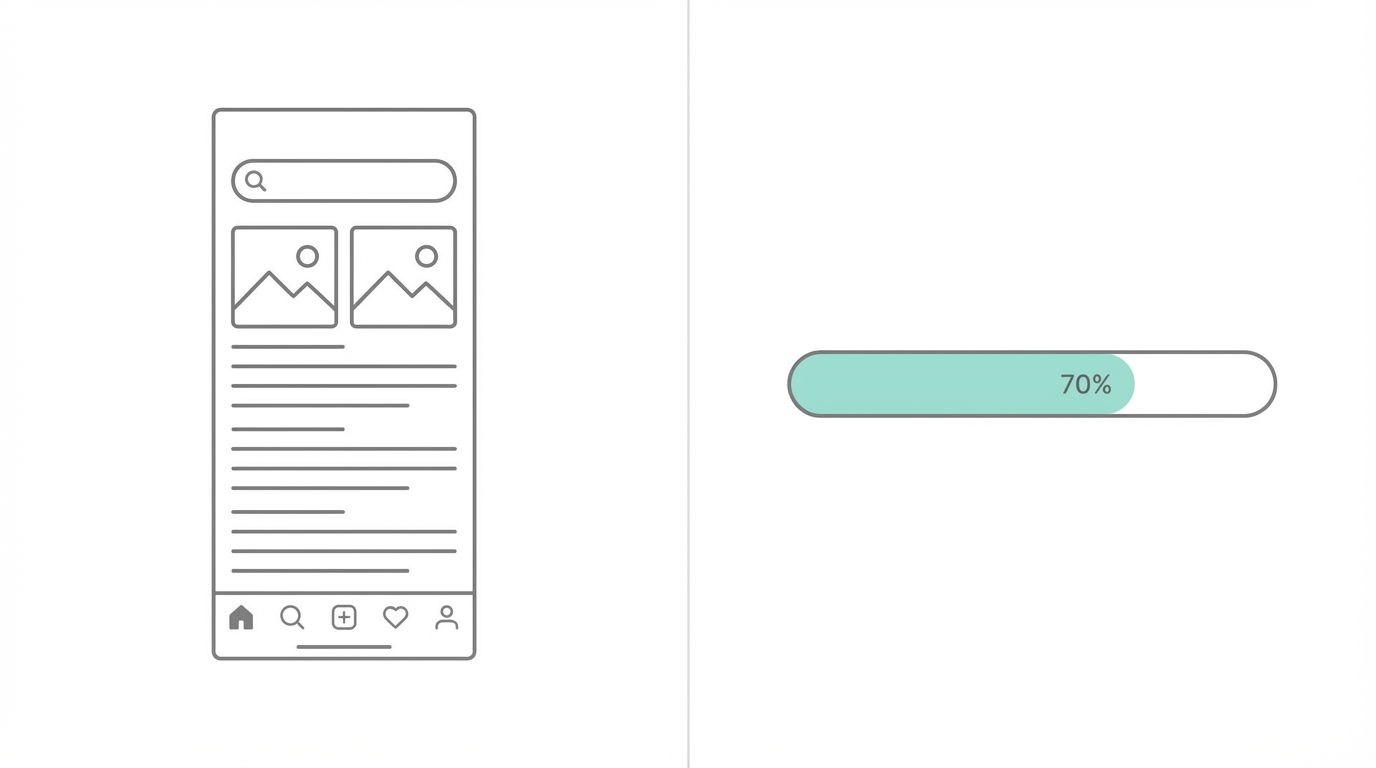
Most founders spend months in "pivot hell," building features that no one actually wants. Roger Chen’s approach to viral growth strategies begins before a single line of production code is written. For the app Bro, Chen and his co-founder Leo used Protopie to create high-fidelity mockups that looked and felt like a real app but were essentially advanced PowerPoints. They would carry their phones around, interacting with these "fake" apps while on the go to see if the flow felt intuitive. If a gesture felt awkward or a screen transition was too slow, it was fixed in the mockup phase, saving weeks of engineering effort.
To validate the concept further, they didn't wait for a finished product to test market demand. They used Google Ads and TikTok Ads campaigns to run "smoke tests." By filming the Protopie mockup as if it were a real product, they could measure click-through rates and user interest instantly. This product-led growth strategy ensures that by the time you actually launch on the App Store, you already have a proven hook that resonates with users. Chen argues that the period between an initial idea and launch is the most dangerous for a startup; using rapid prototyping and ad-based validation is the fastest way to get out of your own head and into the market. Many founders also use Stormy AI to find relevant influencers for these initial smoke tests, helping them gauge interest from specific creator niches before a full rollout.
Network Density: Relationship vs. Temporal

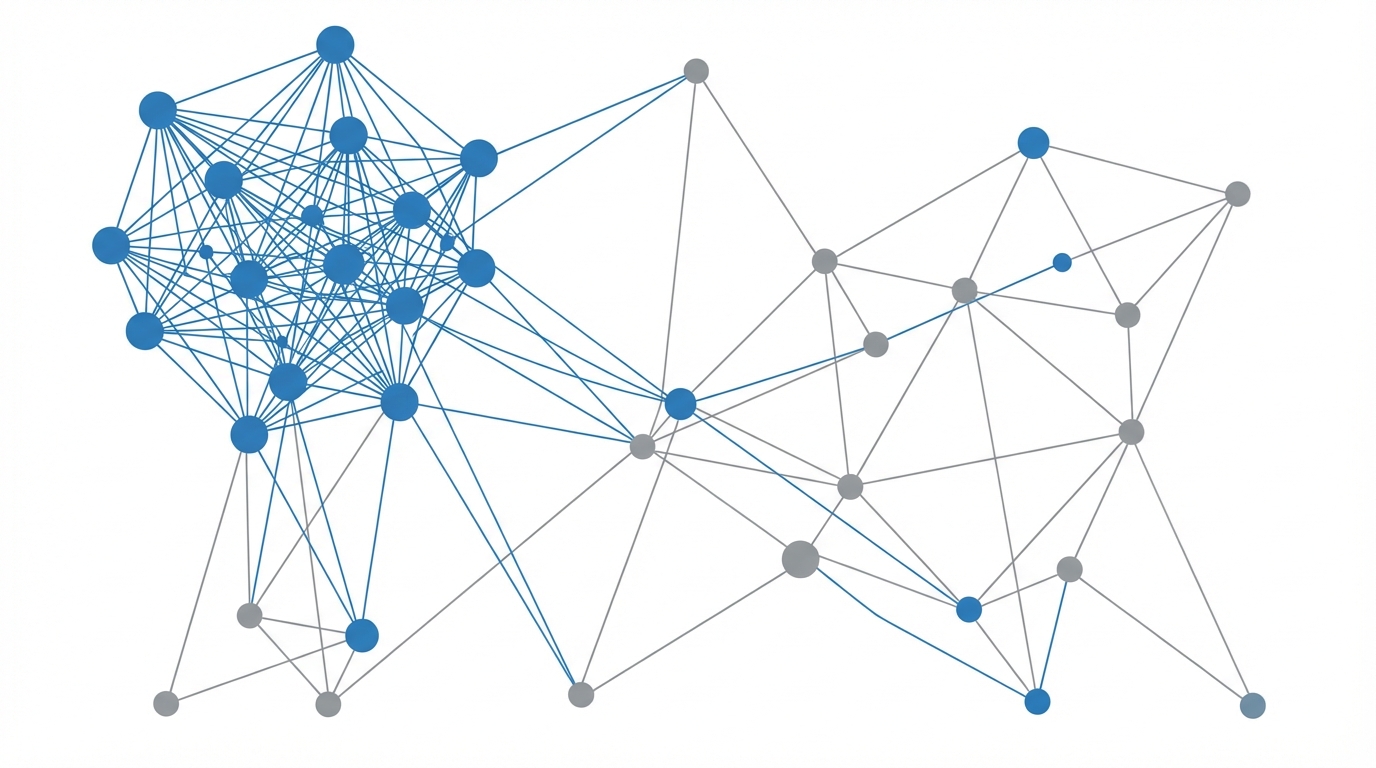
One of the most profound insights from Lobby’s growth is the distinction between relationship density and temporal density. For a social app to thrive, it isn't enough for a user to have their friends on the platform (relationship density); those friends must also be online at the exact same time (temporal density). This is why so many video-calling apps fail—if you join an app and your friends aren't there, the app is functionally useless in that moment.
Lobby found its first major breakout in Israel. Despite being a relatively small market of 7 million people, the app hit #1 and maintained a 90-day retention rate of 25% to 30%. According to Mixpanel benchmarks, this is elite-tier performance for social apps. When Chen analyzed the data, he found that 60% of Israeli users found five friends on their first day, compared to only 20% in other markets. This high network density created a self-sustaining loop. Because the user’s social circle was already present, the probability of a synchronous, "live" interaction was significantly higher. For developers looking to replicate this, Stormy AI is an AI-powered platform for creator discovery that can be invaluable for identifying the right micro-communities or UGC creators to seed an initial user base within a specific geography or interest group using natural-language AI search.
The 'Group Picture' Hack: Engineering Social Sharing
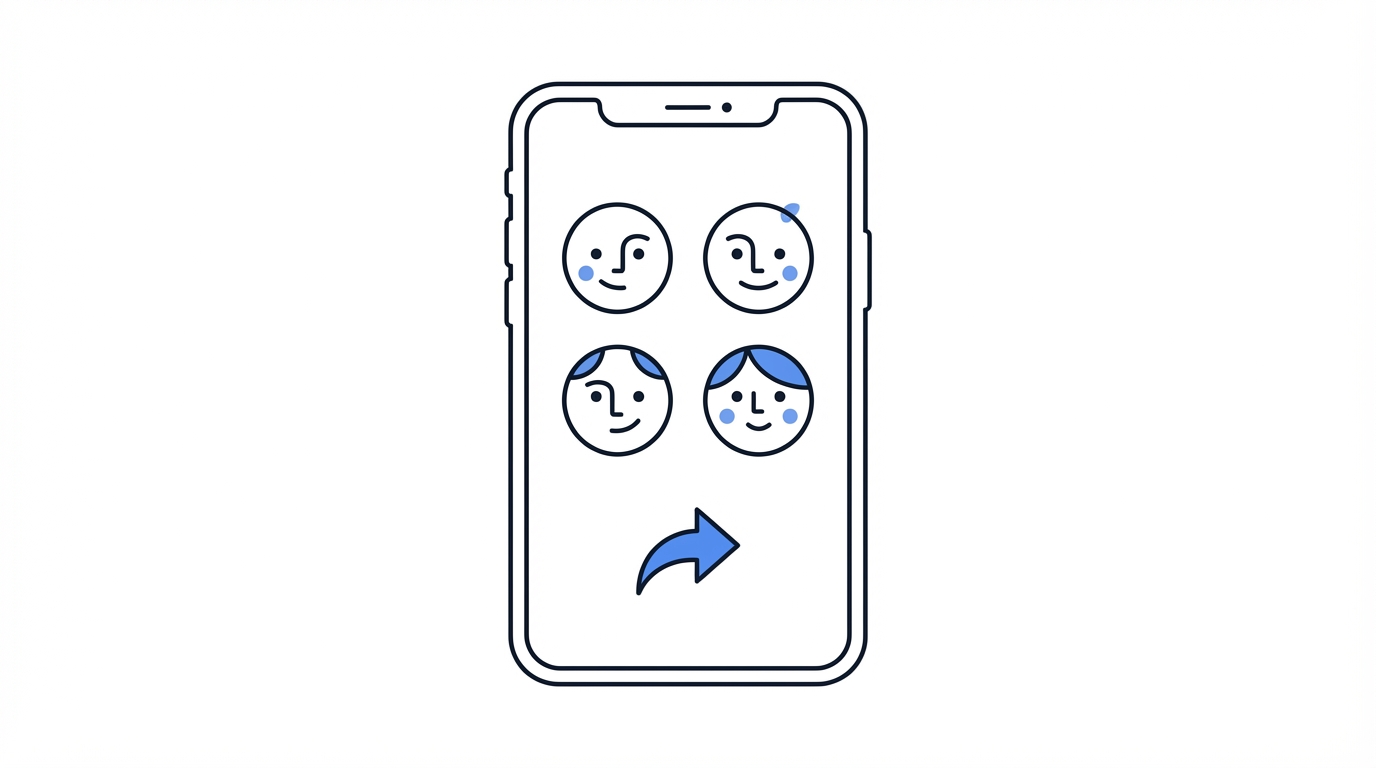
To solve the density problem in other markets like the UK, Italy, and Germany, Lobby introduced the 'Group Picture' feature. Chen observed that when people hang out in real life—say, at a park—and the conversation hits a lull, they often take a photo together. Lobby replicated this digitally. During a group video chat, a button would light up every few minutes, prompting a 3-2-1 countdown. The phone would vibrate, and the app would capture a watermarked boomerang of everyone in the call.
This feature served two critical functions for social app growth. First, it provided a shared, synchronous activity that broke the "awkward silence" of video calls. Second, it created a highly shareable piece of media. When users posted these boomerangs to their Instagram or Snapchat stories, it triggered FOMO (fear of missing out) among their other friends. The watermark acted as a natural referral link, driving organic installs. This is a classic example of viral growth strategies where the product itself becomes the marketing engine.
The Playbook for Low-Friction Interaction
A major barrier to mobile app retention in social products is "social hostage-taking." Many users avoid joining a video call because they fear they won't be able to leave without it being awkward. To combat this, Lobby and Bro implemented several low-friction features designed to keep interactions light and spontaneous:
Step 1: The One-Minute Rule
Lobby introduced a one-minute video call feature. It acted like a "roll call" where users could catch up for exactly sixty seconds before the call automatically ended. By capping the time, the app removed the pressure of having to maintain an hour-long conversation. Users could "blame the game" rather than their own desire to leave, making it much easier to hit the 'join' button.
Step 2: Context Over Content
Inspired by the experience of a college dorm, Lobby integrated background activities like YouTube and SoundCloud. In a traditional Zoom or FaceTime call, the focus is entirely on the person’s face, which feels like a "conference room" setting. By providing music or videos to watch together, Lobby shifted the focus to a shared experience. This AI-powered context—where the app provides something to talk about—is much more effective for retention than simply providing a blank screen.
Step 3: AI as the 'Hype Man'
With the app Bro, Chen is taking this a step further by using AI to create social context. Instead of an AI that replaces human friends, Bro acts as a "hype man" in the conversation. It lives over your Meta Ads Manager or your iMessage screen, offering suggestions, affirmations, or funny commentary to keep the human-to-human interaction flowing. The goal is to use AI to bridge the gaps in human interaction, ensuring the conversation never goes cold.
Scaling to #1 with UGC and TikTok

Once the product mechanics were sound, Chen focused on scaling. For the app Bro, this meant a massive TikTok UGC (User-Generated Content) campaign. They didn't just hire any influencer; they looked for creators who could execute the "hook and demo" format effectively. To ensure these partnerships are successful, you can use Stormy AI to vet creators by detecting fake followers and analyzing deep audience demographics before sending out personalized outreach.
At their peak, Chen’s team managed 50 different creators simultaneously. They found that success on TikTok is top-heavy; while most videos might get a few thousand views, one or two outlier hits would rack up 7 to 8 million views, sending the app to the top of the charts. This social app growth strategy relies on volume and iteration. By constantly testing new "wedges"—specific scenarios like dating app help or morning affirmations—they were able to find exactly what triggered the TikTok algorithm to push their content to a global audience.
Conclusion: The Future of Product-Led Social
The success of Lobby and Bro proves that product-led growth is not just for B2B SaaS; it is the most potent weapon for consumer social apps. By focusing on network density, creating shared synchronous experiences like the 'Group Picture' hack, and using AI to provide social context rather than replace it, founders can build products that people actually want to hang out in. The takeaway for app developers is clear: stop thinking about how to acquire users and start thinking about how your product can facilitate authentic human interaction. Whether you are leveraging Apple Search Ads for initial testing or discovering and tracking creator campaigns on Stormy AI for a TikTok blitz, the core of your growth must always be a product that removes the friction of being social.