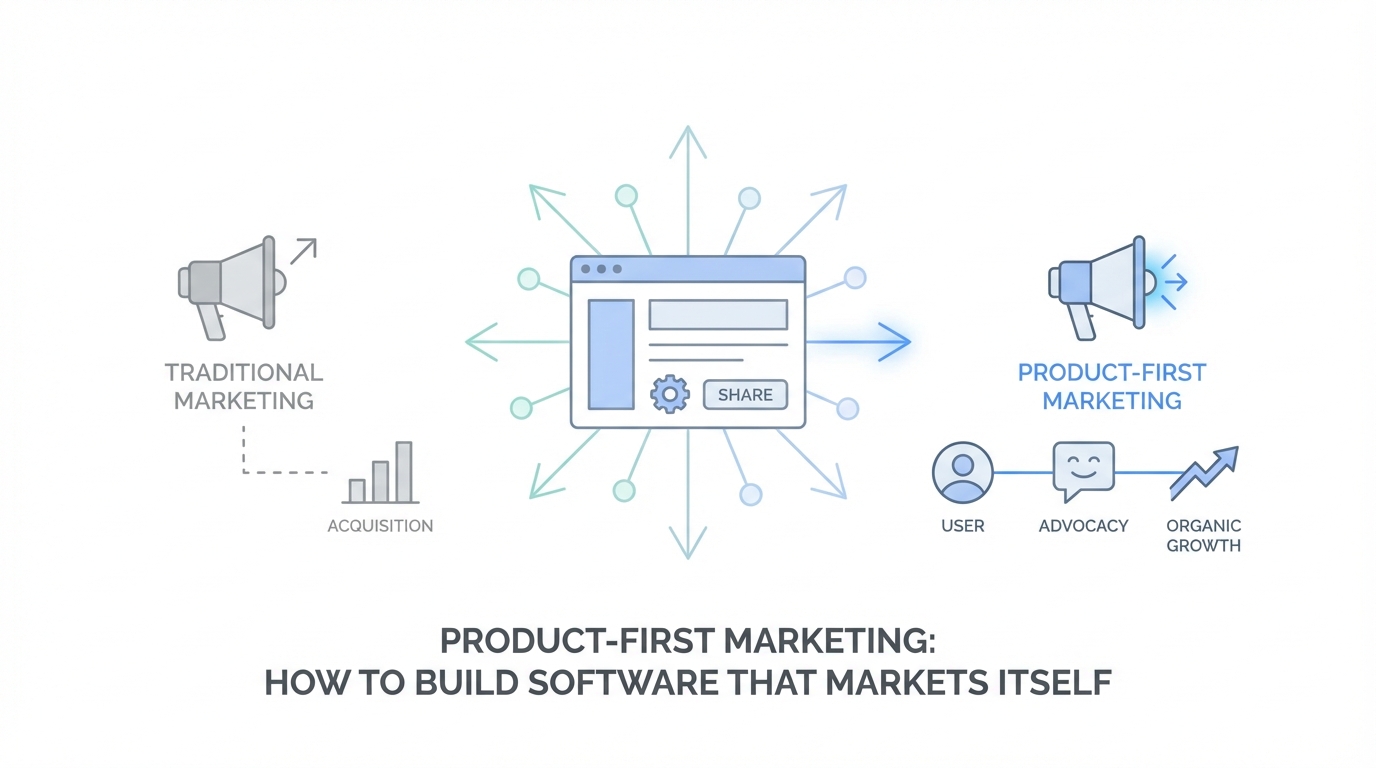
For most software founders, the dream is simple: build something so remarkable that the world beats a path to your door. Yet, the reality often involves a grinding cycle of expensive ad spend, outbound sales teams, and clinical marketing funnels. But what if the marketing wasn't a separate department? What if the product itself was the marketing? This philosophy, championed by pioneers like Jason Fried, suggests that product led growth strategies aren't about hacking the system; they are about building for the 'goosebumps feeling'—creating something so inherently viral, weird, or 'cozy' that it demands to be shared.
The 'Goosebumps Test': Validating Through Intuition

Traditional market research often leads to safe, boring software. You ask customers what they want, and they describe a slightly better version of what already exists. Jason Fried, the co-founder of 37signals, argues for a different approach: the intuition-led validation. Instead of worrying about how to get the first 100,000 downloads, he focuses on whether an idea feels right in the gut. The 'goosebumps feeling' is that moment in development when you realize you are onto something that hasn't been done before.
This doesn't mean ignoring the market, but rather marketing for software founders who value craft over metrics. When 37signals developed HEY, they weren't just building another email client; they were challenging the very vernacular of how we communicate. This level of conviction creates a natural gravity for users. If you aren't excited by the weirdness of your own features, why would a customer be?
Why Building 'Weird' Software is a Strategic Advantage
Most modern apps are clinical, cold, and professional. They follow the same design systems and the same user flows. This creates an opening for 'weird' or 'cozy' software. Building software that doesn't fit the standard mold is one of the most effective bootstrap marketing tactics available. It creates immediate curiosity and organic PR. Consider the idea of a 'shower door' app—an iPad application that simulates a steamy glass door for sketching, where the drawings disappear as the steam clears. It is ephemeral, temporary, and arguably useless to a corporate buyer, but it is deeply human.
This 'hobbyist ethos' is what drove the early internet. When a product is built to delight a single person or solve a niche obsession, it often resonates with thousands more who are tired of the 'boring' status quo. In an age of on-demand everything, adding artificial limits—like an app that only opens during certain hours or a website you can only visit once—can create a sense of mystery. As noted on Jason Kottke's blog, these types of digital experiments stand out because they refuse to treat the user as just another data point in a conversion funnel.
Viral Product Design: The Power of Removal
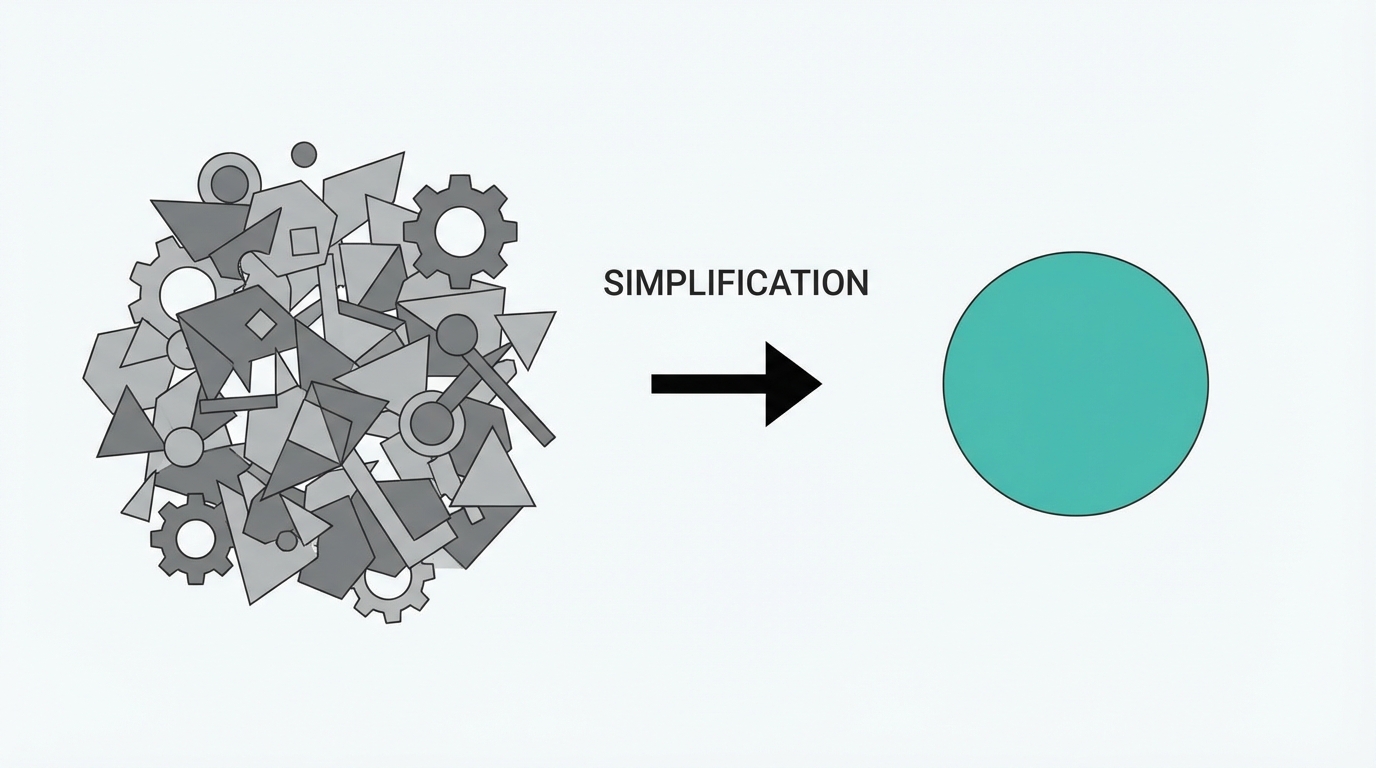
We often think that adding features makes a product more valuable. In reality, viral product design often comes from what you take away. Fried suggests that the best ideas are often the simplest. Take the concept of a 'scratch-off' ad app. Instead of an annoying banner, the ad is the product. Users scratch the screen to reveal a coupon or a mystery prize. It leverages the cheap mystery of a lottery ticket. By removing the friction of traditional navigation and focusing on one tactile interaction—like blowing into the microphone to 'clear the dust'—you create a memorable experience that people want to talk about.
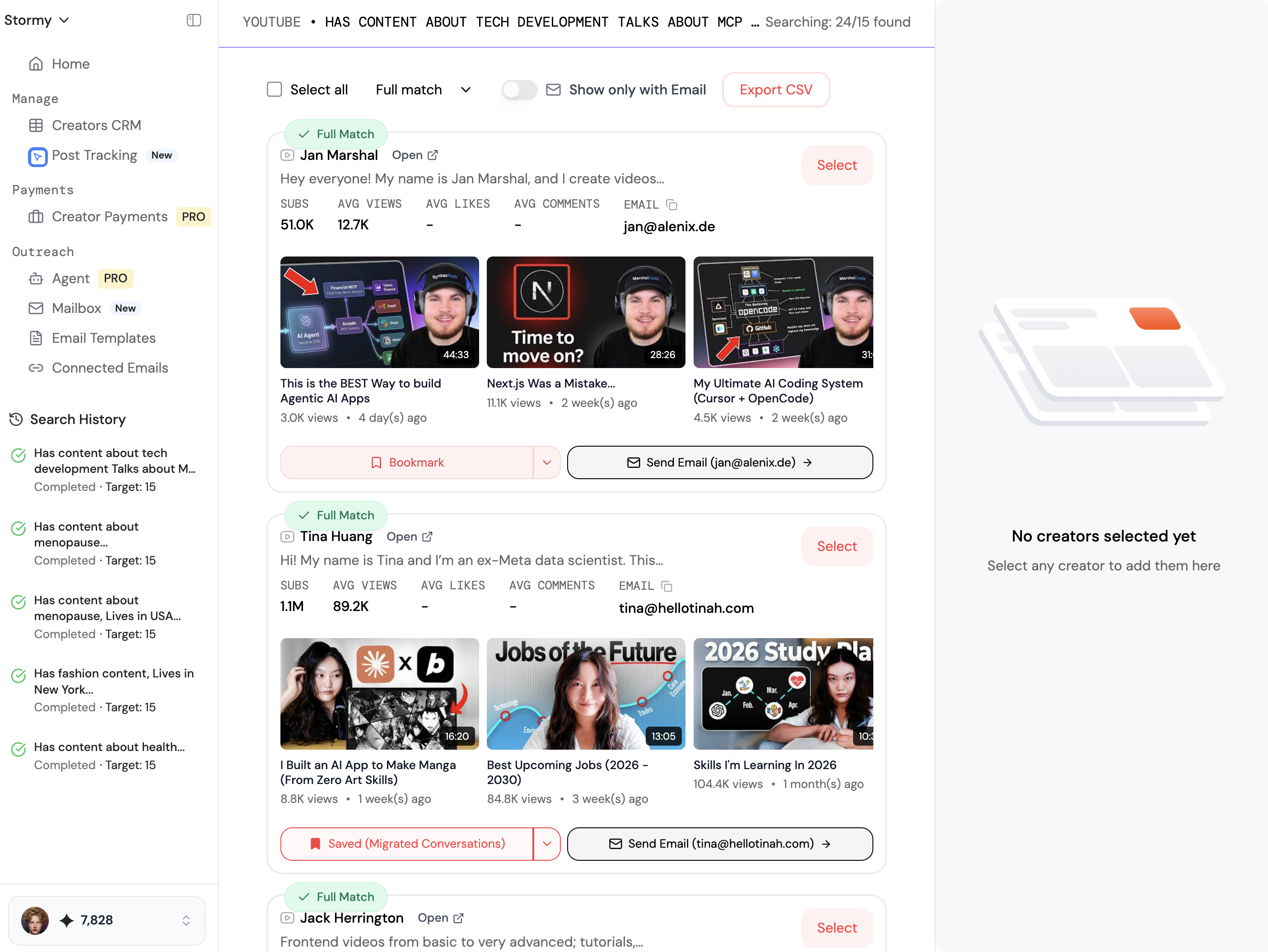
This philosophy extends to high-stakes industries as well. Consider the difference between buying a car at a traditional dealership versus buying a Tesla. One is a four-hour ordeal of paperwork; the other is a digital-first, streamlined experience through an app. For brands aiming for organic app growth, the goal is to make the user experience so night-and-day different from the competition that the contrast itself becomes the marketing. When you have a product this unique, finding the right voices to showcase it is key; platforms like Stormy AI allow founders to discover niche creators who appreciate 'weird' software and can help drive organic growth through authentic UGC.
Leveraging Personal Audiences for Low-Cost Launches
You don't need a million-dollar ad budget if you have a transparent relationship with your audience. Founders who share their process on LinkedIn or X build a 'distribution moat.' When 37signals launches something like ONCE, they aren't starting from zero. They are launching to a community that has followed their journey, their frustrations with SaaS, and their design philosophy. This build-in-public strategy ensures that the first 1,000 users are already 'true believers.'
Step 1: Document the 'Why' Not Just the 'How'
People don't follow products; they follow missions. Instead of posting feature updates, explain why you think current software in your niche is broken. Talk about the 'boring' state of the industry and your desire to make it 'weird' again.
Step 2: Share the Unconventional Features
Focus your content on the features that would make a traditional product manager cringe. If you've built an app with 'opening hours' or one that deletes data after 24 hours, highlight it. These are the viral hooks that drive social shares.
Step 3: Encourage Community Iteration
Engage with developers and builders who share your hobbyist spirit. As seen with products like Basecamp, the community often becomes the loudest advocate for the product because they feel like they were part of its conceptualization.
The Future of Organic Growth: Ephemerality and Real-Time
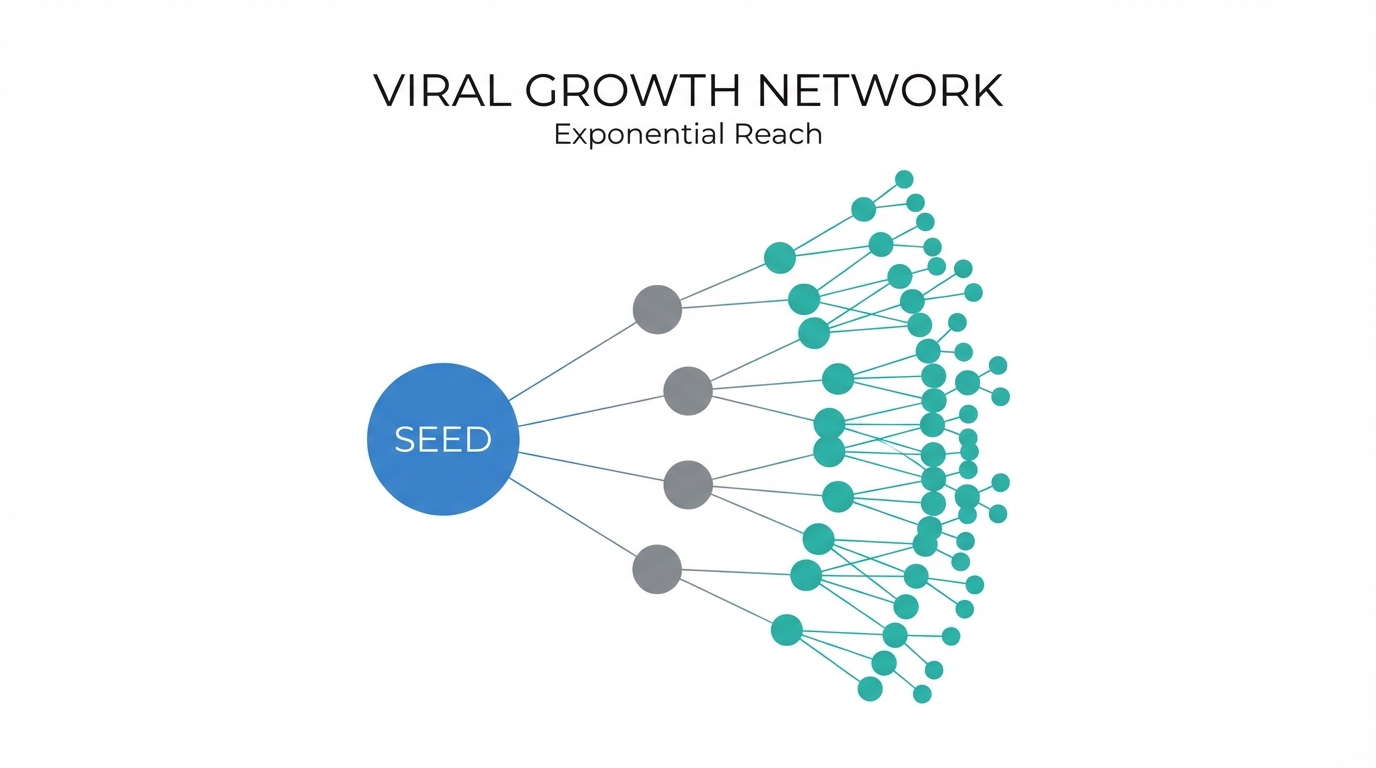

The next wave of product led growth strategies will likely lean into the real-world mechanics of time and space. We are seeing a shift toward 'linear television' style live internet experiences that mimic live events. Apps that happen at the same time for everyone globally—like the 'noon GMT' video concept—create a shared moment that archived, on-demand content cannot replicate. This sense of 'you had to be there' is the ultimate viral catalyst.
Tools that help manage these creator relationships and track how these 'weird' features are being received on social media are becoming essential for modern founders. By utilizing a creator CRM like Stormy AI, founders can source and manage relationships with UGC creators who specialize in demonstrating unique software interactions, ensuring the 'goosebumps' translate to the screen. Whether it's a scratch-off ad or a steamy shower door sketchpad, the future belongs to those who aren't afraid to let their software play.
Conclusion: Building for Delight
Building software that markets itself requires a shift in mindset from 'how do I sell this?' to 'how do I make this remarkable?' By passing the Goosebumps Test, embracing the 'weird,' and prioritizing the human experience over clinical efficiency, founders can unlock sustainable, organic growth. Don't be afraid to leave the boring behind and build something that actually gives you—and your users—a thrill. In a world of Domino's software, be the Margarita pizza from Naples: simple, perfect, and worth talking about.