In the high-stakes business environment of 2026, the definition of a successful founder has undergone a radical transformation. We are no longer in an era that worships the 'unbroken' wunderkind who has seen nothing but upward trajectories. Instead, the most valuable currency in boardrooms and venture circles today is resilience forged through failure. As markets fluctuate and the complexity of global trade increases, investors are looking for leaders who have survived the 'fall' and emerged with their character intact. This shift marks the rise of the Post-Fall founder—a leader who views reputation as a decade-long asset rather than a quarterly metric.
Pre-Fall vs. Post-Fall: Why Investors Value the Scars
 51:30
51:30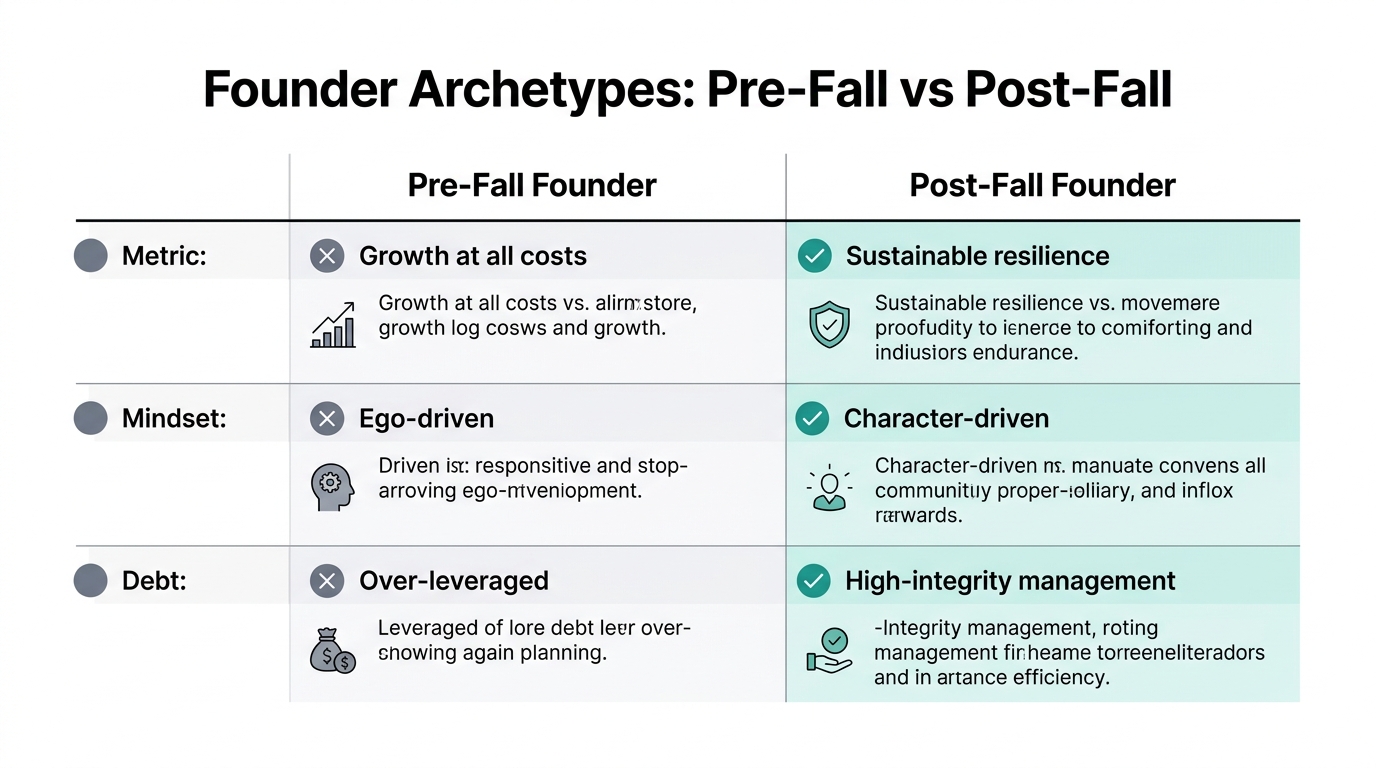
Ten years ago, a clean track record was the ultimate badge of honor. Today, a founder who hasn't faced a significant crisis is often viewed as a liability. The distinction between 'Pre-Fall' and 'Post-Fall' entrepreneurs has become a primary vetting criterion for top-tier firms. A Pre-Fall founder is often blinded by their own momentum; they haven't yet learned where their limits lie or how they behave when the bank account hits zero. They are prone to redlining their businesses without a safety net because they've never felt the impact of hitting the wall.
| Trait | Pre-Fall Founder | Post-Fall Founder |
|---|---|---|
| Risk Management | Speculative & momentum-driven | Calculated & downside-protected |
| Humility | Often high-ego/invincible | Grounded by past mistakes |
| Perspective | Short-term gains (1-2 years) | Long-term legacy (10+ years) |
| Crisis Response | Panic or denial | Methodical execution |
Post-Fall founders possess a level of maturity and humility that cannot be taught in business school. They understand that success is often just a 'turn of a lightbulb' away—the difference between a functioning lamp and a dark room is a fraction of an inch. When you use tools like Stormy AI to discover creators or partners for your brand, look for those who have navigated shifts in the algorithm or managed their own business pivots. These are the partners who won't disappear when a campaign doesn't immediately go viral.
"All great leaders eventually face a fall. The ones worth following are those who know exactly how to climb back up without losing their soul in the process."
The $15M Question: Handling Debt Without Bankruptcy
0:50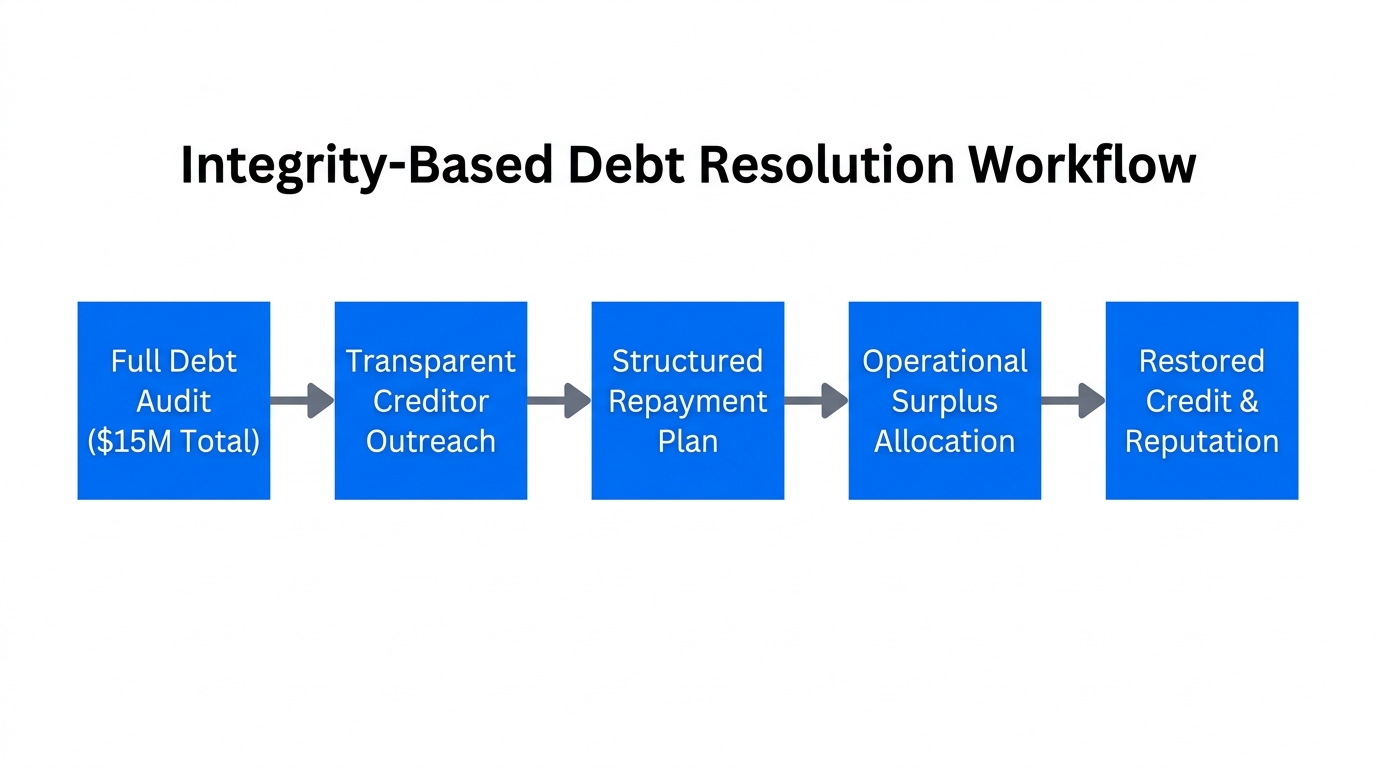
One of the most defining moments for a Post-Fall leader is the choice they make when the 'bag' is dropped on them. Consider the story of Sanjeev, the 'Rhino of Real Estate.' After building a career as a high-performing broker, he found himself $15 million in debt due to a partner's collapse. While filing for bankruptcy would have been the 'smart' legal move to reset his clock, he chose a different path: ethical debt repayment. In 2026, we see this as the ultimate ROI play. By choosing to pay back every cent over several years, he preserved the most valuable asset in his portfolio—his reputation.
Managing a crisis of this magnitude requires a shift from speculation to methodical compounding. Sanjeev pivoted to the gym business, leveraging low-cost operations and aggressive referral models to generate the cash flow needed to service his debts. He realized that in a fixed-cost business like a fitness center, every member past the break-even point is pure profit. This cash flow didn't just pay off lenders; it built a foundation for a billion-dollar real estate portfolio. Founders using Stormy AI to track their creator relationships and deal flow should remember that a 'closed-lost' deal today is a relationship that can be resurrected tomorrow if handled with grace.
The 'Three-Legged Table' Framework for Sustainable Growth
41:30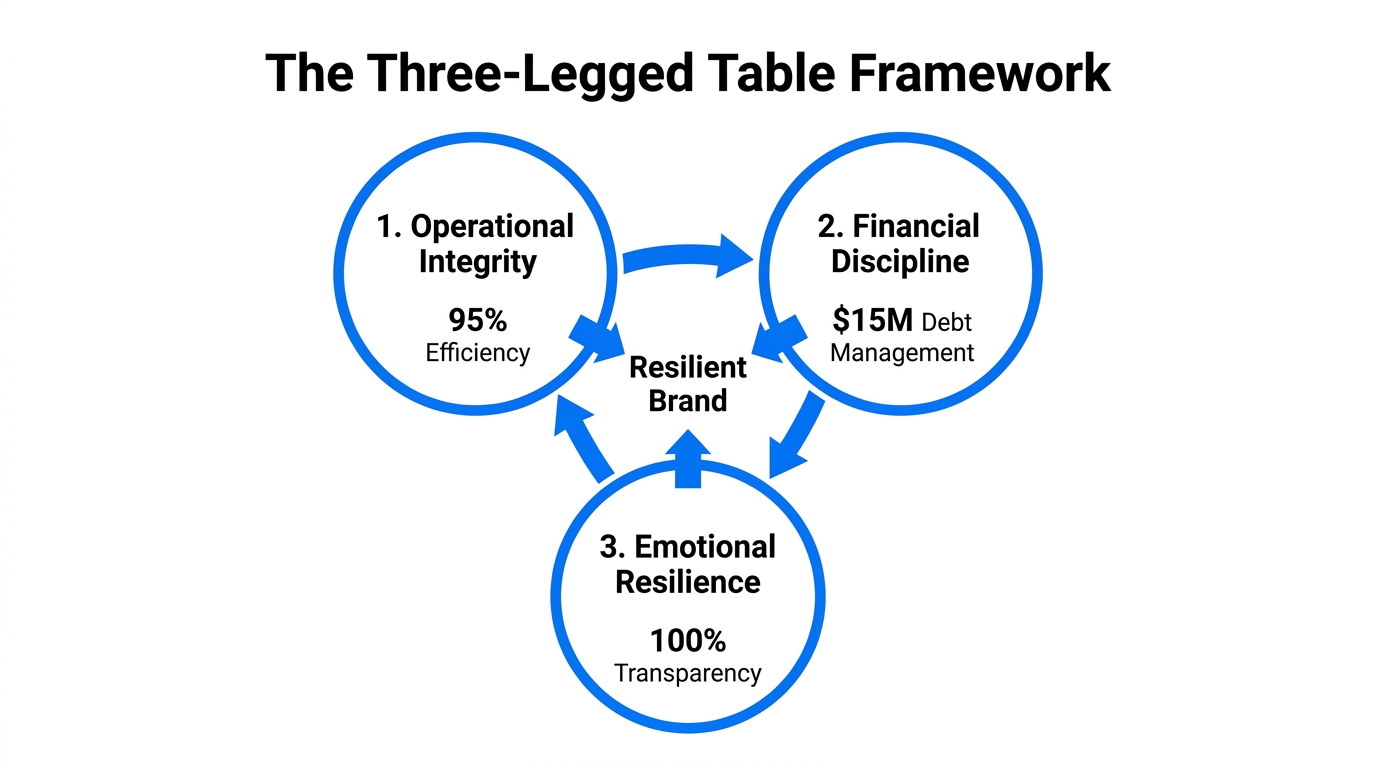
A major cause of the 'Fall' for many entrepreneurs is an imbalanced life. If your business is your only pillar of support, your entire world collapses when that business falters. Successful leaders in 2026 utilize the 'Three-Legged Table' framework to maintain resilience. The three legs consist of:
- Job (Career/Business): The engine of your financial growth.
- Family (Relationships): The emotional safety net that keeps you grounded.
- Faith (Code of Conduct): A personal philosophy or 'code' that guides your decision-making when the path is unclear.
When one leg is weak, the table wobbles. Many founders sacrifice their family leg to bolster their job leg, only to realize that you cannot be a successful leader if you are a stranger in your own home. True resilience comes from knowing that even if the 'job' leg breaks, the other two can keep you upright while you rebuild. This is why Sanjeev, despite managing 82 gyms and a billion-dollar portfolio, prioritized being present for his children. He understood that 'being there' is a non-negotiable part of his code.
Relationship Management: Why 'Taking a Loss Well' Wins
49:30In a world of automated outreach and AI-driven networking, human character stands out more than ever. One of the most overlooked skills in 2026 is the ability to take a loss well. Most people burn bridges when a deal goes south. They send the angry email, they threaten litigation, or they go silent. However, the Post-Fall founder knows that 'taking the L' with dignity often leads to the next ten wins.
Consider the scenario of a lease extension. Sanjeev once faced a situation where a tenant representative had previously cost him a significant amount of money by pulling out of a deal. Instead of harboring resentment, he maintained the relationship. Years later, when he needed a 15-year lease extension on a different property, that same representative was the key to the deal. Because he had taken the loss well years prior, he had the social capital to secure a massive win. When managing influencer relationships via modern marketing platforms, remember that a creator who misses a deadline might become your biggest advocate next year if you handle the friction with professional empathy.
"Your character is defined not by how you high-five during a win, but by how you shake hands after a loss."
The 2026 Playbook for Building a Resilient Personal Brand
Building a personal brand this year isn't about curated aesthetics; it's about demonstrable transparency. Whether you are scaling an e-commerce brand on Shopify or managing a real estate fund, your audience wants to see the 'scars.' Here is the playbook for building a brand based on resilience:
- Own Your Narrative: Don't wait for a crisis to go public. Share the challenges you are facing in real-time. Use platforms like LinkedIn or TikTok to document the 'grind' and the pivots.
- Focus on Compounding: Don't chase 'viral' growth at the expense of your foundation. Build systems in Notion or Asana that allow you to stack small wins every single day.
- Audit Your Circle: Surround yourself with other Post-Fall founders. You need peers who won't panic when you hit a rough patch because they've been there themselves.
- Invest in Character-Driven Marketing: Move away from purely transactional ads. Use Meta Ads Manager to run 'story-first' content that highlights your brand's values and long-term vision.
- Be Where You Are: When you are at work, use tools like Linear to stay focused and productive. When you are home, turn off the notifications. Undivided attention is a superpower in a distracted age.
Retail Realities and the Art of the 'Double Escrow'
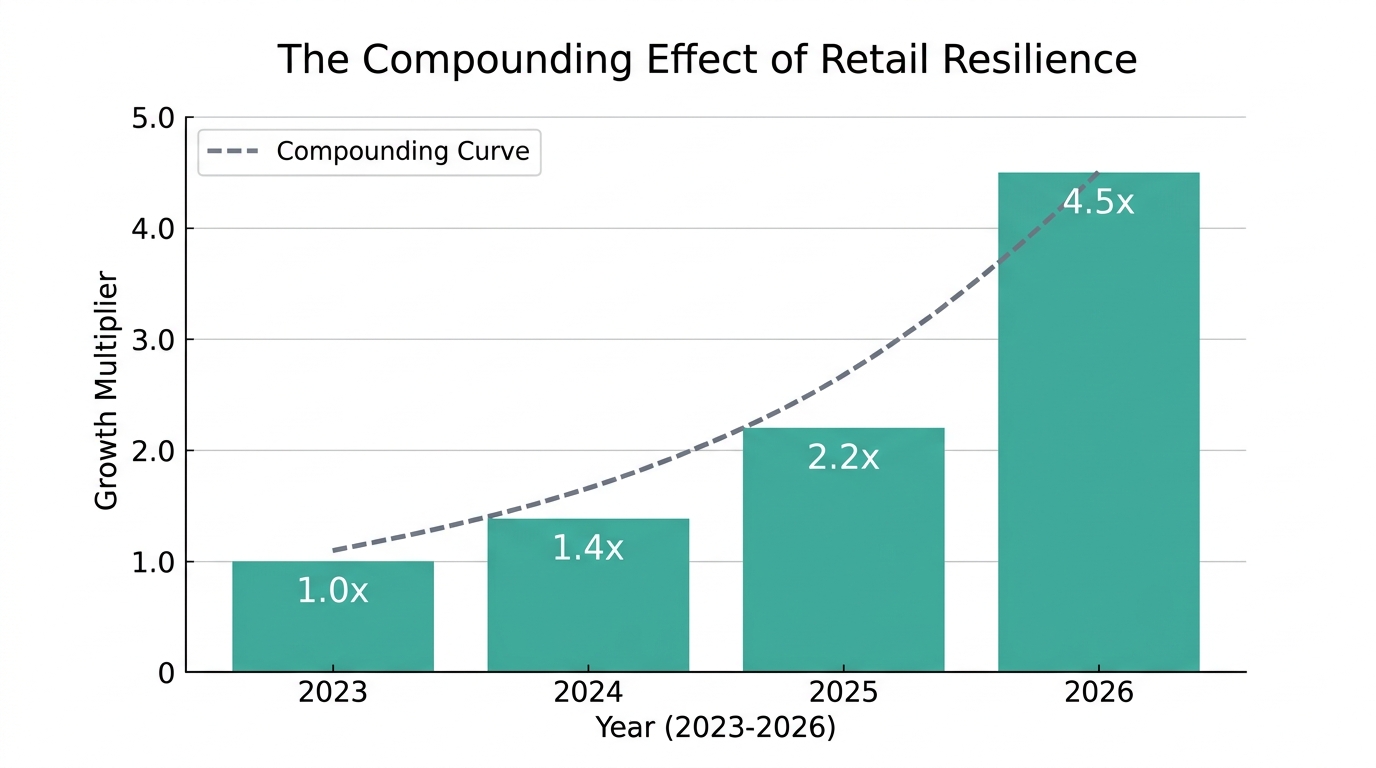
For founders looking to scale physical or digital assets, the lesson of 'making money on the buy' remains eternal. In the 2026 retail landscape, value is found in 'experiential' spaces—places where people go for things they can't get online, like pickleball, fitness, or dining. But the strategy of growth often involves the 'double escrow'—agreeing to buy an asset and lining up a buyer or a high-value tenant before the deal even closes. This is risk-mitigated scaling.
By using data from Google Analytics and market intelligence, you can identify gaps where a property or a brand is undervalued. Sanjeev used this to turn 'gym options' into multi-million dollar real estate wins. He didn't just operate gyms; he understood the underlying real estate value created by his operation. This 'multi-dimensional' thinking is what separates a small business owner from a mogul. Always ask: What is the secondary value of the work I am doing today?
Conclusion: The Legacy of Resilience
The 2026 business landscape is unforgiving to those who play the short game. Whether you are managing a $15M debt or trying to get your first 10,000 users, the principles of Post-Fall leadership remain the same. Build your three-legged table, take your losses with dignity, and focus on compounding your reputation daily. When the next market shift happens—and it will—the founders with the most 'scars' will be the ones standing tallest. If you are ready to start building your network of resilient creators and partners, discover the right talent on Stormy AI and begin your next decade of growth today.