The home gym market is currently undergoing its most significant transformation since the invention of the dumbbell. For decades, the barrier to entry for a serious home workout was either a massive financial investment or a massive structural one—often both. You needed a garage or a basement reinforced to hold half a ton of iron, and a shipping budget that made most e-commerce founders weep. But a new wave of smart gym equipment trends is flipping this model on its head. We are moving away from the era of "big iron" and into the era of the "brick-sized gym." Leading this charge are high-precision, portable cable machines like Vultra, which pack the power of a commercial-grade pulley system into a device no larger than a shoebox. This isn't just a win for the consumer; it’s a masterclass in high ticket e-commerce trends and technical influencer marketing.
The Technical Shift: From Aesthetic Lifting to Eccentric Load

For years, the fitness industry was obsessed with the concentric part of a movement—the act of curling the weight up or pushing the bar off your chest. However, modern training science is shifting the focus toward functional movement and, more specifically, the eccentric load. The eccentric phase is the lowering of the weight, where your muscles are actually 20% to 60% stronger than they are during the lift. In a traditional gym setting, if you curl a 60-pound dumbbell, you are limited by what you can lift up, meaning you are under-training the muscle on the way down.
Portable devices like Vultra solve this by using digital resistance rather than gravity. These machines allow users to change the resistance curve in real-time. Imagine curling 100 pounds on the way up but having the machine automatically adjust to 150 pounds on the way down. This precision is what gets the "gadget nerds" of fitness excited. For brands, this technical superiority provides a much more compelling narrative for home gym equipment reviews than simply saying "our weights are heavier." When marketing these products through Google Ads, focusing on keywords like "eccentric overloading" and "digital resistance" attracts a higher-intent, more sophisticated buyer.
The 'Brick-Sized' Gym: Why Portability is the New Luxury

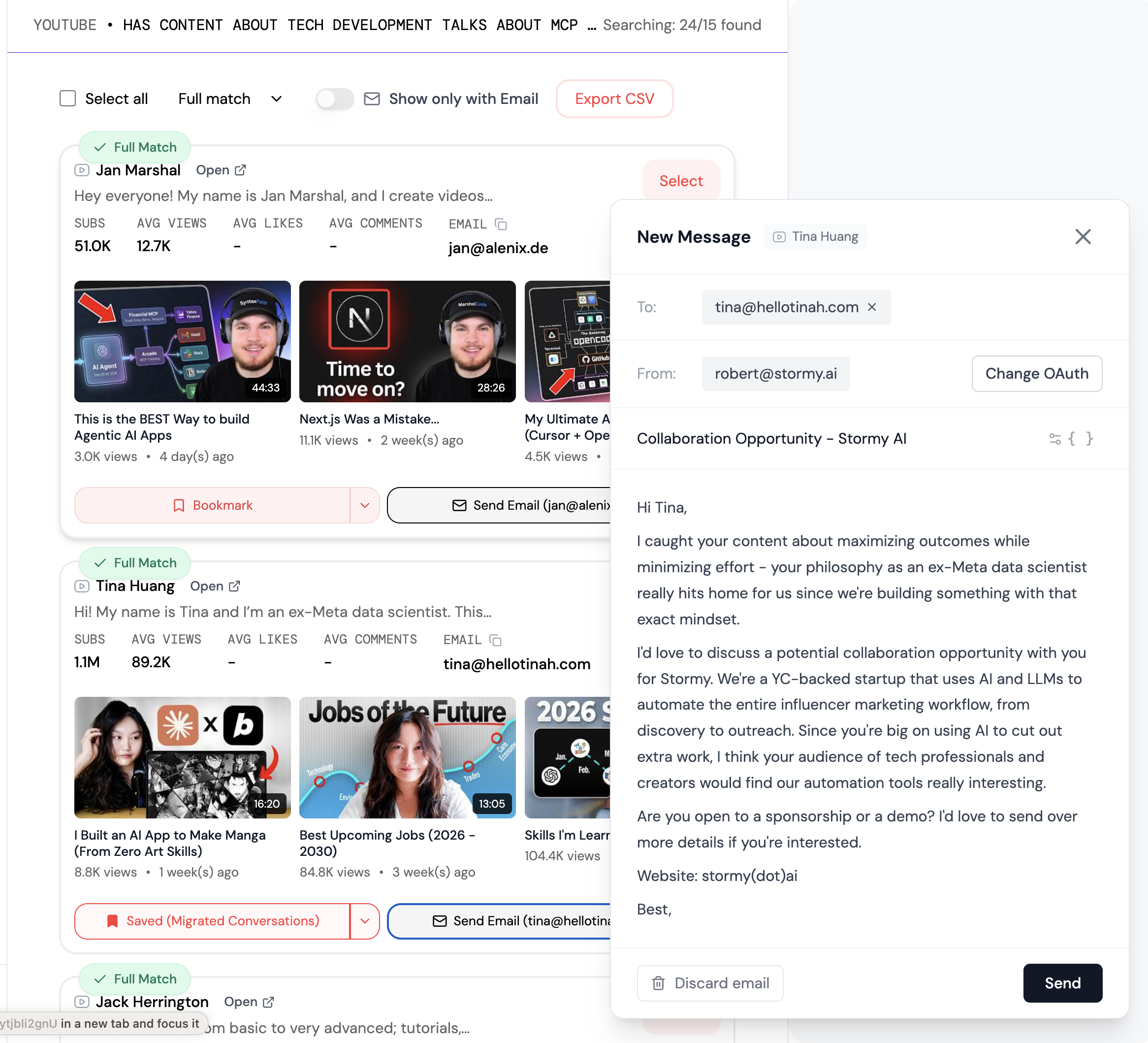
In the modern economy, space is a premium. The rise of the "brick-sized" gym is a direct response to the decline of the sprawling suburban lifestyle and the rise of the high-performing, mobile professional. Using an AI search engine like Stormy AI, brands can instantly find matching influencers by typing natural-language prompts like "fitness creators in LA with 10K-100K followers." We see a massive uptick in creators specializing in "small space living" and "digital nomad fitness," and for good reason. A device that can provide 200 to 300 pounds of force but fits in a backpack is a game-changer for someone living in a metropolitan apartment or a frequent traveler.
This portability also solves the single biggest headache in fitness e-commerce: logistics. Traditionally, shipping a home gym meant moving 1,000 pounds of steel across the country. The freight costs alone could eat up 30-40% of the margin. By shrinking the tech into a 5-pound brick, companies can ship via standard carriers like FedEx or UPS, vastly improving their bottom line. This makes functional fitness marketing not just about the workout, but about the ease of ownership. Smart brands are already using Meta Ads Manager to target homeowners who have expressed interest in minimalism and high-efficiency living.
The Technical Influencer Playbook: Leveraging High-Authority Reviews
Selling a $2,000 piece of equipment that looks like a brick requires a massive amount of trust and authority. You cannot rely on lifestyle influencers who just look good in leggings; you need the "technical nerds." While legacy platforms like Tagger or impact.com offer basic databases, they often lack the AI-native depth required to find niche technical creators effectively. This is where experts like Coop Mitchell from Garage Gym Reviews or business-fitness hybrids like Alex Hormozi come into play.
To execute a successful fitness influencer marketing strategy, you should follow this tiered approach:
- The Technical Deep Dive: Send products to reviewers like Coop Mitchell who will take the machine apart, test the tension accuracy, and compare it to commercial-grade equipment.
- Vetting for Quality: Before reaching out, use Stormy AI to paste a creator's URL and get an AI-powered quality report. This detects fake followers and engagement fraud automatically, ensuring your high-ticket gear goes to creators with real influence.
- UGC for Social Proof: Use Stormy AI for finding UGC creators and influencers who can demonstrate the device in diverse environments—a hotel room, a local park, or a small home office.
Step-by-Step Guide to Building a 'Functional Fitness' Brand Identity

Building a brand in the smart gym space isn't just about the hardware; it’s about the philosophy. Follow this playbook to establish a dominant presence on social media.
Step 1: Define the Problem You Solve
Don't just sell a cable machine. Sell the solution to "cluttered garages" or "plateaued strength gains." Focus your messaging on the functional fitness marketing angle. Once you've defined your messaging, use Stormy AI to contact creators instantly with hyper-personalized emails. You can even set up an autonomous AI agent that outreaches to creators every day on a schedule while you sleep.
Step 2: Create Technical Educational Content
The modern fitness consumer is smart. They listen to podcasts about biohacking and read up on physical AI. Use your social channels to educate your audience on eccentric loading, time under tension, and the physics of resistance. If you can explain the science, you justify the high ticket price. Many successful brands use Apple Search Ads to target users of fitness tracking apps, meeting them exactly where they are already thinking about data.
Step 3: Leverage Comparison Marketing
The best way to show value is through contrast. Create visuals comparing the footprint of a traditional 5-stack cable machine versus the Vultra brick. Highlight the shipping cost difference and the assembly time (0 minutes vs. 4 hours). This transparency builds immediate rapport with the "smart buyer" who values their time as much as their money.
Physical AI: The Next Frontier of Fitness

As we look toward the future, the integration of Physical AI into gym gear is inevitable. We are already seeing AI in meeting recorders like Plaud and interactive toys, but in fitness, AI will mean truly reactive resistance. Imagine a machine that senses your muscle fatigue in real-time and adjusts the load to ensure you never fail a rep unsafely, or a device that acts as a virtual coach, correcting your form through haptic feedback in the handle.
This shift toward "smart" gear is part of a broader trend where health is becoming the new status symbol. As alcohol consumption declines among high performers—replaced by focus-enhancing tools like nicotine-free pouches or exercise—the demand for high-end, data-driven gym equipment will only grow. Brands that position themselves at the intersection of AI-powered discovery and functional performance will own the next decade of the home gym market.
Conclusion: The Future is Small and Strong
The disruption of the home gym market by portable cable machines is a perfect example of how technical innovation can solve ancient logistical problems. By focusing on eccentric load, portability, and high-authority product reviews, brands can command high-ticket prices while maintaining healthy margins. To manage these complex campaigns, Stormy AI provides a full Creator CRM for managing deal stages and post-tracking analytics to monitor views and engagement across all platforms.
To stay ahead of these trends and find the right creators to tell your brand's story, explore the AI-powered influencer tools available today. Using a platform like Stormy AI allows you to identify the technical experts who can turn a "brick" into a must-have piece of performance technology.