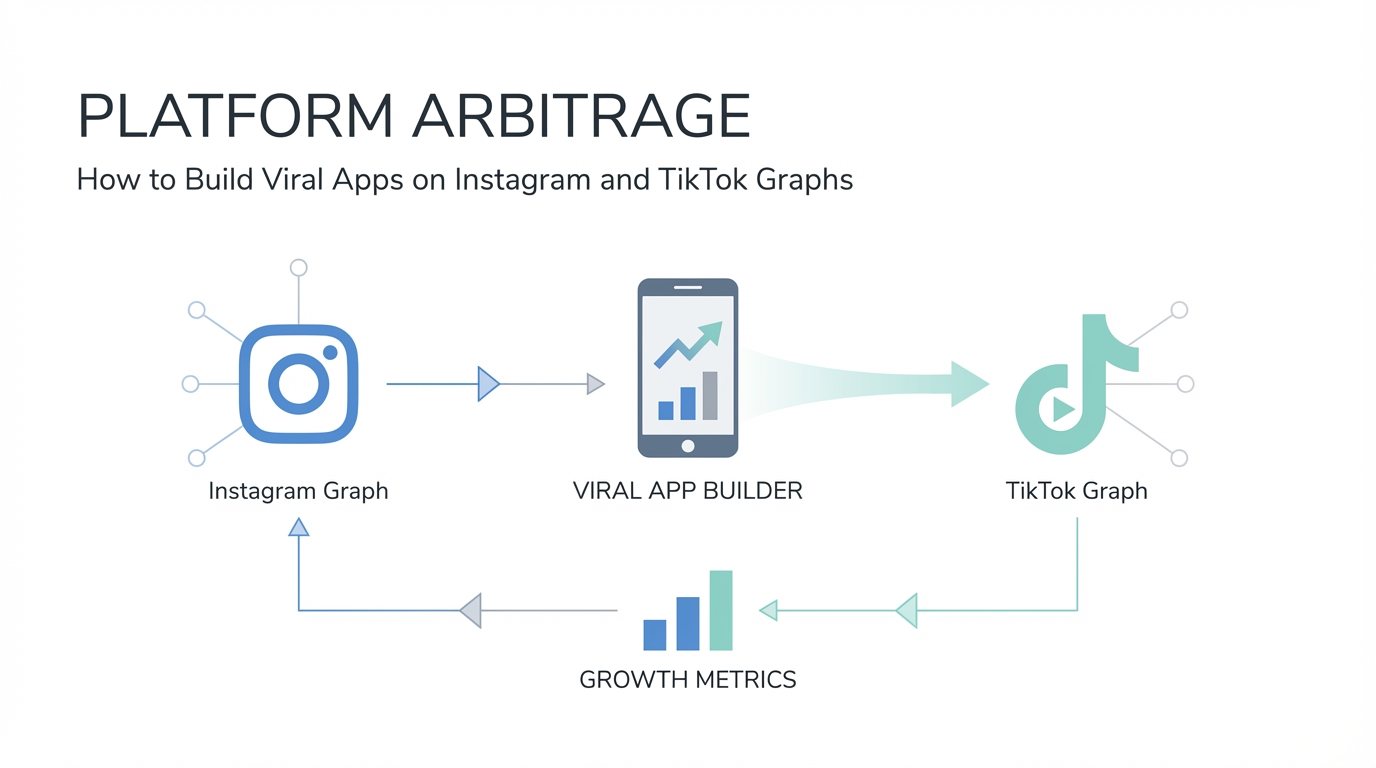
Building a consumer app in today’s saturated market often feels like shouting into a void. For years, the prevailing wisdom for developers was to build their own social network from the ground up—a Herculean task that requires billions in capital and a massive stroke of luck. However, a new breed of developers is finding massive success by ignoring this traditional path. Instead of building a new network, they are leveraging platform arbitrage: the strategic practice of building lightweight, viral experiences on top of existing social graphs like Instagram, TikTok, and Snapchat. By tapping into these established ecosystems, apps can achieve mass distribution with a fraction of the traditional marketing spend.
Understanding Distribution Graphs: Why Riding the Giants is 10x Faster
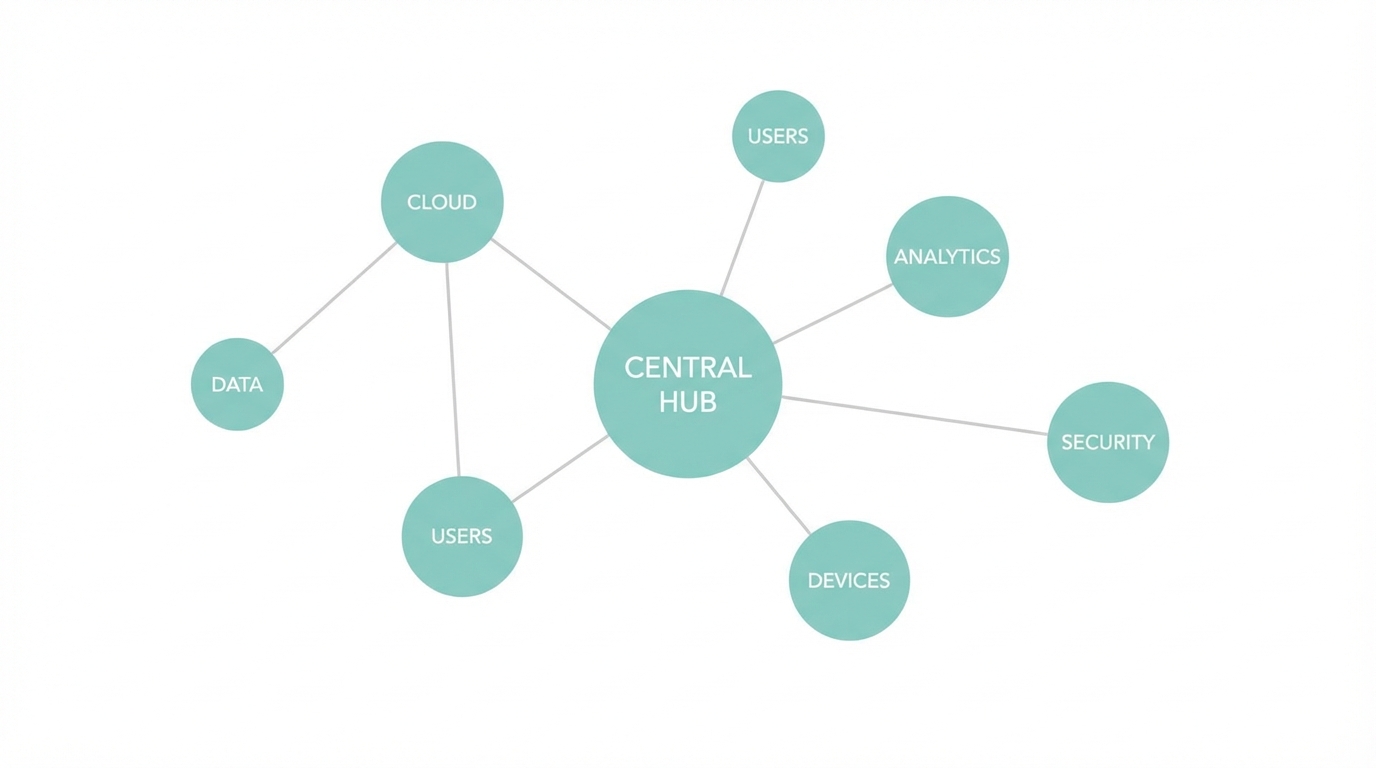
The most successful viral apps of the last few years share a common DNA: they don’t try to steal users away from established platforms. Instead, they exist to augment the user experience of those platforms. Hunter Isacson, the mind behind NGL and Bags, has proven this model at scale. His app NGL has reached a staggering 150 million monthly active users (MAU) by essentially becoming a feature that Instagram lacked at the time—anonymous messaging integrated directly into Stories.
When you build on top of a distribution graph, you aren't starting from zero. You are leveraging a social graph marketing strategy where the connection between friends already exists. This is significantly faster than building a standalone network because you don’t have to solve the "empty room" problem. In the case of NGL, the breakthrough came when Instagram opened the link sticker feature to all users in late 2021. Previously, only influencers with over 10,000 followers could share links. By identifying this platform shift immediately, Isacson’s team built a product that allowed every teenager to turn their Instagram Story into a two-way engagement channel.
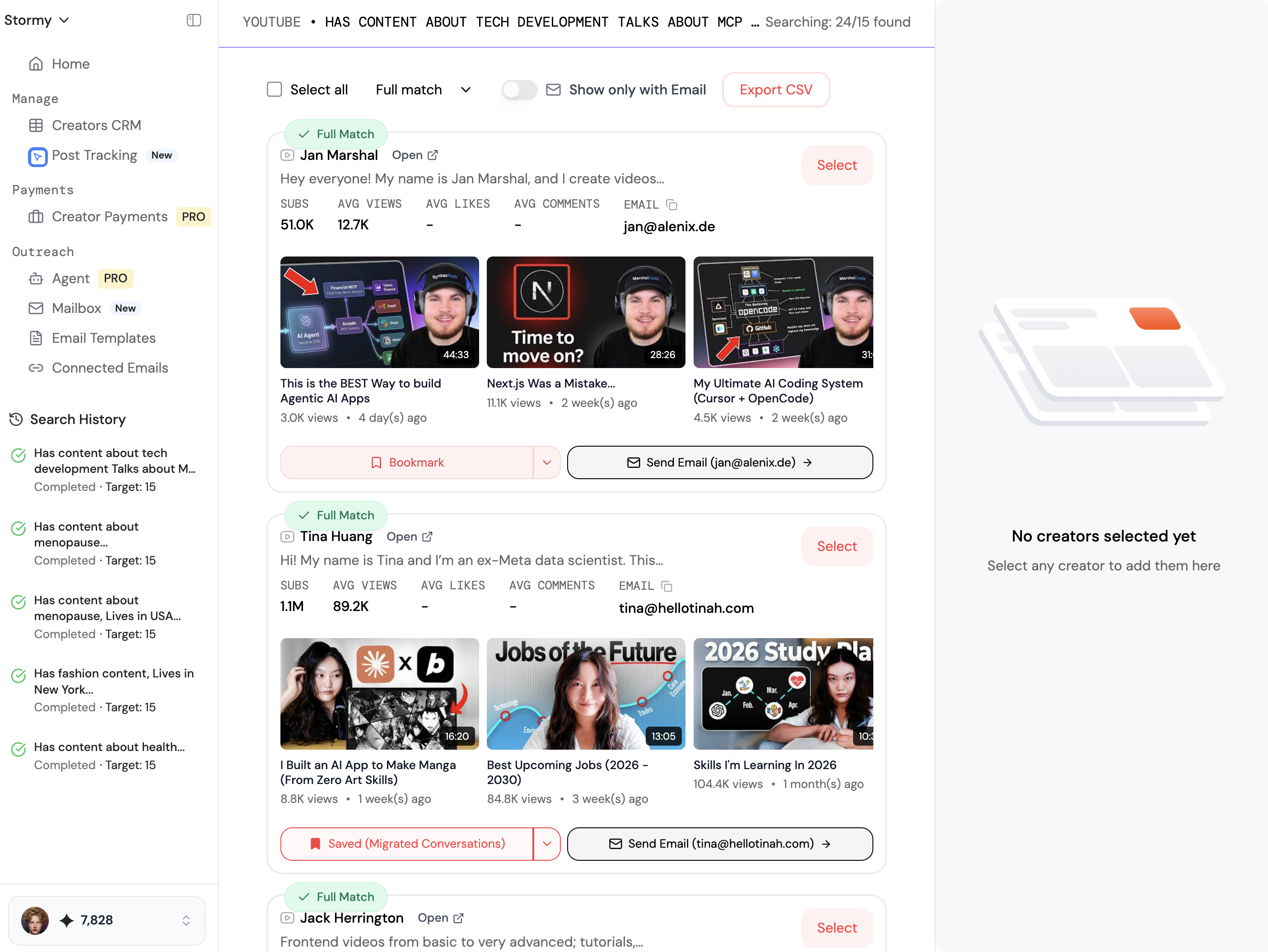
This strategy isn't limited to just one platform. Whether it’s Snapchat, TikTok, or X (formerly Twitter), the goal is to identify a distribution mechanism—like a share sheet, a link-in-bio, or a specific sticker—and build a viral loop around it. Platforms like Stormy AI, an AI search engine across TikTok, YouTube, and Instagram, are becoming essential in this process, helping developers find the specific creators who can trigger these loops within niche communities.
Hacking the Share Menu: The Underutilized Real estate of App Growth
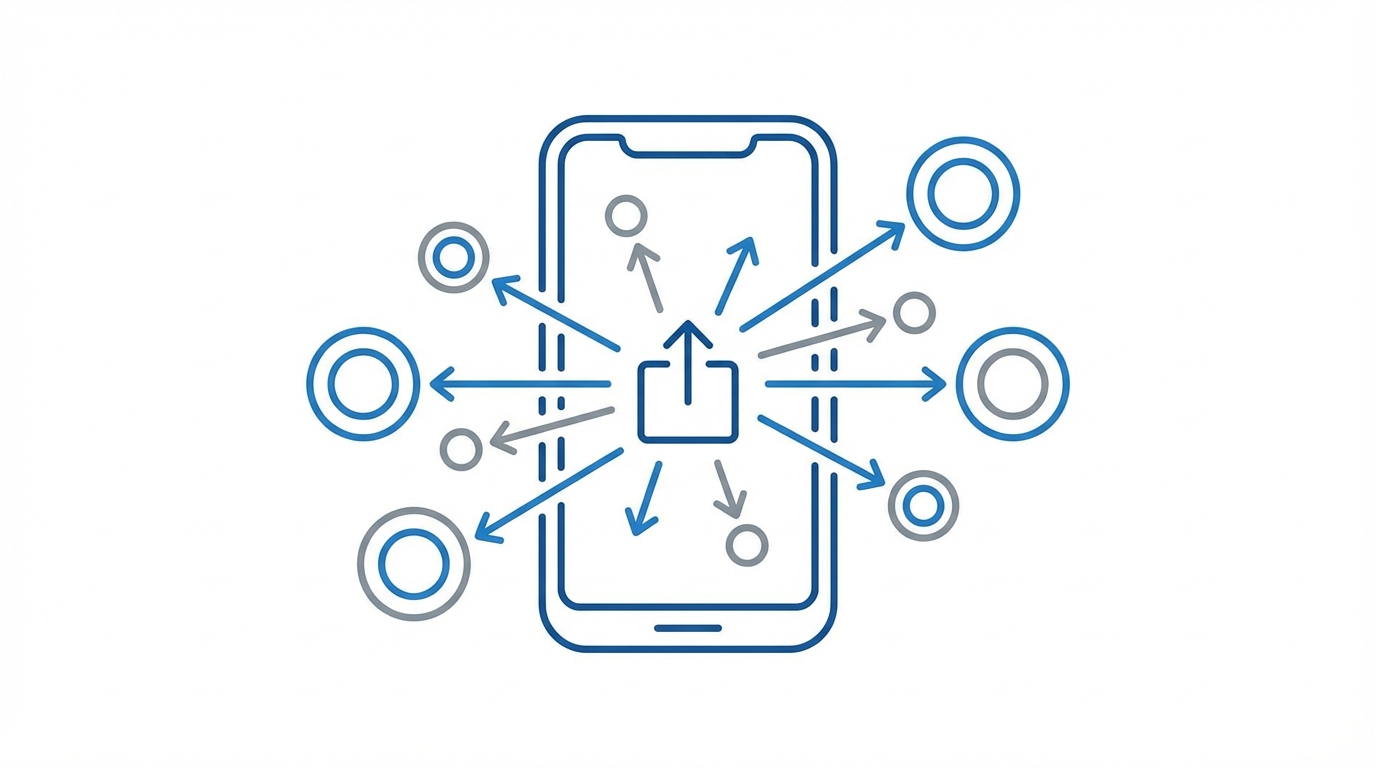
One of the most overlooked pieces of digital real estate for app growth hacking is the iOS share menu. Most developers view the share sheet as a passive utility, but for the savvy growth marketer, it is a distribution powerhouse. According to Apple's Developer Guidelines, the share menu allows apps to integrate directly into the system-wide sharing workflow. Imagine a recipe-sharing app that doesn’t require the user to manually type ingredients. Instead, a user scrolls through Instagram, sees a cooking video, taps the share button, and selects the app icon. The app then scans the video and automatically generates a formatted recipe.
Getting your app onto the share menu is a high-friction process that requires multiple taps: scrolling over, tapping "More," and dragging the app to the top. However, user education can overcome this hurdle. If the value proposition is strong enough—like the ability to reveal an anonymous sender in NGL—users will happily follow a 4-step tutorial. This transforms the share menu from a hidden tool into a persistent growth engine. Every time the user opens their share sheet on social media, your brand is there, ready to provide value.
This same logic applies to Safari Extensions on mobile. While Chrome extensions have dominated desktop growth, mobile Safari extensions remain a blue ocean. Apps that help users find coupons or recommend the best credit card at checkout are leveraging platform arbitrage by inserting themselves into the high-intent moments of the user journey. By focusing on these existing behaviors, developers can bypass the need for expensive social media distribution campaigns and instead grow organically through utility.
The 'Augmentation' Strategy: Enhance, Don't Compete
The mistake many founders make is trying to pull users away from Instagram or TikTok. A more effective Instagram marketing strategy is to augment the experience. You want to be a "lightweight interruption" to the user’s flow. The NGL experience is a perfect example: a user taps a link, opens a quick window within Instagram, sends a message, and immediately returns to their feed. The friction is minimal, yet the engagement is high.
This augmentation strategy has been used effectively in various niches:
- Wink: Achieved over 70 million downloads by acting as a "friend discovery" layer for Snapchat. Wink didn't try to be a new chat app; it simply helped users find more people to add on the platform they already loved.
- Zoom University: Leveraged the pandemic-era meme culture to build a double-dating app for college students, using Facebook groups and Zoom meetings as the initial distribution graph.
- Bags: A modern example of social graph marketing in the crypto space, Bags allows users to see what their friends are buying in real-time and facilitating trades via Apple Pay.
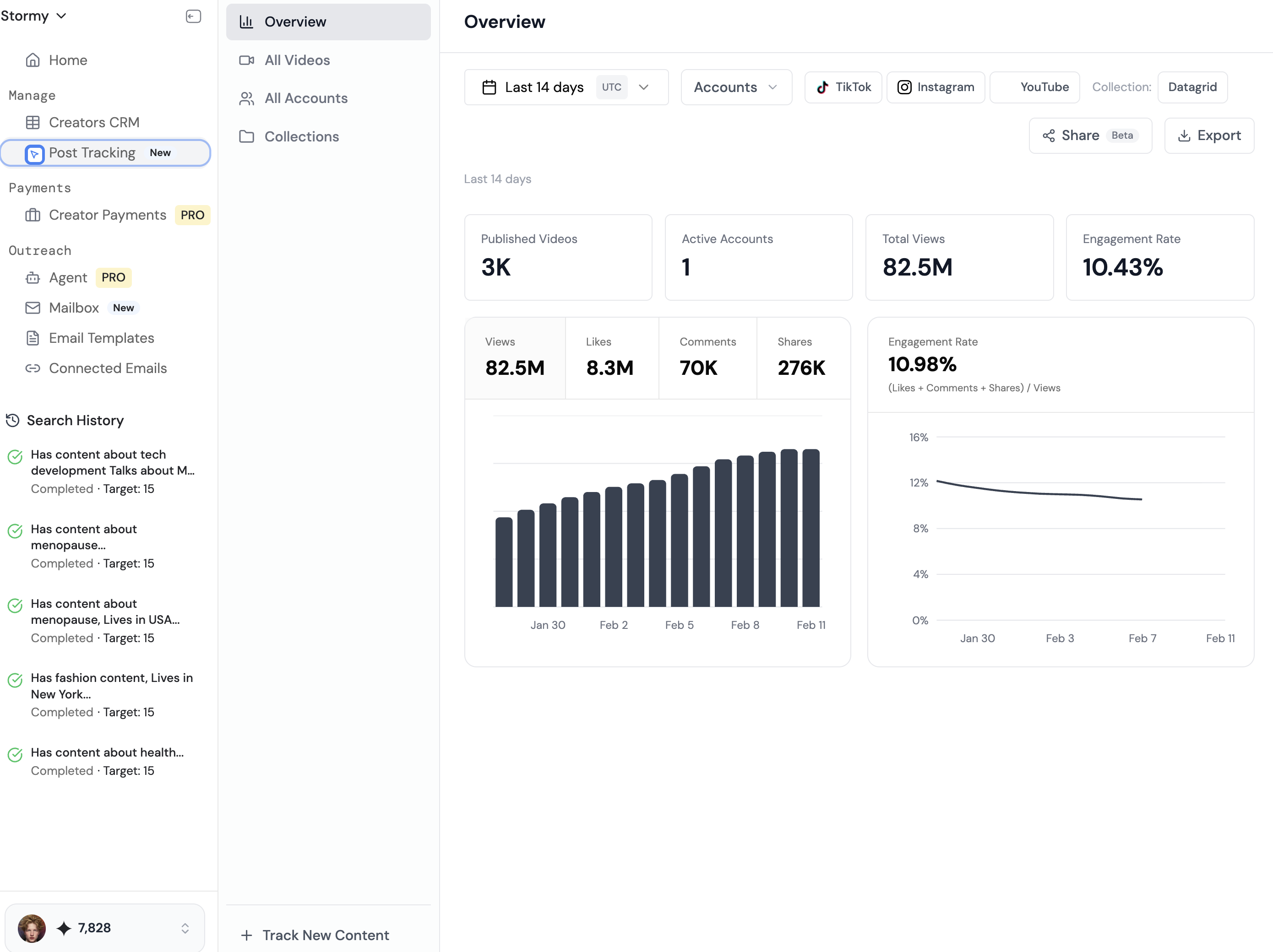
By using Stormy AI to vet creator profiles and identify UGC creators who already have high engagement on these platforms, brands can ensure their "augmentation" feels like a natural extension of the content users are already consuming.
Identifying Market Gaps: Learning from Ecosystem Anomalies

To find the next arbitrage opportunity, you must look for ecosystem anomalies—places where user behavior has outpaced platform features. When Hunter Isacson built Wink, he noticed that young people were bored at home and Snapchat lacked a robust friend-suggestion algorithm. By filling that gap with a "Tinder-style" swiping interface for Snapchat usernames, he captured a massive market of users who were already active but underserved.
Another example is Fade, an app that focused on saving TikTok videos that were frequently being deleted. The developers recognized a utility gap: users wanted to preserve content that the platform's native tools couldn't guarantee. This is the essence of platform arbitrage: finding a specific pain point within a massive graph and solving it with a surgical, viral tool.
When searching for these gaps, focus on human psychology. Why do people share? Is it for status, curiosity, or connection? NGL works because of the curiosity loop; users want to know who sent them a message. Zoom University worked because it reduced the anxiety of meeting strangers by letting users bring a friend. Understanding these emotional drivers is key to effective app growth hacking.
The Viral App Playbook: A Step-by-Step Guide to Scaling
If you are looking to scale an app from 10k MRR to 100k MRR using these strategies, follow this actionable playbook:
Step 1: Identify the Distribution Mechanism
Look for a recent change in a platform’s API or feature set. Is there a new sticker? A new sharing capability? A change in how the link-in-bio works? Your app should be built specifically to exploit this social media distribution window.
Step 2: Design a Frictionless Viral Loop
Your goal is to get a user from discovery to "share" in under 30 seconds. In NGL, the onboarding takes 15-20 seconds. Minimize the number of screens between the user and the core value proposition. Every additional tap is a point where you will lose 20% of your users.
Step 3: Activate the Graph with UGC
Don't rely solely on organic discovery. Use a small budget—around $10,000 to $20,000—to test UGC creators on TikTok and Instagram. Focus on controversial or high-emotion hooks. One viral TikTok showing a controversial anonymous message was the catalyst that took NGL to the top of the App Store.
Step 4: Optimize for Redownloads
Churn is inevitable in consumer social. To combat this, ensure your app has a high redownload rate. If a user's friends are still posting links or using the share menu, that user will eventually be pulled back into the ecosystem. The goal is to become a habit, not just a one-time gimmick.
Step 5: Leverage Paid Channels for Testing
Use platforms like Meta Ads Manager or Google Ads to run small-scale experiments. Don't dump your whole budget into one creative. Test a dozen different hooks to see which cohort has the lowest CPI (Cost Per Install) and the highest share rate. This data-driven approach, combined with the AI-powered discovery and outreach tools on Stormy AI, allows you to find the most efficient path to scale.
The Future of Arbitrage: AI-Driven Tools and Niche Communities
The next wave of platform arbitrage will likely be driven by Artificial Intelligence. We are moving toward a world where apps can "read" the context of a social media post and provide instant utility. AI-powered tools that scan travel videos to create itineraries or scan fashion posts to find similar items are the next frontier for Instagram marketing strategies.
Furthermore, while the "big graphs" like Instagram are powerful, there is growing opportunity in niche graphs. Building tools for specific communities on Discord or high-intent groups on Apple Search Ads can provide a stable foundation for growth before attempting a mass-market breakout. The key is to remain agile. The consumer app landscape is a "Testflight graveyard" for those who move too slowly, but for those who can identify a distribution shift and build for it in a month, the rewards are 8-figure revenues and hundreds of millions of downloads.
Conclusion: Building for the Modern Social Graph
The era of building standalone social networks is closing, but the era of platform arbitrage is just beginning. By focusing on social graph marketing, hacking the share menu, and augmenting the experiences of giants like TikTok and Instagram, developers can achieve unprecedented growth. Remember: don't compete with the graph—become the reason the graph is more valuable to the user. Start by identifying a gap, partnering with the right creators through Stormy AI, and iterating until you find your viral loop. The next 100-million-download app won't be a new Facebook; it will be the tool that makes our current social world 10x more engaging.