In the digital gold rush of 2026, most entrepreneurs are fighting for scraps on oversaturated platforms like TikTok and Meta. However, a 20-year-old computer science student named Joe Popolus recently proved that the real fortune is being made in the quiet corners of the internet. By combining AI-generated content with a hyper-focused Pinterest marketing strategy 2026, Joe built a book brand valued at $930,000 in just over a year. His secret? Targeting an underserved demographic with low-cost customer acquisition and scaling digital products with ads that others ignore.
This isn't just a story about a lucky break; it’s a blueprint for anyone looking to transition from a minimum-wage side hustle to $1,000+ profit days. If you have access to ChatGPT and a small ad budget, you can replicate this high-margin ecosystem. This guide breaks down the exact Pinterest ads playbook Joe used to achieve 70-80% profit margins while still attending college full-time.
Why Pinterest is the Untapped Goldmine for Digital Products
While creators are burning out on the short-form video treadmill, Pinterest remains a visual discovery engine driven by intent. People don't go to Pinterest to scroll mindlessly; they go to plan, learn, and buy. For digital products like AI-generated ebooks, this creates a low-cost customer acquisition environment that is far more stable than the volatile algorithms of other social networks.
Joe discovered that his most profitable niche wasn't tech-savvy Gen Zers, but middle-aged moms. This demographic uses Pinterest religiously for lifestyle advice, hobbyist guides, and self-improvement resources. By meeting them where they already are, he avoided the high CPCs (cost-per-click) found on Google Search while capturing users with a clear buying mindset.
"The majority of my money has been made off of Pinterest ads... it’s a completely repeatable process where you can build a book brand and sell it."
The Product Playbook: ChatGPT Marketing Automation
Discover how to leverage AI for creating digital books and marketing them effectively.
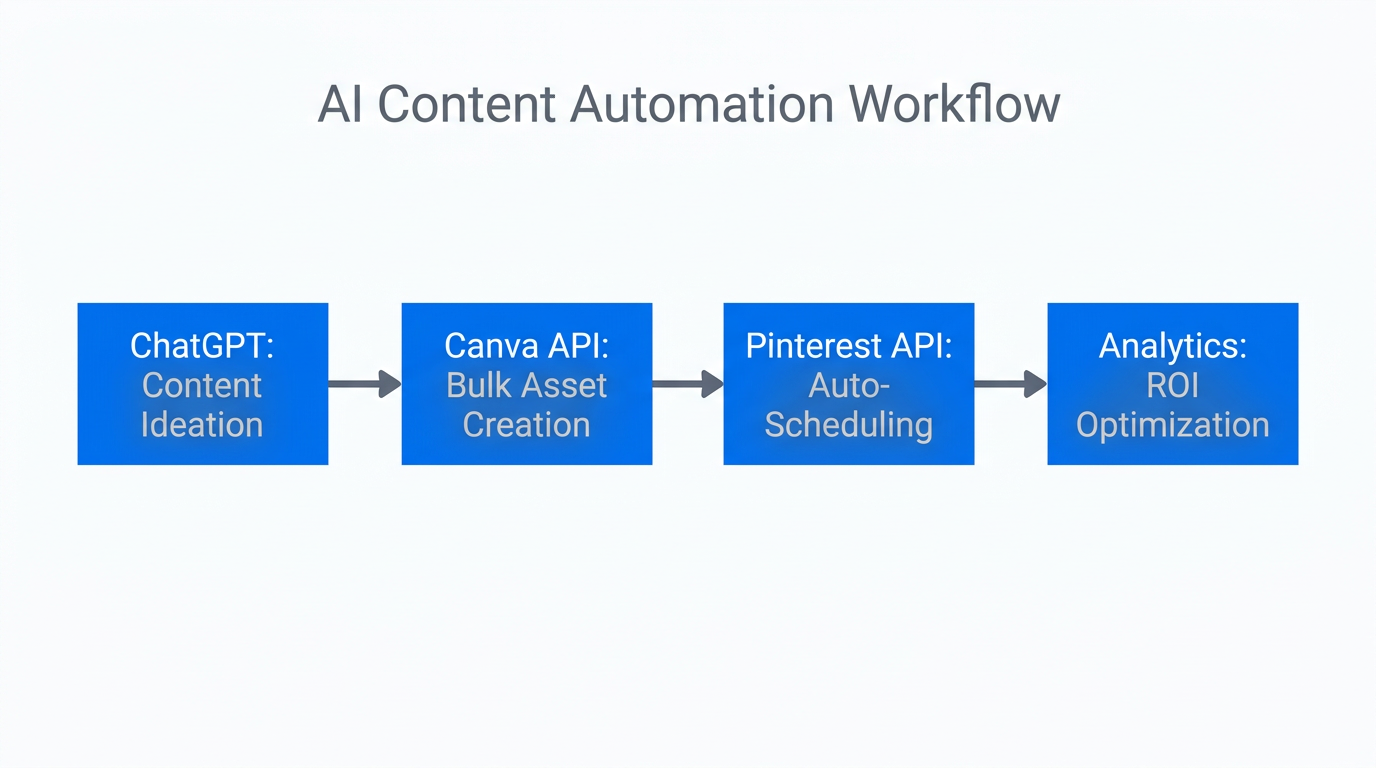
Creating a high-quality book in 2026 doesn't require months of writing. However, it does require a sophisticated prompting strategy. Simply asking ChatGPT to "write a book on fitness" results in generic, low-value content that leads to high bounce rates. To build a brand with staying power and high customer loyalty, you must use a modular approach.
Step 1: The Emotional Hook
Find a niche with "ambitious people" or those looking for a transformation. As Joe notes, when you find a niche with high traffic, you can tug on their emotions and present the outcome they want to achieve. Your product must be the bridge between their current pain point and their desired future.
Step 2: Modular Content Generation
Instead of generating the whole book at once, break it down:
- Generate a comprehensive 5-chapter outline.
- Break each chapter into 5 specific sub-topics.
- Generate each sub-topic individually to ensure depth and nuance.
- Use a human proofreader (or a secondary AI agent like Claude) to ensure congruency and flow.
| Feature | Old Way (Manual) | New Way (AI-Powered) |
|---|---|---|
| Production Time | 3-6 Months | 4-6 Hours |
| Production Cost | $2,000+ (Ghostwriter) | ~$3.00 (API Credits) |
| Profit Margin | 10-20% | 70-80% |
Structuring Your Pinterest Ads Funnel
Master the art of setting up ad campaigns and structuring your marketing funnel.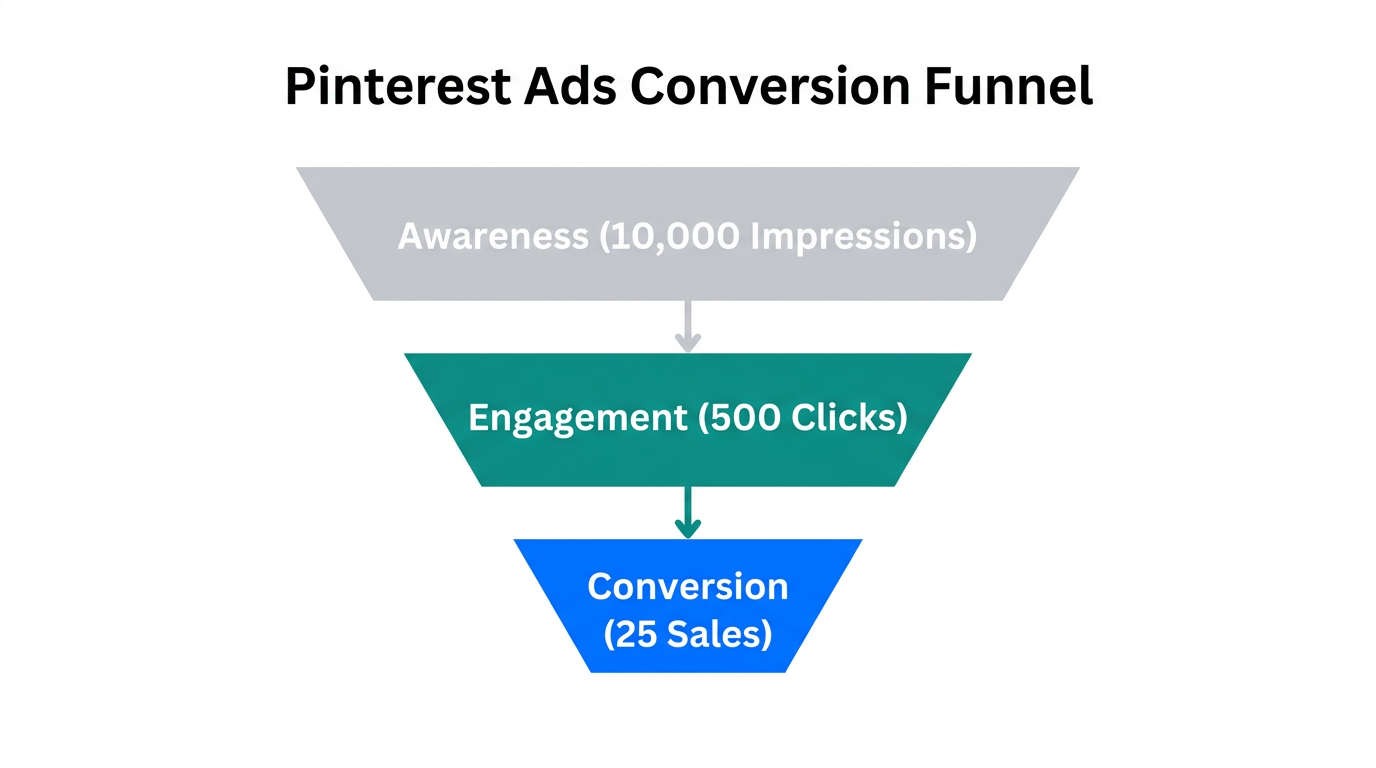
Successful Pinterest conversion optimization requires a two-phase approach. You cannot jump straight into scaling without data. In 2026, the most successful brands use a "test-and-verify" model that minimizes wasted spend.
Phase 1: Consideration Campaigns
Start with consideration campaigns to identify which niches and creative assets resonate most. These ads are designed to drive traffic and gather data. You want to see which "pins" are getting the highest engagement and click-through rates. This phase is about testing broad audiences before going granular.
Phase 2: Conversion Campaigns
Once you have identified your winning niches, move into conversion campaigns. This is where you optimize for the sale. At this stage, you must have your Pinterest Tag correctly installed to track the full-funnel customer journey. This allows Pinterest's AI to find more users likely to complete a purchase based on the data of previous buyers.
"You're going to start off with consideration campaigns... then you're going to go way more granular... where you're really going to dial in every single stat."
When you reach this stage, you might find yourself needing more creators to generate fresh visual content for your pins. Modern platforms like Stormy AI allow you to discover and outreach to UGC creators who can provide the high-quality, authentic videos and images that Pinterest users love, further lowering your CPA.
Landing Page Optimization: The Bridge to Profit
Understand the specific purpose of landing pages and how to optimize for conversion.Your Pinterest ad is just the hook; your landing page is the closer. Joe emphasizes that a landing page is the first touch point where a lead gets a sense of your brand image. If your page looks unprofessional, you will see bounce rates over 70%.
To maximize conversions, your landing page must include:
- Lead Value Stacks: List everything the customer gets (the ebook, bonus checklists, templates).
- Chapter Previews: Give a "look inside" to build trust and show quality.
- Professional Design: Use tools like Framer or Webflow to ensure the site feels premium.
- Mobile Optimization: Since 80%+ of Pinterest users are on mobile, your page must load instantly.
Scaling to $1,000+ Profit Days
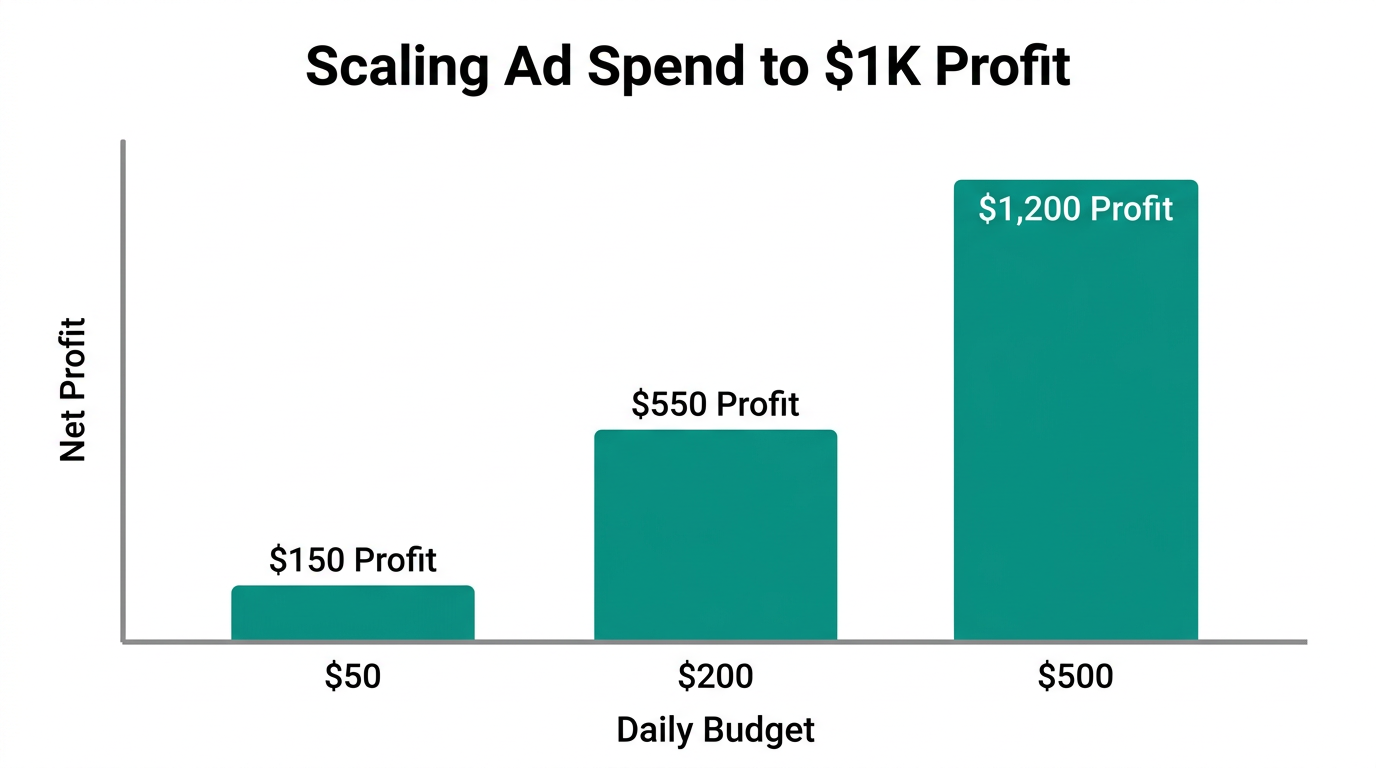
Scaling a digital product business is a matter of mathematical discipline. Once you have a conversion campaign delivering a 3x or 4x ROAS (Return on Ad Spend), you incrementally increase the daily budget. Joe’s first $1K profit day happened just after Christmas, a peak buying season for self-improvement and new-year goals.
One of the biggest advantages of this model is the lean expense structure.
- AI Credits: ~$3.00 per book via OpenAI.
- Subscriptions: ~$200/month for hosting and email marketing via Beehiiv.
- Ad Spend: Your primary variable expense.
As your brand gains momentum, you can leverage tools like Stormy AI to set up an AI agent that handles automated creator outreach, helping you find influencers to promote your books on other platforms like TikTok Shop or Instagram, creating a diversified revenue stream beyond just Pinterest ads.
"Saturation just means more competition... it means you need to be better at what you do and provide more value."
The Exit Strategy: Selling Your AI Brand
Explore the valuation of AI-driven brands and how to scale for a profitable exit.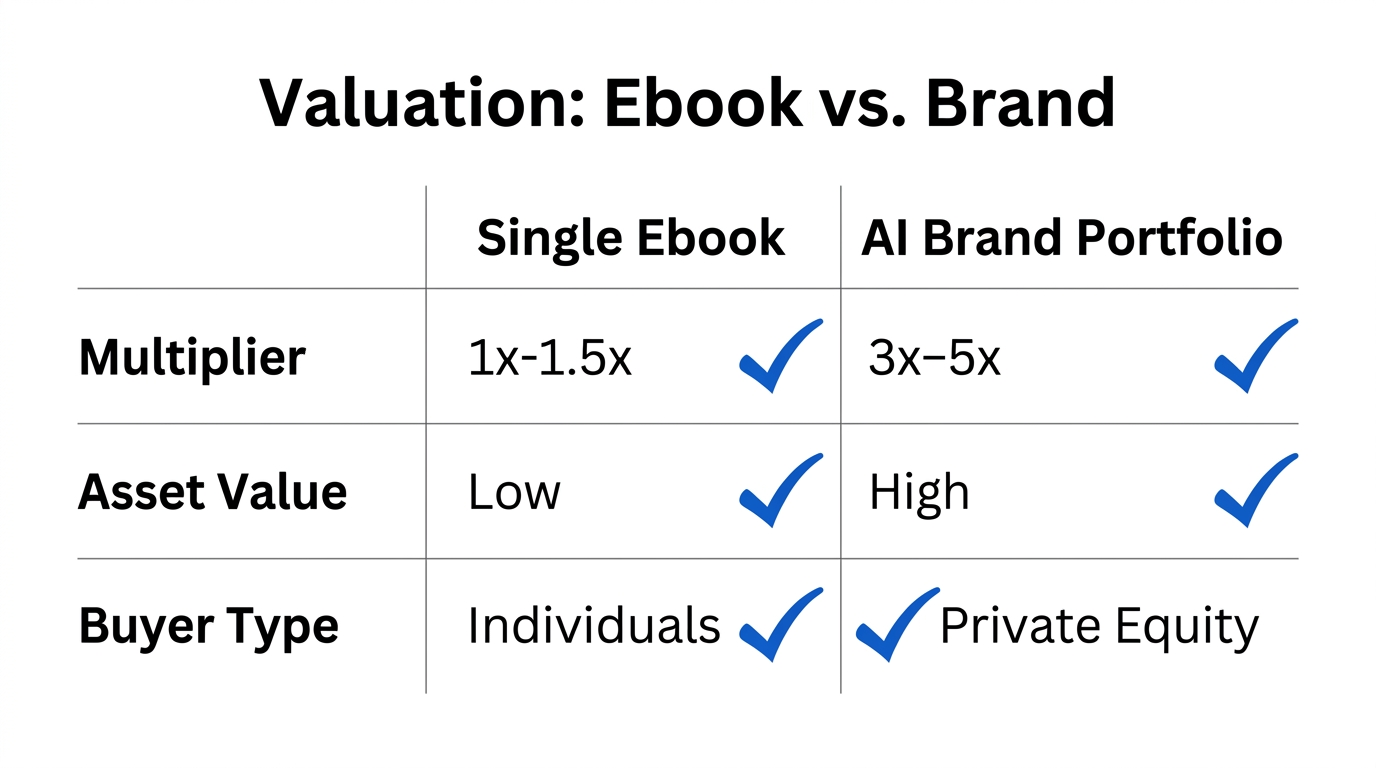
The final stage of the 2026 growth strategy is liquidity. Because these book brands are built on repeatable systems and data-driven ad funnels, they are highly attractive to investors. Joe received an offer of $930,000 for his entire business. He eventually chose to sell 40% to an investor, allowing him to take chips off the table while continuing to scale.
Investors look for an exit strategy that includes:
- Clean Data: A well-organized Pinterest Tag history.
- Loyal Customers: Repeat buyers and a growing email list.
- Systems: A business that runs on AI automation rather than manual labor.
Conclusion: Learning Over Earning
The transition from a minimum-wage job to a seven-figure valuation isn't about working harder; it’s about prioritizing learning over earning. By mastering gender-specific demographics on Pinterest and leveraging ChatGPT marketing automation, you can build an asset that generates passive income and massive exit potential.
Start small, test broadly with consideration campaigns, and use data to scale. In 2026, the tools to build a million-dollar business are more accessible than ever—the only variable is your willingness to implement the playbook. For more insights on how to scale with creators and AI, check out the latest case studies on Starter Story.