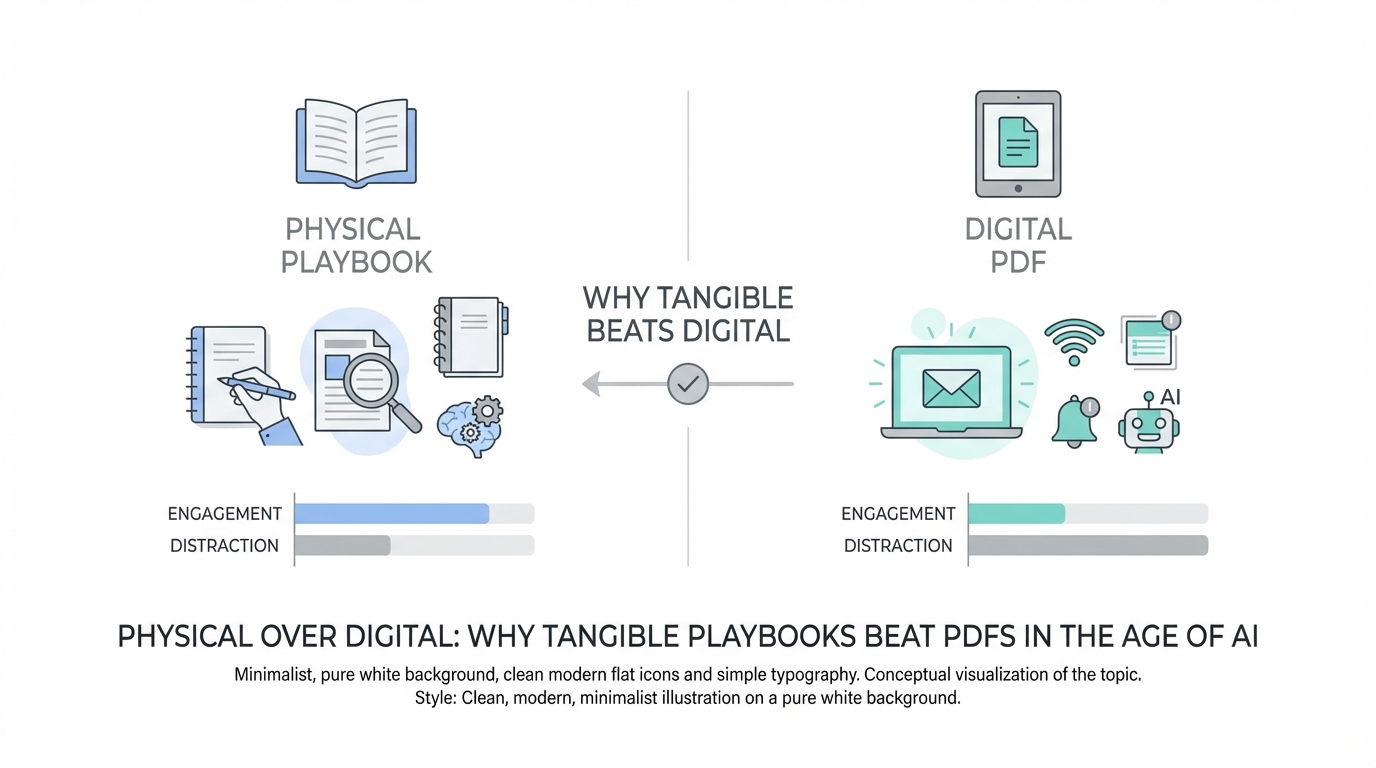
We have reached a point of digital saturation where the marginal value of information is rapidly approaching zero. With the explosion of generative AI, anyone can produce a 50-page ebook or a comprehensive course syllabus in roughly thirty seconds. This phenomenon, often described as "content slop" or "brain rot," has created a unique psychological backlash. As digital products become more abundant and less distinct, consumers are beginning to crave the opposite: the tangible, the heavy, and the permanent. Data suggests that social media usage actually peaked in 2022, with younger generations leading a quiet retreat away from constant screen time in favor of deeper, more focused experiences. This shift represents a massive opportunity for creators to pivot toward physical info products as a way to command premium prices and ensure actual customer success.
The Psychology of Tangibility: Why Weight Equals Worth
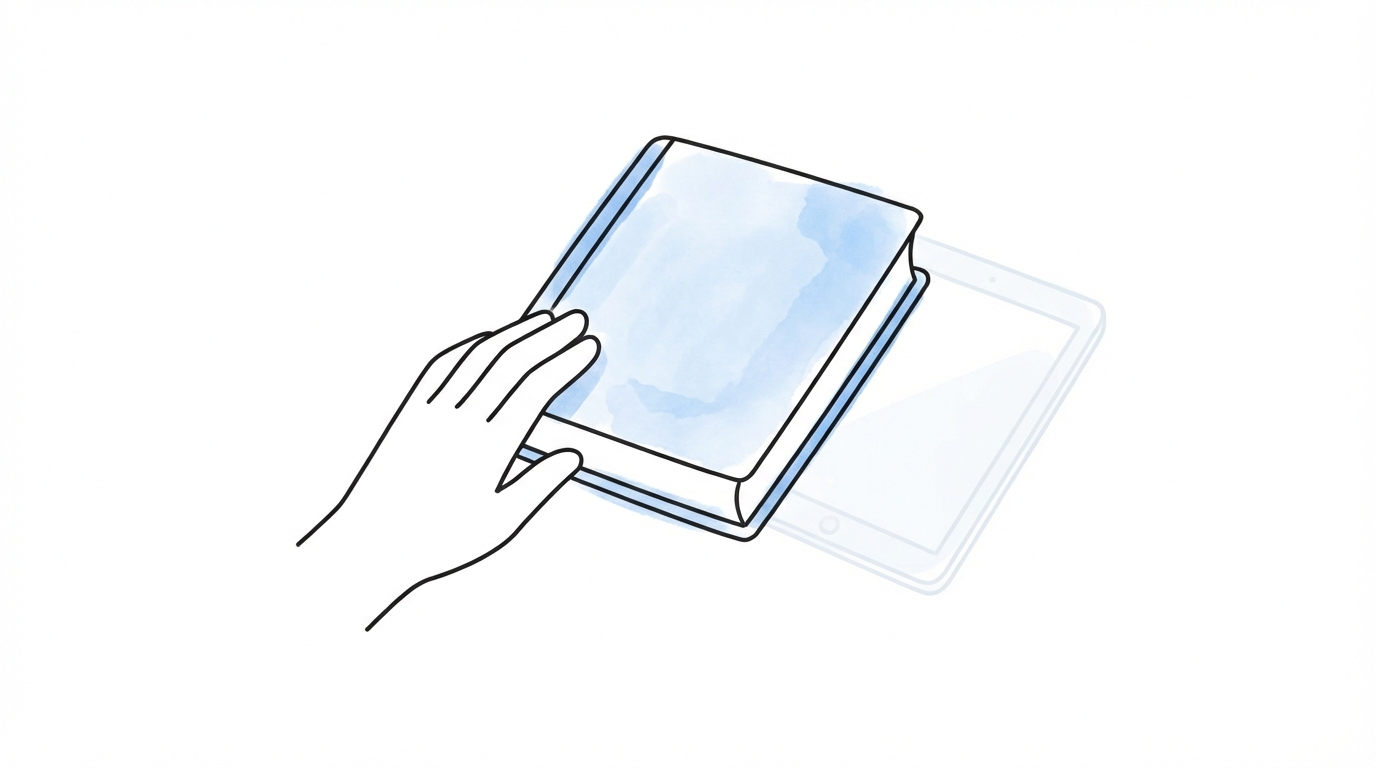
There is a profound psychological difference between a 2MB PDF sitting in a downloads folder and a five-pound physical binder sitting on a mahogany desk. When a customer receives a physical package, the perceived value of the information inside is immediately anchored by the physical reality of the product. Take, for example, the $100M Playbooks by Alex Hormozi. While some might argue that the information could be delivered via a Google Doc, Hormozi famously opted for a massive, high-end physical folder. Even when the contents were leaked as PDFs on platforms like Reddit, the physical version continued to sell for thousands of dollars. Why? Because a physical book or folder feels substantial. It feels like an asset rather than a file.
For the modern consumer, holding a physical product provides a sense of ownership that digital access simply cannot replicate. In an era where digital product alternatives are everywhere, the tactile experience becomes the differentiator. When you invest $5,000 or more into a physical curriculum, you aren't just buying data; you are buying a commitment. The physical presence of the material acts as a constant, non-digital nudge to engage with the content, making it much harder to ignore than a tab in a browser.
Combating 'ChatGPT Fatigue' with High-Value Curriculum Design
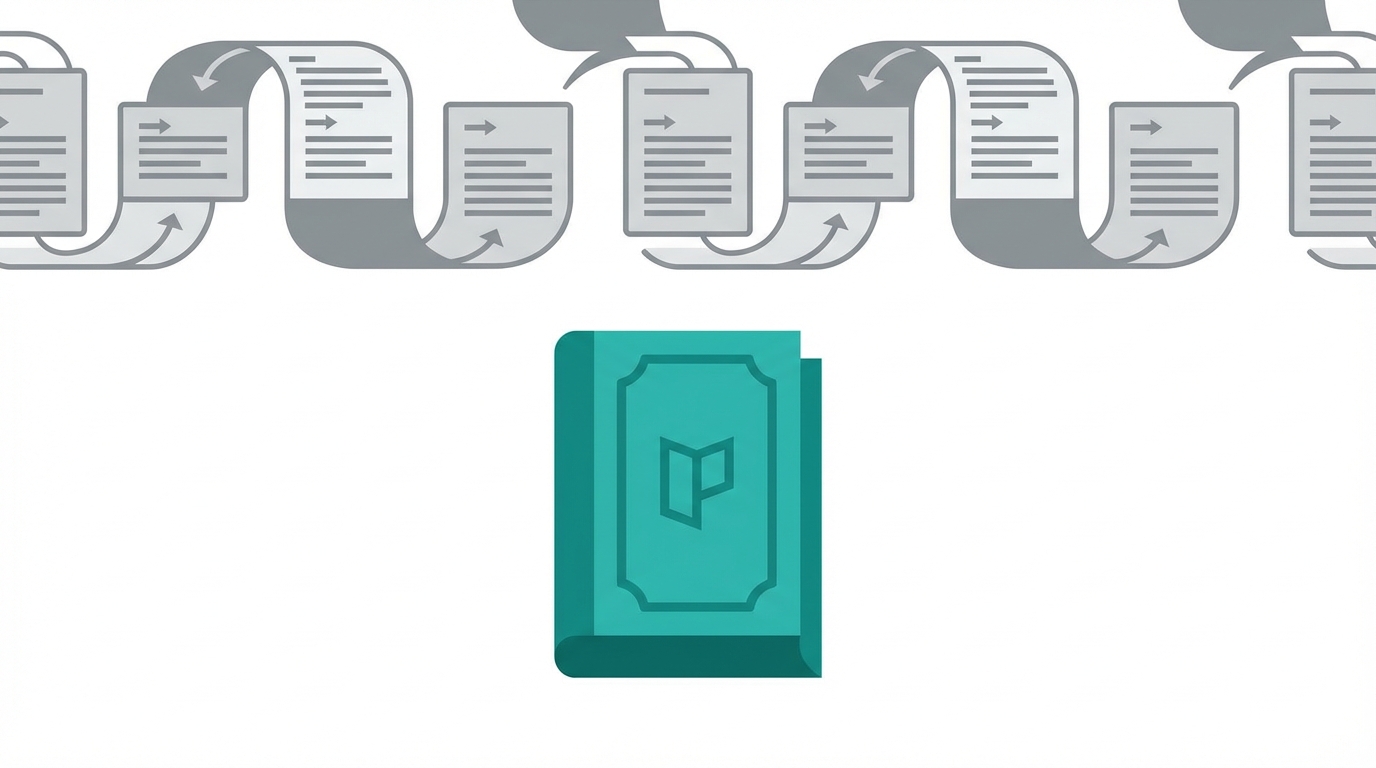
We are currently witnessing a massive wave of "ChatGPT fatigue." Because AI can generate generic advice on nearly any topic, the market is being flooded with mediocre digital courses that all sound remarkably similar. To stand out, creators must focus on high value curriculum design that emphasizes curation over volume. The value is no longer in having the most information; it is in having the right information, distilled and presented in a format that feels exclusive. By moving away from digital-only delivery, you signal to your audience that your insights are too valuable to be lost in the sea of AI-generated noise.
When you offer a physical playbook, you are positioning yourself as an authority who has done the hard work of filtering the noise. This is especially effective in professional niches like facilitation or high-level consulting. For instance, Facilitator.com found that while their digital certifications were successful, their in-person, high-ticket events priced at over $14,000 sold out almost instantly. This "anti-trend" works because it offers immersion. In a world of four-minute TikToks, a three-day in-person retreat or a comprehensive physical workbook provides the "slow media" experience that high-performers are willing to pay a premium for.
The Logistical Advantage: Killing 'Digital Shelf' Syndrome
One of the biggest hurdles for digital creators is "digital shelf syndrome"—the tendency for customers to buy a course and never actually open it. Low completion rates lead to poor customer results, which in turn leads to a lack of testimonials and higher churn. Physical assets solve this by creating a physical footprint in the customer’s environment. A beautifully designed box or a high-end playbook is hard to toss aside. It sits on the desk, visible and tangible, serving as a reminder of the investment made.
This is where product packaging for creators becomes a core marketing competency. If you are selling premium playbooks, the box opening experience is your first chance to deliver a "win" to the customer. This physical momentum carries over into the learning process. Unlike digital files, physical books allow for osmosis-style learning—flipping through pages, highlighting physical text, and keeping the material within arm's reach for quick reference. When customers actually use the product, they get results, and when they get results, your brand grows through word-of-mouth rather than expensive ad spend.
Scaling Your Physical Brand with UGC and Influencers

Marketing a physical product requires a different visual language than marketing a digital one. You need to show the texture, the weight, and the unboxing experience to truly convey value. This is where user-generated content (UGC) and influencer partnerships become essential. When potential buyers see a creator they trust holding your physical playbook, the perceived value jumps instantly. However, finding the right influencers who can produce high-aesthetic, premium content is a manual grind that most founders don't have time for.
This is where tools like Stormy AI provide a significant edge. Using Stormy's AI-powered search, you can instantly discover creators who specialize in high-end unboxing or educational content within your specific niche. Instead of guessing, you can vet influencers based on their audience quality and engagement, ensuring that your physical playbooks are being showcased to people who actually value tangible goods. Once you've found the right partners, you can use Stormy’s automated outreach and CRM to manage the logistics of shipping physical units and tracking the resulting campaign performance across TikTok, YouTube, and Instagram.
Step-by-Step: How to Create a $5,000 Physical Playbook
Creating a high-end physical product is more than just clicking 'print' at the local shop. It requires a deliberate approach to product packaging for creators to justify a premium price point. Follow this playbook to move from PDF to physical powerhouse:
Step 1: Distill Your Core Intellectual Property
Don't just print everything. Identify the 20% of your content that drives 80% of the results. This should be the "Playbook"—the tactical, step-by-step instructions that a user will want to refer to daily. Use Workshopper principles to ensure the content is actionable and facilitated for the reader.
Step 2: Invest in Material Quality
If you want to charge $5,000, the product cannot look like it came from a standard office printer. Use heavy-weight paper (100lb+), soft-touch lamination for the covers, and high-end binding like a lay-flat hardback or a premium debossed binder. The "thud factor" (the sound it makes when dropped on a table) is a real metric in high-end info products.
Step 3: Create a Multi-Sensory Unboxing
Include more than just the book. Add physical tools—specialized markers, custom planning cards, or even a "golden ticket" for a private consulting call. The goal is to make the customer feel like they have received a treasure chest of expertise. Companies like Skool have seen communities thrive when they integrate physical meetups or physical rewards into the digital experience.
Step 4: Use Physical as a Gateway to Recurring Revenue
Your physical playbook shouldn't be the end of the journey. Use it as a marketing tool for recurring digital subscriptions. For example, the playbook provides the foundation, but the ongoing support, community updates, and weekly coaching calls require a monthly membership. This creates a high-LTV (lifetime value) model where the physical product anchors the relationship and the digital subscription provides the scale.
The IRL Moat: Why In-Person is the Ultimate Competitor Shield
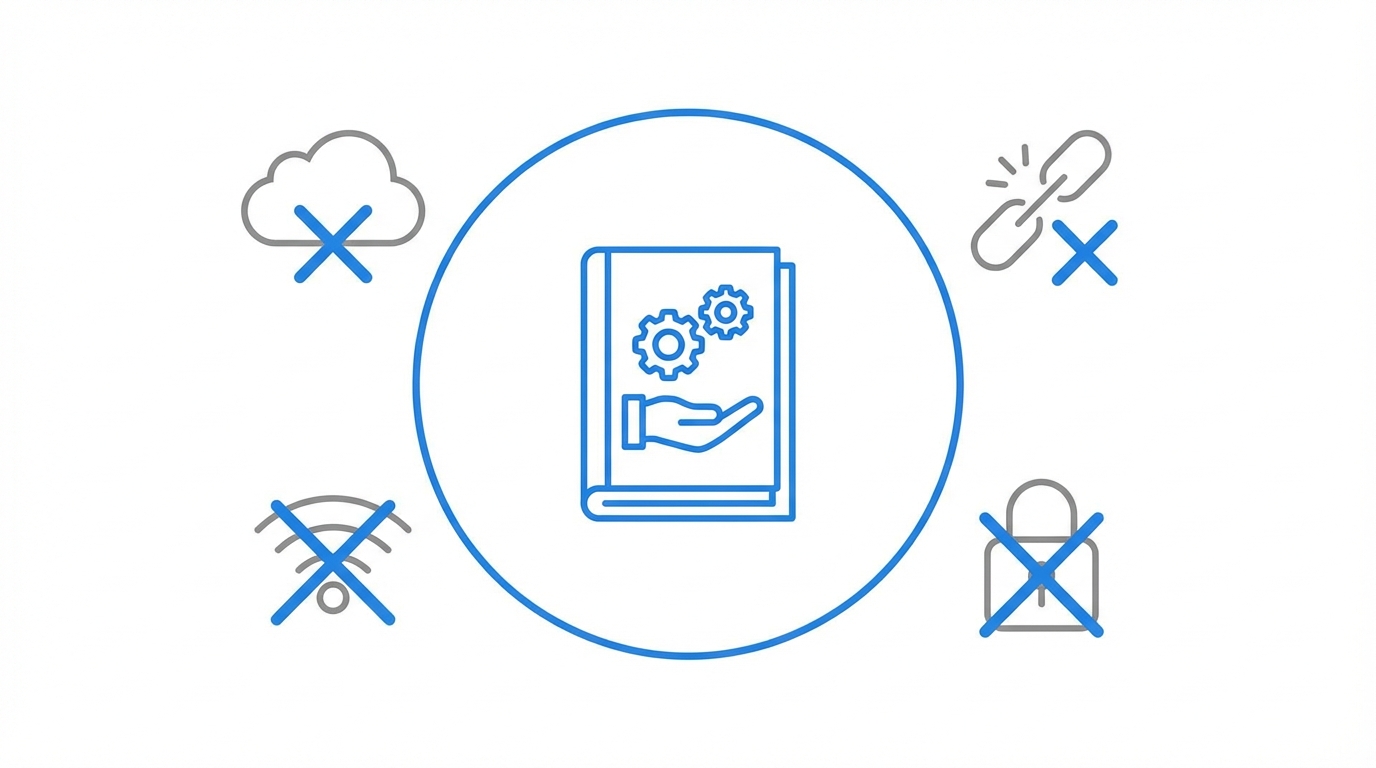
In a world where software and content can be easily cloned, In-Real-Life (IRL) experiences and physical goods represent a powerful moat. It is easy to spin up a competing GPT-wrapper; it is extremely difficult to spin up a sold-out in-person retreat in an Italian villa or a high-production physical shipping operation. In-person events, such as the "Summer Camp" models mentioned by Jonathan Courtney, allow for learning through osmosis—a level of deep networking and nuance that Zoom calls simply cannot replicate.
When you commit to physical products and in-person events, you are signaling to the market that you are a legit, real-world entity. This builds massive trust. Prospective clients see your high-end physical assets or photos from your exclusive retreats and realize you aren't just another "cave dweller" selling digital air. You are building something substantial. Even if you continue to sell digital products, these physical touchpoints serve as the aspirational anchor for your entire brand, pulling customers through your funnel from low-ticket digital to high-ticket tangible experiences.
Conclusion: Embracing the Tangible Future
The move toward physical info products isn't a step backward; it's a strategic leap forward into a market that is starving for quality, curation, and connection. By offering something that people can touch, feel, and keep, you escape the commoditization of the digital world and create a brand that exists in the real lives of your customers. Whether it's a $5,800 playbook or a $15,000 in-person certification, the future belongs to those who can bridge the gap between digital scale and physical value. Start by identifying your most valuable playbooks today—and get them off the screen and into your customers' hands.