In an era where every brand interaction is mediated by a screen and every message is tailored by an algorithm, we have reached a breaking point of digital fatigue. While digital-first strategies offer unparalleled scale, they often fail at the one metric that defines long-term brand health: genuine human connection. The data is increasingly clear that the ultimate growth lever for the modern age isn't a better sequence of automated emails, but a return to "belly-to-belly" interactions. By shifting from digital-only engagement to high-vetted, in-person experiences, brands are seeing community retention rates skyrocket from a mediocre 60% to an astounding 90% or higher. This article serves as a playbook for transitioning from a digital audience to a thriving, physical community that resists the churn of the modern attention economy.
The Retention Revolution: Why Digital-Only is Dying
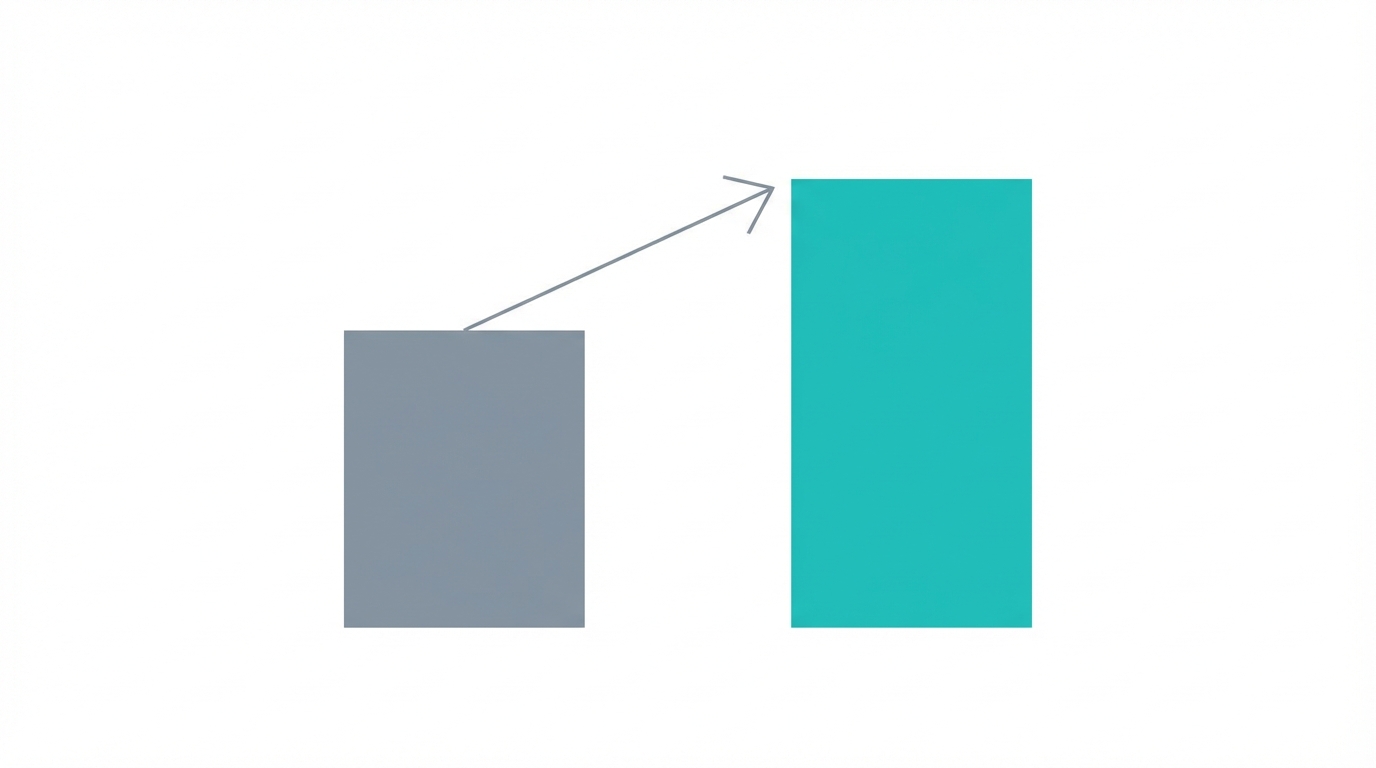
For years, the standard for influencer community engagement was built on the back of platforms like Slack, Discord, or private Facebook groups. While these tools are excellent for the initial distribution of content and low-friction communication, they often suffer from "digital dilution." When a community exists only in the cloud, it becomes one of many notifications vying for a user’s limited attention. Statistics from high-growth communities like Hampton show that annual retention often sits in the 60% range when interactions are purely digital. However, when those same members are brought into a physical setting once a month, retention often jumps to 85% or 90%.
Physical proximity creates a level of psychological safety and social accountability that digital tools cannot replicate. Brands that invest in experiential marketing for brands find that the physical environment acts as a filter, separating passive consumers from true advocates. When you analyze your community health via Meta Ads Manager or other tracking dashboards, you might see high engagement, but if your membership churn reduction isn't following suit, you lack the "stickiness" that only real-world connection provides.
The 'Three Cs' of High-Value Communities
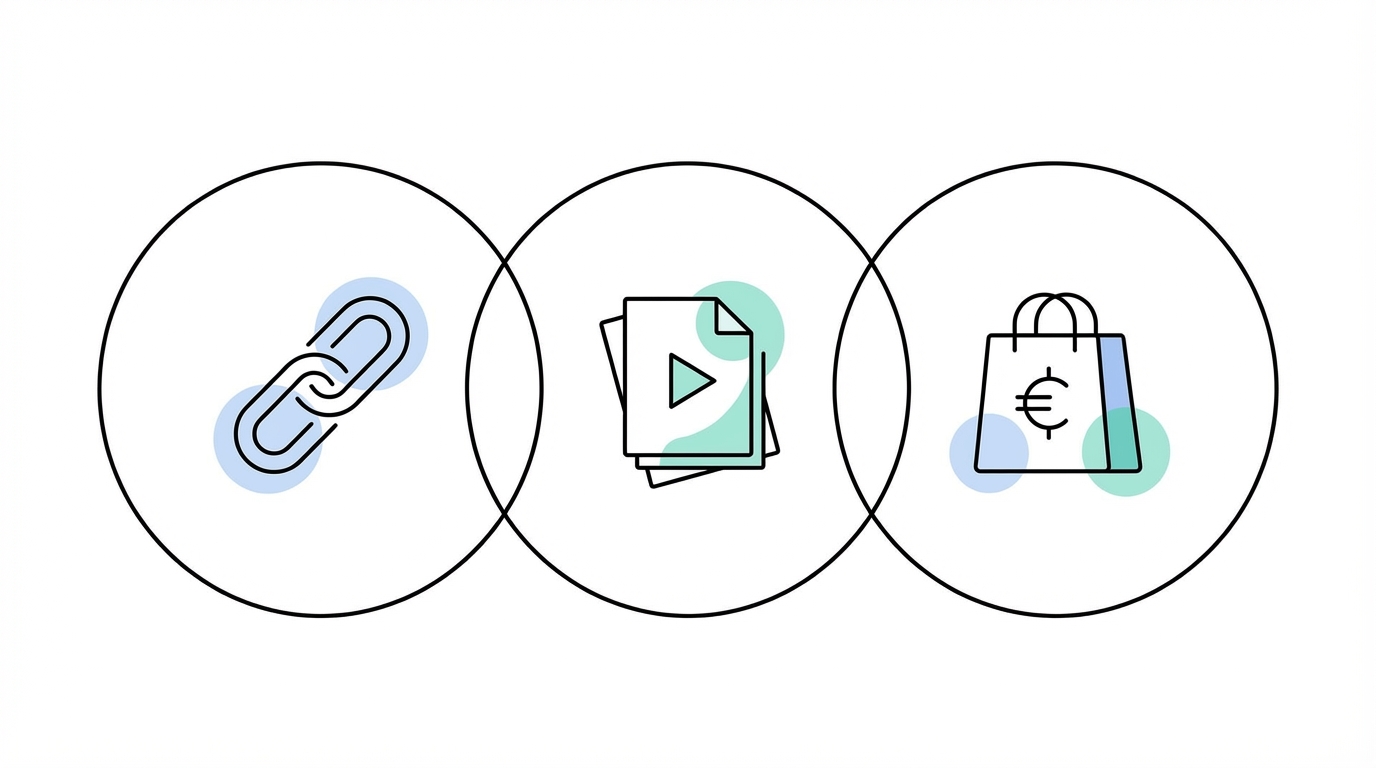
To move beyond a simple mailing list and build a community that lasts, brands must instill what experts call the "Three Cs." These are the non-negotiable pillars of building in-person communities that actually provide value to the members. Without these, a community is just a networking event; with them, it becomes a life-changing institution.
1. Confidentiality
In a world where everything is recorded, screenshotted, and shared, humans crave a place where they can speak without a filter. High-retention communities thrive because members know that what is said in the room stays in the room. This is especially critical for entrepreneurs and high-level influencers who often feel they have to perform a certain persona online. Physical events allow for the confidentiality that a Slack channel—which can be exported or searched—never truly offers.
2. Candor
Digital interactions tend toward the performative. People share their wins, not their struggles. In-person settings encourage candor—the ability to be honest about mistakes, fears, and the messy reality of running a business or a brand. This honesty is the foundation of influencer community engagement. When members see the "real" version of their peers, the bond deepens far beyond what is possible through a 10-second TikTok video.
3. Commitment
Digital communities are easy to join and even easier to ignore. Physical communities require a commitment of time, energy, and often travel. This higher barrier to entry is actually a feature, not a bug. By vetting members and requiring physical attendance, you ensure that every person in the room is fully invested. This commitment is what keeps membership churn reduction low; once someone has experienced the power of the group, they are far less likely to leave.
Fighting the 'Loneliness Epidemic' as a Growth Strategy
We are currently living through a loneliness epidemic. Despite being more connected than ever, the average person feels more isolated. AI and digital overload are making people "sick" of talking to machines and screens. This cultural shift presents a massive opportunity for brands to act as a "resistance" movement. By positioning your brand as a facilitator of real-world relationships, you move from being a vendor to becoming an essential part of your customer’s social fabric.
Modern marketing isn't just about selling a product; it’s about providing the meaning that people are missing in their daily lives. For example, some brands find success by moving away from automated ads and instead using Stormy AI, an AI-powered search engine that allows you to find creators across TikTok and Instagram using natural-language prompts, to discover creators who can speak authentically to these human needs. These creators aren't just selling; they are building a bridge between a digital product and a physical community. Using platforms like Google Ads to drive awareness of physical local chapters can be a far more effective community retention strategy than simply pushing for another app install.
Scaling the 'Pain in the Ass': Operationalizing Local Groups
The biggest argument against in-person events is that they are hard to scale. Critics call them a "pain in the ass" because they require local moderators, venue booking, and strict vetting processes. However, the difficulty is the source of the value. If it were easy, everyone would do it, and the market would be saturated with low-quality meetups.
To scale building in-person communities, you must operationalize the hard parts. This involves finding and training local moderators who embody your brand values. These moderators act as the glue for each city-based chapter, ensuring that the Three Cs are upheld in every meeting. Brands like Hampton manage this by letting in only 4-5% of applicants per month, ensuring that the rooms remain high-vetted and high-value. While it’s tempting to use Apple Search Ads to drive thousands of new users, those users are only as valuable as the community they are entering. Vetting ensures that the quality of the crowd remains the primary draw, rather than just the content provided.
The Leadership Lever: Morale and the Power of the Speech
History shows us that a single leader can exert a small amount of energy—through a speech or a physical presence—to change the morale of millions. Winston Churchill’s "We shall fight on the beaches" speech didn't just convey information; it changed the energy of a nation because it was delivered in the physical setting of Parliament to an audience that shared a mission. Similarly, influencers like the Gallagher brothers of Oasis used mega-concerts to turn a few guys on a stage into a cultural movement. They traded on physical energy that a digital stream can never replicate.
As a brand leader or community manager, your role is to elevate the importance of the gathering. It is not just a meeting; it is a shared mission. This shift in mindset from "managing a group" to "leading a movement" is what separates successful influencer community engagement from failing social media accounts. When you use Stormy AI to analyze creator audience quality and vet profiles for engagement fraud, you can find UGC creators who don't just have followers, but who have the ability to inspire and lead their specific niche with this same level of intensity.
Finding the Right Creators for Authentic connection

The bridge between a digital brand and a physical community is the creator. In the mobile app world, where UGC (user-generated content) for mobile app marketing is the gold standard, finding the right face is crucial. These creators act as the first touchpoint in a member’s journey toward the physical community. They are the ones who can articulate the brand's values and invite the digital audience into the "resistance."
Tools like Stormy AI are essential for this process. Stormy AI is an all-in-one platform that allows brands to set up an autonomous AI agent that discovers, outreaches, and follows up with creators on a daily schedule—entirely automated. Instead of manually searching through thousands of profiles, brands can use AI-powered discovery to find creators who already have a high level of trust with their audience. When these creators promote an in-person event, the attendance is not just higher—it’s higher quality. They have already done the work of pre-vetting the audience through their content. This synergy between AI-powered creator discovery and old-school physical events is the secret weapon for modern community retention strategies.
Prioritizing the 'Big Rocks' of Community Engagement
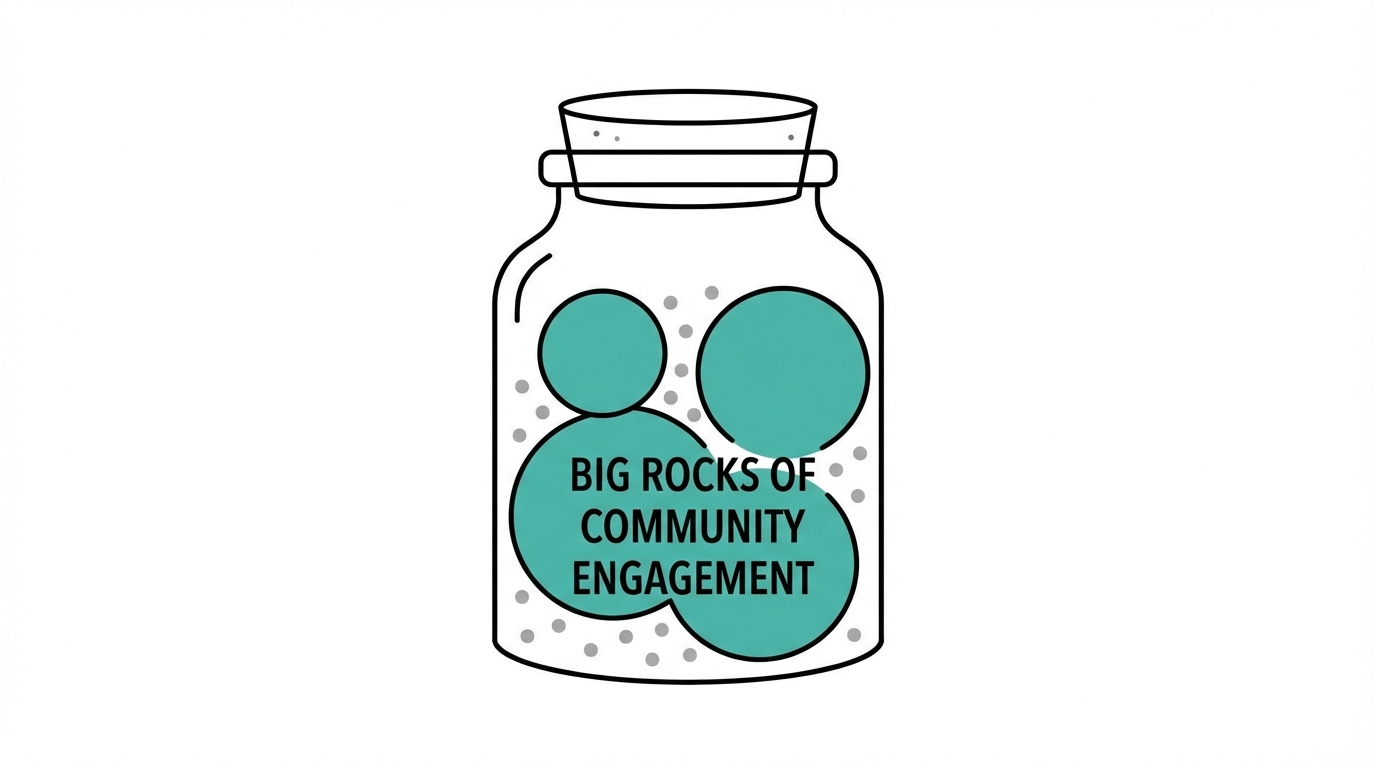
One of the most common mistakes in community building is letting "the sand" fill the jar. The sand represents the daily routines, the Slack threads, and the Zoom calls. These are urgent, but they aren't the "big rocks" that create lifelong memories and brand loyalty. If you don't schedule your physical events and high-value connection points first, the work of digital maintenance will expand to fill all the available space.
As outlined in principles like Die with Zero, timing matters. There is only a certain window where your brand can capture the zeitgeist and build a core community. If you delay the move to physical because it feels "irresponsible" to spend money on events instead of digital ads, you may miss the window entirely. Experiential marketing for brands should be viewed as a high-value investment in the foundation of the business, not a luxury to be added later. By putting the physical connection "rocks" in the jar first, you ensure that your brand doesn't just grow, but survives the test of time.
Conclusion: The Physical Imperative
In the final analysis, the move to in-person communities is not about rejecting technology, but about using it to facilitate what humans need most: vetted, high-quality connection. The data-backed jump in retention from 60% to over 90% proves that "belly-to-belly" interaction is the ultimate remedy for membership churn. By focusing on the Three Cs, operationalizing the hard work of local chapters, and using tools like Stormy AI to find authentic leaders, brands can build communities that aren't just consumers of content, but committed members of a movement. Don't let your brand become just another notification in an endless digital stream—get in the room, build the resistance, and watch your community thrive.