For the past two years, artificial intelligence has felt like a ghost in the machine—a disembodied voice trapped behind a ChatGPT window or a mid-journey prompt. But the landscape is shifting. We are entering the Physical AI Gold Rush, where generative intelligence is breaking free from the browser and moving into tactile, 'always-on' hardware. From meeting recorders that look like credit cards to teddy bears that can explain the history of cacao trees, generative AI hardware is becoming the next frontier for consumer electronics. For marketers and app developers, this shift represents a massive opportunity to move beyond screen-based interactions and integrate intelligence into the very fabric of daily life through AI consumer electronics trends.
Defining Physical AI: The Hardware-Software Pivot
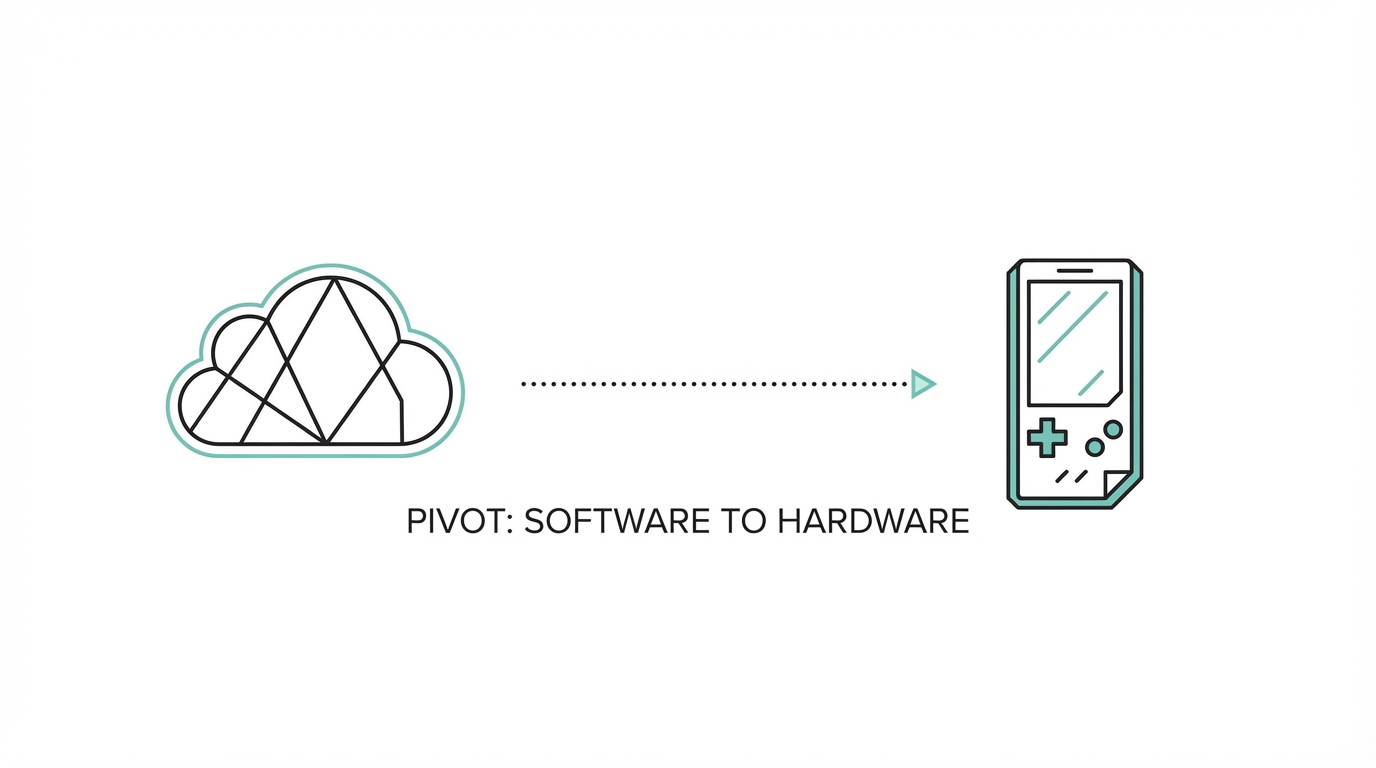
Physical AI is not just about humanoid robots like Tesla’s Optimus; it is about the 'gimmick' device that actually works. We are seeing a move away from the 'Swiss Army Knife' approach of the smartphone and toward specialized, single-purpose hardware powered by Large Language Models (LLMs). The goal is to reduce friction. Why unlock a phone, open an app, and type a prompt when a dedicated physical device can do it with a single button press?
Consider the success of Plaud, a physical meeting recorder that has reportedly cleared $100 million in revenue. It looks like a sleek business card, but its utility is profound: it records, transcribes, and summarizes conversations using AI. It solves the 'fricton problem' for students and professionals who need an 'essential daily carry' for information capture. This is a prime example of how tech gadget influencer marketing can take a simple premise—recording audio—and elevate it into a must-have productivity tool by layering on physical intelligence.
Platforms like Stormy AI are already seeing a rise in UGC (user-generated content) creators focusing on these specialized tools. Stormy AI is an all-in-one platform for creator discovery and vetting, allowing brands to instantly paste a creator's URL and get an AI-powered quality report to detect fake followers or engagement fraud. Brands are no longer just selling a gadget; they are selling a seamless workflow enhancement. This hardware-software integration is where the puck is moving, particularly as components become smaller and more affordable to embed in everyday objects.
The 'Unfiltered' Interaction Model: Marketing Smart Toys

Perhaps the most significant disruption is occurring in the nursery. Traditional interactive toys were hard-coded—press a button to hear 'Itsy Bitsy Spider.' Today, marketing smart toys involves selling an 'open-world' educational experience. With generative AI, a toy is no longer a static soundboard; it is a tutor, a storyteller, and a companion.
Companies like Curio (often referenced as a leader in AI plushies) are pioneering this space with AI-integrated companions. Imagine a teddy bear that doesn't just repeat phrases but can answer a child’s question about where chocolate comes from—explaining the journey from the bitter cacao bean to the sweetened bar invented by doctors like Fry. This unfiltered interaction model allows for educational technology trends to merge with play, creating a product that grows with the child’s curiosity.
When marketing these products, brands must emphasize safety and the 'magic' of the interaction. The strategy shifts from listing 'features' to showcasing emergent moments—clips of children asking complex questions and receiving thoughtful, AI-generated answers. This is where mobile app marketing strategies intersect with hardware; the toy is the interface, but the LLM 'brain' is often managed via a companion app, allowing parents to monitor what their children are learning via platforms like Bark or proprietary dashboards.
Performance Niches: AI Gadgets for Student Productivity

The rise of Physical AI is also fueling a 'performance' niche—targeting high-achievers who want cognitive or physical enhancement. We see this in the surge of 'focus' products. For instance, brands targeting high performers at firms like Sequoia or Goldman Sachs are booming by offering alternatives to traditional stimulants.
This same 'high-performance' branding is being applied to generative AI hardware. The pitch for devices like the Plaud isn't just 'record your class'; it is 'out-perform your peers with automated note-taking.' This mirrors trends in the fitness world, such as the Vitruvian, a shoebox-sized portable cable machine. By using precision technology to adjust eccentric and concentric loads, these devices allow for 'biohacking' level gains in a small footprint.
To market these effectively, brands should focus on App Store Optimization (ASO) for their companion apps and use Apple Search Ads to target users searching for 'productivity,' 'focus,' or 'fitness tracking.' Finding the right creators to demo these products is essential. By using Stormy AI, marketers can use a natural-language search engine to instantly find tech-centric influencers who review 'EDC' gear or productivity hacks across TikTok, YouTube, and Instagram.
Playbook for Marketing AI Hardware: Moving from Prototype to Essential
Marketing a physical AI product requires a different playbook than selling a SaaS subscription. You are fighting the 'janky prototype' stigma. Here is how to move from a curious gadget to a daily necessity:
Step 1: Focus on the 'Problem-First' Narrative
Don't lead with 'AI.' Lead with the pain point. For a device like the Plaud, the problem is 'losing important details in meetings.' For a smart toy, it's 'passive screen time vs. active engagement.' Use Meta Ads Manager to run A/B tests on different problem-based hooks to see which resonates most with your target demographic.
Step 2: Social Proof via Expert Reviews
Physical hardware needs to be seen in the real world. Partner with niche reviewers who have high trust. In the home gym space, influencers like Coop Mitchell have built massive authority by being brutally honest about equipment. A single endorsement from an expert in a niche community—like the Hampton community for founders—is worth more than a thousand generic impressions. You can manage these relationships and track every negotiation and payment within a dedicated Stormy AI creator CRM.
Step 3: Leverage the 'Clip Farm' Strategy
Modern marketing is driven by short-form video. Your AI hardware should be the 'star' of viral clips on TikTok and Reels. Whether it's a smart toy saying something hilarious or a fitness device allowing someone to lift 200lbs in a hotel room, visual proof of the AI's utility is your best sales tool. Use Google Ads to capture high-intent search traffic for these viral moments.
Influencer Outreach Strategies: Tech, Parenting, and Education

Successful tech gadget influencer marketing for physical AI requires reaching beyond the 'tech bro' bubble. If you are marketing a smart toy, your best advocates are 'tech-positive' parents who are worried about the developmental impact of iPads but want their children to be digitally literate. If you are selling an interactive device like The Handy, which has sold 200,000 units, you are targeting a very specific niche of early adopters who value 'haptic' and 'interactive' experiences.
When conducting outreach, emphasize the human-centric results of your AI hardware:
- For Educators: Focus on how the device assists in differentiated learning or student organization.
- For Tech Parents: Highlight the safety protocols and the move away from blue-light screens toward tactile play.
- For Productivity Hackers: Focus on time saved and the 'brain-dump' efficiency of the hardware.
A smart strategy involves using Stormy AI to find UGC creators and set up an autonomous AI agent that discovers, outreaches, and follows up with creators on a daily schedule. This allows you to scale your campaign while you sleep, using hyper-personalized emails generated for each influencer based on their specific content style.
Conclusion: The Future of Intelligence is Tactile
The Physical AI Gold Rush is just beginning. As the world becomes increasingly saturated with digital content, there is a growing desire for physical objects that provide real-world utility through generative AI hardware. Whether it’s substituting alcohol for focus-enhancing pouches or replacing a storybook with an AI-powered teddy bear, consumers are looking for ways to use technology to enhance their 'lived experience' rather than just distract from it.
For brands, the takeaway is clear: stop thinking in terms of apps and start thinking in terms of interaction. By combining physical hardware with AI-driven intelligence and leveraging AI consumer electronics trends, you can create products that aren't just used—they are carried, held, and integrated into the very fabric of the user's life. The brands that win will be those that move from 'janky prototypes' to 'essential daily carries' by focusing on precision, safety, and undeniable utility.