In the rapidly evolving creator economy, your digital home is often the first and most critical point of contact for brand deals, fan engagement, and revenue generation. For years, creators have been funneled into a sea of sameness, using identical Carrd templates or Linktree pages that lack the unique flair required to stand out in a saturated market. But a shift is happening. With the release of ChatGPT Codex, the barrier between being a "non-technical creator" and a "web developer" has effectively vanished. This new breed of AI-powered engineering allows influencers to take full control of their codebases without ever writing a single line of JavaScript themselves.
Beyond the Template Trap: Why Creators Are Going Custom
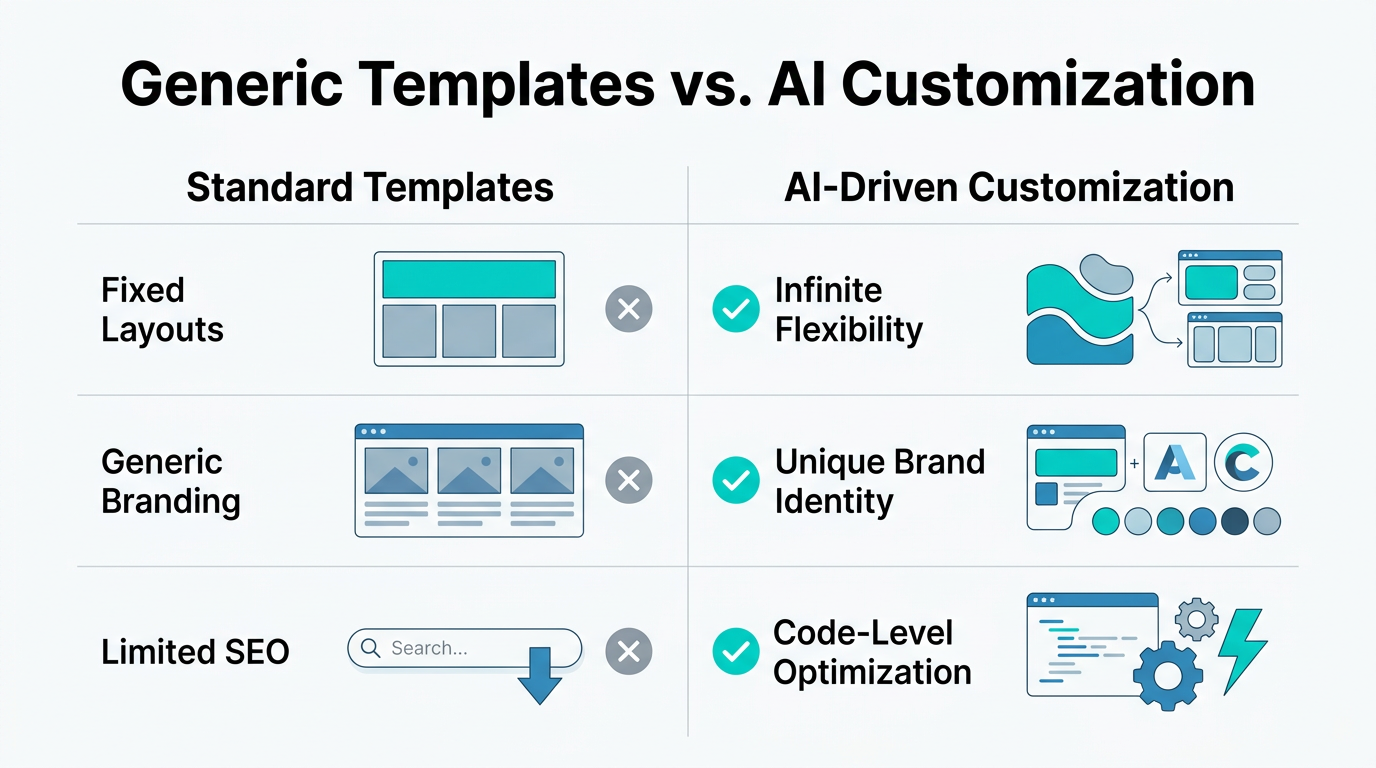
Most influencers start their journey with standard no-code builders. These tools are excellent for getting a bio link live in five minutes, but they quickly become a straightjacket for brand expression. When every fitness influencer in your niche uses the same "aesthetic" template, your brand equity dilutes. Customization in these builders is often limited to changing colors or fonts, leaving no room for high-converting interactive elements like custom calculators, unique social feeds, or bespoke animations.
By leveraging OpenAI Codex, creators are moving their sites into the realm of custom code. This doesn't mean you need to spend six months at a coding bootcamp. Instead, it involves a delegation-based workflow where the AI acts as your senior engineer, and you act as the product manager. This transition allows for a level of professionalism that signals to high-ticket sponsors that you are more than just a social media profile; you are a tech-enabled media entity.
"The UI of Codex is different... you don't look at the code or think about the code at all. You set the to-do list, but you're not doing the to-dos."
| Feature | Standard No-Code (Carrd/Linktree) | Custom Site via Codex |
|---|---|---|
| Originality | Low (Template-based) | Infinite (Bespoke UI) |
| Interactive Logic | Limited/Pre-built | Custom agents & shortcuts |
| Scalability | Capped by platform features | Unlimited (Full web stack) |
| Brand Authority | Medium | Maximum |
The Transition Playbook: Exporting from Carrd to GitHub
You don't have to start from a blank screen. Most creators already have a site they like, but they want more power. The secret to bridging the gap is a simple "View Source" strategy. You can take your existing landing page, right-click, and select "View Page Source" to see the raw HTML and CSS that serves your site. This code is the DNA of your current brand, and it serves as the perfect starting point for an AI engineer.
Once you have your code, the next step is moving it to GitHub. For the uninitiated, GitHub can feel like a behemoth, but for a creator, it’s simply a permanent cloud folder for your brand's digital assets. By creating a repository, you establish a centralized hub where your website lives. From here, you can connect tools like Vercel to host your site for free, ensuring that every time your AI agent makes an update, your live site changes instantly.
Tutorial: Customizing Your Brand with Codex
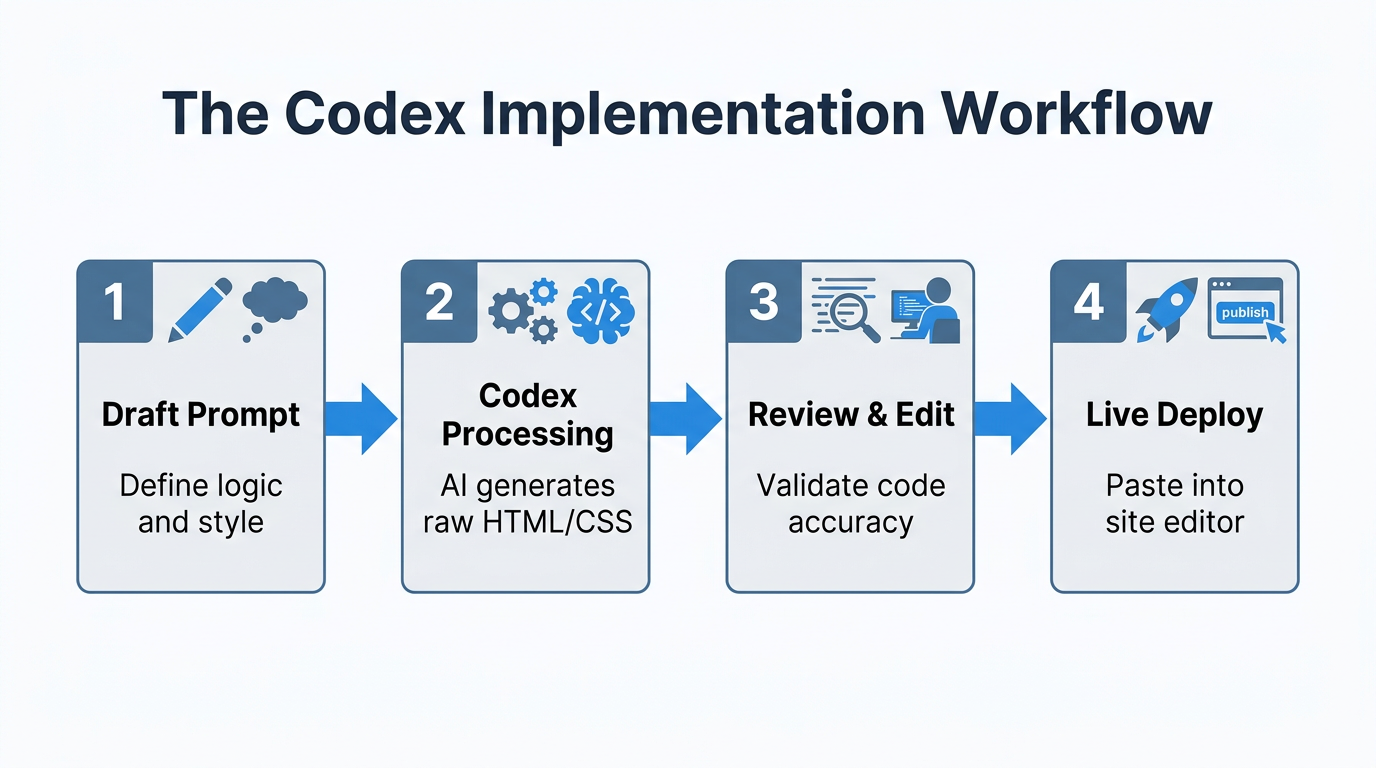
Once your code is in GitHub, you can connect it to the ChatGPT Codex environment. This is where the magic happens. Codex allows you to issue natural language commands to modify your site. Here is the sequential playbook for a non-technical creator to upgrade their site:
Step 1: Define Your Feature
Instead of asking for a "better site," be specific. Think of features that improve user experience (UX) or conversion. For example, you might want to add a dark mode switcher or a command pallet (similar to the Command+K shortcuts seen on high-end SaaS apps). These small touches separate professional creators from amateurs.
Step 2: The 'Code' Command
In the Codex interface, type your request. A great example would be: "Add a floating dark mode toggle to the top right of my navigation bar that matches my current brand colors." When you hit "Code," the AI doesn't just give you a snippet; it scans your entire repository, finds the relevant files, and writes the actual integration for you.
Step 3: Review the Pull Request (PR)
This is a critical concept in development. A Pull Request is essentially a "request to make a change." Codex will show you exactly how many lines it added and removed. You don't need to understand the syntax; you just need to check if the logic makes sense. If the AI added 12 lines of code to create a new "Food I Like" tab, you can simply click "Merge" to push those changes live.
"Start small and iterate even smaller. There's no real risk of anything happening other than your site changing because you can always roll back to a previous version."
Adding High-Value Interactive Features
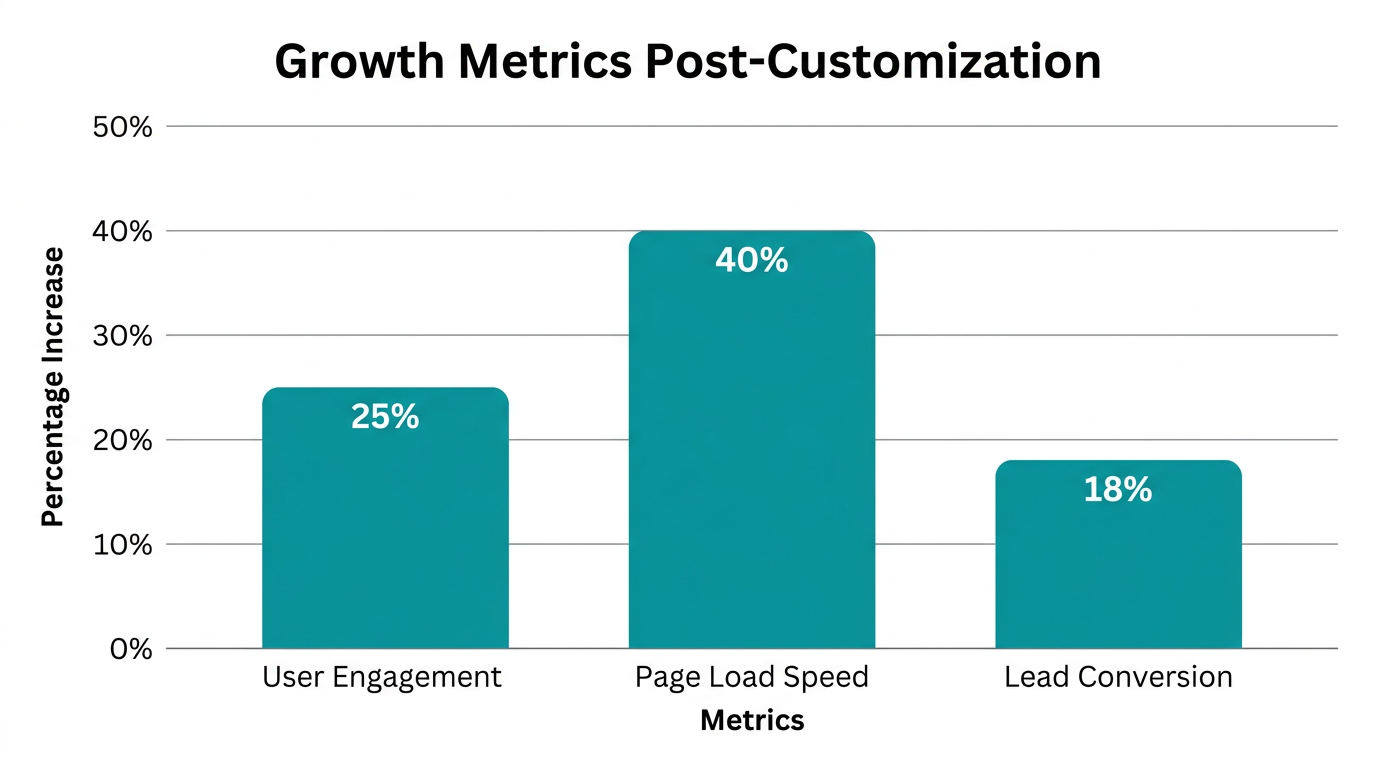
When brands use platforms like Stormy AI to vet and discover creators, they look for signals of authority. A custom-coded site with advanced functionality is a massive green flag. Here are three features you can add using Codex that are nearly impossible on basic no-code tools:
- Keyboard Shortcuts: Implement navigation shortcuts (e.g., pressing 'H' for Home, 'C' for Contact). This makes your site feel like a premium application rather than a static page.
- Dynamic Social Aggregators: Ask Codex to build a custom social feed that pulls your latest TikToks or YouTube videos directly into your UI without using clunky, slow third-party widgets.
- Interactive Lead Magnets: Build a ROI calculator or a niche-specific tool (like a "macros calculator" for fitness creators) that keeps users on your page longer, boosting your SEO and authority.
Managing these updates is becoming increasingly accessible. The mobile-native interface of ChatGPT Codex means you can literally ship website updates while sitting in an Uber or waiting for a flight. This "shipping habit" allows you to respond to trends in real-time. If a new meme goes viral, you can add a themed section to your site in minutes just by sending a text-based task to your AI agent.
The 'Ask' vs. 'Code' Workflow: Auditing for Consistency
One of the most powerful but underutilized features of Codex is the "Ask" function. This isn't for writing code; it's for analysis and auditing. If your site feels slow or the mobile responsiveness is slightly off, you can ask the AI to perform a brand consistency audit. Using tricks like Uithub (replacing the 'g' in a GitHub URL with a 'u'), you can feed your entire codebase into a large language model like Claude or ChatGPT to find bugs.
github.com/user/repo to uithub.com/user/repo. It will generate a single text file of your entire site that you can paste into ChatGPT for a full-site audit.This allows for a continuous improvement cycle. You can ask: "Are there any accessibility issues in my navigation menu?" or "Is my font size consistent across all sections?" The AI provides the diagnostic, and then you use Codex to execute the fix. This synergy ensures that your personal brand remains polished and professional as it scales.
Leveraging Your Site for Brand Deals
A high-performing website is just one piece of the puzzle. Once you have a custom-coded presence that converts, you need to manage the influx of brand interest. Many creators use their bespoke sites to host media kits that update in real-time. By integrating your site's data with tools like Stormy AI, you can show potential sponsors exactly who your audience is and what your engagement rates look like across platforms.
While legacy tools like Captiv8 or Tagger were once the only way for brands to find creators, modern AI-powered platforms are now the industry standard. Having a site that looks and feels like it was built by a specialized engineering team gives you a massive advantage during the outreach and negotiation phase of a campaign. It proves you are invested in your business infrastructure, which justifies higher rates and longer-term partnerships.
Conclusion: The Future of Personal Branding
The creator economy technology stack is moving toward total autonomy. We are entering an era where your ability to articulate a vision is more important than your ability to write code. By using ChatGPT Codex to manage your GitHub repository, you aren't just building a website; you're building a scalable digital asset.
Don't wait until you're "technical enough" to start. Begin with a simple personal site, iterate on one small feature this weekend, and get comfortable with the vocabulary of modern development. Whether you're adding a dark mode switcher or a custom storefront, the goal is the same: own your platform. In a world of algorithms and templates, the most unique thing you have is your brand—don't let a rigid builder limit how you show it to the world.