In a recent episode of her world-renowned podcast, Mel Robbins shared a story that sounds more like a scene from a romantic comedy than a masterclass in brand differentiation strategy. She recounted how her friend, Sam Parr, systematically made himself a more "desirable" partner by developing a niche obsession: Japanese denim. Instead of leaning into generic "entrepreneur" tropes, he leaned into the specific, the weird, and the passionate. The result? He didn't just find a partner; he built a memorable personal brand that people actually wanted to engage with.
The Mel Robbins Endorsement: Why Personal Stories Drive Brand Authority
The core of the influencer marketing trends we see today isn't about perfectly polished aesthetics; it’s about authority building through authenticity. Mel Robbins pointed out that Sam’s denim obsession worked because it made him a "catch." In the professional world, this translates to being a high-value node in a network. When you are the "denim guy" or the "founder who obsesses over 1930s self-help books," you stop being a commodity and start being a destination.
Building personal branding for founders requires a shift from broadcasting achievements to sharing obsessions. As discussed in the research, even the legendary Think and Grow Rich by Napoleon Hill relied on a (largely fabricated) narrative of high-level access to Andrew Carnegie to build its initial authority. While Hill’s backstory was a marketing play, the lesson remains: a compelling, unique narrative is the "front door" to a massive brand empire.
"You don't find purpose, you create it. Personal branding isn't about discovery; it's about the intentional construction of desirability."
Differentiation Through Obsession: Attracting High-Value Networks
Why does Japanese denim matter for a tech founder or an influencer? Because specificity is a magnet. When you are deeply into a niche, you attract others who value depth. This is how you build a network of "real deal" individuals like Jesse Itzler or Christina Cacioppo—people who have moved past the "money monster" and are looking for genuine connection and expertise.
The creator economy growth we are witnessing favors the "generative" individual. Look at Pete, the founder of OpenClaw. Before his massive success and acquisition by OpenAI, he built dozens of small, open-source projects. He wasn't just a "coder"; he was the guy building "Jarvis from the movies." This specific obsession made him the most popular AI project in the world, leading to a flood of acquisition offers in his DMs.
| Brand Type | Core Focus | Primary Result |
|---|---|---|
| The Commodity | Generalist expertise, "Founder" title | High competition, low recall |
| The 'Denim' Brand | Niche obsession, specific hobbies | High desirability, instant recall |
| The Authority | Quantity of output + unique angle | Inbound opportunities, industry leadership |
The 3-Second Rule: Overcoming Networking Hesitation
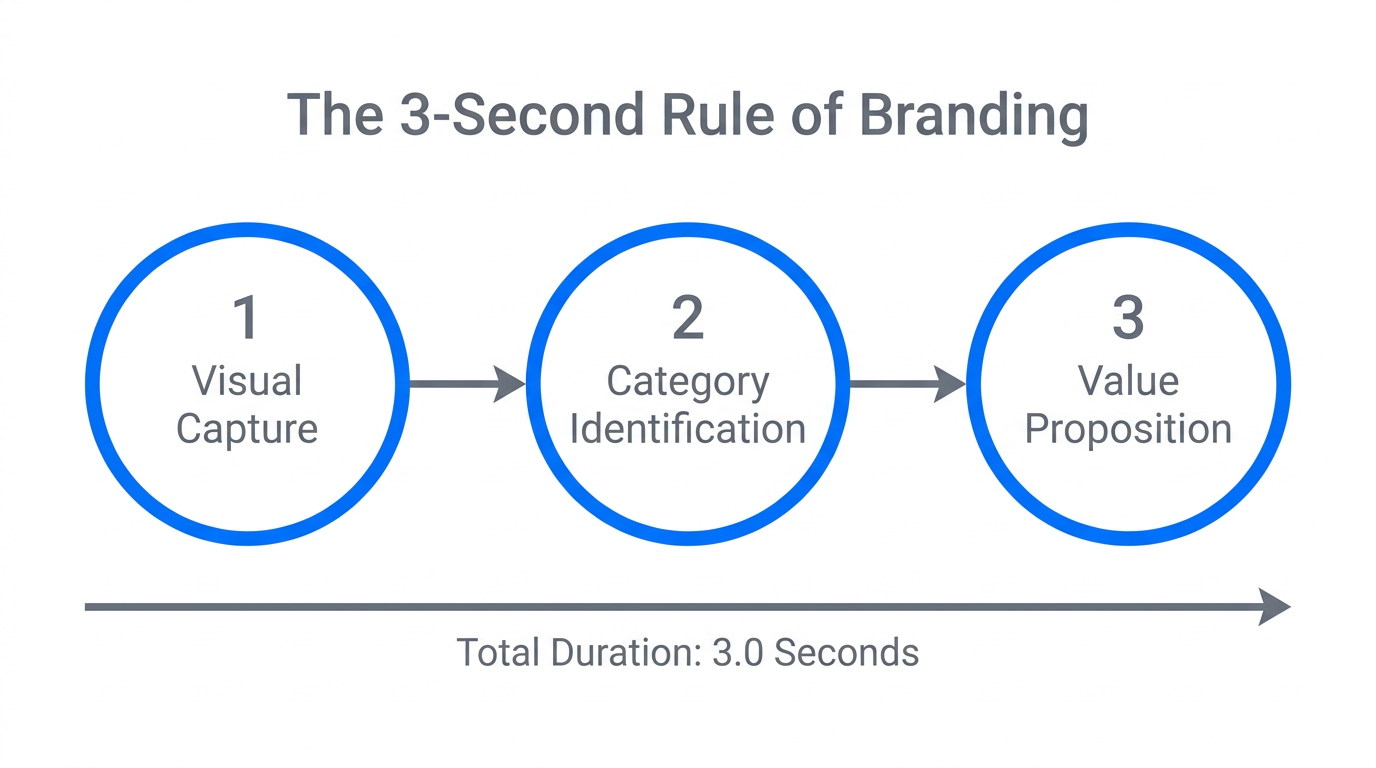
In both dating and influencer marketing, the biggest hurdle isn't the pitch; it's the initiation. Sam Parr advocates for the "3-Second Rule": when you see an opportunity—whether it's a potential collaborator at a conference or a creator you want to partner with—you must act within three seconds. This is a variation of Mel Robbins’ 5-Second Rule, which uses a physical countdown to override the brain's tendency to overthink and procrastinate.
For founders, this means reaching out to that high-tier creator immediately. Tools like Stormy AI can streamline this by helping you source and manage UGC creators at scale, but the initial "jump"—the decision to reach out—is a mental muscle you must train. Whether you are using Lemlist for cold outreach or sending a DM on TikTok, the 3-second window is your best friend.
"The function of the overwhelming majority of work is simply to teach you how to make the small fraction of your art that soars."
Quantity vs. Quality: The Pottery Experiment
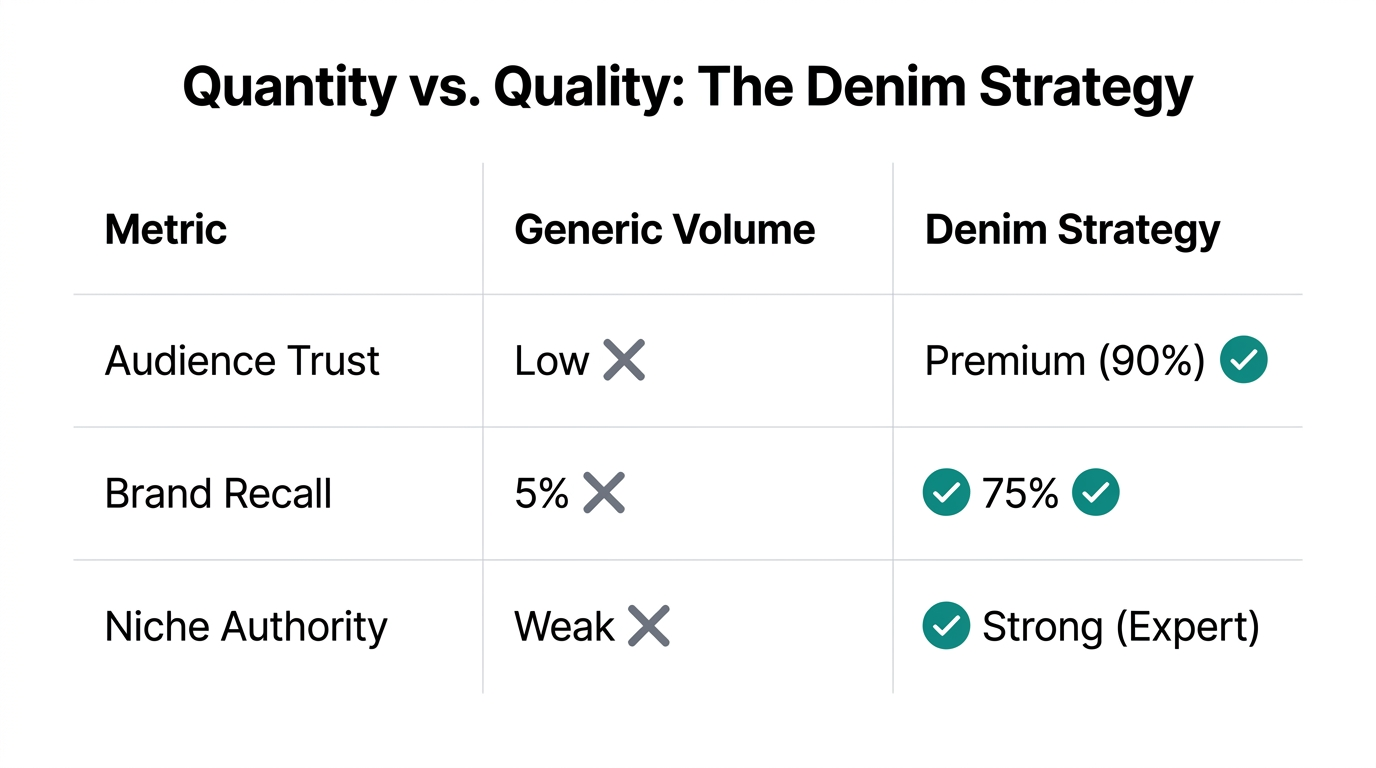
A famous story from the book Art & Fear describes a pottery teacher who divided his class into two groups: one graded on quality (the one perfect pot) and one graded on quantity (the total weight of pots made). At the end of the semester, the highest-quality pots all came from the quantity group. By making more "pots," they iterated faster and learned more than the group paralyzed by perfection.
This principle applies directly to building a personal brand. You don't have a quality problem; you have a quantity problem. Pieter Levels, one of the most famous indie hackers, notes that only 4 out of his 70+ projects ever made money. His hit rate is 5%. If you want to find your "OpenClaw" or your Nomad List, you have to be willing to ship 60+ failures first. This is the path to authority building.
Manifestation vs. Action: Moving Beyond Life Coach Concepts
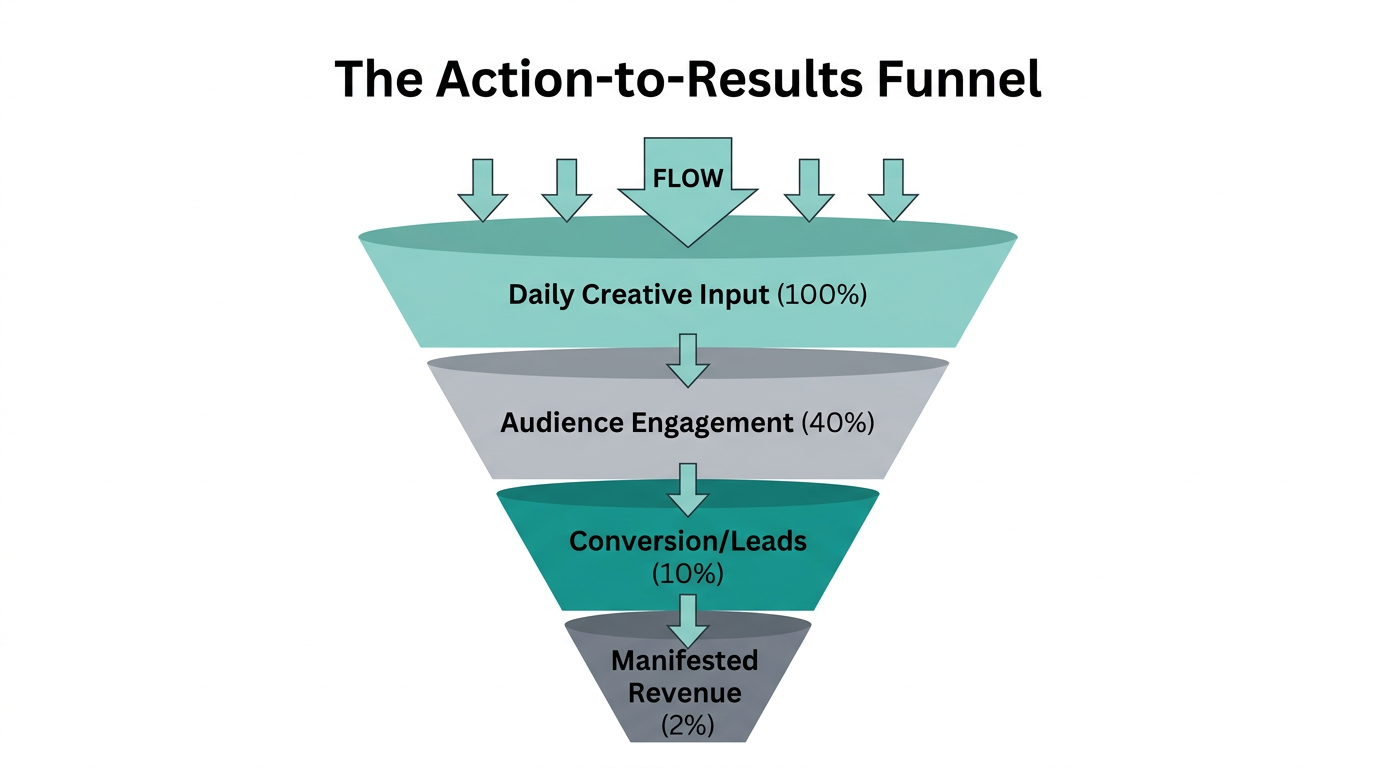
The self-help industry is filled with "manifestation cowboys" who preach without doing. However, the most successful figures—even those with questionable backstories like Napoleon Hill—all agree on one thing: Persistence and Grit. Hill’s concepts of masterminds and specific goal-setting have been backed by modern research like Angela Duckworth's Grit, proving that consistency outweighs IQ in the long run.
For a founder, "manifesting" a brand means nothing without the generative output. Use tools like Canva for your visuals and Notion to track your ideas, but ensure you are actually shipping. When you are ready to scale your influencer efforts, using an AI-powered discovery engine like Stormy AI allows you to maintain that high quantity of outreach without sacrificing the "personal touch" that your differentiated brand requires.
Playbook: Auditing Your Brand for Desirability
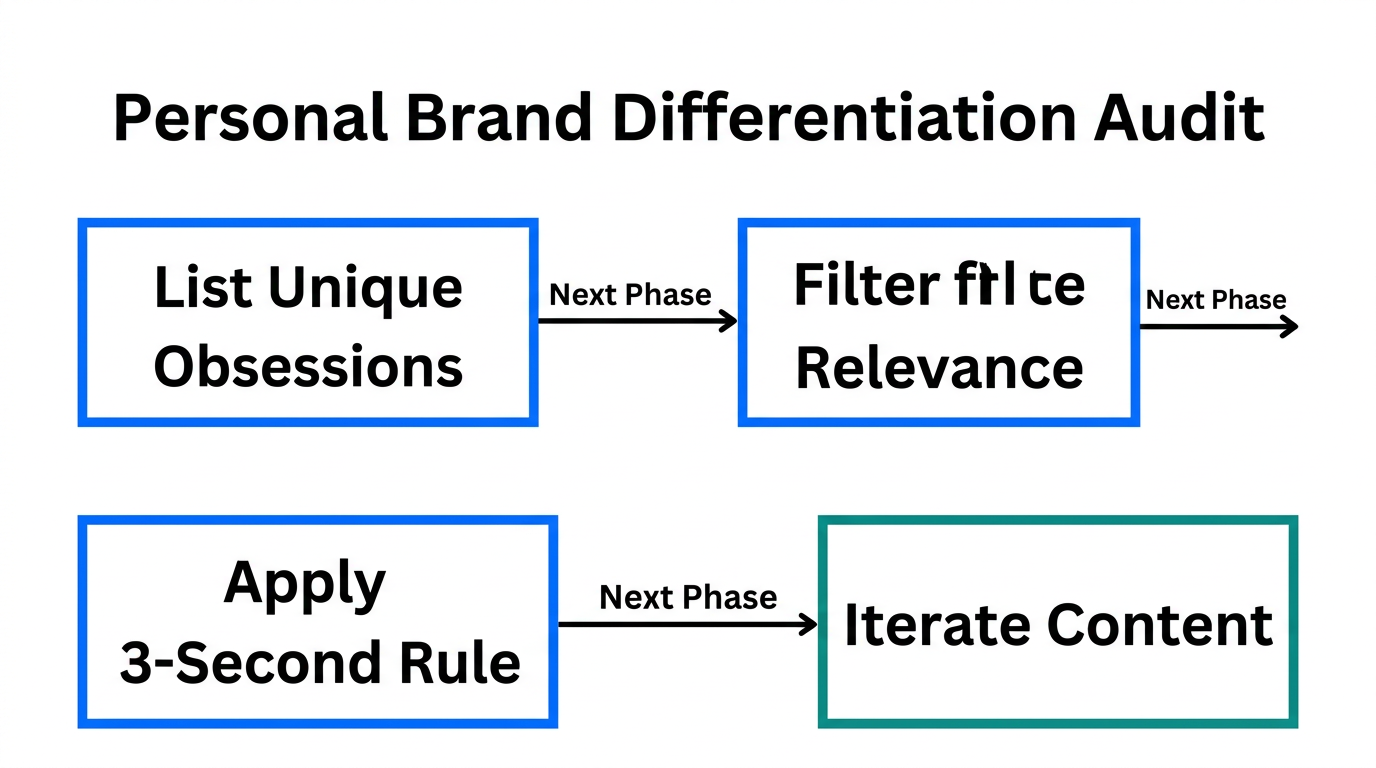
If you want to attract high-value partners and customers, you must audit your brand through the lens of "The Denim Strategy." Follow these steps:
Step 1: Identify Your 'Denim'
What is the one thing you are obsessed with that has nothing to do with your core business? Is it 1930s literature? High-performance skateboarding? Bio-hacking? This niche obsession is your brand differentiator.
Step 2: Increase Your Prolificacy
Stop worrying about the "perfect" post. Follow the lead of Christina Cacioppo at Vanta: build dozens of small projects, write dozens of "pots," and let the market tell you which one is the winner.
Step 3: Implement the 3-Second Rule
The next time you see a creator on Instagram or YouTube that fits your brand ethos, reach out immediately. Don't wait for a perfectly crafted strategy.
Step 4: Audit Your Network
Are you surrounding yourself with "real deals" or "manifestation cowboys"? Look for people who live what they preach, like Gary Vaynerchuk or Jesse Itzler. Your network is a reflection of your brand's desirability.
Conclusion: Building a Brand That Soars
The "Denim Strategy" isn't just a quirky dating tip; it’s a fundamental law of influencer marketing trends. In a world of AI-generated noise, humans crave the specific and the obsessive. By embracing your unique hobbies and committing to a high quantity of iterations, you build a personal brand that isn't just a business—it’s an heirloom. Whether you're tracking your campaign performance in Google Analytics or sourcing your next big creator partner through specialized discovery platforms, remember that the most memorable brands are always the ones that dare to be a little weird.