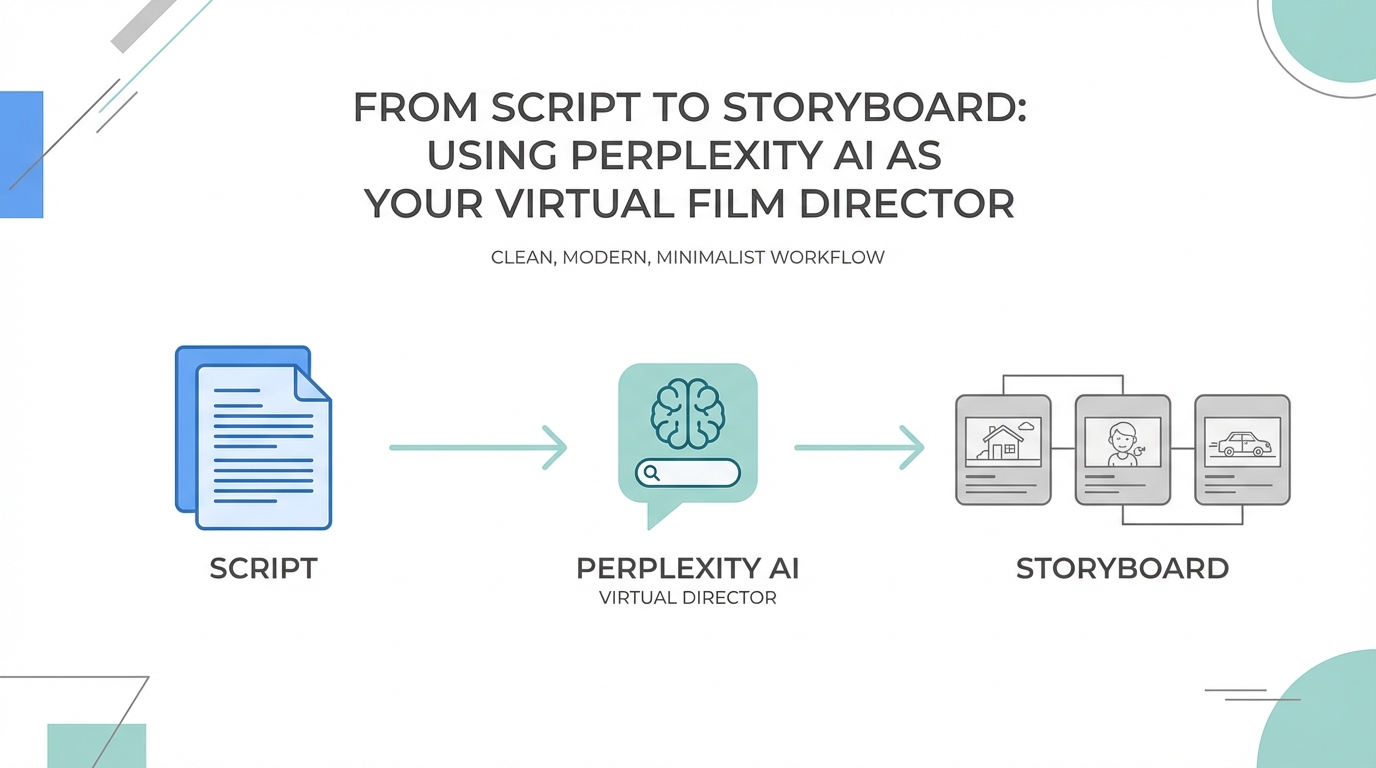
In the traditional marketing world, producing a high-quality eight-minute mini-film or a high-converting video ad used to require a six-figure budget and a full-service creative agency. Between hiring scriptwriters, storyboard artists, and technical directors, the pre-production phase alone could take weeks. However, the rise of AI marketing video production is fundamentally shifting this landscape. By leveraging tools like Perplexity AI, specifically through its Labs feature, creators can now move from a raw concept to a fully realized technical storyboard in under five minutes.
The 'Mini-Film' Prompt: Scripting with Data-Driven Precision
The core of any successful video is a narrative that resonates with a specific demographic. Using AI video script writing, you can generate screenplays that aren't just creative, but are backed by real-world statistics. For instance, if you are building a campaign for a startup like IdeaBrowser, you can prompt the AI to develop a character profile based on labor trends.
A high-performing prompt might look like this: "Develop an eight-minute mini-film ad for a startup where people find dream startup ideas. Create a story about a 24-year-old worker who finds an idea and changes their life. Include six storyboards and a full screenplay."
When you use Perplexity AI for creators, the output goes beyond generic dialogue. It can identify that one in eight Americans have worked at McDonald's, with 70% of those employees learning transferable skills. By grounding your protagonist, like a fictional 24-year-old named Maya Chen, in these real-world demographics, the script immediately gains authenticity. The AI can detail the scene down to the atmosphere: a suburban fast-food joint, the sound of the drive-thru, and the emotional weight of a banking app showing a $247 balance. This level of detail used to take a team of researchers and writers days to refine.
Automated Video Storyboarding: Visualizing the Narrative
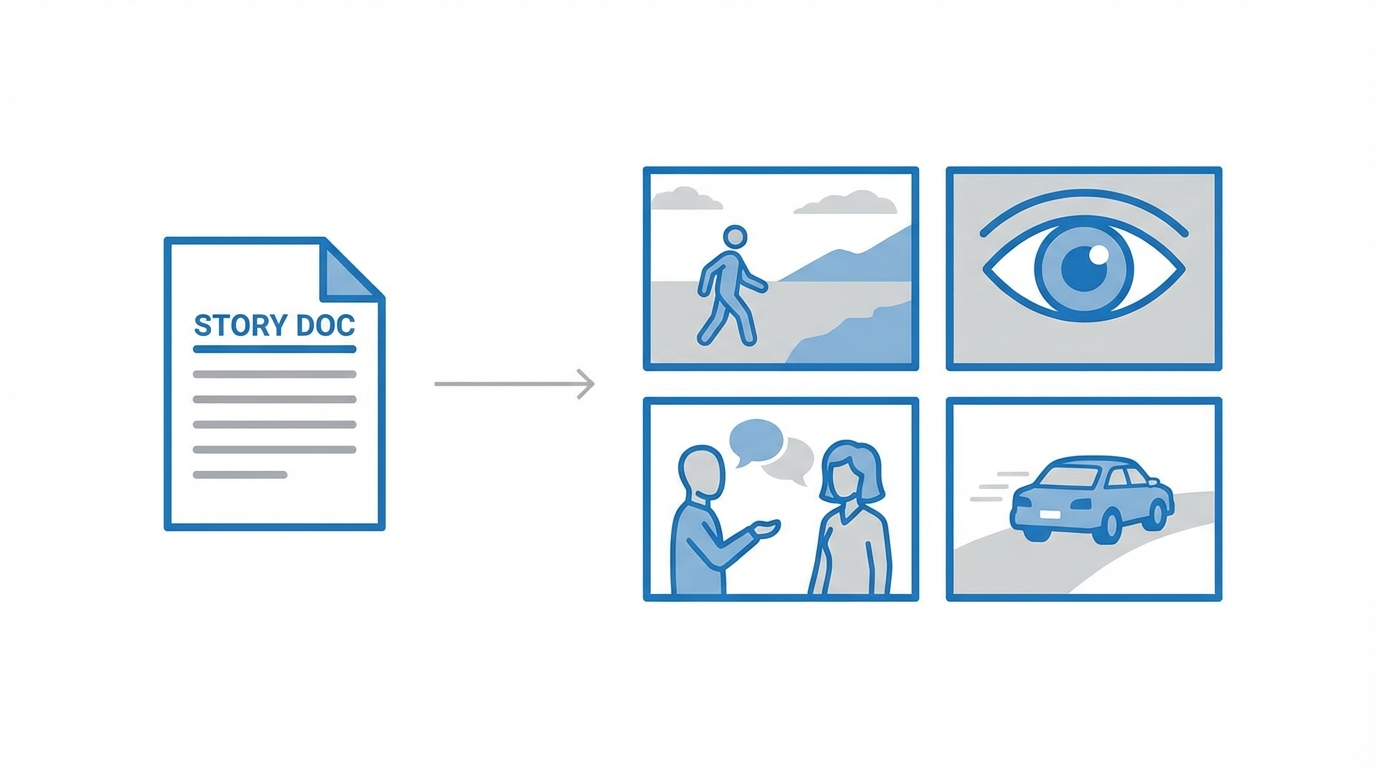
One of the most powerful features of modern AI agents is the ability to generate visual cues alongside text. An AI storyboard generator allows you to see the pacing and framing of your video before a single camera is turned on. Perplexity Labs generates visual sketches that serve as a blueprint for the entire production. These sketches aren't just for internal use; they are excellent assets for YouTube thumbnails and high-click-through social media content.

The visual storyboard analysis provided by the AI often includes specific cues such as:
- Camera Angles: High-angle shots to depict vulnerability or low-angle shots for empowerment.
- Lighting: Soft, sad lighting for emotional hooks or high-contrast lighting for dramatic reveals.
- Visual Metaphors: Using shallow depth of field to focus on a character's internal struggle.
By translating these sketches into your content strategy, you can maintain visual consistency across all platforms, from TikTok to Instagram.
Technical AI Output: Feeding the Video Engines
Once you have the screenplay and the storyboard, the next step in AI marketing video production is the actual generation or filming. The technical output from Perplexity—including notes on depth of field, frame composition, and lighting schemes—is designed to be fed into generative video tools. For creators using platforms like Kling or Luma Dream Machine, these technical prompts act as the "director's notes" that ensure the AI generates exactly what you envisioned.
For independent filmmakers, this workflow eliminates the need for a full creative agency. You can act as the lead director, using the AI to handle the heavy lifting of pre-production asset management. Instead of manually coordinating between a writer and a technical lead, you have a unified dashboard that tracks every scene, dialogue line, and visual requirement.
Creating Demographic-Specific Ad Scripts with Real-Time Data
Traditional advertising often relies on static personas. However, automated video storyboarding combined with real-time search data allows for hyper-relevant scripts. By analyzing what people are "screaming for" in terms of products or solutions, the AI can tailor scripts to address specific industry pain points. This is particularly useful for agencies running Meta Ads or Apple Search Ads campaigns where conversion is tied to how well the content reflects the user's reality.
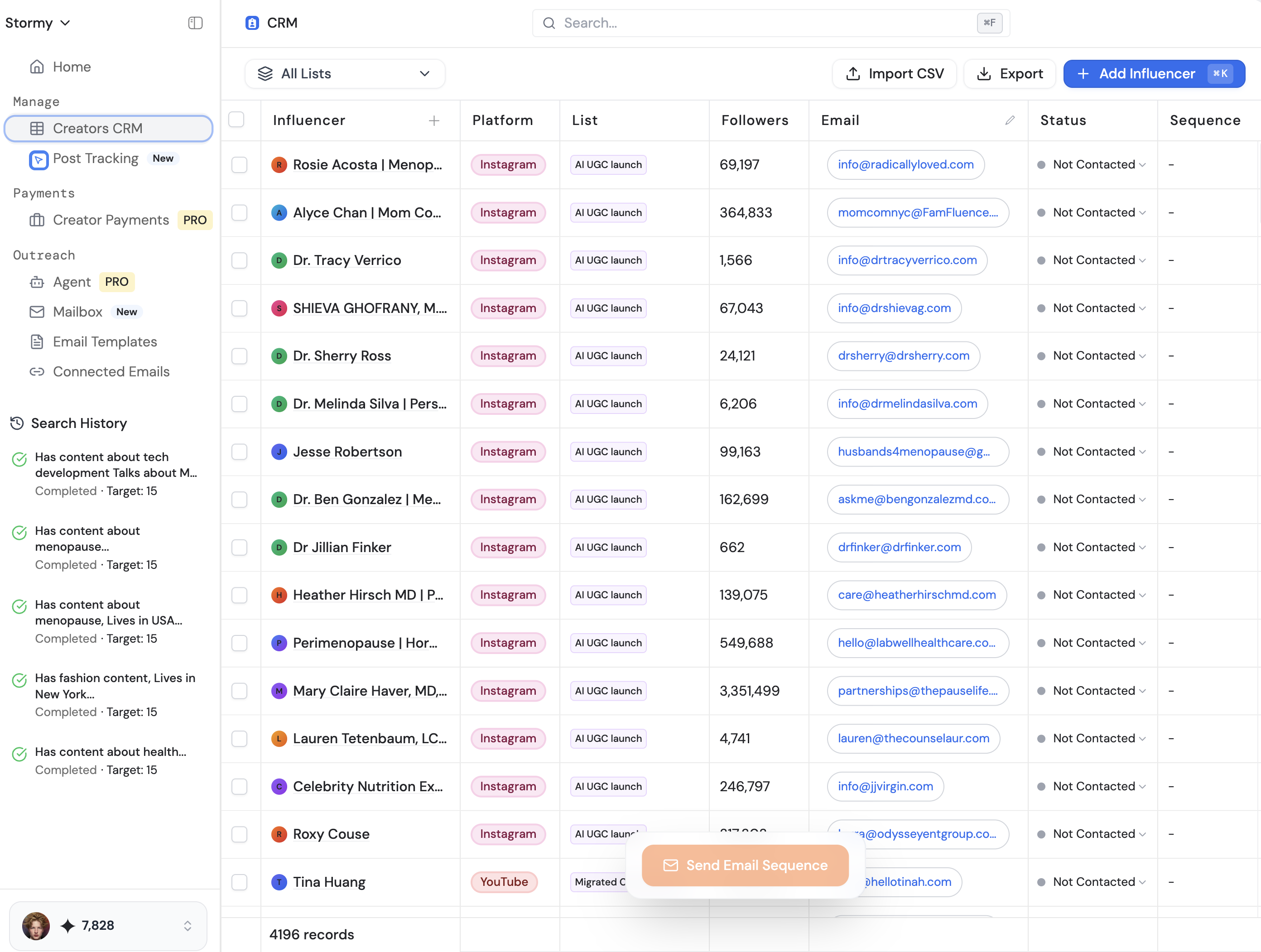
To bring these AI-generated scripts to life with authentic human faces, marketers often turn to user-generated content (UGC). Platforms like Stormy AI streamline creator sourcing and outreach, helping you find UGC creators who fit the exact character profiles generated by your AI director. Once Perplexity defines a persona—like a tech-savvy freelancer or a frustrated retail worker—you can use Stormy’s AI-powered discovery to find influencers who match that demographic and automate the outreach to get them on board for your project.
A Playbook for the Modern Video Creator
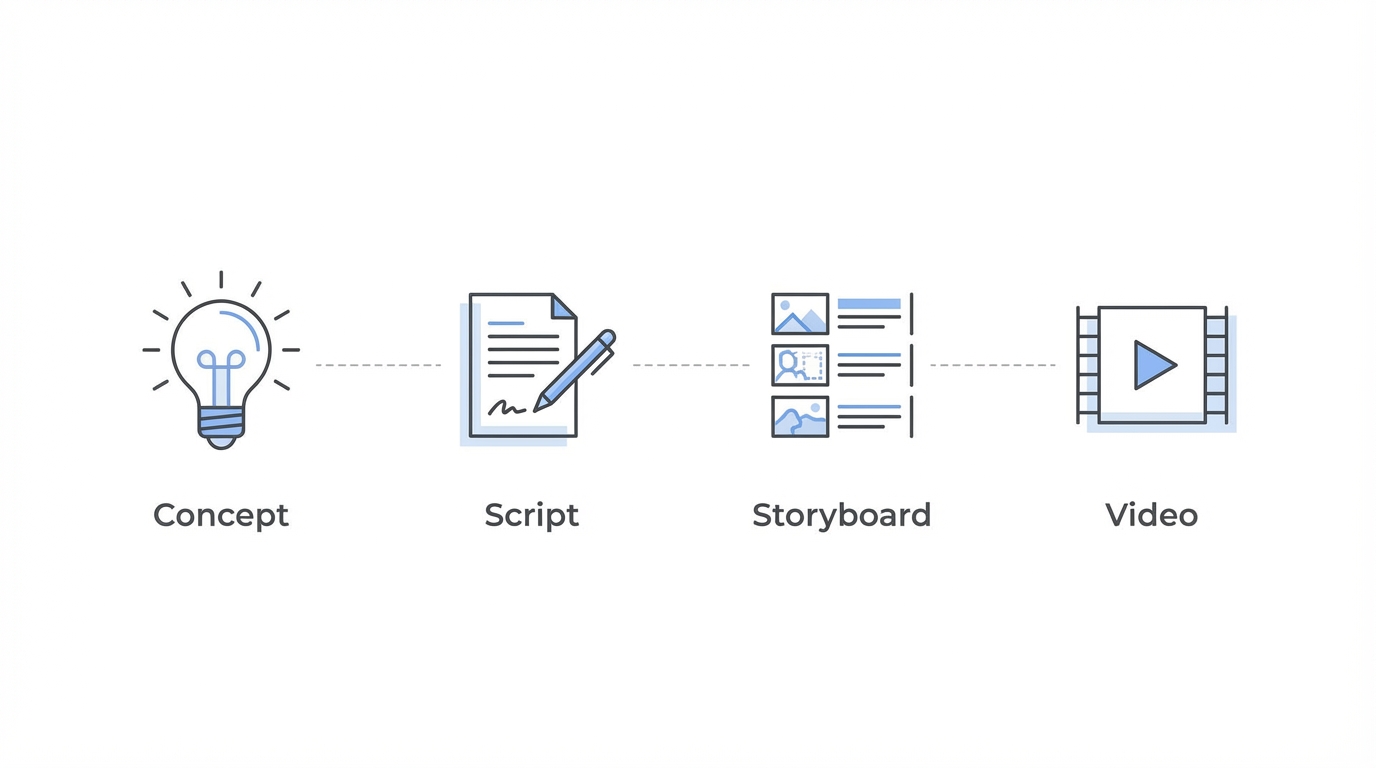
If you want to implement this 90% cost-reduction strategy, follow this clear, step-by-step playbook to go from script to storyboard efficiently.
Step 1: The Research Phase
Start by using a deep research tool to identify current trends in your niche. Use Perplexity to find out what problems your target audience is facing right now. Don't guess; use the data.
Step 2: Generate the Storyboard and Script
Use the 'Mini-Film' prompt to generate a full screenplay. Ensure you ask for technical visual cues. This ensures the output includes the specific camera angles and lighting notes needed for professional-grade production. This is the heart of using an AI storyboard generator effectively.
Step 3: Asset Refinement
Review the generated storyboards. Use these sketches to create your creative direction board. If you are working with real actors or UGC creators, these sketches serve as the perfect visual reference to ensure they hit the right marks. Managing these relationships is simplified when you use a creator CRM like Stormy AI to keep track of your script versions and creator contracts.
Step 4: Execute with AI Video Tools
Take the technical descriptions from your script and input them into video generation software. If you are filming traditionally, use the AI’s demographic analysis to guide your casting and location scouting. This ensures every frame serves the narrative and the marketing goal.
Conclusion: The Future of Creative Direction
The transition from manual storyboarding to AI-driven pre-production is not just about saving money; it's about increasing the velocity of experimentation. When the cost of a storyboard and script drops from thousands of dollars to the price of a monthly subscription, brands can afford to test dozens of narratives to see what truly sticks. By integrating Perplexity AI for creators with management tools like Stormy AI, you can build a streamlined production house that rivals major agencies in output and quality. Start by refining your prompts today and watch your creative workflow transform from a bottleneck into a competitive advantage.