In 2026, the landscape of digital distribution has reached a fever pitch. Founders are no longer just competing with other startups; they are competing with an infinite stream of AI-generated content, hyper-personalized ads, and a consumer base that has become increasingly adept at ignoring cold outreach. In this environment, overcoming sales rejection is no longer just a soft skill—it is the fundamental requirement for survival. The psychological toll of hearing "no" fifty times a day can crush even the most promising venture before it achieves exit velocity.
Many entrepreneurs believe they need "thicker skin." They think that with enough grit, they can simply absorb the impact of rejection until they go numb. But 2026 has shown us a better way. Instead of building armor, successful founders are building a cognitive wall. They are utilizing a psychological framework known as Cognitive Dissociation to separate their personal identity from their business outcomes. By adopting an "Agent Persona," you can pursue high volume cold calling tactics and aggressive outreach without ever feeling the sting of a personal slight.
The Science of Cognitive Dissociation: Separating the Self from the Sale
 9:05
9:05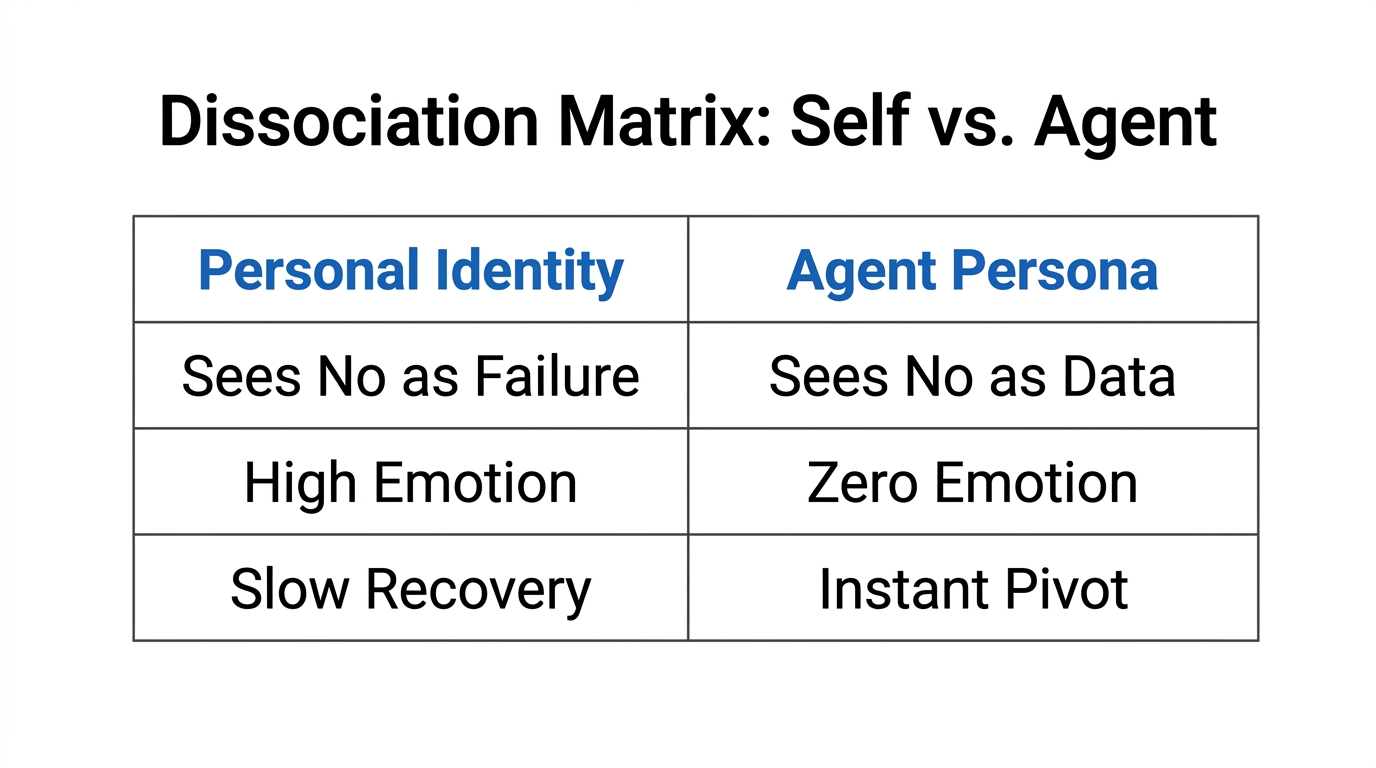
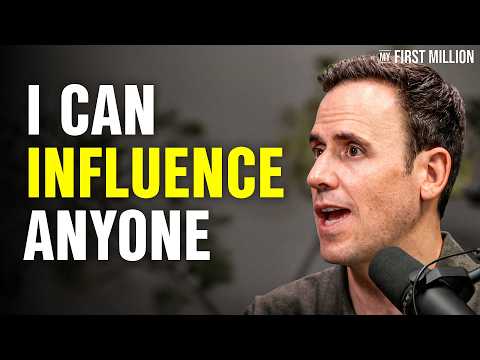
At the core of sales anxiety is the "Identity Trap." When a founder pitches a product they built from scratch, they aren't just selling software or a service—they are selling a piece of themselves. Consequently, when a prospect says "get out of here," the founder feels a personal bruising. This is exactly what world-renowned mentalist Oz Pearlman discovered when he started his career as a 14-year-old performing magic in restaurants. He realized that to survive the "get out of here, kid" responses from diners, he had to become a different person.
"I created this separation in my mind where I no longer took it personally when I was rejected. I said that's not me. That's Oz the magician. It was this cognitive dissociation where I was able to take the negativity and put it on someone else."
By 2026, this founder growth mindset has evolved into a strategic advantage. When you dissociate, you aren't being "fake"; you are performing a role. Just as a TikTok Ads Manager account exists to serve a specific marketing function, your "Sales Persona" exists to serve a specific distribution function. Your personal worth remains untouched by the metrics of your HubSpot CRM.
The 'Agent Persona' Framework: Acting as Your Own Representative
8:35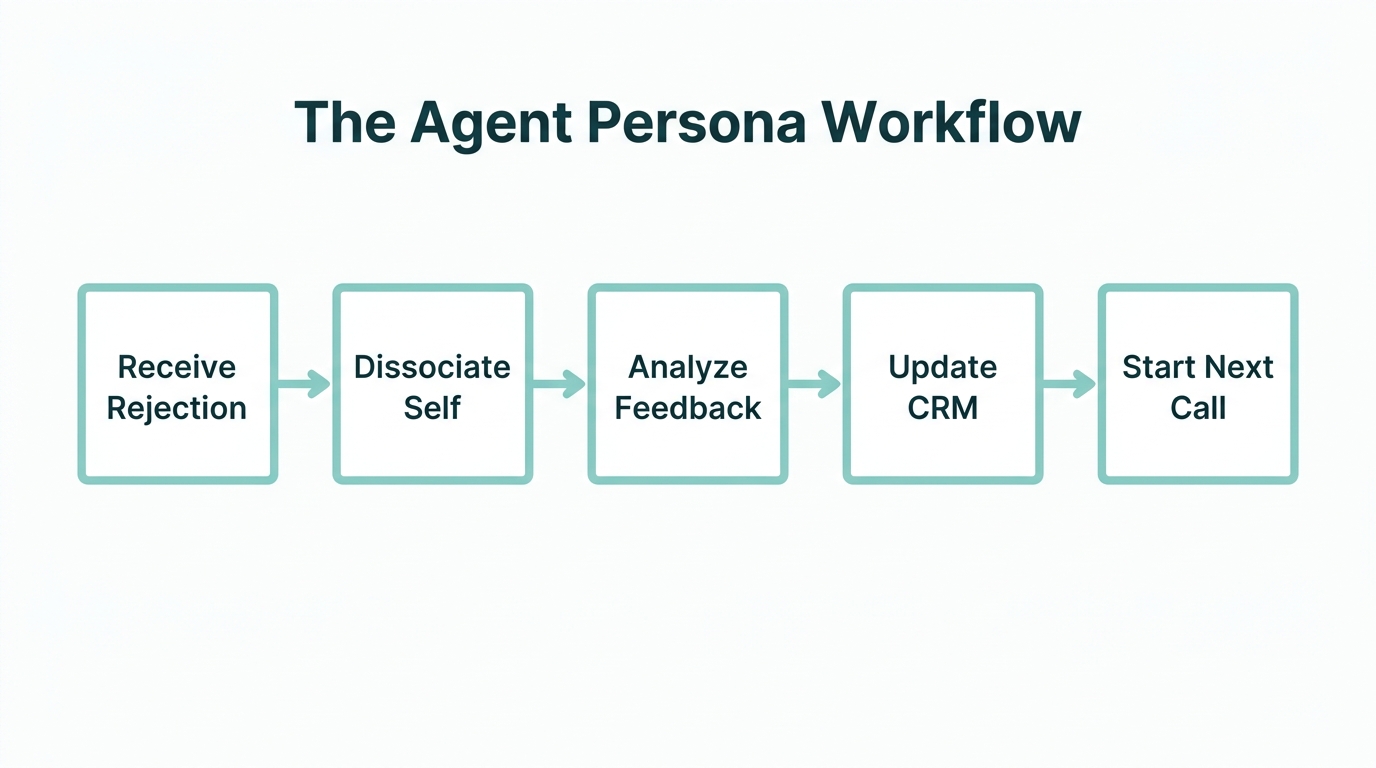
If you were a Hollywood movie star, you wouldn't be the one on the phone negotiating your salary or handling a director's "no." You would have an agent for that. The agent is a buffer. In the world of 2026 sales, founders must learn to be their own buffer. When you enter sales outreach strategy 2026 mode, you are no longer the CEO; you are the Representative of the Product. Large agencies like WME operate this way to protect their talent's ego and focus.
The Agent Persona allows you to do the "icky stuff" you might otherwise avoid. It’s much easier to ask for a million-dollar check or follow up for the tenth time when you feel like you are doing it on behalf of someone else. This is a "cheat code" for life that allows you to engage with people and create deeper bonds without the weight of ego slowing you down.
Developing Your Agent's Script
To implement this, start by defining the boundaries of your persona. Use specific, benefits-oriented language. When a prospect rejects the offer, your internal dialogue should be: "My client (the company) just received feedback that this prospect isn't a fit right now. Moving to the next lead." This shifts the focus from failure to data collection.
| Feature | The Founder Mindset (High Stress) | The Agent Persona (High Performance) |
|---|---|---|
| Response to 'No' | Personal failure/embarrassment | Negative data point for the outreach model |
| Follow-up Strategy | Fear of being annoying | Relentless execution of the schedule |
| Pitch Tone | Desperate/Needy | Professional, detached, and authoritative |
| Volume | Limited by emotional capacity | Infinite, fueled by process over feelings |
Why 90% of Founders Fail: Overcoming the Fear of Failure
23:00In 2026, the barrier to entry for starting a business is lower than ever, but the barrier to scaling a business remains high. Why? Because most people are terrified of looking stupid. This fear of failure stops 90% of founders from pursuing the high volume cold calling tactics necessary to break through the noise. They keep "one foot out of the pool" to protect themselves in case things go wrong.
Mentalists and high-performers understand that "wow" moments—those rare instances of massive success—only happen after a series of calculated risks. Whether you are using Canva to design a high-stakes pitch deck or reaching out to creators to drive influencer discovery on Stormy AI, you must accept that the "bombing" is part of the process. You only know what is right if you have seen what is wrong.
"Failure is not binary. You only know if something's right if you know what was wrong. The ability to focus on goals and not care about hurdles is what sets the elite apart."
The 'Not Yet' Philosophy: Systematic Follow-up Cycles
In the 2026 sales environment, a "No" is rarely a final rejection. More often, it is a "Not Yet." The timing might be wrong, the budget might be frozen, or the prospect might simply be having a bad Tuesday. Founders with a founder growth mindset treat every rejection as a placeholder in a long-term sequence.
This is where systems like Lemlist or automated AI agents come into play. Modern platforms allow you to set up autonomous sequences that handle discovery, outreach, and follow-ups on a daily schedule while you sleep. By automating the "Agent Persona," you remove the emotional friction entirely. The machine doesn't care if it gets rejected; it just moves to the next task in the CRM.
The 'Machine' Mindset: Maintaining High-Energy Performance
21:30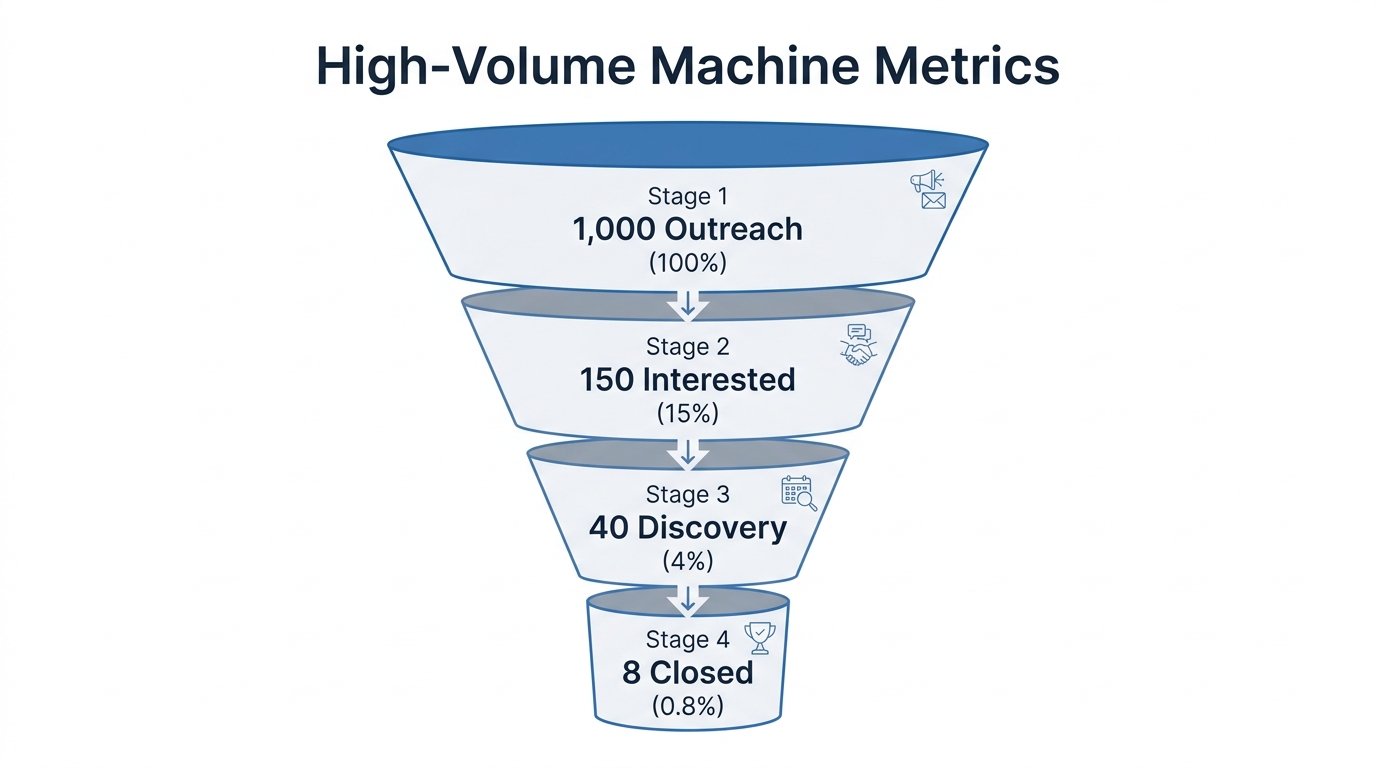
How do you maintain the energy required for 153-mile races or 1,000-call sales weeks? You become The Machine. This is an alter-ego technique used by elite endurance athletes to dissociate from physical pain. When the body is screaming to stop, the athlete thinks: "I am a racing horse. The machine is not nervous; it is just here to perform."
In your sales outreach strategy 2026, you can apply this by chunking your goals. Don't worry about the "Z" (the $20 million exit). Only worry about the "B" (the next five calls). This "ABZ" framework—focusing only on the immediate next step—prevents the cognitive overload that leads to burnout.
Leveraging 2026 Tools for Scalable Outreach
The final step in overcoming sales rejection is to reduce the number of manual "No's" you have to hear by improving your targeting. In 2026, spray-and-pray is dead. High-precision targeting through LinkedIn Sales Navigator or niche creator platforms is the only way to maintain a high conversion rate.
For founders in the UGC and mobile app space, managing these relationships can be a nightmare. This is where Stormy AI excels. Instead of manually vetting every influencer and fearing their rejection, Stormy’s AI handles the discovery and personalized outreach at scale. It allows you to maintain the "Agent Persona" by providing a layer of automated professionalism that makes your brand appear larger and more established than it may be.
"I'd rather get one person to sign a check for $1 million than a million people to spend one dollar. B2B and enterprise-level focus is the path to exit velocity in 2026."
Conclusion: The Mastery of the Mind
Mastering entrepreneur mental toughness is not about deleting your emotions; it is about managing them. By adopting the Agent Persona and the Machine Mindset, you can navigate the brutal world of 2026 sales with the calm composure of a world-class mentalist. Rejection is merely feedback, and "No" is just a signal to pivot your strategy.
As you build your distribution engine, remember that the tools you use are just as important as the mindset you cultivate. Whether you are tracking performance in Google Analytics or scaling your creator partnerships, the goal is always the same: Reverse-engineer your success until the solution becomes a mathematical certainty. Stop taking it personally, start acting like an agent, and let the machine do the work.