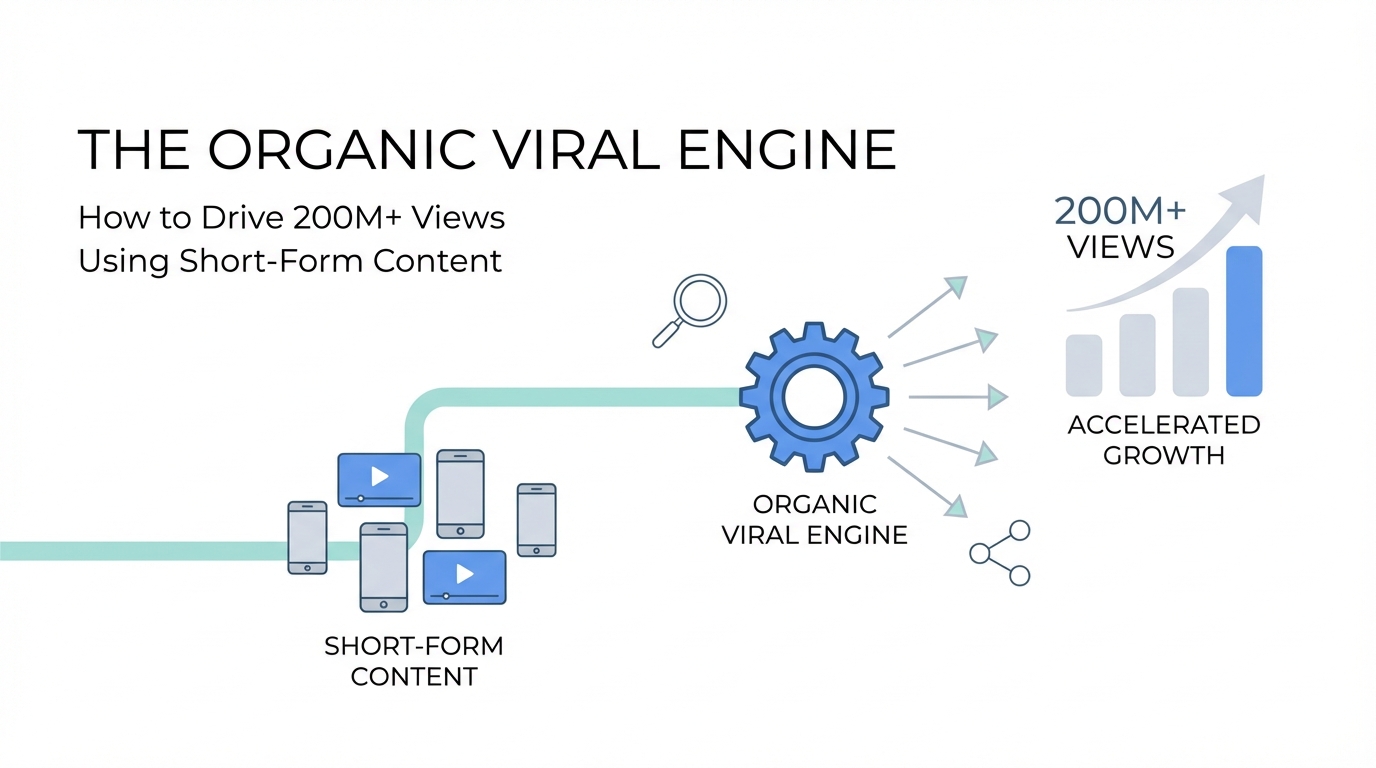
In the modern digital landscape, the distance between a technical prototype and a $300,000 revenue stream has never been shorter, yet the path is littered with the remains of failed ad campaigns. Many founders believe that a great product plus a hefty budget for Facebook Ads is the only way to scale. However, as serial entrepreneur Jure discovered after leaving Microsoft, the real growth engine isn't found in a bidding war—it's built through organic short-form video marketing strategy. By leveraging the unique algorithmic reach of TikTok, Instagram Reels, and YouTube Shorts, Jure was able to generate over 200 million views and 6,000 orders for his automotive startup, Rummer, without spending a single dime on traditional advertising.
The Paid Ad Trap: Why Organic Reach Wins
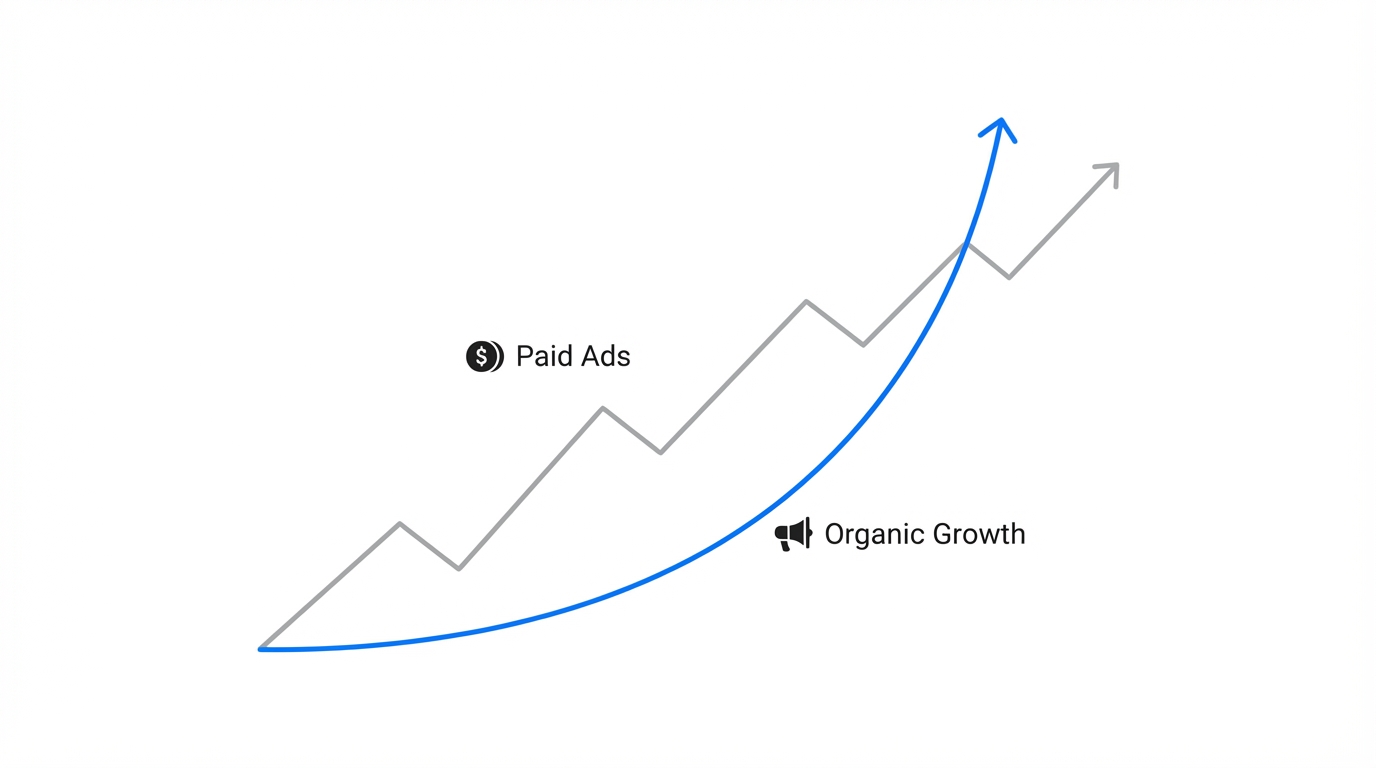

For early-stage startups and solo builders, the temptation to use paid media for validation is high. It feels predictable. But for many, including Jure, the reality is a quick drain on resources. According to research from Starter Story, Jure initially spent heavily on Facebook and Google Ads, only to find they "never really worked" for his niche products. The core issue is that paid platforms are increasingly saturated and expensive, making it nearly impossible for a new brand to achieve profitability without massive scale.
In contrast, organic social media growth offers a level playing field. If you have a smartphone and a compelling hook, you can reach millions of people overnight. This organic reach acts as a high-fidelity validation tool: if a video doesn't get views, it's often a sign that the product-market fit or the messaging is off, not that your budget is too small. For brands looking to identify the right creators to jumpstart this engine, Stormy's AI search tool allows you to find influencers who already have the attention of your target audience across TikTok, YouTube, Instagram, LinkedIn, and even niche newsletters.
Compulsive Buys vs. High-Consideration Products
A critical component of any viral content marketing playbook is understanding the psychology of the platform. Not every product is suited for the viral engine of TikTok. Jure notes that successful products on short-form platforms generally fall into the "compulsive buy" category. These are items that are visually interesting, humorous, or solve a relatable problem instantly—like Rummer, a car diagnostic device that creates fake engine sounds. If a product requires weeks of research, multiple demos, and a board approval process, the 15-second scroll of TikTok won't be your primary driver.
When planning your SaaS marketing strategies, consider the friction of the purchase. For Jure's second business, Parakeet AI, he moved away from traditional subscriptions toward a credit-based model. By offering a "no subscription, one-time payment" option handled through Stripe, he removed the consideration barrier that often kills conversions from social traffic. This strategy helped the tool reach $35,000 in revenue in just 30 days by aligning the payment model with the impulsive nature of social media discovery, as documented in his Founder Case Study.
The "Batch and Mix" Content Factory Playbook
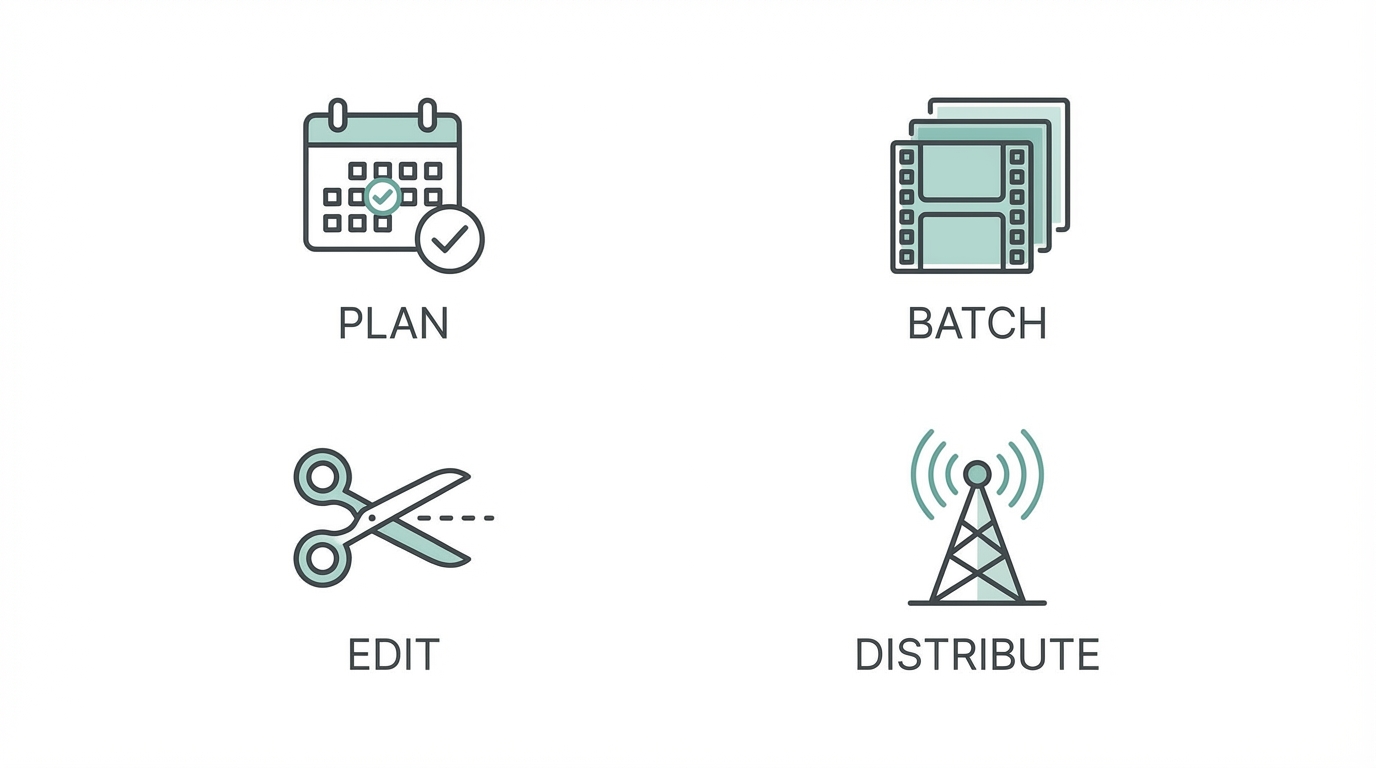
Creating content that goes viral consistently is not about waiting for a lightning strike of inspiration; it is about building a factory. Jure and his co-founder developed the "Batch and Mix" method to maximize output while minimizing creative burnout. This is a core pillar for anyone wondering how to go viral on TikTok for business.
Step 1: The Hook Library
Identify 5 to 10 high-impact hooks. These are the first 2-3 seconds of your video that stop the scroll. Examples include starting with a controversial statement, a visual transformation, or a relatable pain point. Research on successful short-form creator demographics shows that the hook is 80% of the battle.
Step 2: The Main Value Prop
Record 5 different versions of the "meat" of your content. This could be a product demonstration using tools like CapCut, a funny skit involving the product, or a technical breakdown of how it works. For a tool like Rummer, this might be showing the device in different types of cars.
Step 3: The Call to Action
Create 3 distinct endings. One might ask for a follow, another might direct viewers to the link in bio, and a third might pose a question to spark comments. By mixing and matching these three components (3 hooks x 5 main parts x 3 endings), you can generate 45 unique videos from a single afternoon of filming.
To ensure these videos are reaching the right eyes, savvy marketers use Stormy AI for influencer vetting and fake follower detection to see which creator styles and audience demographics are actually converting in their niche, rather than just chasing vanity metrics.
Case Study: How Rummer Generated 200M Views
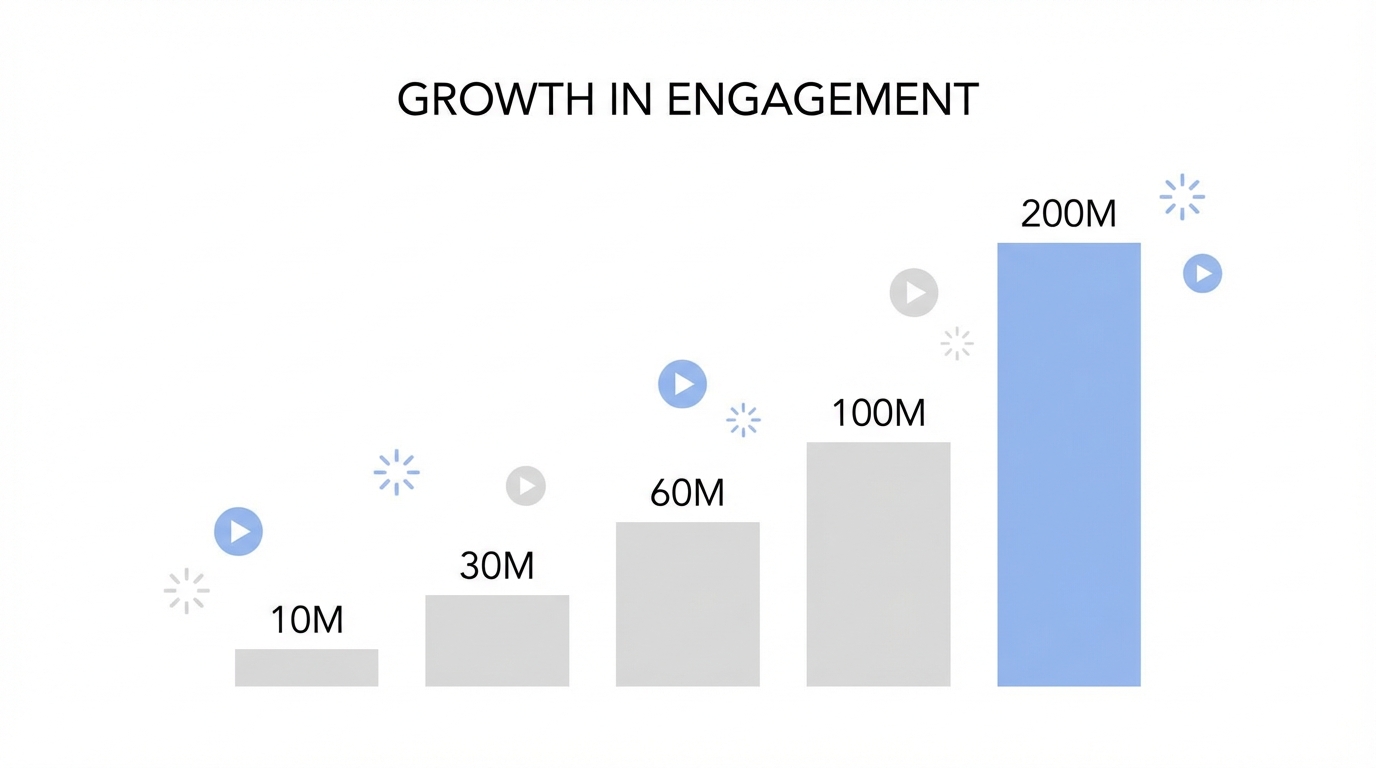
The success of Rummer is a testament to the power of the viral engine. By focusing on a product that was "funny and controversial," Jure was able to bypass the need for a marketing team. The device, which plugs into a car's OBD-2 port to read RPMs and generate engine sounds, was a natural fit for car enthusiasts on social media. Over the course of a year, the brand's short-form content generated 600,000 page visits and $300,000 in revenue.
This wasn't achieved by one single viral video, but by a consistent output of content that followed the Batch and Mix framework. When a specific concept worked, they didn't move on—they doubled down. They remade the same core concept with different hooks and different backgrounds. This iterative process is a hallmark of professional organic social media growth. While legacy platforms like Tagger or impact.com might focus on manual database management, modern founders are using AI-native tools to automate the search for these winning patterns.
Transitioning from Technical Builder to Marketing-First Founder

One of the hardest shifts for many founders is moving from the "technical builder" phase to the "distribution maven" phase. Jure, who worked at Microsoft as a software engineer, admits that he originally had no idea what marketing even meant. He quickly learned that "the marketing part is just as big and just as complex as building the actual product." For developers used to the logic of Next.js or React, the unpredictability of social algorithms can be frustrating.
The solution is to treat marketing as a technical system. Jure's partner, Urban, handles the creative side while Jure focuses on the Minimum Viable Product (MVP) and the infrastructure. For Parakeet AI, Jure built the proof of concept in just two weeks using ChatGPT for AI logic and Speechmatics for transcription. The goal was to reach the first sale as quickly as possible, a strategy that is essential for maintaining momentum in the fast-paced world of SaaS.
To bridge the gap between building and selling, many founders now utilize Stormy's AI outreach to automate the process of finding and contacting partners. Instead of manually emailing hundreds of creators—as Jure did to find his co-founder—the AI agent can discover, personalize, and follow up with influencers on a daily schedule, allowing the founder to stay focused on the product.
The Art of Conversion: Turning Views into Dollars
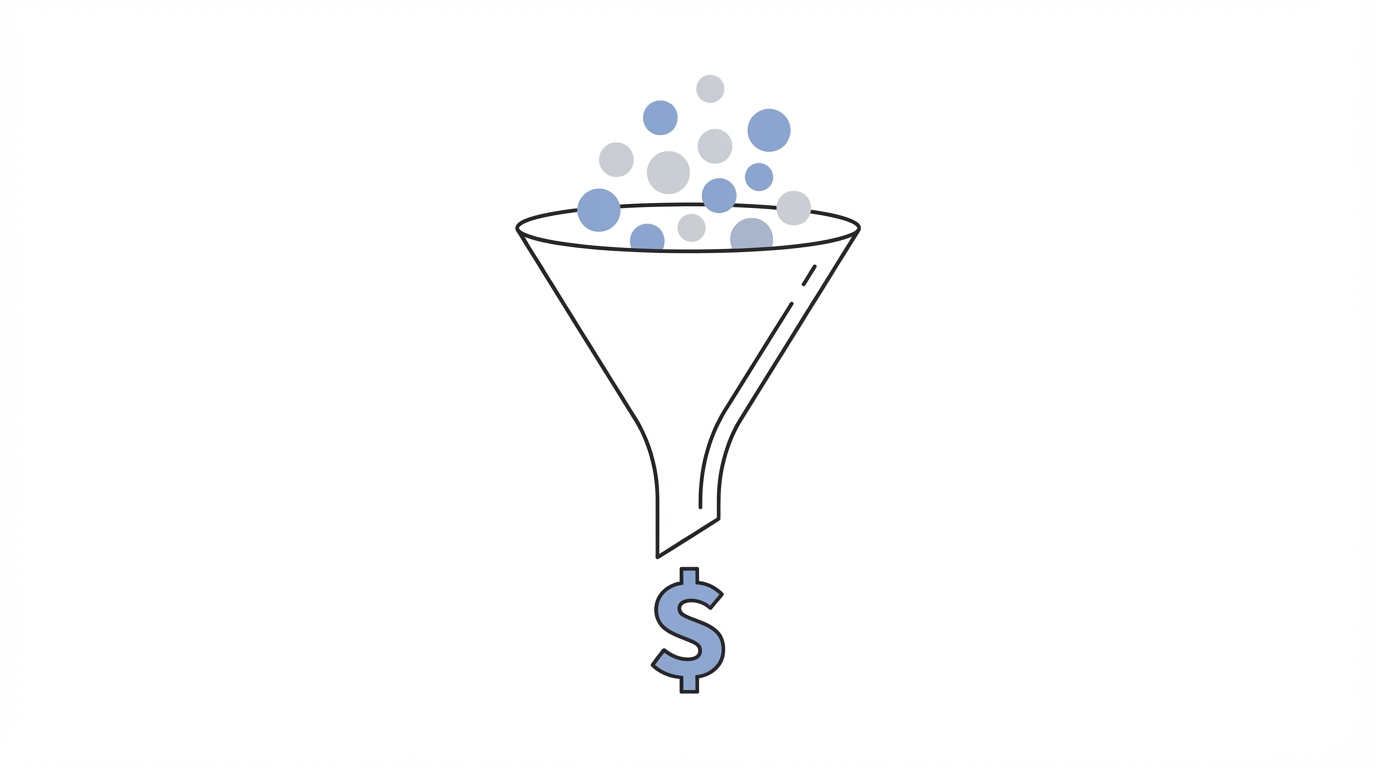
A viral video with 10 million views is a vanity metric if it doesn't lead to sales. Jure's strategy involves keeping the conversion path as simple as possible. For Rummer, he uses a simple landing page on Shopify without excessive A/B testing or complex funnels. "If you're not confident that the change you're making is going to increase sales, then you're probably focusing on the wrong thing," he notes. He recommends making big, sweeping changes that are guaranteed to move the needle rather than micro-optimizing small details.
He also emphasizes the importance of a dedicated Creator CRM. Managing the relationships with the influencers who drive your traffic is vital. Jure found his content partner by sending hundreds of cold emails and eventually landing on a revenue-split partnership. This alignment of incentives ensures that the creator is just as motivated as the founder to hit that next viral milestone. To manage these collaborations without drowning in spreadsheets, tools like Stormy's creator CRM provide a centralized place to track negotiations, deal stages, and collaboration history.
Conclusion: Building Your Own Viral Engine
Driving 200M+ views isn't about luck; it’s about the disciplined application of a viral content marketing playbook. By focusing on compulsive-buy products, building a content factory through the Batch and Mix method, and prioritizing organic reach over expensive paid ads, you can scale a business to $60,000/month and beyond. The shift from a technical builder to a marketing-first founder is the ultimate competitive advantage in the AI era.
Ready to start your own organic growth journey? Don't leave your distribution to chance. Use Stormy's post tracking to monitor your campaign performance in real-time across all platforms and let our AI agents handle the heavy lifting of creator discovery and outreach while you focus on building the next big thing.