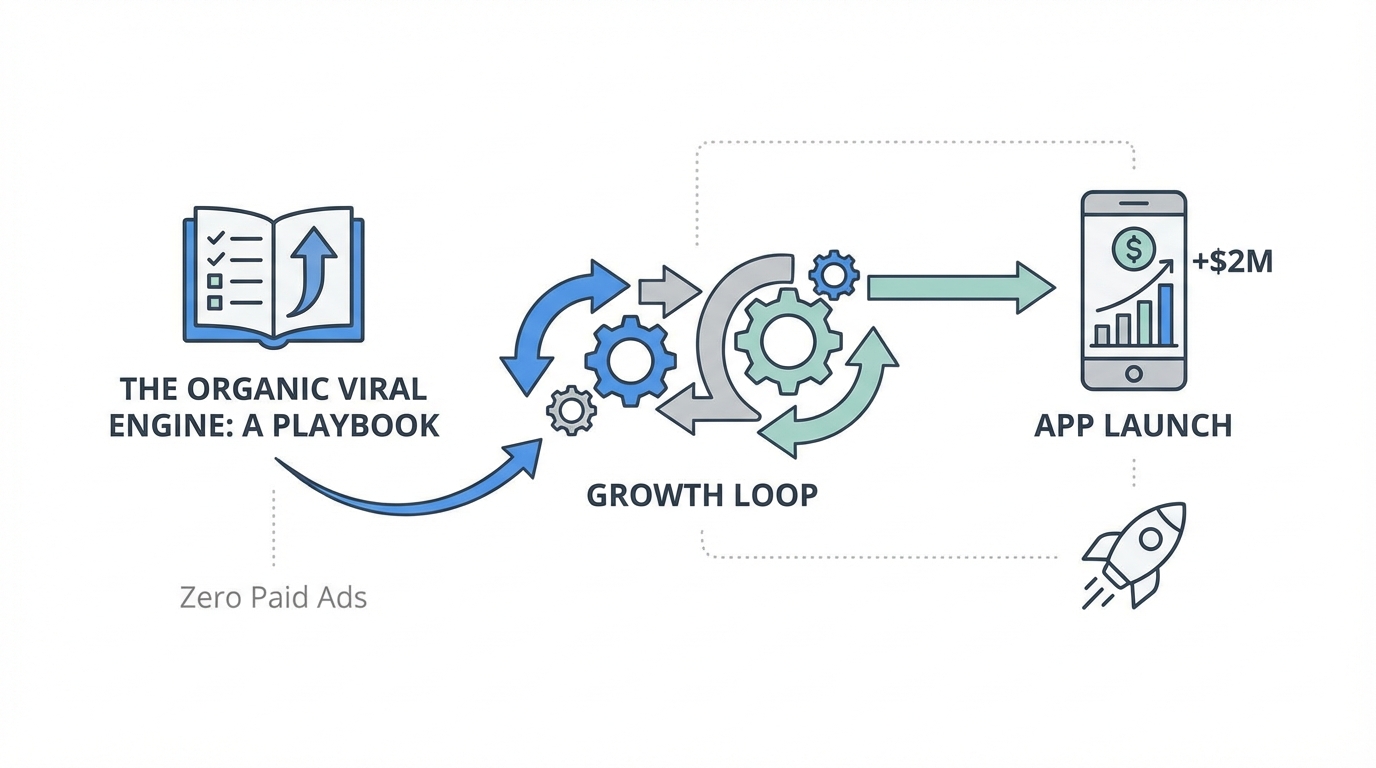
In the high-stakes world of mobile app development, the conventional wisdom often dictates a heavy reliance on venture capital and massive performance marketing budgets. However, a new breed of founders is proving that cultural relevance and a sophisticated viral marketing strategy can outperform even the most aggressive paid acquisition campaigns. Dan Quan, the mastermind behind Kunch AI and Shepherd, recently demonstrated this by scaling an app to $1M ARR in just 30 days and another to $75K MRR in two weeks—all through the power of organic growth for apps. This isn't just about getting lucky; it's a repeatable framework built on 'Frankensteining' content and tapping into existing cultural movements.
The Momentum Wave: Identifying the Cult
Before writing a single line of code or designing a mockup in Figma, the most successful viral apps identify a "momentum wave." According to Dan Quan, every breakout project he has worked on stemmed from an existing cult-like following or a deep-seated cultural frustration. Whether it was student outrage over busy work during the rise of ChatGPT or the anime community's obsession with "leveling up" in real life, the demand was already there.
To implement an effective growth hacking for startups strategy, you must first decide if you are building a new cult or finding an existing one. Building a cult requires higher long-term effort and better retention (LTV), but finding an existing movement is the fastest way to achieve a cold start. For example, the app Arise leveraged fans of the anime Solo Leveling who were already posting about wanting a real-world "system" to track their fitness. By aligning the product with this existing desire, the app hit $50K monthly revenue with almost zero traditional friction.
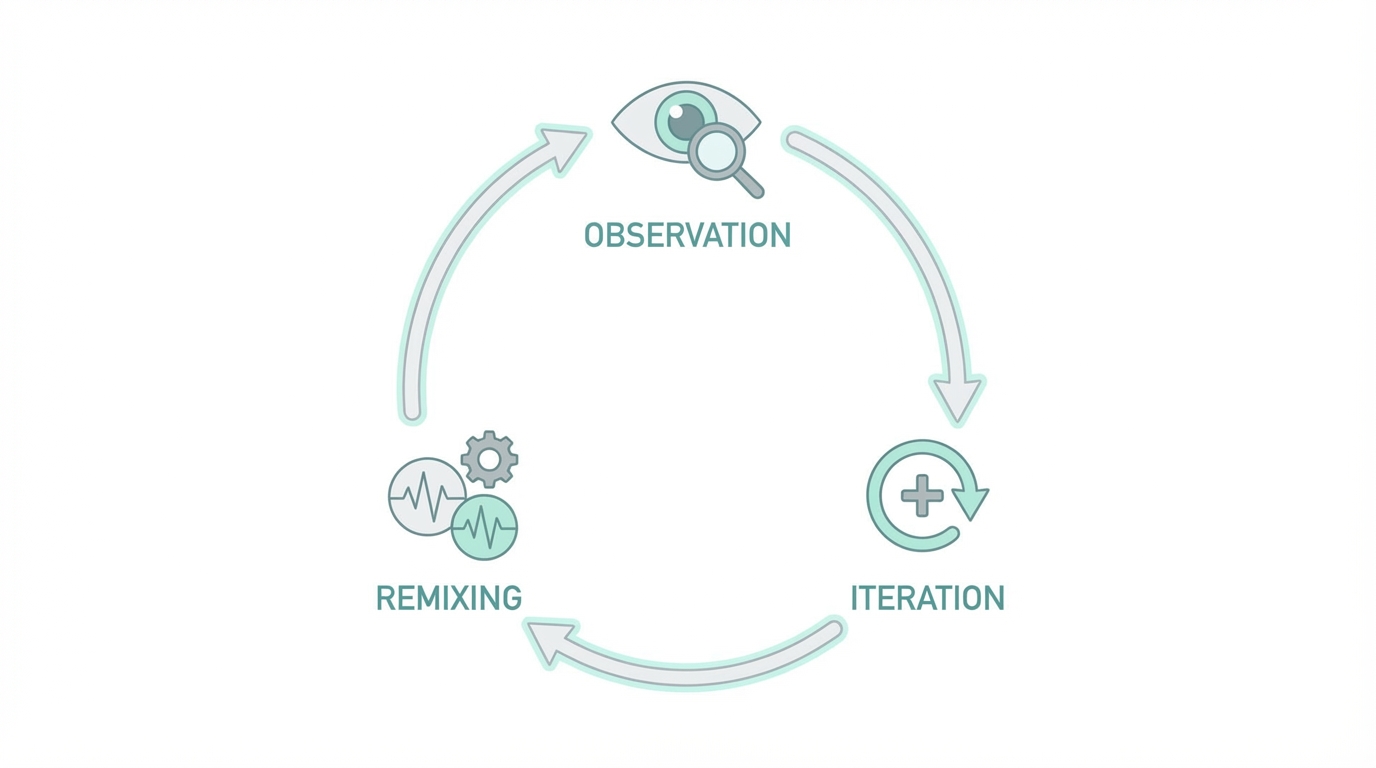
The 'Frankensteining' Method: Remixing Viral Hooks

One of the most tactical elements of Dan’s tiktok marketing playbook is a concept he calls "Frankensteining." This involves identifying hooks and audios that are already performing well on platforms like TikTok and Instagram and stitching them together to serve your product's narrative. This is not simple reposting; it is about merging the high-energy emotion of one video with the visual demonstration of your app.
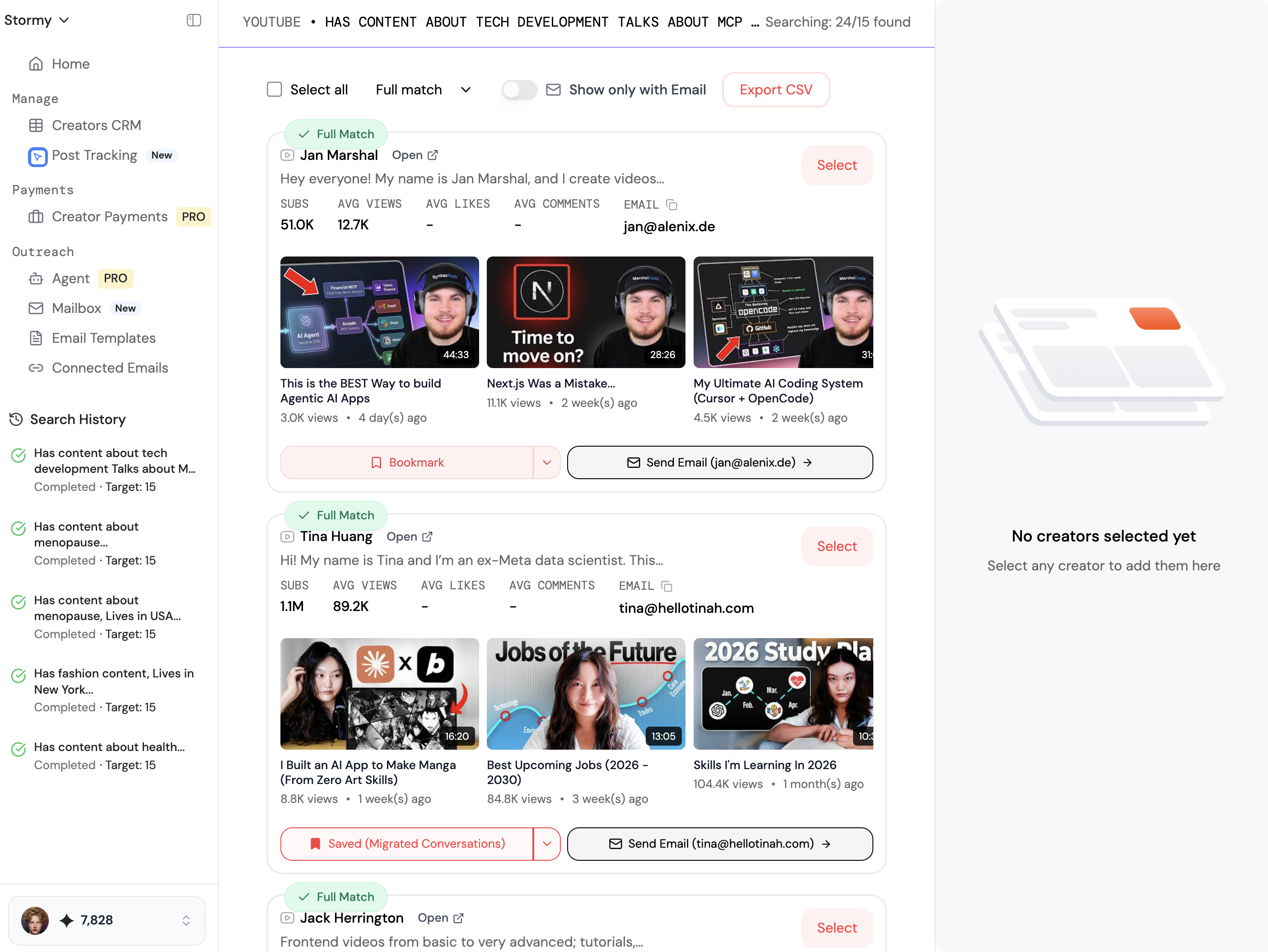
During the launch of Kunch AI, Quan found a video of a student getting caught in class that had modest engagement. He stripped the audio and replaced it with a much more intense clip of a professor yelling about AI detection. By merging these two high-emotion elements, he created a video that generated over 150 million views across platforms. For founders who aren't natural creators, using Stormy AI to discover creators across TikTok and Instagram via AI-powered search can help identify the right UGC partners who understand these nuances of hook-based storytelling.
Implementing 'Us vs. Them' Positioning
Humans are biologically wired for tribalism and gossip. To make a product go viral, you need to lean into us-vs-them positioning. This means identifying a clear "enemy" that your audience already dislikes. For Kunch, the enemy was the "pointless bureaucracy" of the school system and the busy work assigned by professors. By positioning the app as a tool for student rebellion, the marketing resonated on a visceral level.
Another powerful example occurred during the launch of Shepherd, a Bible study app. At the time, Duolingo was facing backlash for its pivot toward AI-heavy content. Shepherd positioned itself as the "God-first lamb" against the "AI-first owl." This binary choice simplified the value proposition and gave the community a reason to pick a side. This type of viral marketing strategy works because it outrages one group while deeply validating another, leading to mass sharing and debate.
The Aesthetics of Trust: Snap-Style Captions
A common mistake founders make is over-investing in high-production-value content. In the current social landscape, high production value often signals an advertisement, triggering the user to scroll past. To achieve true organic growth for apps, your content should look like it was sent by a friend in a group chat. This is why "Snap-style" captions—lower resolution, natively filmed in the Snapchat app, and featuring simple text overlays—often convert at much higher rates.
Subconsciously, users recognize the lower frame rate and pixelation of native mobile content. This "scrappy" aesthetic builds immediate trust. Whether you are using Stormy AI to vet creators and detect fake followers or filming yourself, the goal is to lean into the "realistic pillar." Even for VC-backed brands, making a video look like it was shot in a founder’s kitchen can be the difference between a flop and a 10-million-view hit.
The Step-by-Step Viral Playbook
If you have an app ready to launch and want to follow this tiktok marketing playbook, follow these steps to build your organic engine before touching paid platforms like Google Ads or Meta Ads Manager.
Step 1: Identify the Cultural Friction
Look for communities on X, Reddit, or TikTok that are complaining about a specific problem or obsessing over a niche IP. Don't think about the marketing first; think about the ICP (Ideal Customer Profile). If you can't step into their shoes and feel their frustration, you won't be able to write hooks that land.
Step 2: Frankenstein Your First 5 Hooks
Search for keywords related to your problem. Find the top-performing videos from the last 6 months. Analyze why they worked: Was it the audio? The text overlay? The facial expression? Use these as your starting points. Stitch your app demo behind these proven hooks to ensure you're starting with a "momentum wave." [source: TikTok Creative Center]
Step 3: Deploy Founder-Led and Scrappy UGC
Post content that feels native. If you're the founder, talk directly to the camera about your excitement. If you're working with creators—which you can easily source and contact through Stormy AI and utilize its automated email outreach to scale your campaign—instruct them to use native app fonts and avoid professional lighting. Focus on the how to go viral on social media fundamentals: high energy, immediate value, and a clear call to action.
Step 4: Crack 5 Winning Formats Before Scaling
Do not move to Apple Search Ads or other paid channels until you have at least five distinct video formats that consistently generate organic conversions. You should monitor these through Stormy AI's post tracking and analytics dashboard to see what sticks. Paid ads are an accelerant; if your organic content doesn't convert, your paid ads will likely have a poor ROI.
Influencer Ops and Long-Term Scaling
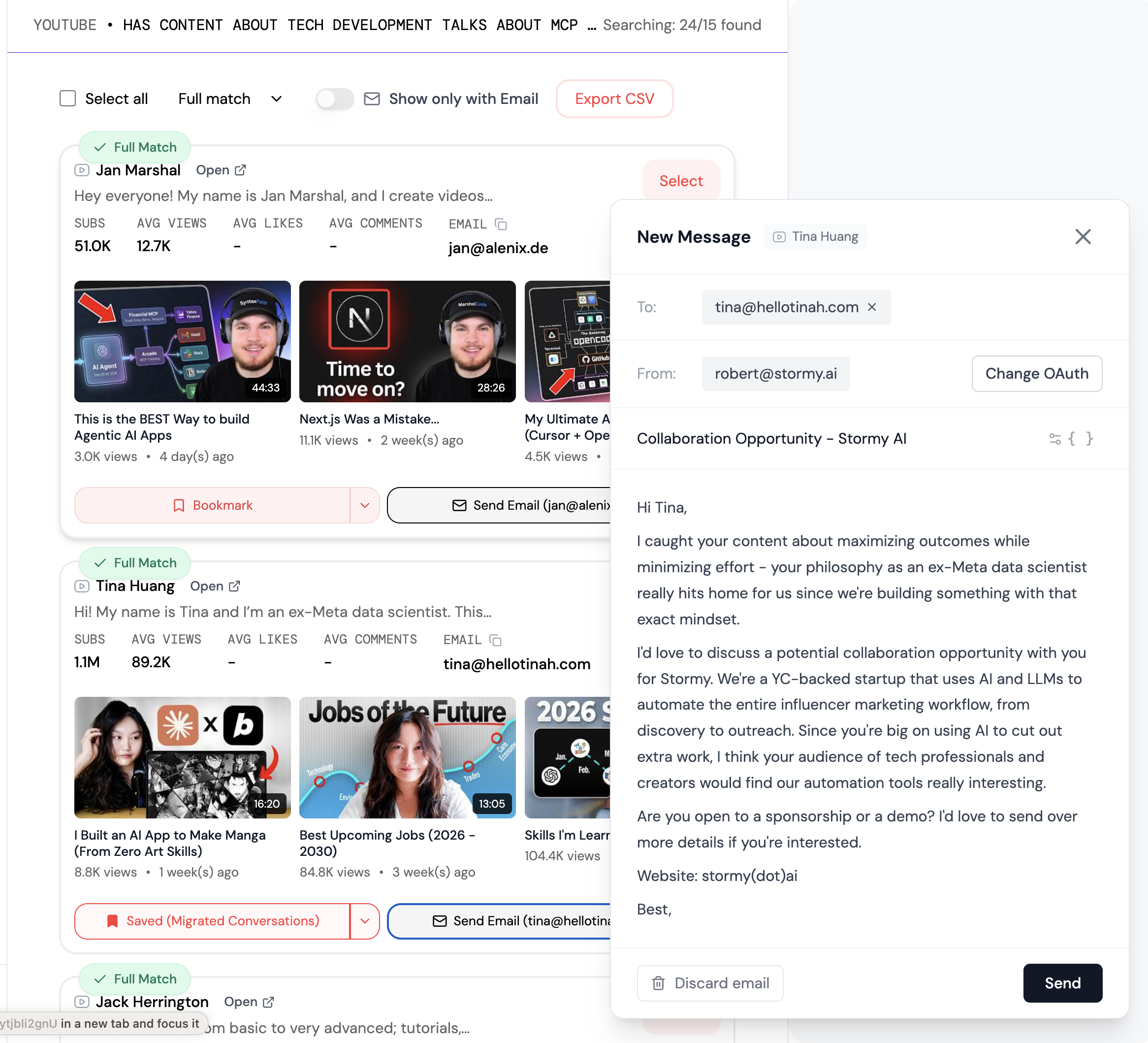
Once you find a hook that works, it's time to scale your growth hacking for startups efforts. Dan Quan suggests moving influencers from one-off posts to "full-time UGC creators" for your brand. This means they run an account specifically dedicated to your product, posting daily based on the winning formats you've already identified. You can automate this entire process by setting up an autonomous AI agent within Stormy AI to handle daily outreach and discovery while you sleep. During the launch of Arise, influencer deals were structured at a $1 to $2 CPM, while the app was generating an RPM (Revenue Per Mille) of $6 to $7, resulting in 80% margins.
When you reach this level of efficiency, the app becomes a passive income stream. The key is to keep a pulse on the cultural movements. As Dan points out, "Social is super saturated, but freedom of speech, niche religious communities, and the flaws in the education system are massive waves right now." By building apps that serve these movements, you create an inherent "K-factor" where users invite their friends not because of a referral bonus, but because they are part of a shared mission.
Conclusion: Building with Opinion
Ultimately, the secret to how to go viral on social media is having a strong opinion. Taste is simply the act of taking a side. Whether you are building an AI tool or a fitness app, your marketing must reflect a personality that your audience can connect with. By combining the 'Frankensteining' method with authentic, low-production content, you can bypass the traditional gatekeepers of paid acquisition and build a multi-million dollar business on the back of pure organic momentum. Stop overthinking the production and start posting—the data points you gather from your first 10 scrappy videos are more valuable than any marketing textbook.