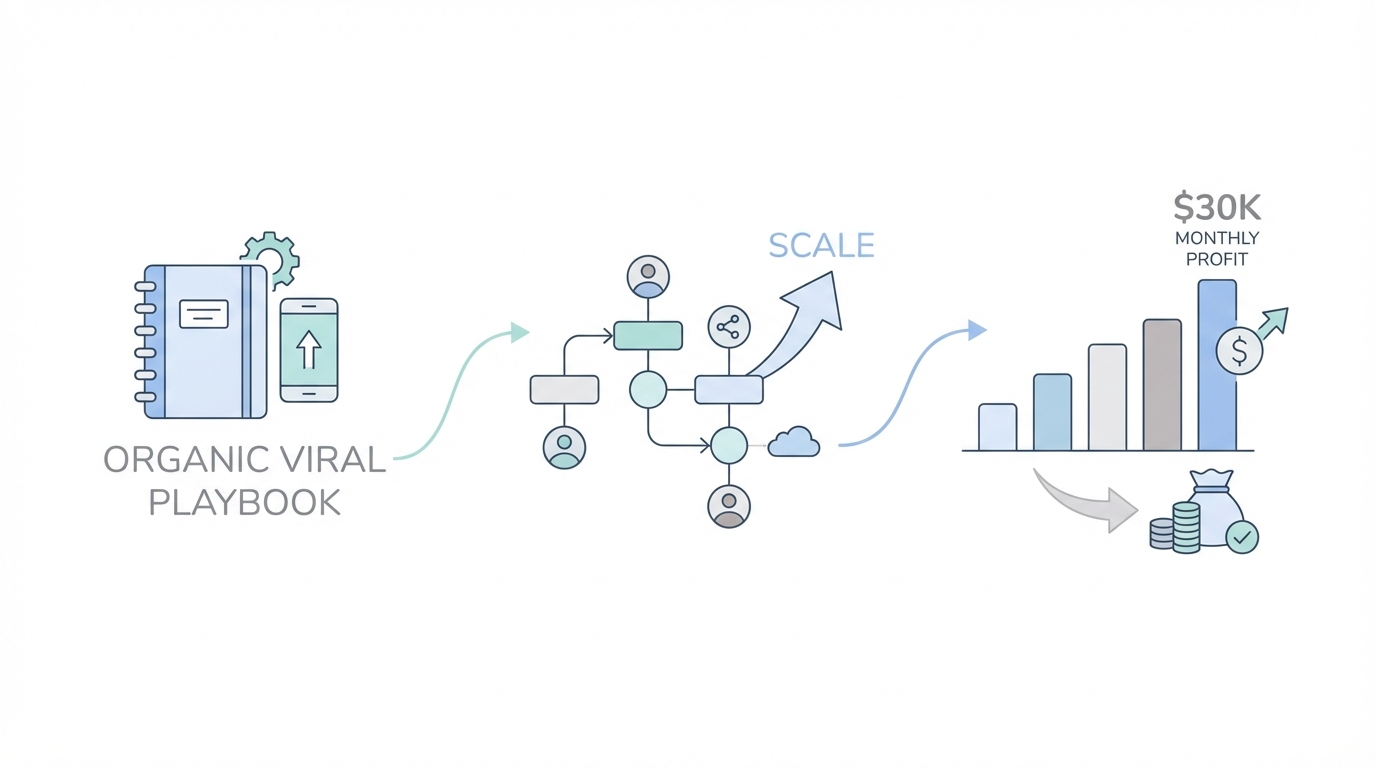
Scaling a mobile application to $30,000 in monthly pure profit without spending a single dollar on traditional advertising sounds like a fever dream for most developers. However, the founders of Pushcroll, Alejandro and Mario, turned this into a reality by mastering a specific organic app growth strategy that prioritizes high-impact creativity over high-budget media buying. By focusing on viral mobile app marketing through short-form video platforms, they have built a repeatable engine that generates millions of views and thousands of downloads with surgical precision. This playbook breaks down their exact system, from pre-validation to engagement hacking and community-driven product development.
Pre-Validating Ideas: Marketing Before Product
Most founders spend months building a Minimum Viable Product (MVP) only to realize no one wants it. The Pushcroll team flipped this script. Alejandro validated the entire concept of an app that blocks social media until you perform push-ups using a single TikTok video. At the time the video was filmed, the app didn't even exist. This approach is the cornerstone of a modern mobile app user acquisition strategy: sell the dream outcome before writing a line of code.
When that initial video blew up, it provided the necessary signal to move forward. Alejandro then used Y Combinator Co-founder Matching to find Mario, who had already built a similar screen-time infrastructure. Because the demand was already proven, they were able to build the MVP in just two weeks. This speed to market is only possible when you know exactly who your audience is and what specific pain point you are solving. By starting with short form video for apps as a validation tool, you eliminate the risk of building into a void.
The Anatomy of a Viral Hook: Dropping Skip Rates
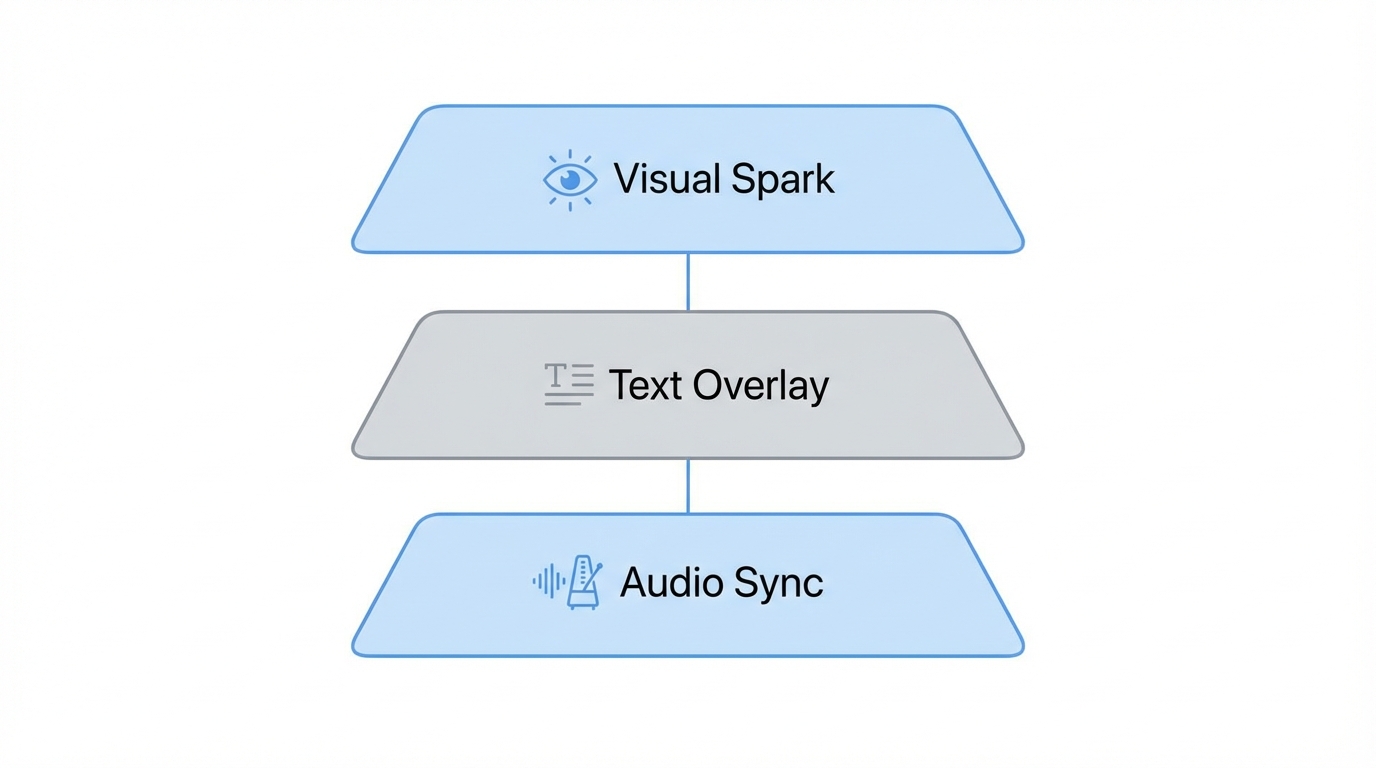
In the world of Instagram Reels and TikTok, the first three seconds of your video determine your fate. For the Pushcroll team, achieving virality wasn't about high production value; it was about novelty and curiosity. They discovered that an ‘over-the-shoulder’ shot of someone performing a bizarre action in public—like doing push-ups in the rain or on a sidewalk at 2:00 AM—was the ultimate pattern interrupt.
The skip rate is the most critical metric to monitor. A standard video might see half its audience scroll past immediately, but Pushcroll’s winning videos maintained a skip rate as low as 18-19%. This means nearly 80% of viewers were hooked enough to stay past the three-second mark. They achieved this by using specific visual cues, such as an AI-powered skeleton diagram overlay that tracked body movement. This skeleton, powered by tools like Google MediaPipe, provided immediate visual proof of the app’s core functionality while looking high-tech and intriguing.
The ManyChat Engagement Hack: Boosting Reach

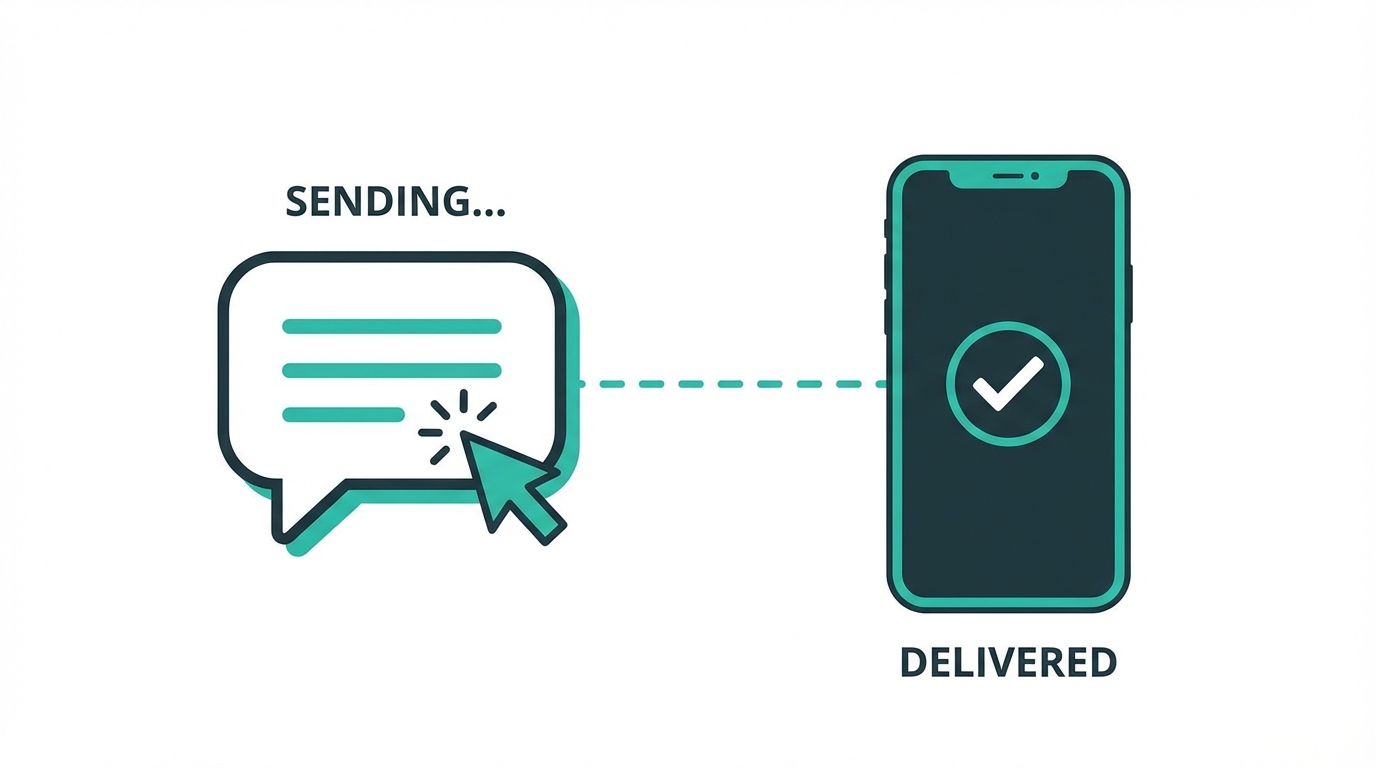
Views are vanity, but engagement is sanity. To scale their organic app growth strategy, the founders integrated ManyChat for Instagram growth to automate their lead generation. Instead of asking users to click a link in their bio—which adds friction and requires the user to leave the video—they prompted viewers to ‘comment the word APP’ for a direct download link.
This serves two purposes. First, it triggers the Instagram algorithm. When a video receives 62,000 comments (as one of their viral hits did), the platform views it as hyper-relevant and pushes it to a massive audience. Second, it allows for better mobile app user acquisition tracking. By sending a direct DM with a link to the App Store, they could bypass the ‘link in bio’ bottleneck. The team sent over 90,000 automated DMs, ensuring that every interested viewer had the product in their inbox. This creates a closed loop where engagement feeds virality, and virality feeds downloads.
While platforms like Stormy AI for finding UGC creators and influencers can help you scale these campaigns, the Pushcroll team proved that even a founder-led approach can work if the automation is handled correctly. The key is to make the call-to-action (CTA) as low-friction as possible.
Organic vs. Influencer Marketing: Lessons from a $2K Mistake
Before finding success with their in-house content, the founders attempted the traditional influencer route. They spent roughly $2,000 on influencer collaborations, primarily with calisthenics creators. The logic seemed sound: people who like fitness would like a push-up app. However, the results were underwhelming. Despite thousands of views, the conversion to downloads was significantly lower than their own organic content.
The lesson learned was that influencer marketing often lacks the raw, unpolished authenticity that drives viral mobile app marketing today. When an influencer posts a dedicated ad, the audience's ‘ad radar’ goes up. In contrast, when the founders posted raw, ‘in-the-wild’ demos, the curiosity factor was much higher. If you are struggling to find the right voices for your brand, Stormy AI is an AI-powered platform for creator discovery, especially for mobile app marketing and UGC campaigns. Additionally, Stormy AI can analyze any creator URL to provide a quality report, detecting fake followers and engagement fraud in seconds to prevent the same $2,000 pitfall the Pushcroll team faced.
Rinsing and Repeating Winning Formats
Creativity is often overrated in performance marketing. Once you find a short form video for apps format that works, your job is to ‘rinse and repeat’ until it stops performing. Pushcroll discovered 3-4 specific video structures that they could reuse across different locations and times. For example, the ‘Bro is doing push-ups to scroll Reels’ format worked consistently because it hit a universal pain point: doom scrolling addiction.
They didn't try to reinvent the wheel every week. Instead, they iterated on the hook. They tried push-ups at night, push-ups in the rain, and push-ups in public squares. This approach allows for high-volume posting without creative fatigue. To stay organized, you can use the post tracking features in Stormy AI to monitor campaign performance, track individual videos, and see which specific variations have the longest lifespan. The goal is to build a library of proven assets that you can eventually turn into paid Google Ads or Apple Search Ads once the organic reach begins to plateau.
The Discord Feedback Loop: Building with the Community
While marketing gets people in the door, community keeps them there. The founders built a 4,000-person Discord community that acts as a real-time focus group. This is a rare strategy in the consumer app space, but it has been instrumental in reaching $30K in monthly profit. They used Discord to AB test everything from the app icon to the onboarding flow.
When users suggested a ‘journey mode’ similar to Duolingo, the founders didn't just guess—they polled the community and built a wireframe within days. This tight feedback loop ensures that every feature developed has a built-in user base. It also creates a pool of ‘super-users’ who provide free User Generated Content (UGC), sharing their own push-up streaks and testimonials that can be repurposed for more organic app growth.
The Paywall Strategy: Value Over Friction
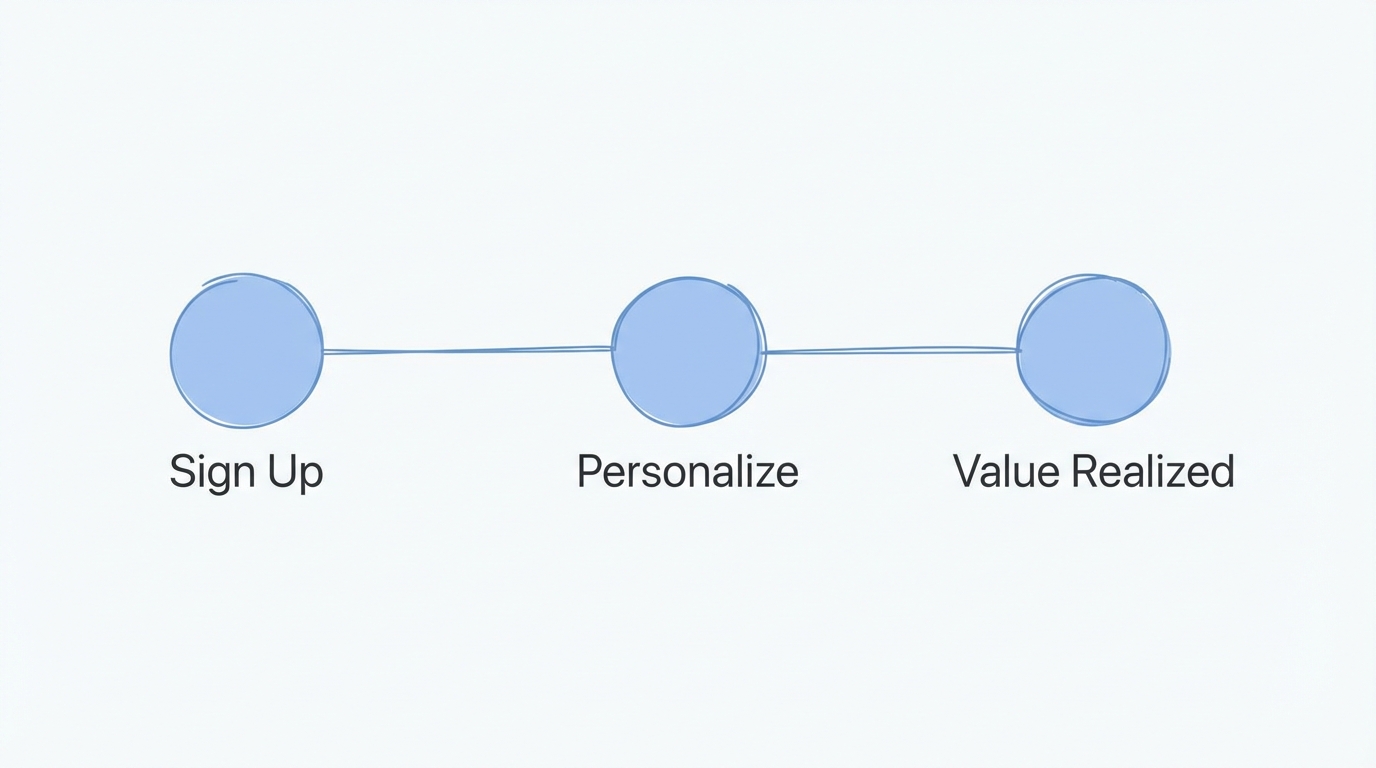
Getting a download is only half the battle; the real challenge is the conversion to a paid subscription. The team utilized Superwall to manage their paywalls and run complex AB tests. They based their onboarding flow on Alex Hormozi’s Value Equation: aiming to increase the perceived likelihood of achievement and the dream outcome, while decreasing the time delay and effort required.
Their onboarding isn't just a series of technical steps; it's a conversation. They ask users about their specific addictions (TikTok vs. Instagram) and their fitness goals. By making the onboarding feel like a custom program, they increased their paywall conversion rate to 16% in some cohorts. They also implemented an ‘abandoned transaction’ discount, offering 80% off to users who reached the paywall but tried to exit. This simple tactic recovered a significant portion of revenue that would have otherwise been lost to price sensitivity.
Navigating Geographies: The US Profit Premium
A fascinating insight from the Pushcroll data is the discrepancy between European and American users. Despite having a large European base, the Average Revenue Per User (ARPU) in the US was nearly double that of Europe [source: Business of Apps]. This realization shifted their entire viral mobile app marketing focus. Because TikTok and Instagram algorithms are often geo-locked to where the creator is located, they had to find ways to ‘penetrate’ the US market from Europe.
They experimented with VPNs and US-based SIM cards, but ultimately found that the most reliable method was hiring US-based UGC creators. To streamline this process, you can use Stormy AI to set up an autonomous AI agent that discovers, outreaches, and follows up with these creators on a daily schedule. By paying American students a flat retainer to post from their own accounts, they ensured the content was pushed to the high-converting US audience. This geographic arbitrage is a vital component for any app looking to scale its profit margins quickly.
The Organic Scaling Playbook: Summary Steps

- Validate with Content: Post a ‘fake’ product demo on TikTok. If it doesn't get at least 10k views organically, the concept may not be viral enough.
- Engineer Curiosity: Use over-the-shoulder shots and ‘bizarre’ hooks. Aim for a skip rate below 20%.
- Automate the DM: Use ManyChat to turn comments into tracked App Store clicks.
- Build a Feedback Hub: Move your early adopters to a Discord server to shape the product and gather free UGC.
- Optimize the Paywall: Use tools like Superwall to test long vs. short onboarding flows. Focus on the ‘dream outcome’ early in the quiz.
- Scale via Proxy: Once a format works, hire creators in the US to replicate it to tap into higher ARPU markets.
The Future of Organic App Growth
The success of Pushcroll proves that organic app growth strategy is not a matter of luck, but a matter of systems. By treating every piece of content as a data point and every comment as a conversion opportunity, developers can bypass the crushing costs of traditional mobile app user acquisition. Whether you are building a fitness app or a productivity tool, the fundamentals remain: hook the viewer, automate the engagement, and listen to the community. As AI tools continue to lower the barrier for content creation, the winners will be those who can most effectively capture attention in the first three seconds of a scroll.