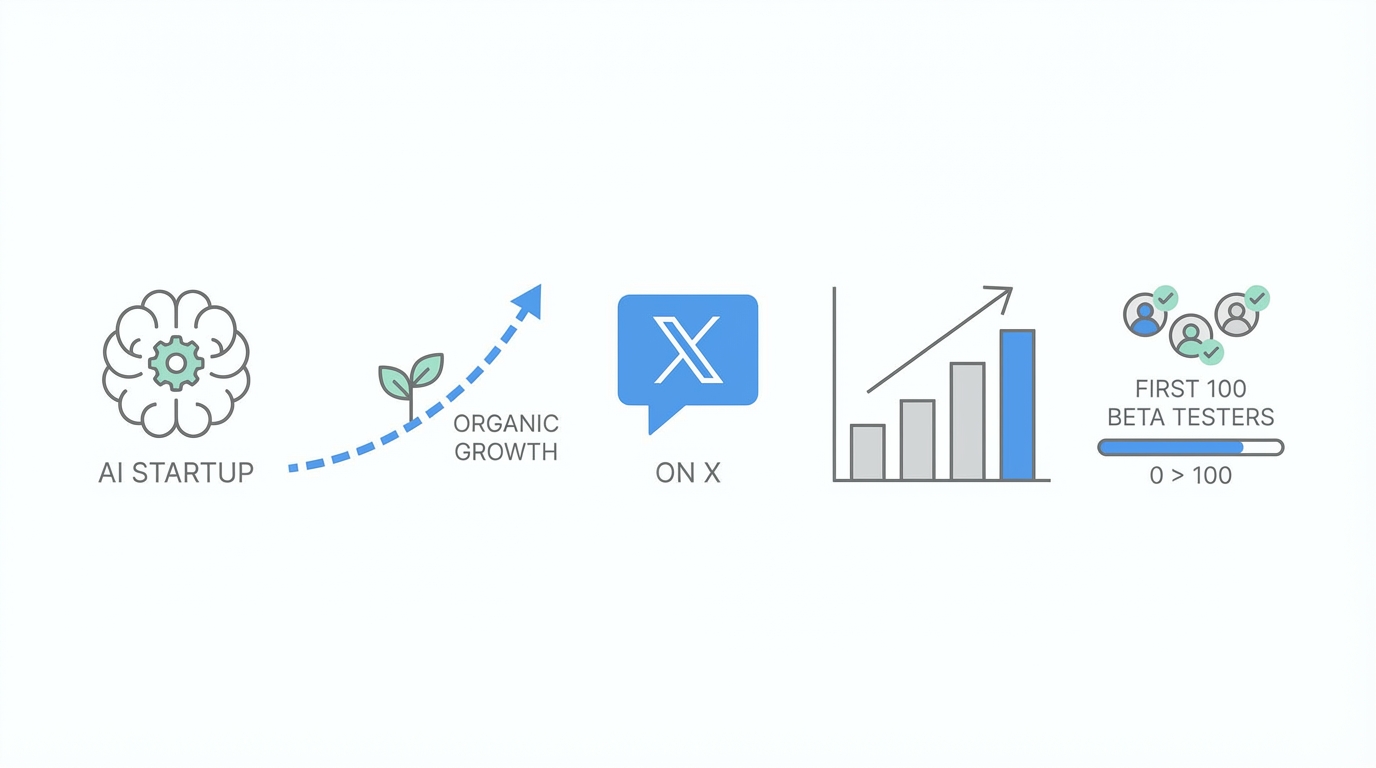
Building an AI startup in today's landscape feels like racing a supersonic jet. The barrier to entry has collapsed; with the rise of "vibe coding" and autonomous agents, you can move from a shower thought to a functional MVP in under an hour. However, the hardest part isn't the code—it’s the initial distribution. Most founders spend weeks building in a vacuum only to launch to the sound of digital crickets. If you want to succeed, you need to flip the script. You need to find your first 100 beta testers before you’ve even finished your first cup of coffee during the development phase.
This guide provides a comprehensive ai startup launch plan designed for the solo founder. We will explore how to leverage platforms like X (formerly Twitter) for organic growth, use AI agents to handle your marketing while you build, and transition from a "cool idea" to a validated business with a waiting list of high-intent users.
Identifying High-Growth, Low-Competition Ideas
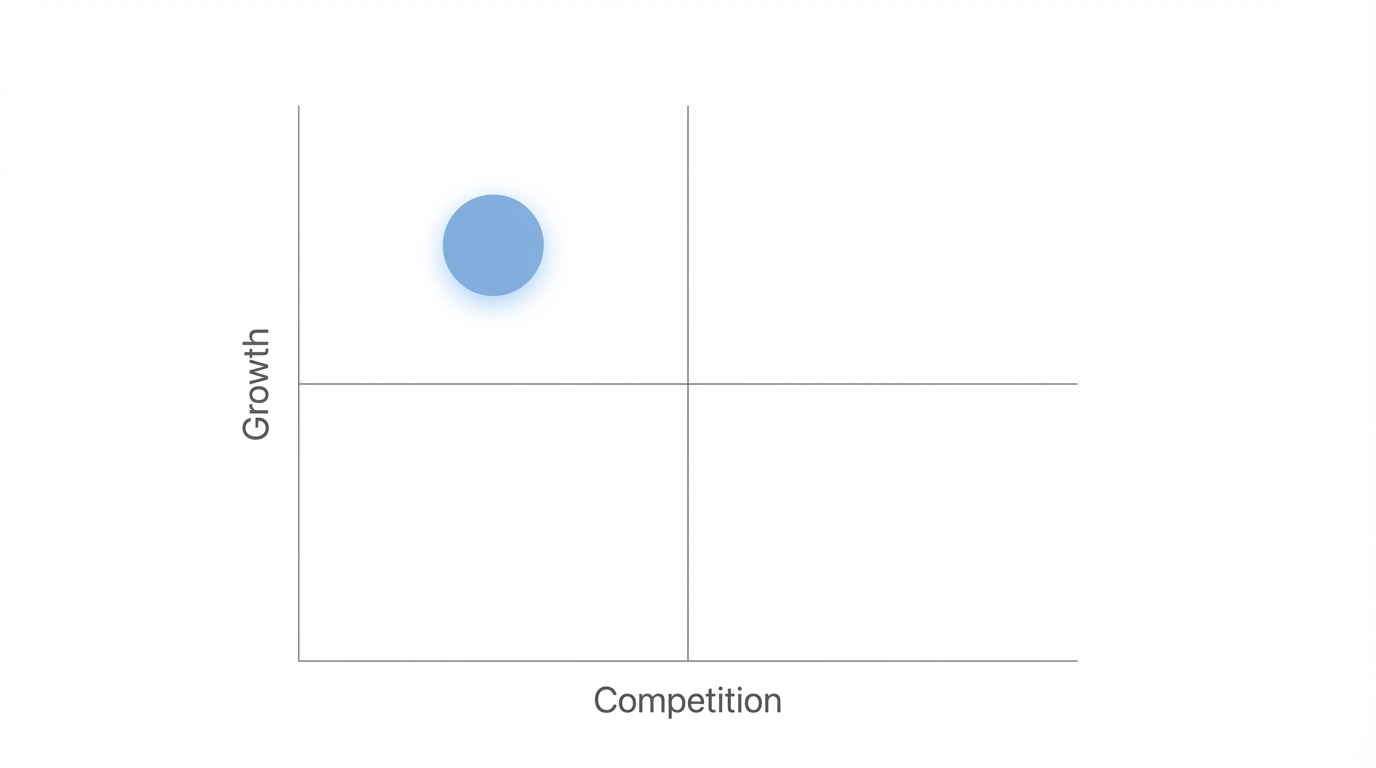
The first mistake most founders make is building a solution for a problem that doesn't exist. To get organic social media growth for SaaS, your product must tap into an existing vein of frustration. Instead of guessing, successful founders use data-driven tools like Idea Browser to scrape social signals from Reddit, Facebook groups, and X to find where people are actually complaining.
When searching for a winning concept, look for Market Insights that reveal solution gaps. For instance, if you notice a surge in discussions about "sudden drops in email deliverability" or "fear of Google policy changes," you’ve found a high-intent pain point. The key is to find something in a growing industry with low competition that you personally understand. As the research suggests, building a product for yourself ensures that even if no one buys it, you’ve improved your own life—though usually, if you have a problem, thousands of others do too.
The 'Build-in-Public' Strategy: Leveraging Curiosity Gaps
Once you have your idea, don't go into stealth mode. Use the build in public strategy to generate curiosity. X is the ultimate platform for this because it thrives on real-time updates and professional transparency. The goal is to create a curiosity gap—showing enough of what you’re doing to pique interest without revealing every detail, making people want to join the "inner circle" of beta testers.
Start by sharing your technical stack. Mention how you are using Next.js for the frontend and Supabase for the database. Share screenshots of your terminal or your AI agent's progress on communities like Indie Hackers. This builds founder authority and attracts early adopters who love being part of the journey. When you show the "messy middle" of development, you humanize the brand, which is essential for organic growth.

Crafting the Viral Validation Tweet
The most important step in your how to get beta testers journey is the validation tweet. This isn't an ad; it’s a conversation starter. You want to identify a pain point and ask for help or interest. A classic formula used by successful founders is: "I’ve been obsessed with [Problem] lately but can’t find a good [Solution]. Thinking of building an app that does [Feature A] and [Feature B]. Would anyone use this?"
When you hit send, don't just sit back. You need to engineer the engagement by following best practices for platform reach:
- Reply to every comment: If someone says "I need this," they are a lead.
- Ask follow-up questions: "What's the most annoying part of your current workflow?" This turns a tweet into a product research session.
- Use the 'DM for Beta' Hook: Instead of posting a link, ask people to comment if they want access. This boosts the algorithm's reach and gives you a reason to slide into their DMs.
The 'AI Employee' Mindset: Marketing While You Code
One of the most revolutionary aspects of modern development is the ability to run parallel processes. While your local AI agent is building the MVP, you should have "cloud employees" handling your startup marketing on x and other channels. Using OpenAI Codex, you can spin up asynchronous agents to work for you while you sleep.
While your primary agent builds the code, your cloud agent can:
- Draft a Marketing Plan: Identify KPIs, target audiences (e.g., "Resilient Achievers" aged 25-40), and brand positioning.
- Generate a Content Calendar: Create a week's worth of tweets based on your Product Requirements Document (PRD).
- Research Competitors: Analyze what other wellness or SaaS apps are missing so you can refine your unique selling proposition (USP).
This "CEO mindset"—where you manage 8 AI employees instead of doing everything manually—is how small teams are out-competing massive corporations. Tools like Stormy AI can even help you source and manage UGC creators to provide social proof for your app even before it’s fully launched, ensuring you have content ready for the official release.
The Manual Scale: Converting DMs into Beta Testers
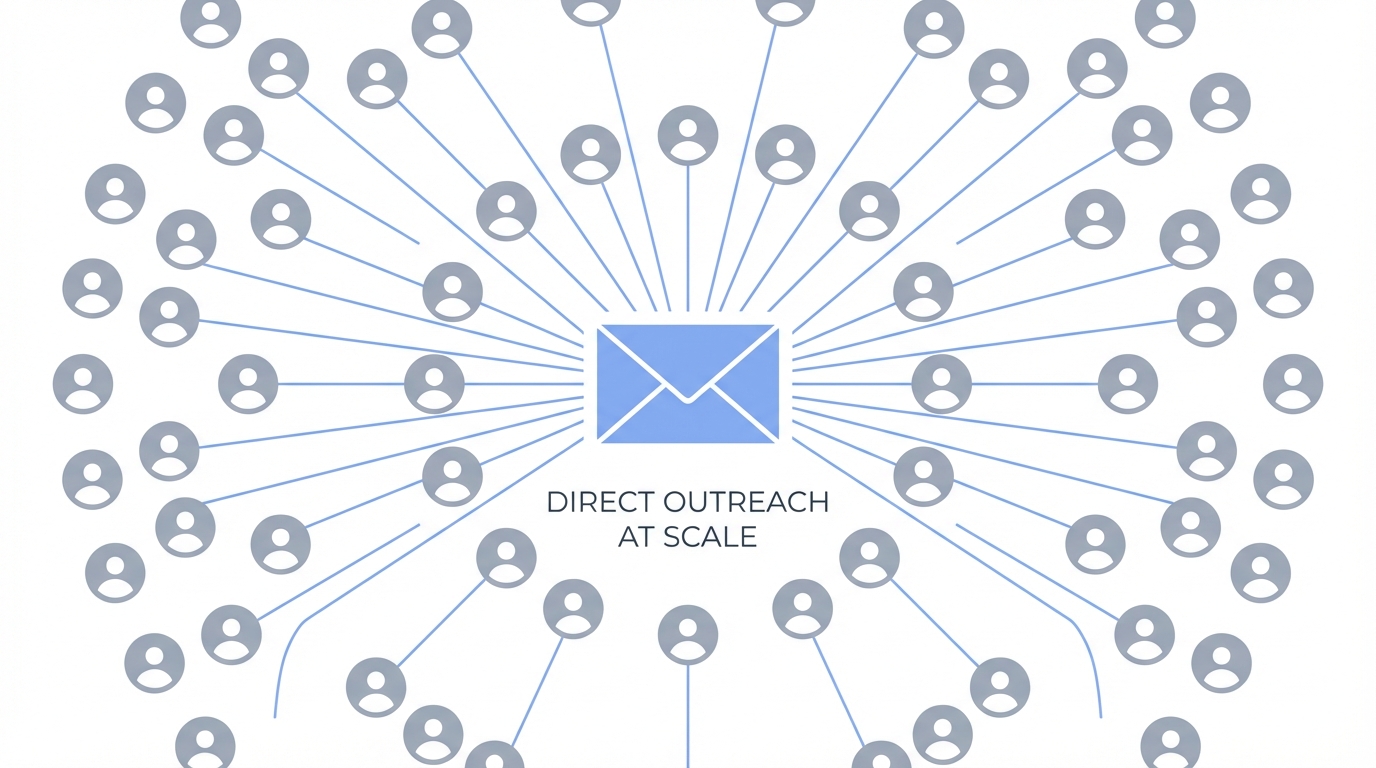
The unscalable part of startup marketing on x is the manual outreach. Once your validation tweet gets traction, you must move the conversation to the DMs. This is where high-intent beta testers are made. Reach out to every person who engaged with your post. Your message should be personal: "Hey [Name], saw you were interested in the wellness tracker I’m building! I’m looking for 10 people to test the early version and give honest feedback. Want a link?"
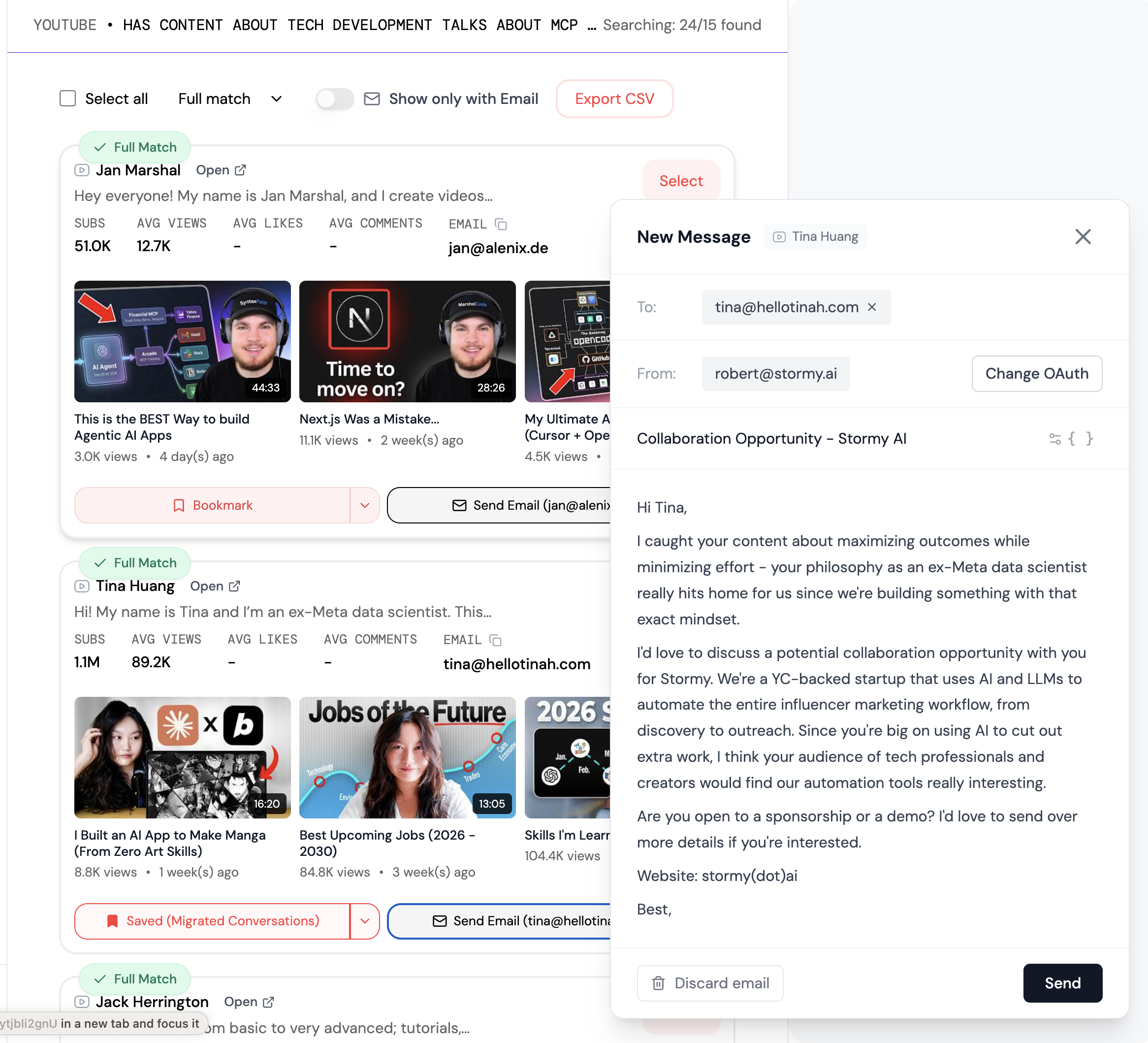
This manual approach allows you to filter for high-quality feedback. You don't just want users; you want users who will tell you why the app sucks so you can fix it. Track these conversations in a simple CRM. If you are looking to scale this outreach or find creators in specific niches (like "fitness influencers in London") to help promote your beta, Stormy AI can find their contact info and automate the follow-ups for you.
Turning Social Engagement into a Data-Driven Roadmap

Your first 100 beta testers aren't just a vanity metric; they are your product development team. Every DM, comment, and feature request should be fed back into your PRD. If users are consistently asking for a "meditation tracker" in your wellness app, that becomes your Phase 1 priority.
Use your AI agents to analyze the sentiment of your beta feedback. You can paste your DM transcripts into ChatGPT and ask it to "identify the top 3 friction points in my onboarding flow." This ensures your product roadmap is dictated by actual user behavior rather than founder bias. Remember the history of Instagram: it started as Burbn, a check-in app, but the founders realized people only cared about the photos. By listening to your first 100 testers, you might find your own "photo-sharing" pivot early.
Conclusion: Your Blueprint for Organic Growth
Getting your first 100 beta testers on X is about consistency and leverage. By building in public, crafting curiosity-driven content, and using AI agents to manage the heavy lifting of marketing and research, you can validate your AI startup without spending a dollar on ads. The formula is simple: find a validated pain point on Idea Browser, build the MVP with VS Code and Codex, and use X to find the people who need your solution most.
Don't wait for the perfect idea. Start building, start tweeting, and start talking to your future users today. 99% of people will spend their day doom-scrolling; if you spend just 30 minutes a day executing this plan, you'll be months ahead of the competition. The tools are ready—are you?