In the high-stakes landscape of B2B SaaS in 2026, the delta between a struggling startup and a decacorn isn't just the product—it is the intensity of the sales culture. Many modern founders have forgotten the grit that powered the titans of the late 90s and early 2000s. We have entered an era where "growth at all costs" has been replaced by "growth through elite performance," and few playbooks are as battle-tested as the one forged by Larry Ellison at Oracle. To win this year, organizations must look backward to the aggressive, meritocratic foundations of the Information Age and adapt them for the age of AI-driven commerce according to recent Gartner sales research.
The 'Bother Army' Mentality: Why Persistence Wins in 2026
In 2026, the average B2B decision-maker is inundated with thousands of automated touchpoints every week. Most sales teams give up after the third or fourth attempt, citing "outreach fatigue." However, the Oracle playbook suggests a different path: the 'Bother Army' strategy. As Hais Barnard recalls of his early days at Oracle, success was built on being a "good botherer" of database administrators. This wasn't about spam; it was about unyielding persistence and the belief that your product is essential to the prospect's success.
Building a Bother Army requires moving beyond simple automation. While tools like Pipedrive or modern CRM suites are excellent for tracking pipelines, the actual outreach must be relentless. In 2026, this means utilizing platforms like Stormy AI to find creators and partners with surgical precision, then using personalized AI agents to maintain a consistent, high-volume presence across TikTok, LinkedIn, and Email.
"You said the difference between rejection and results is just how long you stick with it. A lot of people quit when it gets hard. Sometimes you don't even know you're quitting; you just come up with a reason why you think you need to quit."
The goal is to turn your sales team into a group of "collaborative alphas" who understand that rejection is merely a data point, not a dead end. In 2026, a high-performance growth engine requires at least 12-15 touchpoints across multiple channels before a lead is considered cold.
The 20/20 Rule: Implementing a Meritocratic Culture
 13:18
13:18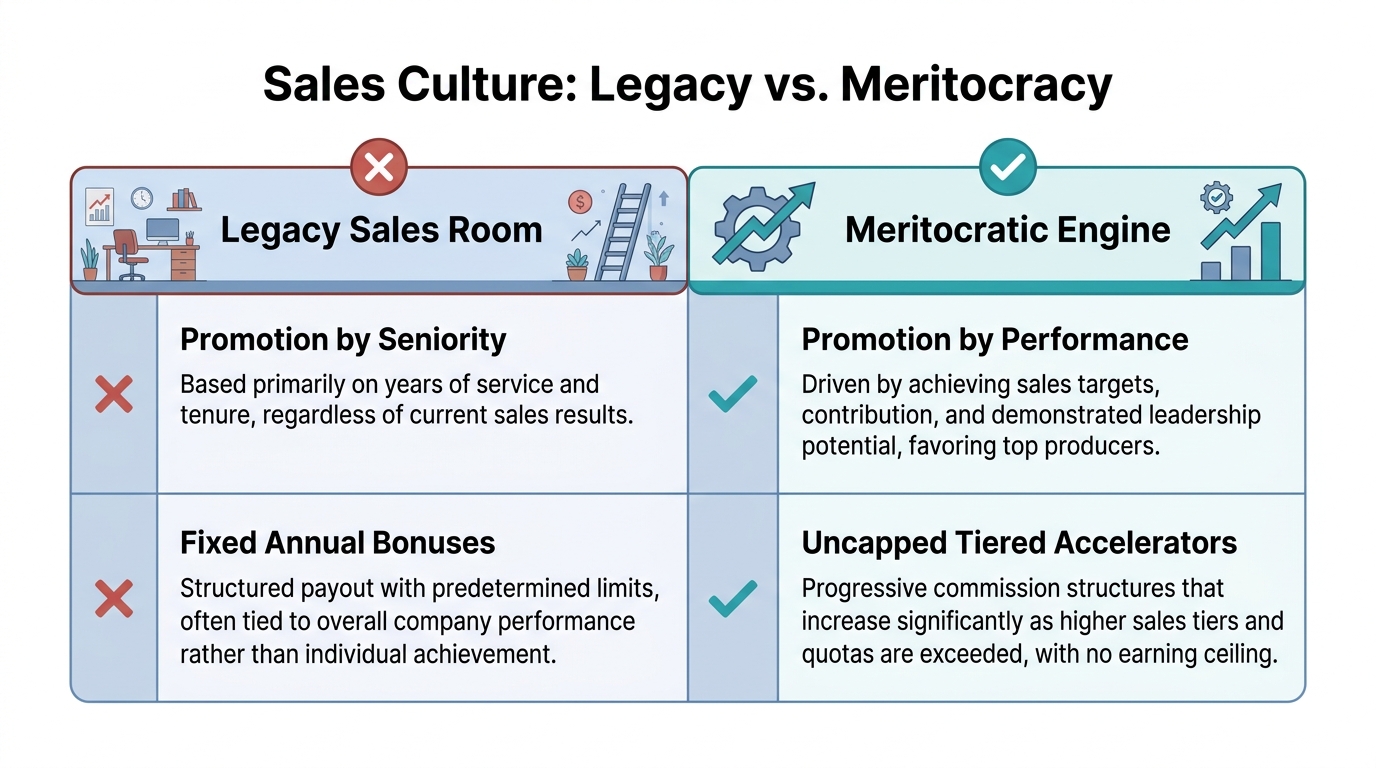
Oracle’s growth was famously fueled by a culture that was more like a pro sports team than a family. In 2026, the most successful B2B organizations are returning to this meritocratic model. The "Top 20/Bottom 20" rule is simple but brutal: the top 20% of performers get promoted and significantly compensated, while the bottom 20% are cut. This ensures that the organization is constantly upgrading its talent density.
To implement this effectively in 2026, you need transparent data. Use analytics tools like PostHog or Mixpanel to track every metric that leads to a sale. When the entire team can see the leaderboard in real-time on a shared Notion dashboard, it creates a healthy competitive environment that drives everyone to their peak performance level level [source: HBR].
| Metric | Standard Culture | High-Performance Culture (2026) |
|---|---|---|
| Promotion Basis | Tenure and "vibes" | Pure Performance Data |
| Feedback Loop | Annual reviews | Real-time, Daily Leaderboards |
| Low Performance | Indefinite PIPs | Immediate replacement |
| Compensation | Flat salary + small bonus | High risk / High reward (Capped vs. Uncapped) |
This culture builds collective alphas—a group of people who push each other to be better. It’s the same energy that led former Oracle employees to found giants like Salesforce and NetSuite. They didn't just learn to sell; they learned how to grind in the face of adversity.
The 'Feverish Learner' Model: Selling Tech Fluency
49:29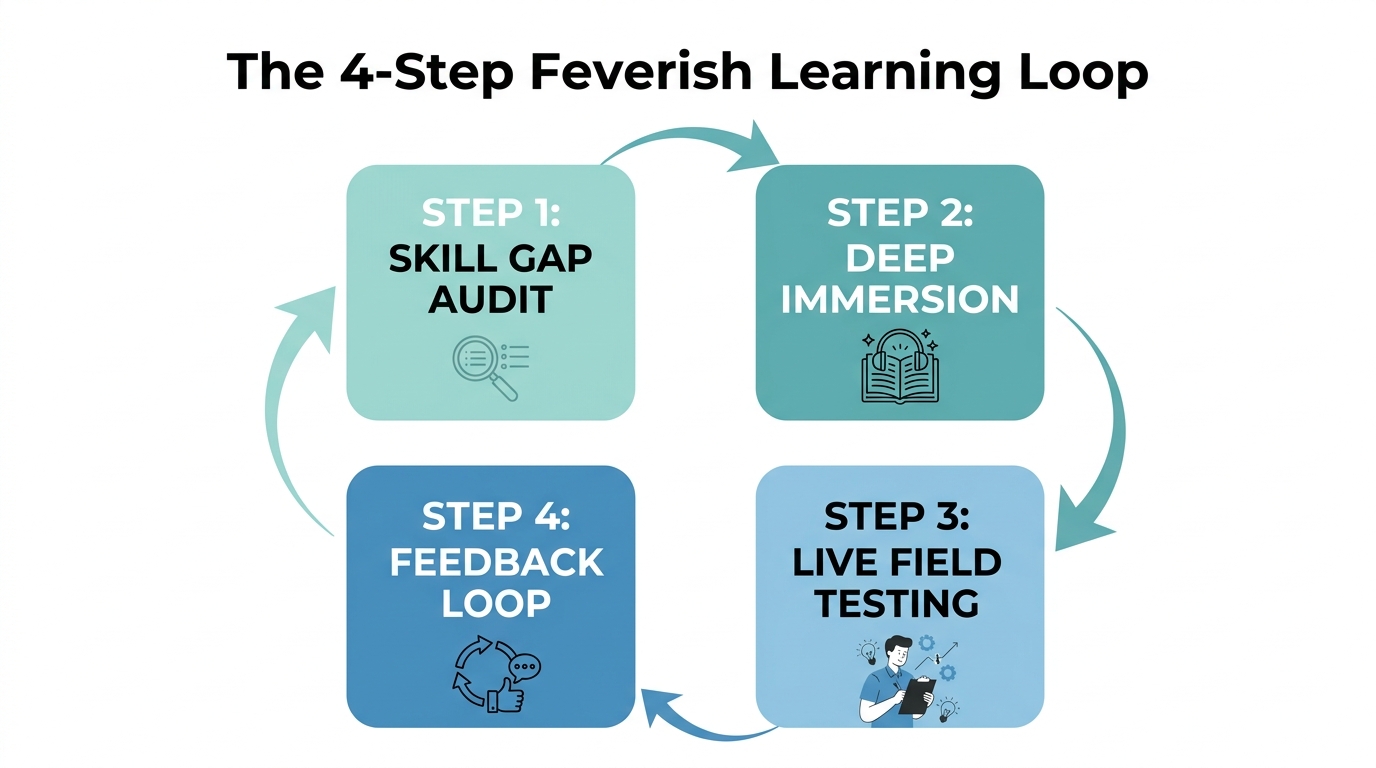
Hais Barnard often speaks about skipping the basketball courts at the Oracle campus to sit in training classes. In 2026, the technology landscape moves so fast that a salesperson who isn't a feverish learner is obsolete within six months. To sell "air" (software) at high premiums, your reps must be more than just charismatic—they must be technical experts and master negotiators.
A high-performance sales playbook for 2026 must include a mandatory "continuous learning" track. This includes:
- Mastering AI Tools: Reps should be experts at using ChatGPT or Claude to research prospects and draft hyper-personalized proposals.
- Negotiation Drills: Regular role-playing sessions to handle objections regarding pricing and integration.
- Technical Fluency: Understanding the underlying architecture of the product to speak as a peer to CTOs and engineers.
"If you were a feverish learner and you were driven by growth, it was just a platform where you could run as fast as you could. Hit the numbers, get promoted."
When you sell complex solutions, you aren't just selling a feature set; you are selling vision and certainty. That certainty only comes from deep, obsessive knowledge of the industry and the product.
Giving Up to Go Up: Transitioning from IC to Boss
16:18One of the most difficult transitions in a high-performance sales organization is the shift from Individual Contributor (IC) to Manager. Many elite sellers become "control freaks," refusing to delegate because they can do the task faster themselves. However, the Oracle model teaches us that to scale, you must "give up to go up."
As Barnard points out, if you are the smartest person in the room and you refuse to train others because it takes too long, you become the bottleneck of your own business. In 2026, the role of the sales leader is to build a machine made of people. This involves:
- Identifying the Talent: Look for the "feverish learners" who show initiative without being asked.
- Delegating Responsibility: Give them the keys early. As the anecdote about the driving range proves, those who don't ask "what's next?" but instead find the work themselves are your future leaders.
- Teaching the 'Why': Don't just show them how to use TikTok Ads Manager or Meta Ads Manager; teach them the psychology of why certain hooks work.
When you think like a boss, you become the boss. This transition is essential for any B2B growth playbook aimed at reaching 10-figure valuations. You must surround yourself with people who are better than you in specific niches—whether it's contract law, technical integrations, or creator sourcing through Stormy AI.
Actionable Steps: Setting Up a 2026 Compensation Structure
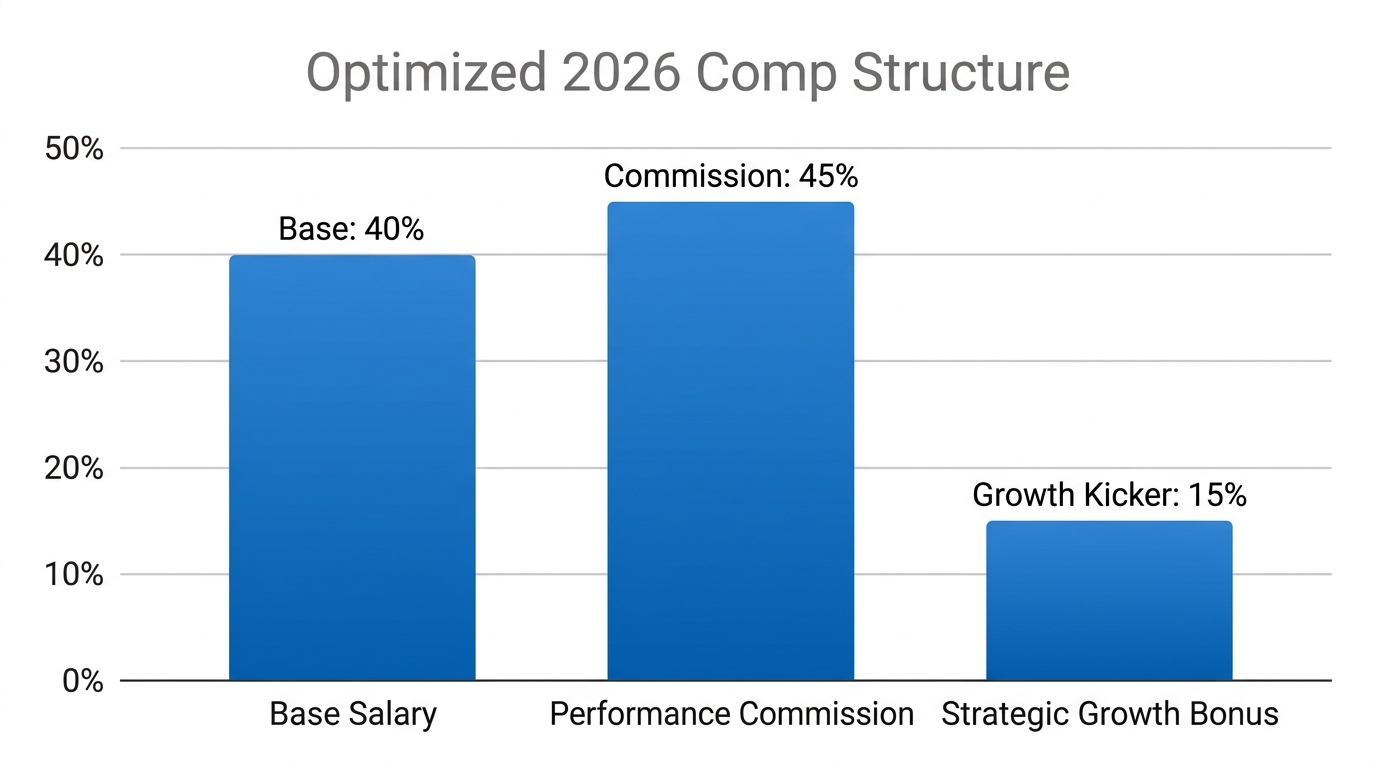
In 2026, top-tier sales talent will not work for a "safe" salary. They want high-risk, high-reward environments. If you want to build a growth engine that mirrors the success of Oracle or SolarCity, your compensation structure must be performance-linked and aggressive.
Step 1: Uncap Commissions
Never put a ceiling on what your top performers can earn. In the early 2000s, 25-year-old reps at Oracle were making seven figures because they were closing massive enterprise deals. If a rep brings in $10M in ARR, they should be wealthy. Period.
Step 2: Implement Performance-Based Equity
Use tools like Stripe or LemonSqueezy to manage your financial flows, but ensure that equity grants are tied to specific, measurable growth milestones. This aligns the sales team with the long-term vision of the founders.
Step 3: Create a Fast-Track Promotion Path
Don't make reps wait for an annual review to get a title change. If someone exceeds their quota by 200% for two consecutive quarters, they should be promoted immediately. In 2026, speed is a competitive advantage.
"The valley is the value. When all your competition dies because it got too hard, that is the moment where your company is actually creating value."
Conclusion: The Valley is the Value
Building a high-performance growth engine in 2026 requires more than just the latest AI tools—it requires a fundamental shift in mindset. By adopting the 'Bother Army' mentality, enforcing a strict meritocracy, and fostering a culture of feverish learning, you can build an organization that thrives even when the market is in a "valley."
Remember, the goal isn't just to survive; it's to gain tremendous market share while others are quitting. Use platforms like Stormy AI to automate the discovery of your next big partners, and then apply the Oracle playbook to close the deal. The companies that will dominate this year are those that combine 2026 technology with the unyielding work ethic of 1996. Go hard or go home.