In the hyper-competitive world of social platform innovation, lightning rarely strikes twice by accident. Founders and growth marketers often look at the meteoric rise of platforms like TikTok or Snapchat and attribute their success to 'viral magic.' However, deep analysis reveals that sustainable, explosive growth is less about luck and more about identifying a structural opening in the market—the elusive 'Why Now.' Identifying these windows of opportunity requires a technical understanding of how regulatory shifts, consumer behavior changes, and technological breakthroughs converge to create a vacuum that only a new product category can fill.
The 'Why Now' Framework: Analyzing the Three Pillars of Change
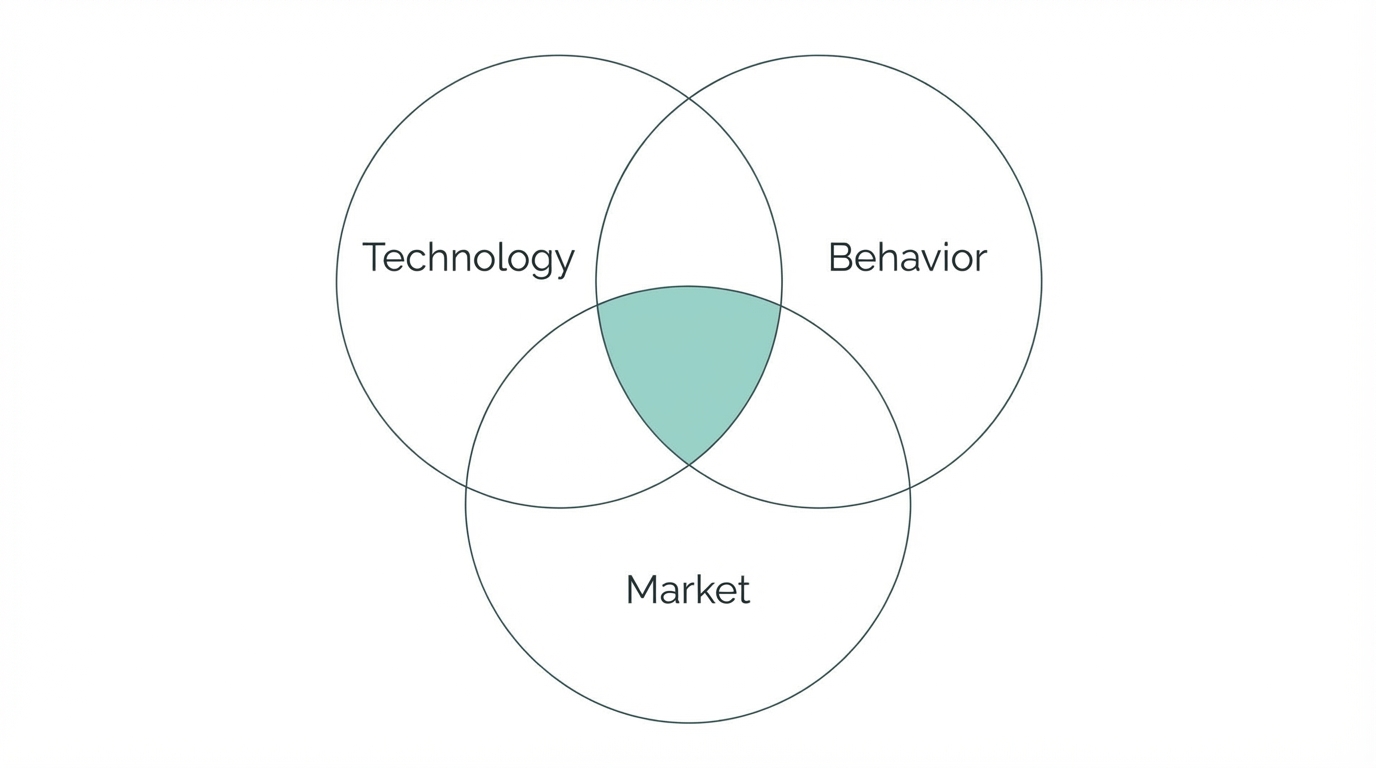

Every decade-defining platform is built on the foundation of three specific pillars: Regulatory change, Consumer Behavior shifts, and Technological advancement. When evaluating new growth marketing strategies, founders must ask why their product couldn't have existed three years ago and why it will be obvious three years from now. For instance, the rise of modern fintech and private real estate platforms like Fundrise was only possible because of regulatory shifts like the JOBS Act that democratized access to previously gated asset classes. Similarly, the move toward decentralized ecosystems depends heavily on the maturation of blockchain infrastructure.
Consumer behavior is perhaps the most volatile yet rewarding pillar. Consider the early days of Snapchat. While the world was focused on the permanence of the 'social graph' on Facebook, a behavioral shift was occurring among younger demographics. High school students, wary of parental surveillance and 'cancel culture,' began seeking ephemerality. The technology—high-quality smartphone cameras and faster mobile data—was already there, but the market trend analysis that identified the need for self-destructing media was the true 'Why Now' insight.
Hindsight Obviousness: Learning to Identify 'Weird' Insights
There is a phenomenon in social platform innovation where the most successful products look 'weird' or even 'stupid' to outsiders during their first 12 months. This 'weirdness' is actually a competitive advantage. It acts as a filter, keeping legacy incumbents away while the platform iterates within a tight-knit niche. When Product Hunt first launched, it wasn't a complex piece of software; it was a simple newsletter. The viral growth loops weren't engineered in a lab; they grew organically from a community of 'makers' who were underserved by existing tech journalism.
To find these insights, builders must lean into market trend analysis that identifies 'under-served' human instincts. Whether it is the human desire for gossip, the need for professional validation, or the thrill of discovering a new tool, these instincts remain constant while the mediums change. A successful 'Why Now' bet often involves taking a natural human behavior—like hunters finding new tools—and productizing it in a way that feels obvious only in hindsight. For modern brands, this often means moving away from broad-spectrum Google Ads and toward niche, community-driven discovery.
Systematic Flywheels: Transitioning from Art to Science
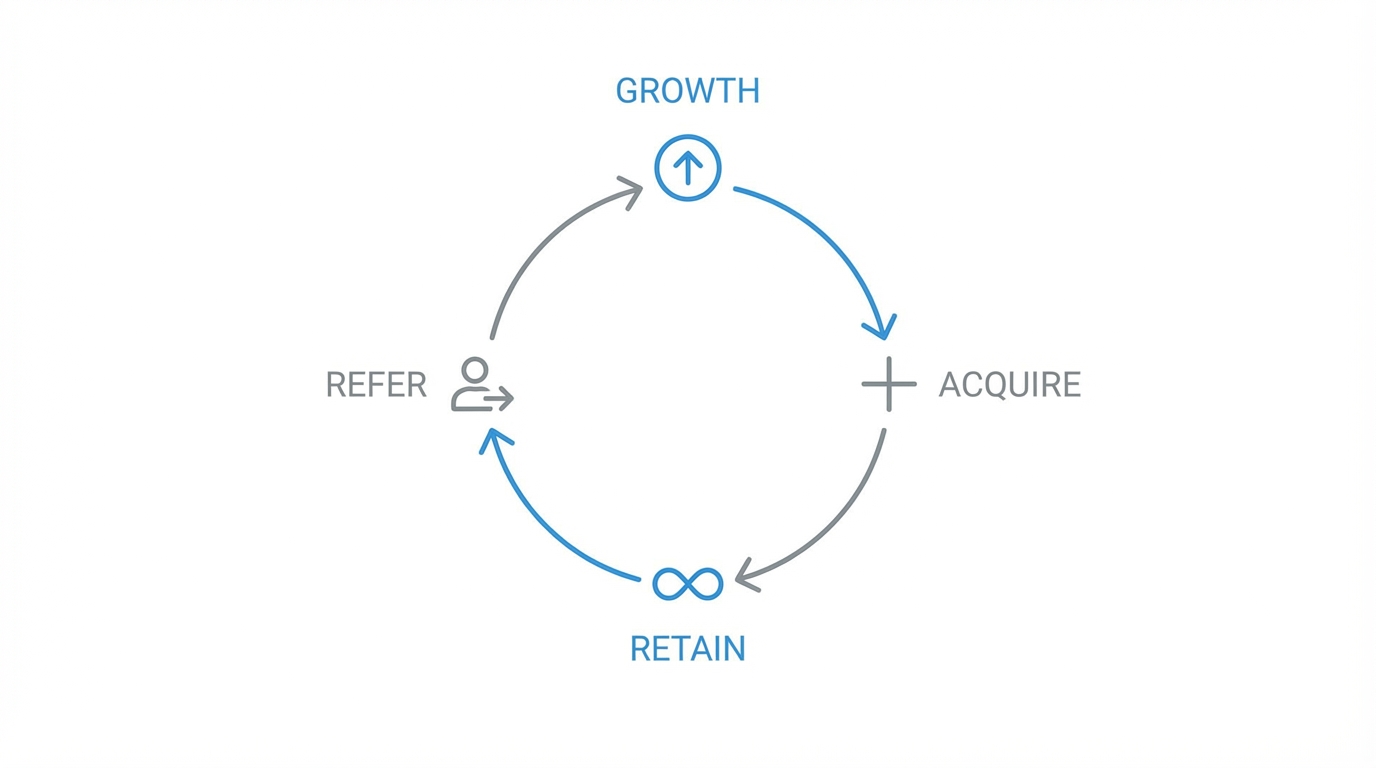

In the earliest stages, building a social product is roughly 90% art and 10% science. You are operating on intuition, community vibes, and 'doing things that don't scale,' such as hosting offline brunches or manual outreach. However, to achieve true scale, the ratio must flip to 90% science and 10% art. This is where social media analytics and data-driven growth machines take over. Once you find the 'kernel' of a community that loves your product, you must build systems to automate and optimize those interactions.
A systematic flywheel begins when the product's core action—like posting a new project—automatically triggers engagement loops. For example, when a maker launches a product, their followers should be notified via automated email systems, driving high-intent traffic back to the platform. To manage these complex relationships at scale, using sophisticated social media analytics and CRM tools is essential. Platforms like Stormy AI allow brands to source and vet the right UGC creators to fuel these flywheels, ensuring that the 'art' of creator selection is backed by the 'science' of engagement data and audience quality scoring.
The Check-to-Helpfulness Ratio: Evaluating Your Network
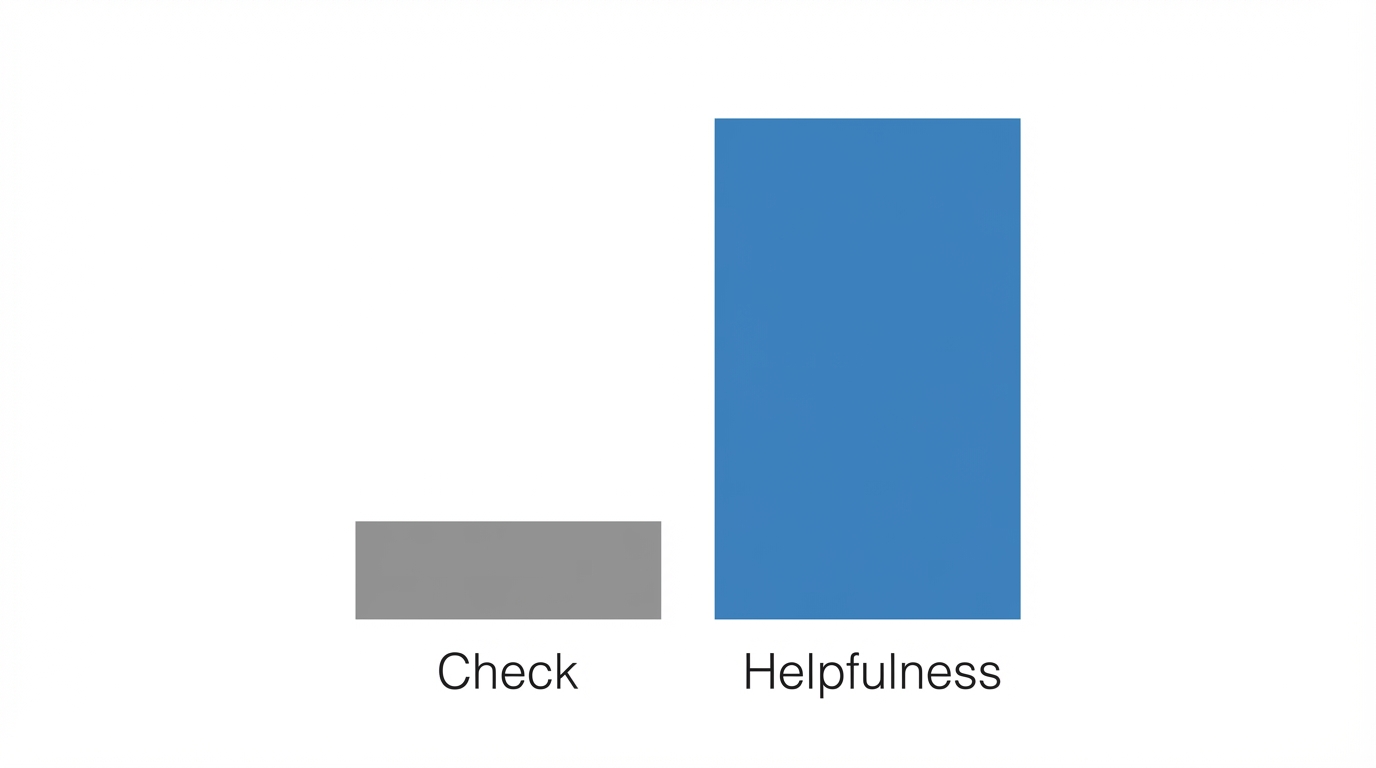
For both creators and founders, the value of a 'cap table' or a professional network isn't measured in raw capital, but in the check-to-helpfulness ratio. In an era where capital is increasingly commoditized, the real 'Why Now' for many startups is the ability to leverage a network of 'operator LPs'—individuals who can provide technical expertise in design, engineering, or sales rather than just a bank balance. Modern growth marketing strategies often rely on these networks to gain early traction without the high burn rate associated with traditional Apple Search Ads campaigns.
Founders should prioritize investors and partners who can act as a 'scout' for their brand. Platforms like AngelList have drastically lowered the friction for this type of collaborative investing. By bringing on dozens of smaller 'helpful' checks, a founder builds a built-in community of advocates who are financially and emotionally invested in the product's success. This community acts as a moat, protecting the platform during the 'weird' phase before it reaches mass-market obviousness.
Web3 and Utility: Using NFTs and 'Nesting' to Reward Holders
The next frontier of viral growth loops lies in Web3 and the concept of 'utility' beyond mere speculation. One of the most powerful innovations in this space is the 'nesting' or 'evolving' NFT. Instead of a static digital asset, these tokens reward long-term community members by changing their attributes the longer they are held. This creates a powerful incentive for retention—a core metric in any growth marketing strategy. If an NFT 'levels up' from bronze to gold based on participation, it carries prestige and value that can eventually be traded on secondary markets like OpenSea.
This 'nesting' concept can be applied to physical spaces and SaaS products alike. Imagine a co-working space or a private community where your access level or 'leaderboard' status is tied to your contribution. By gamifying the community experience—much like a video game—platforms can build loyalty that transcends traditional subscription models. Using tools like Luma to manage these token-gated events and interactions allows founders to maintain a 'high-signal' environment even as they scale.
Actionable Takeaways for Social Growth
To identify and dominate a new product category, you must be willing to be 'weird' while staying disciplined about your data. Start by identifying a technology or behavior shift that makes a previously impossible product suddenly viable. Once you have your 'kernel' of users, focus on the science of growth. If your strategy involves working with creators to drive UGC, tools like Stormy AI can help you discover, vet, and manage those relationships through an AI-powered CRM, ensuring your 'Why Now' insight translates into a sustainable viral growth loop.
Finally, always optimize for the long term. Whether you are building in Web3 or traditional SaaS, the goal is to move from art to science without losing the 'weird' soul of the product. By leveraging the right technology, like Stripe for seamless payments or Google Analytics for deep behavioral insights, you can turn a contrarian bet into a market-leading reality.