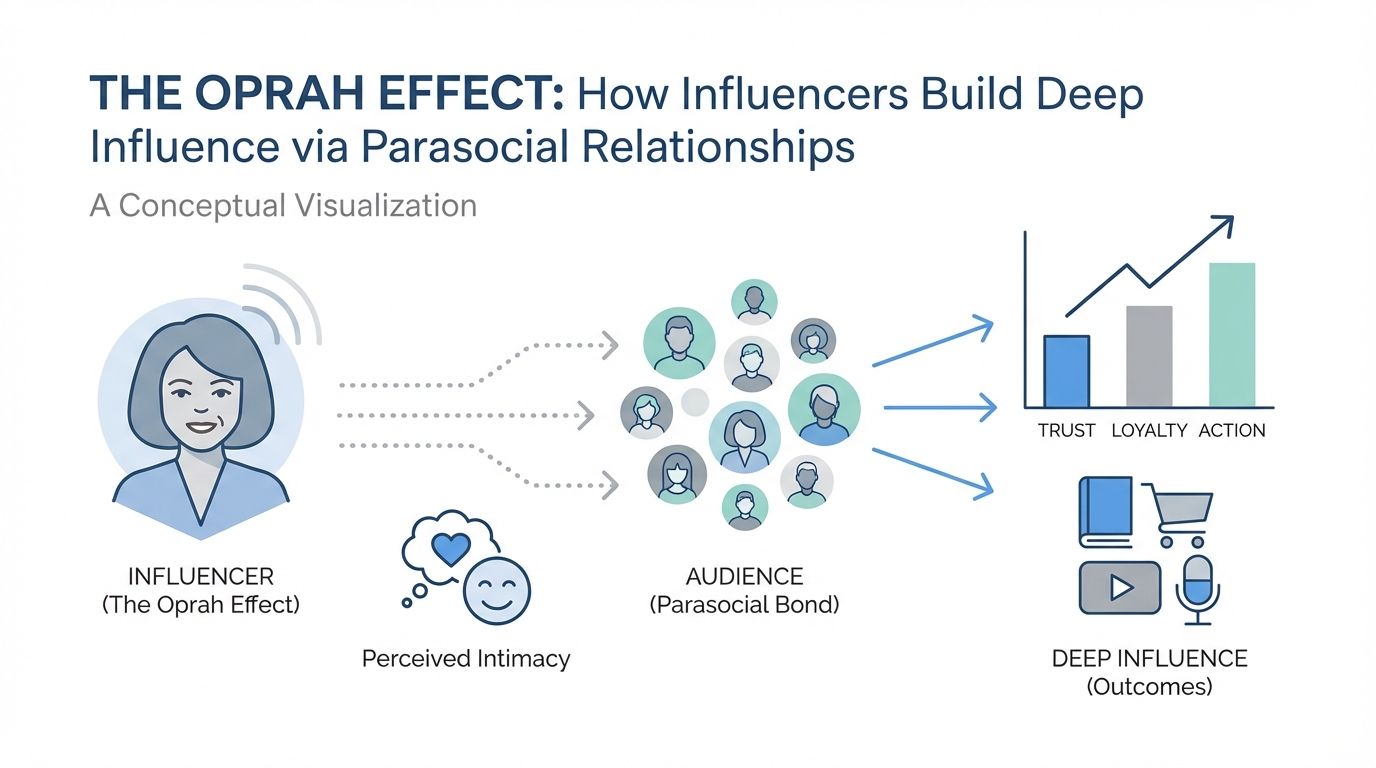
In a world drowning in digital noise, traditional advertising is failing to move the needle. You can dump millions into Meta Ads Manager and still see your brand's message ignored by a cynical audience. Why? Because people don’t trust billboards; they trust people. This shift has given rise to a phenomenon known as parasocial relationships — the deep, one-sided emotional bonds that audiences form with creators they see every day. These relationships aren't just a marketing trend; they are the engine of modern influence and persuasion. When a creator speaks, their audience doesn't see a salesman; they see a friend. Understanding how to harness this 'Oprah Effect' is the difference between a campaign that flops and one that creates a thousand-fold return on investment.
The Oprah Insight: Lunch Invites vs. Celebrity Admiration
The legendary Oprah Winfrey understood the power of the parasocial relationship long before the term became a marketing buzzword. As highlighted in various case studies featured on the Founders Podcast, Oprah realized there was a fundamental difference between a 'movie star' and a 'talk show host.' When an A-list celebrity like Brad Pitt appeared on her show, the audience responded with awe and distant admiration. They loved his movies, but they didn’t feel like they knew him. Oprah was different. People didn't just want her autograph; they wanted her to come over for lunch.
This is the core of an effective influencer marketing strategy. It’s the shift from 'I admire you' to 'I know you.' For brands, particularly those in the mobile app space, this distinction is critical. If you are running app install campaigns, you don't need a distant celebrity to hold your product. You need a creator who feels like a trusted peer. This type of influence is built on vulnerability and consistency, creating a level of influence and persuasion that traditional media simply cannot replicate. When an influencer shares their genuine life, their recommendations stop being ads and start being 'tips from a friend.'
The Power of Frequency: The Daily Habit

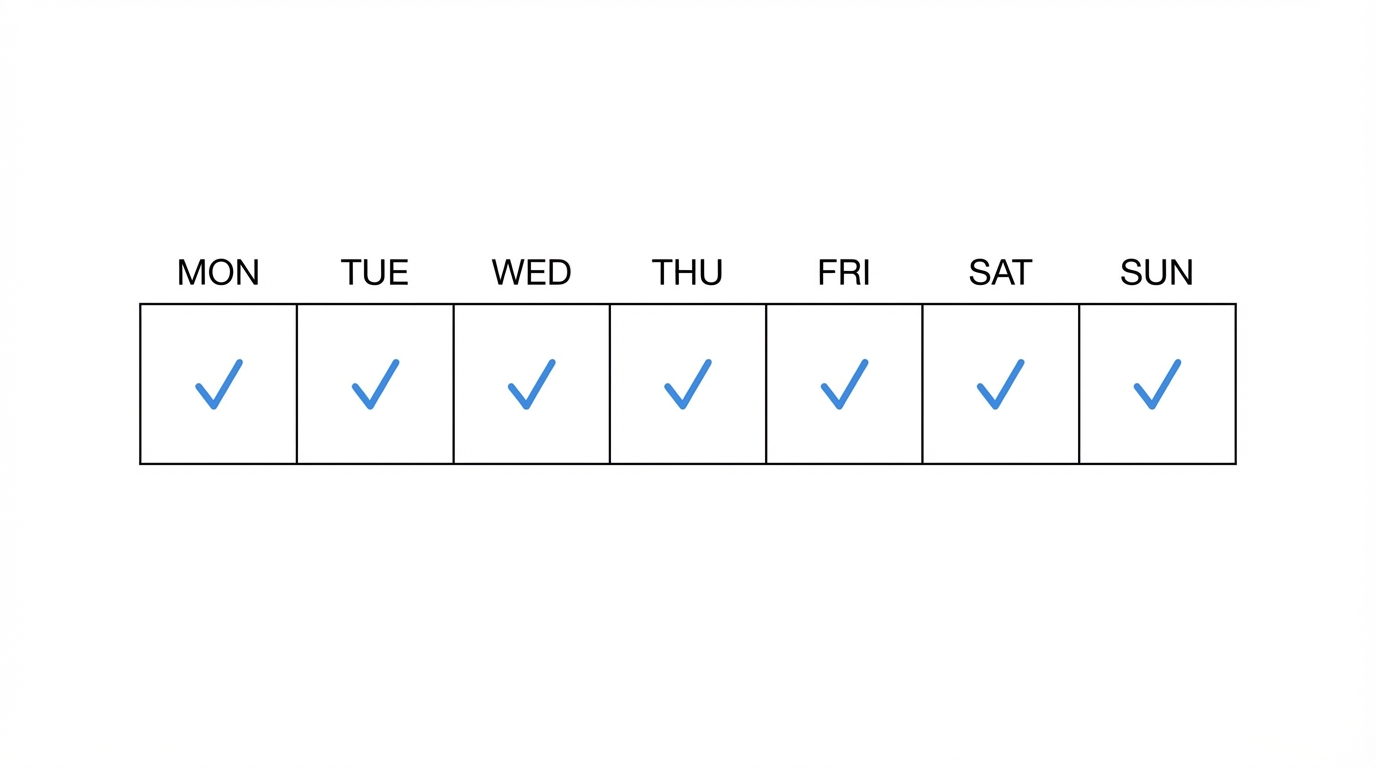
How do you build a relationship with someone you’ve never met? You show up. Frequency is the most underestimated variable in audience engagement strategies. Oprah was in her viewers' living rooms for one hour a day, five days a week. This constant presence created an intensity of relationship that a weekly or monthly appearance could never match. Platforms like Stormy AI, which functions as an AI search engine across TikTok, YouTube, and Instagram, emphasize that the most successful creators today are those who maintain a high frequency of interaction, turning their content into a daily habit for their followers.
David Senra, the host of Founders, often discusses the '10,000-hour' rule and beyond. He has read over 407 biographies of the world's greatest entrepreneurs, spending thousands of hours in their minds. This level of obsession is what creates a differentiated personal brand. When a creator shows up every day — whether through short-form videos, podcasts, or stories — they are performing what Senra calls 'practice in private' so that the public can praise them in public. For a brand, partnering with a creator who maintains this level of frequency ensures that your message isn't just a one-off hit; it becomes part of the audience's recurring daily narrative.
In the world of mobile app marketing, this frequency allows for a 'slow drip' of education. Instead of a 30-second spot on Google Ads, an influencer can weave the app's utility into their life over weeks. This builds stickiness. The more frequently an audience sees a creator use a tool, the more the audience views it as essential. This is why creators who post daily often see conversion rates that are orders of magnitude higher than those who post sporadically.
Differentiation Over 'Best': The Edwin Land Rule

When building a personal brand, many people make the mistake of trying to be the 'best' in their niche. However, being the best is subjective and highly competitive. Edwin Land, the founder of Polaroid and a personal hero to Steve Jobs, had a better motto: "Don't do anything someone else can do." This principle of radical differentiation is what makes an influencer's audience unstealable.
If you are an influencer, or a brand looking to hire one, you shouldn't look for someone who is slightly better than the competition. You should look for someone who is doing something else entirely. This is how you achieve influence and persuasion that lasts for decades. Steve Jobs famously treated his visits to Edwin Land like 'visiting a shrine' because Land had created a category of one. When a creator is truly differentiated, they don't have competitors; they only have fans. This makes their parasocial relationship with their audience even stronger because the audience cannot find that specific 'soul' or 'vibe' anywhere else.
For companies using Stormy AI to discover creators, the focus should be on this 'soul of the creator.' By typing natural-language prompts like "creators with an obsessive focus on productivity," brands can find influencers whose authenticity acts as a moat. It ensures that the influencer's endorsement carries the weight of their entire personal history and reputation, making it far more valuable than a generic ad placement on Apple Search Ads.
Price-Insensitive Audiences: Optimizing for Depth
A common trap in influencer marketing strategy is focusing solely on download counts or reach. While reach is important for awareness, depth is what drives revenue. David Senra shares a story about Sam Hinky, who pointed out that many creators sell their influence too cheaply. Hinky noted that a podcast with a small but highly specialized audience — such as elite entrepreneurs or investors — has a price-insensitive audience. One episode of a high-trust podcast once helped an entrepreneur raise $750 million because the audience wasn't just 'listening'; they were 'believing.'
This is a vital lesson for mobile app developers. If you have a high-ticket app or a service that caters to a specific professional niche, a creator with 5,000 deeply connected fans is worth more than a creator with 500,000 casual followers. When an audience is price-insensitive, it means the level of trust is so high that the cost of the product becomes secondary to the value of the creator’s recommendation. Creators who monetize via platforms like Patreon often discover this early; as seen on data from Graphreon, specialized 'socialist' or 'business' podcasts often out-earn mainstream shows by charging for exclusive, deep-dive content.
When you build an influencer marketing strategy around depth, you are investing in 'earned secrets.' These are insights that the creator has gained through years of obsession — like James Dyson's 5,127 prototypes for his vacuum or Sam Walton's 50-year grind to build Walmart. When a creator shares these secrets, they are transferring hard-earned wisdom to their audience. This creates a value exchange that goes far beyond entertainment; it becomes a form of essential education that the audience will pay a premium to access.
Measuring 'Stickiness' with AI Analytics
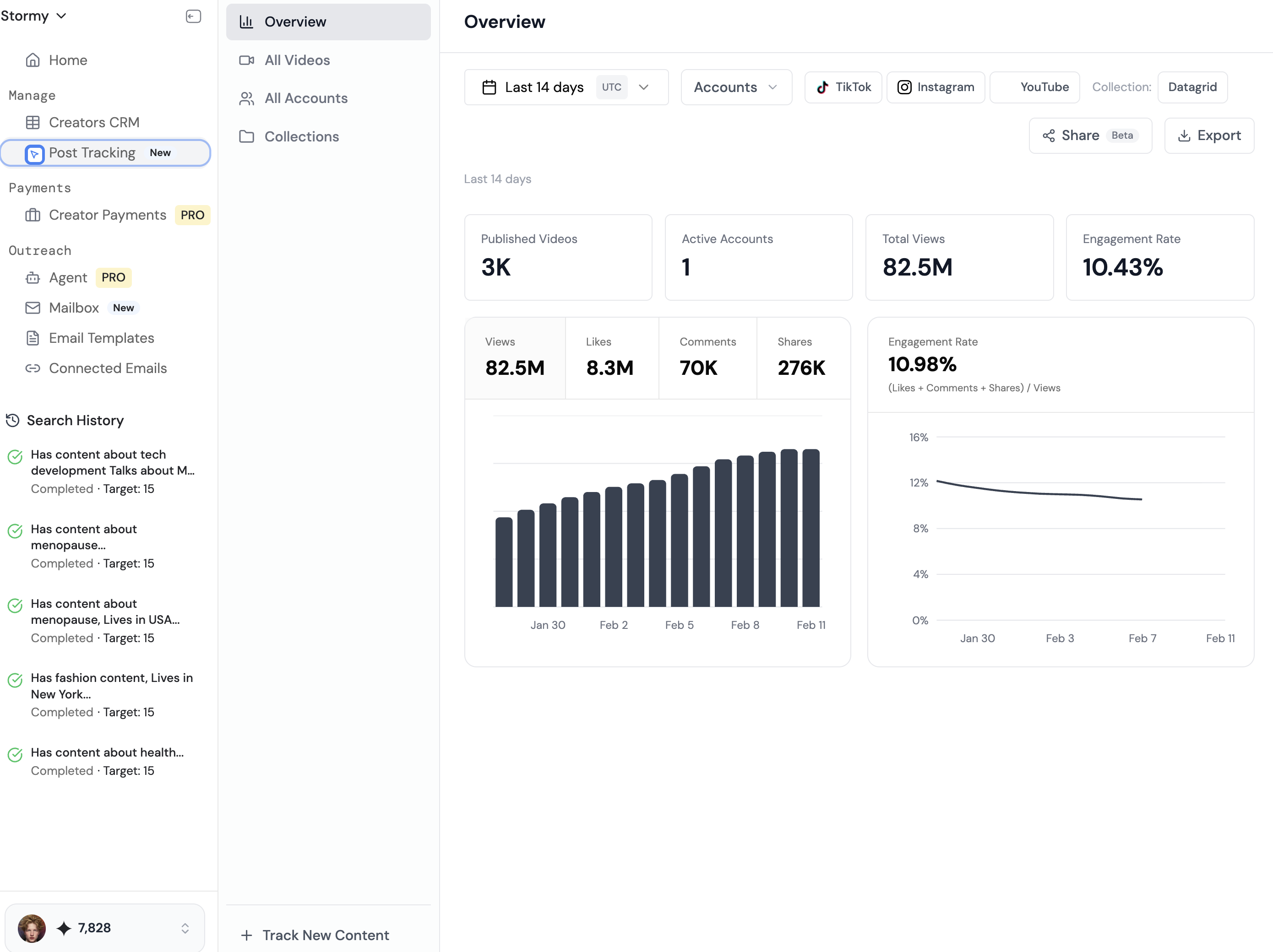

How do you measure the 'soul' of a creator or the trust level of an audience? While traditional metrics like likes and shares are a starting point, they are often 'garbage' in the words of top-tier entrepreneurs. To truly understand parasocial relationships, you need to look at stickiness and long-term retention. Stormy AI allows brands to look past the surface-level vanity metrics by providing AI-powered vetting that detects fake followers and engagement fraud automatically.
True stickiness is found in the 'back catalog.' If an audience is consistently going back to listen to or watch a creator’s older content, it is a sign of a deep, durable relationship. This is the 'Rockefeller approach' to business — realizing that the posted rates of advertising are often a lie, and the real value lies in the rebates of trust and long-term association. By using Stormy AI, which provides comprehensive post-tracking analytics to monitor real-time campaign performance, app marketers can find UGC creators who don't just produce one-off viral hits but who have built a 'virtuous cycle' of high-quality humans attracting other high-quality humans.
Effective audience engagement strategies are about finding creators who have a 'singular career.' These are people who, like Daniel Ek of Spotify, are 'easy to help because they are easy to understand.' When a creator’s obsession is clear — whether it's reading biographies or selling chicken fingers like Todd Graves of Raising Cane's — their audience knows exactly what they stand for. This clarity makes the influence and persuasion process seamless. The audience doesn't have to guess if the creator actually likes the product; the creator’s entire history is the proof.
The Soul of the Founder: Authenticity as a Moat

The final component of the Oprah Effect is unfiltered authenticity. Patrick O'Shaughnessy and David Senra often discuss the importance of 'recording the conversation' rather than 'conducting an interview.' The goal is to capture the soul of the founder. In influencer marketing, this means allowing creators the freedom to be their 'crazier' or more 'intense' selves. As Senra notes, many high-performers feel 'intolerable for people who are casual.' This intensity is exactly what builds a rabid fan base.
Brands often make the mistake of trying to 'mold' a creator's voice to fit a corporate script. This destroys the parasocial relationship instantly. To maintain influence and persuasion, the creator must remain differentiated. This is why UGC (User-Generated Content) is so effective for mobile app ads. It looks and feels like a real person having a real moment, not a polished marketing asset. When a creator uses Stormy AI to manage their collaboration history through a built-in CRM, they can maintain that consistency across years of partnerships without losing their unique voice.
This 'soul' is what prevents megalomania — the fourth trap that ruins success. When creators and founders stay focused on the work rather than the external metrics, they remain grounded and relatable. They don't view their audience as 'numbers' but as relationships. This is the difference between a 'media company' and a 'relationship builder.' If you are building a personal brand, your goal should be to be 'consistently not stupid' over decades, slowly accumulating wisdom and trust that can be leveraged to help your audience and your partners succeed.
Conclusion: The Playbook for Deep Influence
The 'Oprah Effect' isn't a mystery; it’s a blueprint for building parasocial relationships through frequency, differentiation, and radical authenticity. To 100x your marketing impact, stop looking for broad reach and start looking for deep influence. Whether you are an influencer building a personal brand or a brand manager developing an influencer marketing strategy, the rules are the same:
- Optimize for Frequency: Show up often enough to become a daily habit.
- Demand Differentiation: Follow the Edwin Land rule and do what no one else can do.
- Prioritize Depth: Focus on high-trust, price-insensitive audiences over vanity metrics.
- Protect the Soul: Never sacrifice authenticity for a polished corporate image.
By shifting your focus from 'selling' to 'relationship building,' you tap into a form of persuasion that is immune to ad-blockers and cynical scrolling. In the long run, the creators who win are those who realize that their biggest asset isn't their follower count — it's the depth of the trust they’ve earned through years of obsession and consistency.