In early 2026, the landscape of Go-To-Market (GTM) strategy has shifted from manual outreach to autonomous execution. As Jensen Huang recently noted, every company now requires an "open claw" strategy, effectively treating AI agents as the "new computer." For growth leaders and marketing operations teams, the choice between open-source autonomy via OpenClaw and ecosystem-integrated tools like Claude Co-work (powered by Anthropic's latest models) is the most critical infrastructure decision of the year.
While generic LLMs provided the spark, true GTM strategy automation requires digital employees that can browse the web, manage CRMs, and execute follow-ups while you sleep. However, for specialized workflows like influencer marketing, even the most robust general agents often fall short compared to purpose-built platforms like Stormy AI, which combines agentic discovery with industry-specific vetting. In this guide, we break down the technical and strategic differences between OpenClaw and Claude Co-work to help you build a high-performance marketing machine.
The 'Heartbeat' vs. Persistent Conversation: Defining Autonomy
 5:47
5:47The fundamental difference between OpenClaw and Claude Co-work lies in their operational model. OpenClaw operates on a "Heartbeat" system—a 30-minute recursive timer that wakes the agent up to check for tasks, update logs, and maintain system health. This makes it a truly autonomous digital employee. Unlike a chat interface that waits for your input, OpenClaw is proactive.
In contrast, Claude Co-work (and its Dispatch feature) focuses on persistent conversation. While it lives locally on your machine and can read/write files, it is primarily designed to be a high-context collaborator. While Anthropic has moved closer to autonomy in 2026, it still lacks the raw scheduling power of OpenClaw's built-in cron jobs.
| Feature | OpenClaw | Claude Co-work | Stormy AI |
|---|---|---|---|
| Primary Interaction | Telegram/WhatsApp/Slack | Desktop App / Dispatch | Web UI & AI Agent |
| Autonomy Level | High (Heartbeat/Crons) | Medium (Collaborative) | Full (Autonomous Outreach) |
| Workflow Focus | Custom Scripts/Automation | Coding & File Management | Influencer GTM & ROI |
For growth teams, Stormy AI offers a middle ground that captures the best of both worlds. While OpenClaw requires manual configuration of heartbeat files, Stormy AI features an autonomous AI agent that discovers, outreaches, and follows up with creators daily on a schedule—no coding required.

Superior Browser Automation for Marketing Ops
25:47In 2026, marketing operations software is only as good as its ability to interact with the live web. OpenClaw utilizes three distinct browser methods: a simple API-based WebFetch, a Managed Browser (which creates a separate profile for security), and a Chrome Relay. For GTM leads, the Managed Browser is a game-changer. It allows the agent to log into tools like TikTok Ads Manager or e-commerce backends like Shopify to pull real-time data or even order physical samples for UGC creators.
"The true power of an AI employee isn't just writing copy; it's the ability to navigate a browser, fill out forms, and interact with the web as a human would."
Claude Co-work has improved its tool-use capabilities, but it remains more "boxed in" by safety filters and ecosystem constraints. OpenClaw allows for custom marketing workflows, such as competitor price tracking or scraping YouTube channels for high-performing content ideas. However, these custom scrapes often result in "AI slop" if not properly filtered. This is why many agencies prefer Stormy AI for creator-specific tasks; it uses vetted data to ensure you are only contacting high-quality influencers, rather than scraping every random profile found on the web.
Security and Data Ownership: Local vs. Cloud
34:47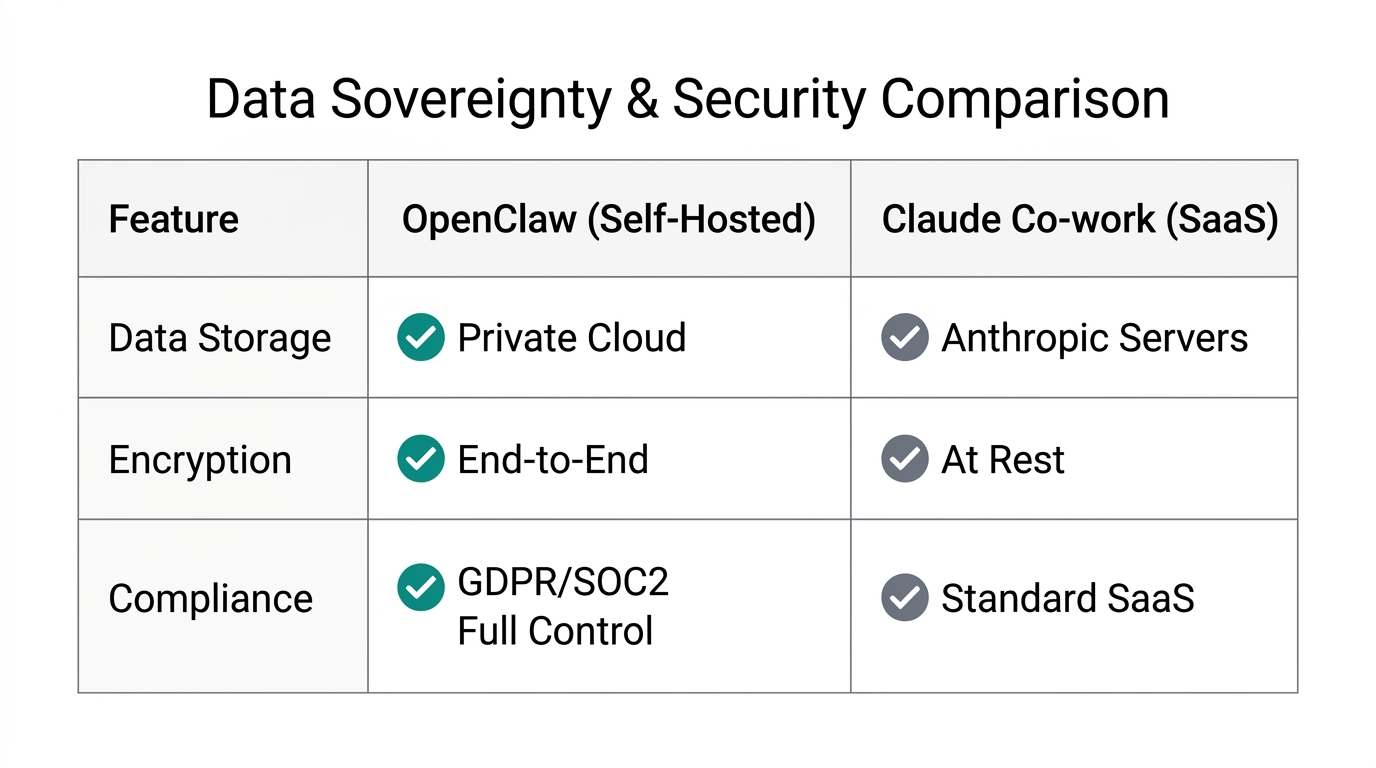
For companies handling proprietary customer acquisition data, security is non-negotiable. OpenClaw's greatest strength is that it can run entirely on a local Mac. This significantly reduces the attack surface compared to a Cloud VPS. By keeping your .env files and API keys outside of the agent's immediate workspace, you can mitigate the risk of prompt injection—a technique where malicious emails or websites try to hijack your agent's instructions.
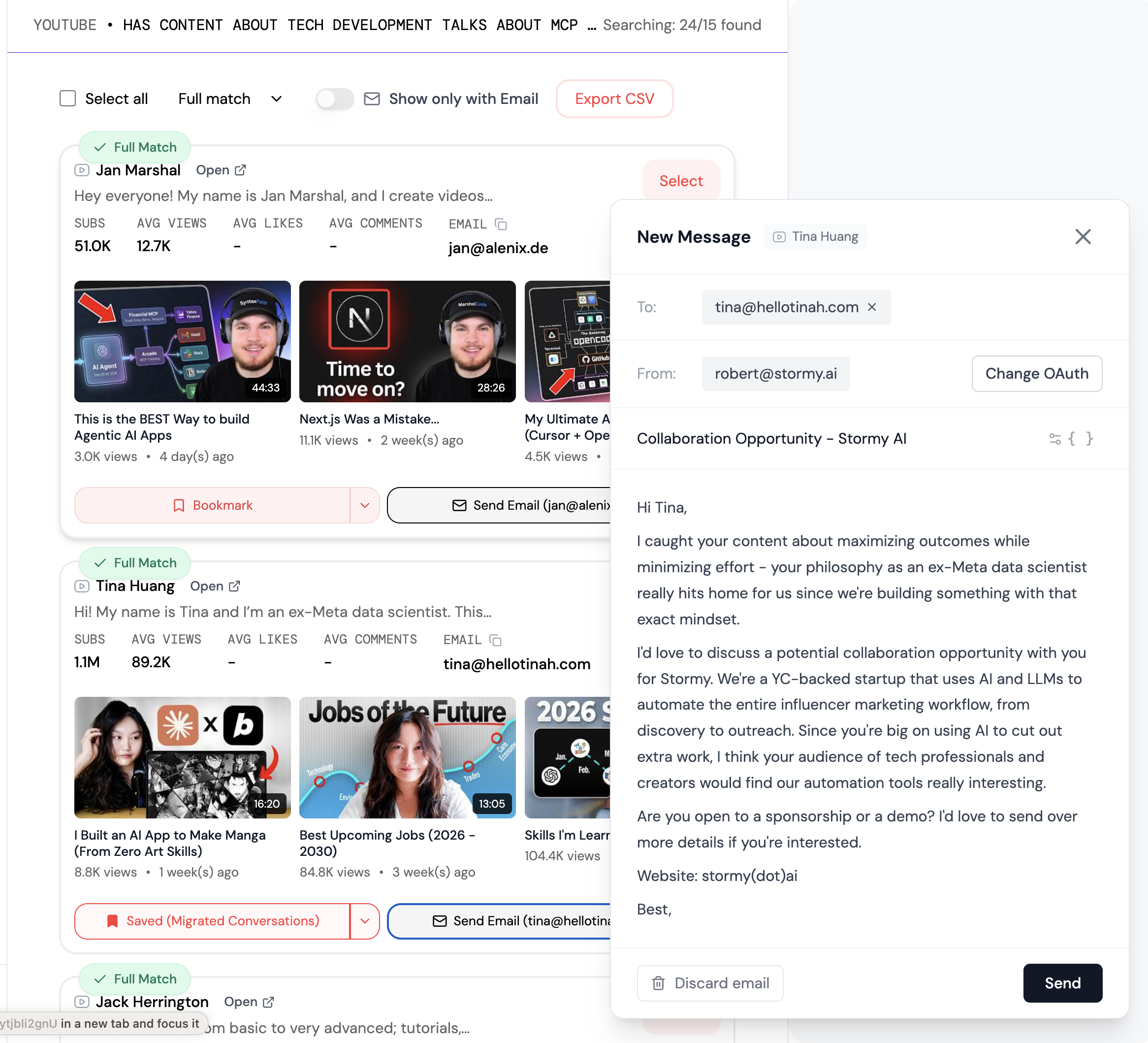
Claude Co-work offers a high degree of security by running locally, but it still communicates heavily with Anthropic's servers for inference. For highly sensitive GTM operations, OpenClaw allows you to swap in open-source models via OpenRouter, ensuring your data flow remains within your control. Stormy AI reinforces this security-first mindset by providing a built-in AI email inbox, allowing you to manage creator conversations in a secure, centralized environment without exposing your personal Gmail credentials to the wider web.
Choosing the Right Model: OAuth vs. API Costs
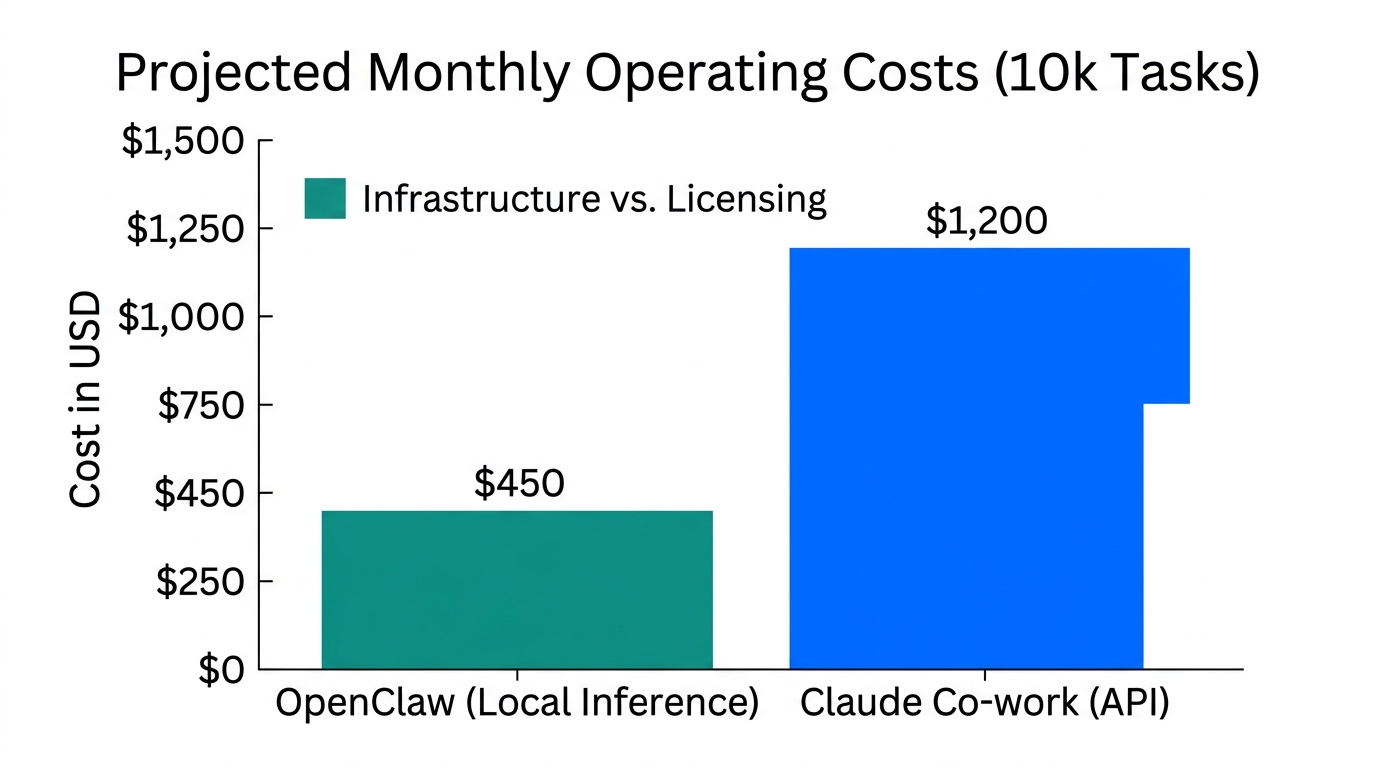
High-volume GTM strategy automation can become prohibitively expensive if you rely solely on pay-per-token API pricing. In 2026, a common strategy to 10x your ROI is using the OAuth method. This connects your OpenClaw agent directly to your OpenAI or Anthropic $20/month subscription, leveraging those usage limits instead of paying raw API fees.
Model Recommendations for 2026:
- Primary Brain: GPT-5.4 or Claude 4.6 Opus. These provide the reasoning capabilities required for complex CRM management.
- Fallback Brain: Sonnet 4.6 or Llama 4. This ensures that if your primary model hits a rate limit or has a "brain fog" moment, the heartbeat script can switch models and continue working.
- Task-Specific Brains: Use smaller, faster models like Haiku for simple transcription or summarization tasks to save on latency.
While managing these "backup chains" in OpenClaw is powerful, it is also a technical burden. Stormy AI simplifies this by handling the model routing on the backend. You get the best-in-class reasoning of top-tier models without the need to manually configure fallback JSON files.
"2026 is the year of the 'Backup Brain'. If your GTM automation doesn't have a model fallback strategy, your business is one API outage away from a total standstill."
Building a "No AI Slop" GTM System
The goal of AI growth marketing tools in 2026 is to eliminate "slop"—generic, low-value content and outreach that ruins brand reputation. A sophisticated OpenClaw setup achieves this through a 7-step content and CRM system:
- Idea Capture: Automatically scraping top-performing channels on YouTube and TikTok.
- Personalization Files: Updating
soul.mdanduser.mdso the agent knows your unique voice. - Automated CRM: Syncing leads from Google Sheets to WhatsApp and Gmail.
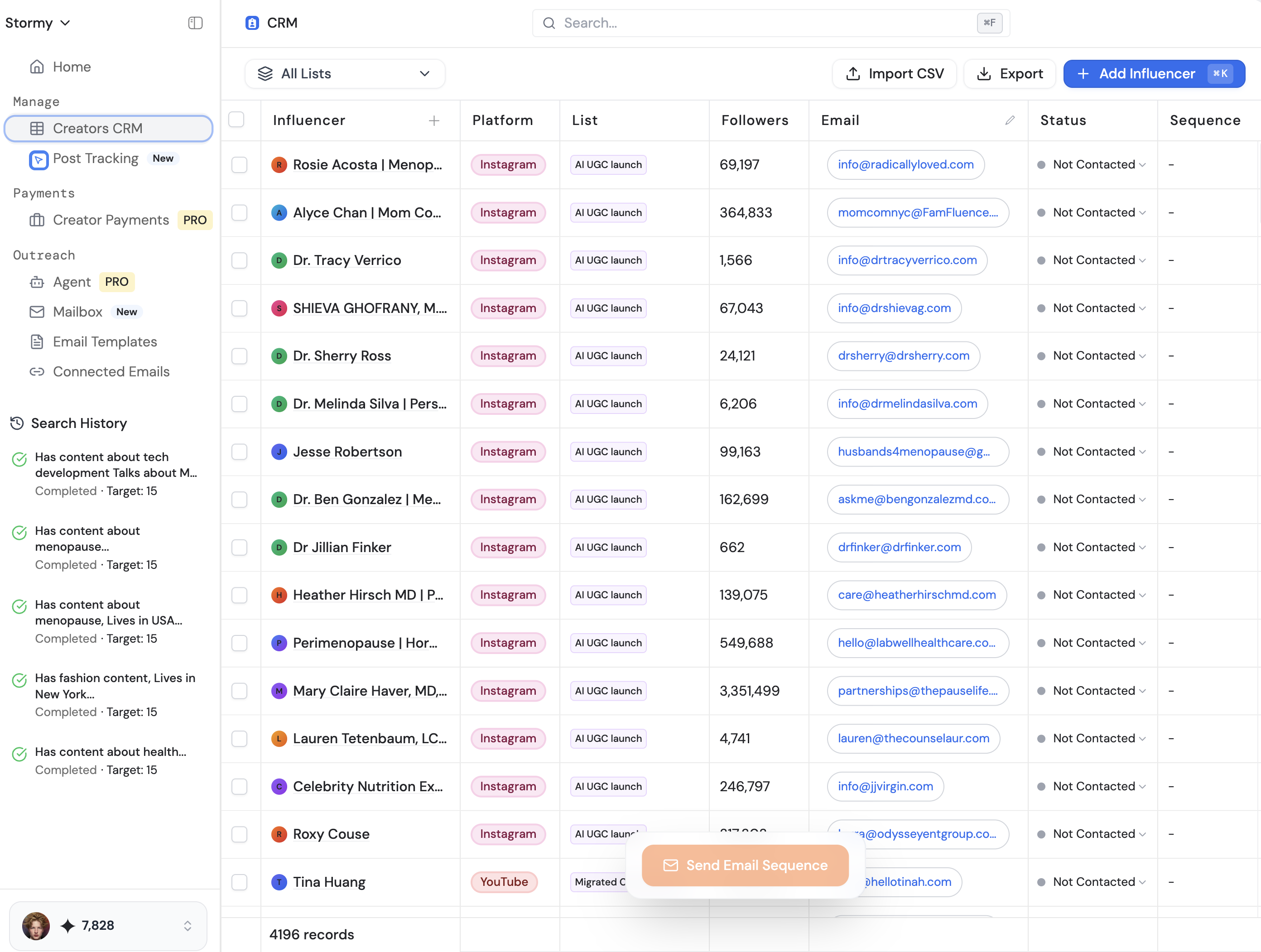
While OpenClaw is excellent for general task management, Stormy AI is the clear winner for Influencer GTM. It includes a Creator CRM specifically designed for the nuances of influencer marketing—tracking deal stages, negotiation history, and payments all in one place. This specialized focus prevents the "context drift" often seen in generic agents.
The Verdict: OpenClaw or Claude Co-work?
50:47Deciding between OpenClaw vs Claude Co-work depends on your technical appetite and specific GTM needs. If you want a highly customizable, open-source agent that you can modify at the source-code level, OpenClaw is your "Linux" of AI employees. It is the choice for engineers building complex, cross-platform automation.
However, if you are a growth leader focused on speed to market and reliable ROI, Stormy AI offers a superior, out-of-the-box solution for the most lucrative GTM channel of 2026: creator marketing. By combining the autonomous power of an agent with the precision of a dedicated influencer platform, Stormy AI ensures your outreach is hyper-personalized and your data is always fraud-free.
As the "agentic era" matures, the companies that thrive will be those that transition from using AI as a search engine to using it as a proactive employee. Whether you choose the open-source path or a specialized platform like Stormy AI, the time to wire up your 2026 GTM machine is now.