In 2026, the digital advertising landscape has undergone a seismic shift from passive dashboards to execution agents. Growth teams are no longer just monitoring charts; they are deploying autonomous systems like OpenClaw (formerly Moltbot) to manage millions in ad spend. While agentic workflows report saving an average of 12 hours per week per client, this autonomy comes with significant risks. Without proper security protocols, your AI agent can quickly turn from a high-performing teammate into a liability that drains your budget or triggers permanent account bans. This guide outlines the critical security architecture required to protect your OpenClaw budget protection strategy and ensure long-term stability.
Understanding the Public Gateway Vulnerability (CVE-2026-25253)
The most pressing risk for modern growth leads is CVE-2026-25253, commonly known as the "Public Gateway" vulnerability. Many performance marketers, eager to deploy their agents, mistakenly run OpenClaw on a public port (usually 18789) without adequate password protection. This oversight allows malicious actors to perform WebSocket hijacking, essentially taking over the agent's connection to the Google Ads API.
When an agent is hijacked, the attacker doesn't just steal data; they can execute commands as if they were you. This could mean shifting your daily budget to fraudulent keywords or pausing high-performing campaigns to favor a competitor. According to research from DoubleVerify, hundreds of ad accounts were compromised in early 2026 due to exposed OpenClaw instances. Securing your gateway is not optional; it is the foundation of AI agent security for marketers.
"In 2026, the competitive advantage doesn't go to the marketer who writes the best prompts, but to the one who deploys the most efficient autonomous systems." — Industry Insight from Stormy AI.
Securing Your Gateway: Tailscale and SSH Tunnels
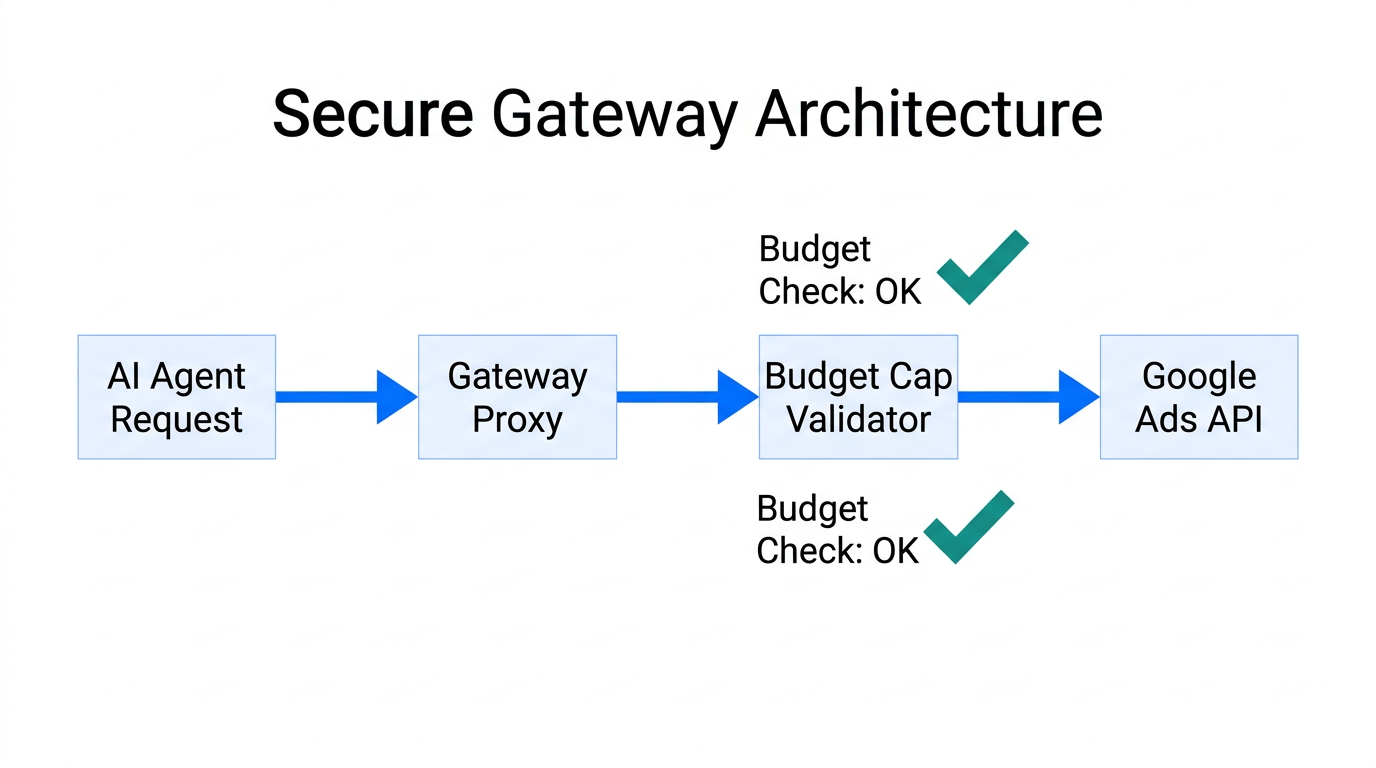
To prevent unauthorized access, you must restrict your OpenClaw gateway to a local environment. The industry standard is to bind the gateway to 127.0.0.1 rather than 0.0.0.0. This ensures that the agent only listens to requests coming from the machine it is hosted on. For remote access, growth teams should utilize Tailscale, which creates a secure, private mesh network across your devices.
Alternatively, using an SSH tunnel provides a robust layer of encryption. By tunneling your traffic, you ensure that even if a malicious site attempts a WebSocket exploit, they cannot reach the agent's execution core. Experts at AdvenBoost recommend hosting your agent on a dedicated VPS like DigitalOcean to isolate it from your main corporate network. This isolation prevents a single point of failure from compromising your entire marketing stack.
API Compliance: Avoiding 'Backdoor' Bans
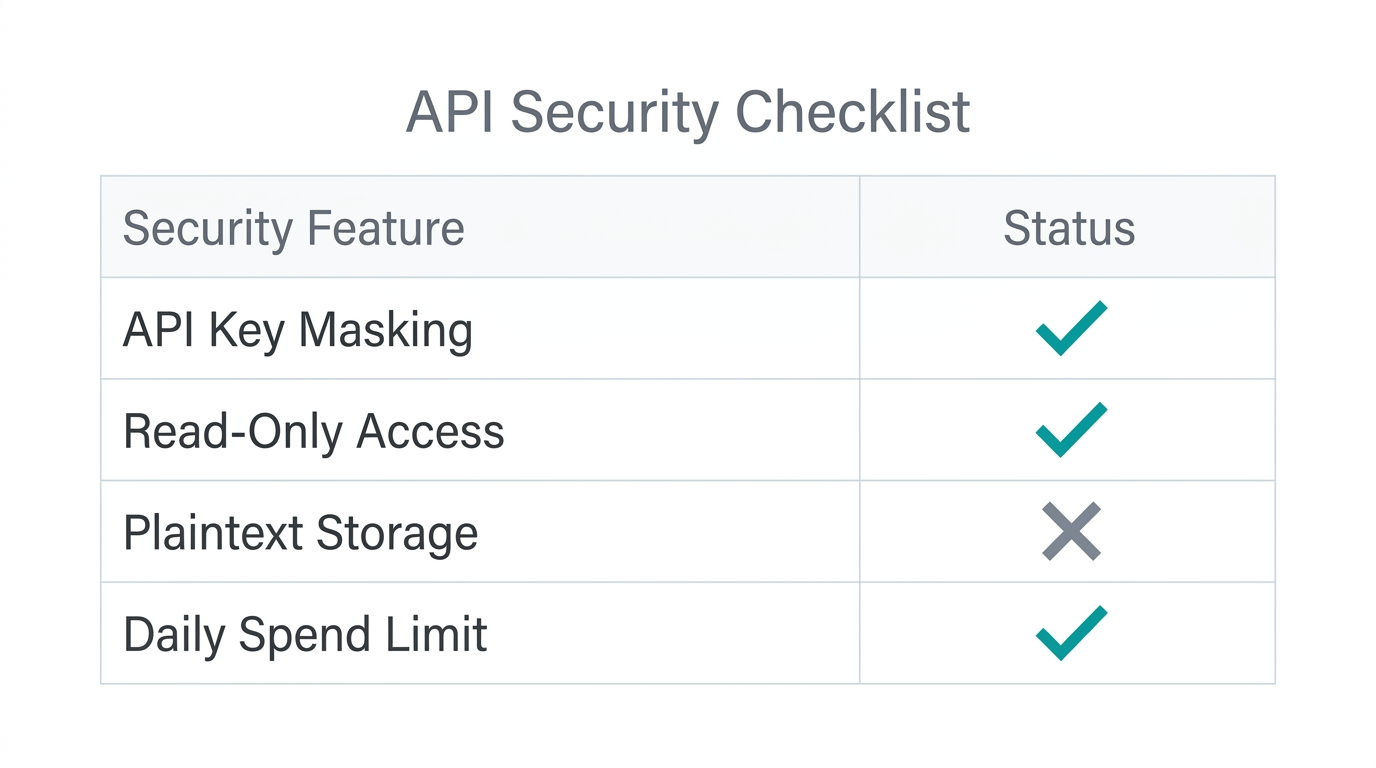
A common mistake that leads to account termination is the use of subsidized or "leak" API tokens. In early 2026, Google began a massive crackdown on accounts using Google Antigravity tokens—developer-tier credits intended for testing—to run commercial ad campaigns. These "Backdoor" methods are easily detected by Google's automated auditing systems.
To ensure Google Ads API best practices, always use your own paid API keys. Relying on legitimate keys from providers like OpenAI or Anthropic ensures that your agent is operating within the terms of service. Platforms like Stormy AI emphasize that while automated tools can find the right creators and keywords, the underlying infrastructure must be built on compliant, paid access to avoid losing your most valuable marketing assets.
| Security Tier | Risk Level | Protection Method | Recommended For |
|---|---|---|---|
| Public Port | Critical | None (Password Only) | Avoid at all costs |
| Basic SSH | Medium | Encrypted Tunneling | Technical Founders |
| Tailscale Mesh | Low | Private Network Isolation | Growth Agencies |
| VPS Isolation | Low | Environment Sandboxing | Enterprise Teams |
Managing Memory Bloat and Token Costs
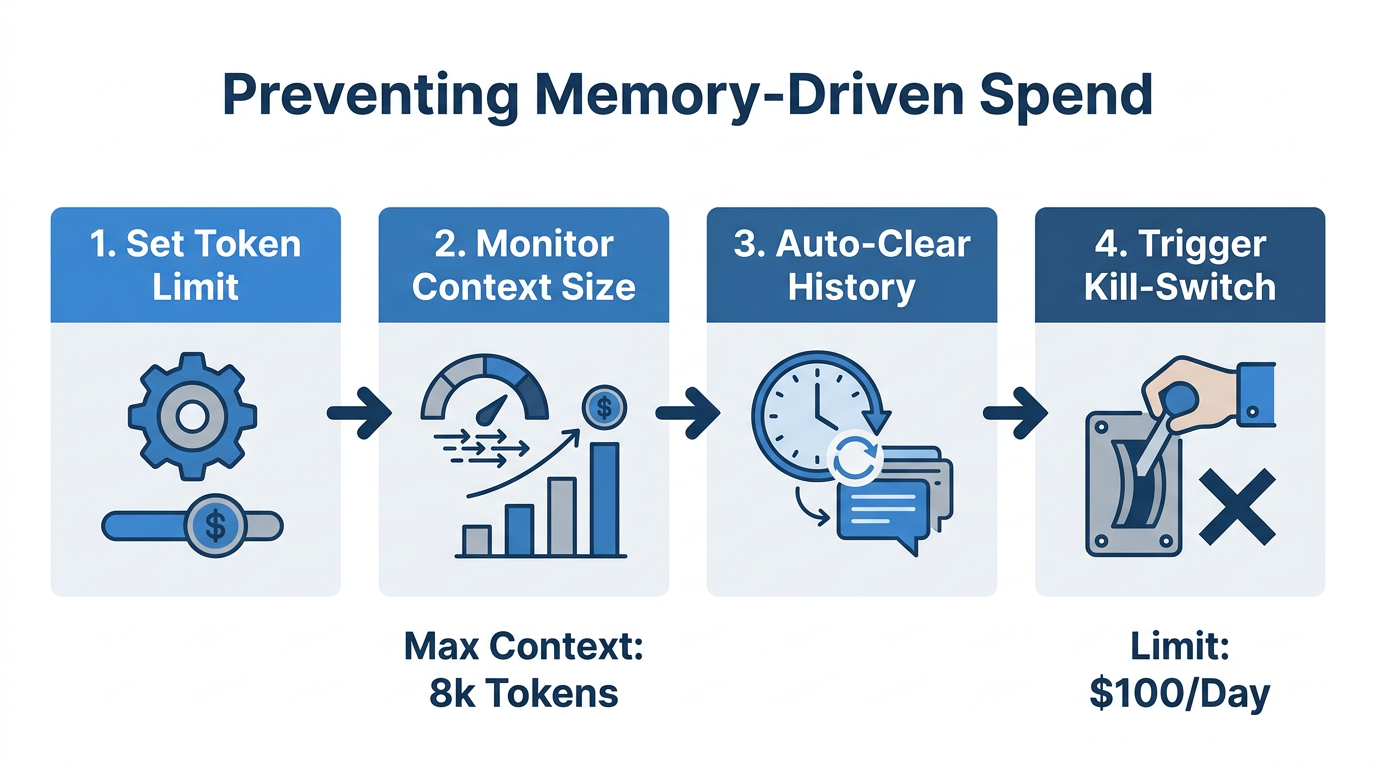
As an OpenClaw agent runs, it accumulates data in its MEMORY.md file. Over time, this file can grow to several megabytes, leading to "Memory Bloat." This is not just a technical nuisance; it directly impacts your bottom line. Larger memory files mean more tokens are sent to the LLM with every request, significantly increasing your API costs and slowing down the agent's response time.
To optimize your OpenClaw memory optimization, implement a decay architecture. This involves a script or "Skill" that automatically prunes the memory file. A common rule of thumb is to remove any information over 2KB that hasn't been referenced in 14 days. This keeps the agent's context window focused on recent performance trends rather than stale data from three months ago. Systems like Notion or custom databases can be used to archive long-term performance logs outside the agent's active memory.
"The transition from SaaS to Agent-as-a-Service marks the point where software stops being a tool and starts being a teammate." — Peter Steinberger, Creator of OpenClaw.
Implementing Self-Correcting Spend Stabilization
The greatest fear of any growth lead is waking up to a $50,000 bill because an agent miscalculated a bid. To prevent ad budget drain, you must implement hard-coded guardrails within your agent's logic. One of the most effective methods is the 10% Spend Stabilization Threshold.
Step 1: Define the Pacing Logic
Your agent should calculate the expected spend for the current hour based on the daily budget. If the actual spend exceeds this expectation by more than 10%, the agent should be programmed to automatically lower bids across the board or pause the highest-spending asset groups until the next billing cycle. This can be managed via Google Ads API scripts.
Step 2: The 'Zero-Conversion' Filter
Set a weekly automated task where the agent scans for keywords that have spent 3x your target CPA without a single conversion. By pruning these "bleeding" keywords at 2 AM every Monday, you ensure your budget is always allocated to assets with proven potential. This strategy helped the AI video platform Fruityo scale their Google Ads to a 1.8x ROAS while operating entirely via autonomous loops.
The Future of Secure Autonomous Marketing
As we move further into 2026, the role of the marketer is evolving into that of a "Systems Architect." Deploying an agent like OpenClaw is only half the battle; the real work lies in securing that agent against hijacking, ensuring API compliance, and optimizing its memory to prevent cost overruns. By following these AI agent security for marketers best practices, you can leverage the power of 24/7 autonomous management without the fear of budget exhaustion.
For teams looking to further enhance their creator-led growth, platforms like Stormy AI provide the necessary discovery and vetting tools that feed high-quality data into your OpenClaw environment. When your autonomous agent is fueled by verified creator data and protected by a secure infrastructure, you create a marketing engine that is truly unstoppable. Start by securing your gateway today—your ad budget depends on it.