The OpenClaw Playbook for AI SEO: How to Rank Your Shopify Products in AI Search Engines (2026)
Learn how to use OpenClaw 'Clawbots' to dominate AI search engines in 2026. Master Shopify AI SEO, structured data, and agentic discovery for your store.
In 2026, the traditional search landscape has undergone a seismic shift. The era of scrolling through pages of blue links is fading, replaced by agentic search—where AI models like ChatGPT, Perplexity, and Apple Intelligence don't just find information; they synthesize answers and make direct product recommendations. For Shopify merchants, this means that traditional SEO is no longer enough. To stay competitive, you must optimize for 'Clawbots' and AI crawlers that prioritize structured, real-time data over static keywords. This guide outlines the OpenClaw playbook for Shopify AI search optimization, ensuring your products are the first choice for the next generation of digital shoppers.
The Shift from Google to Agentic Search: Why 2026 SEO is Different
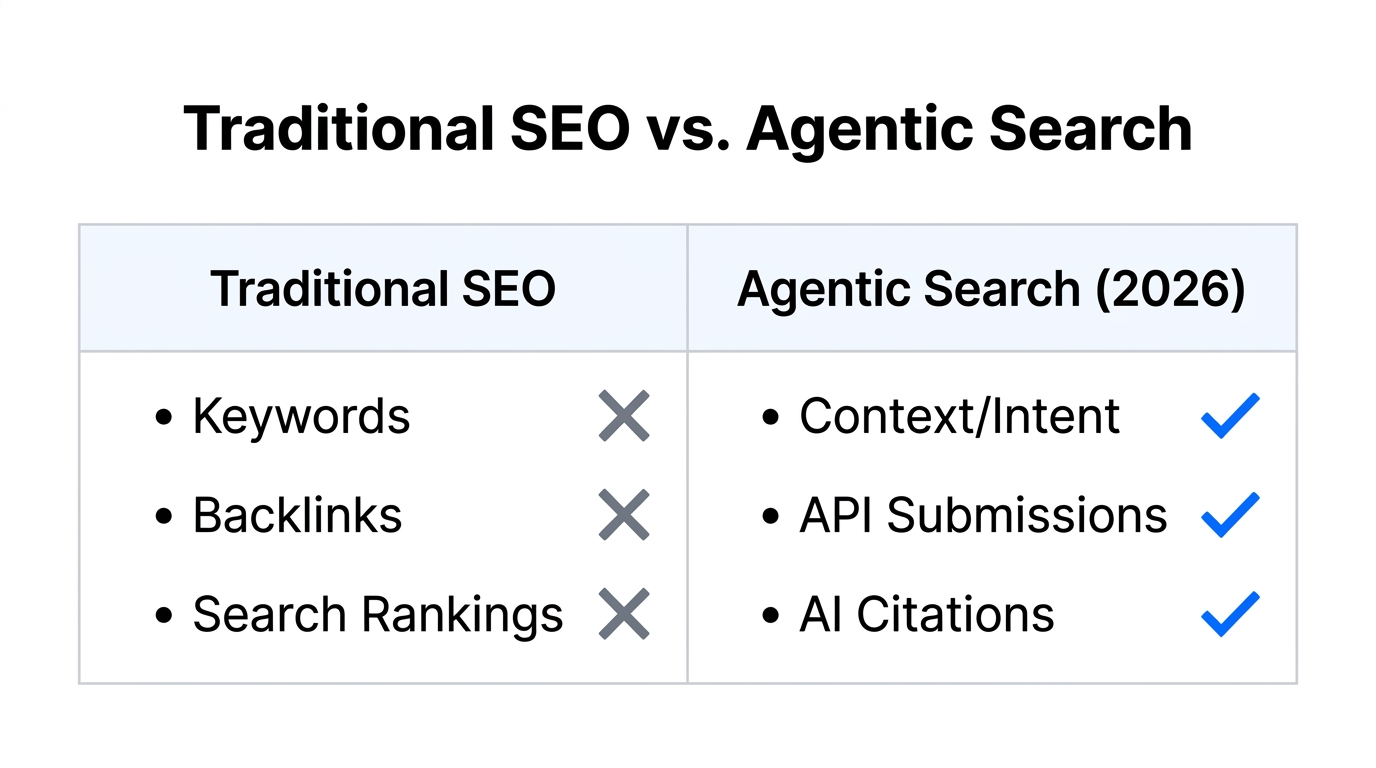
As we navigate 2026, the consumer journey has been completely rewired. With Shopify powering nearly 30% of the U.S. eCommerce market, the competition for visibility has moved from Google’s front page to the internal knowledge bases of Large Language Models (LLMs). Today’s shoppers ask their AI agents, "Find me the best eco-friendly yoga mat available for under $100 with 2-day shipping," and the AI provides a single, definitive answer.
This transition toward AI-driven product discovery means your store needs to speak the language of agents. Traditional SEO focused on human readability and keyword density; AI SEO focuses on data integrity and semantic relevance. According to recent data, the global Order Management System (OMS) market is set to reach $1.9 billion this year, largely driven by the need for unified data layers that AI can easily parse.
"In 2026, your most important customer isn't a human—it's the AI agent shopping on their behalf."
What are OpenClaw 'Clawbots' and How Do They Work?
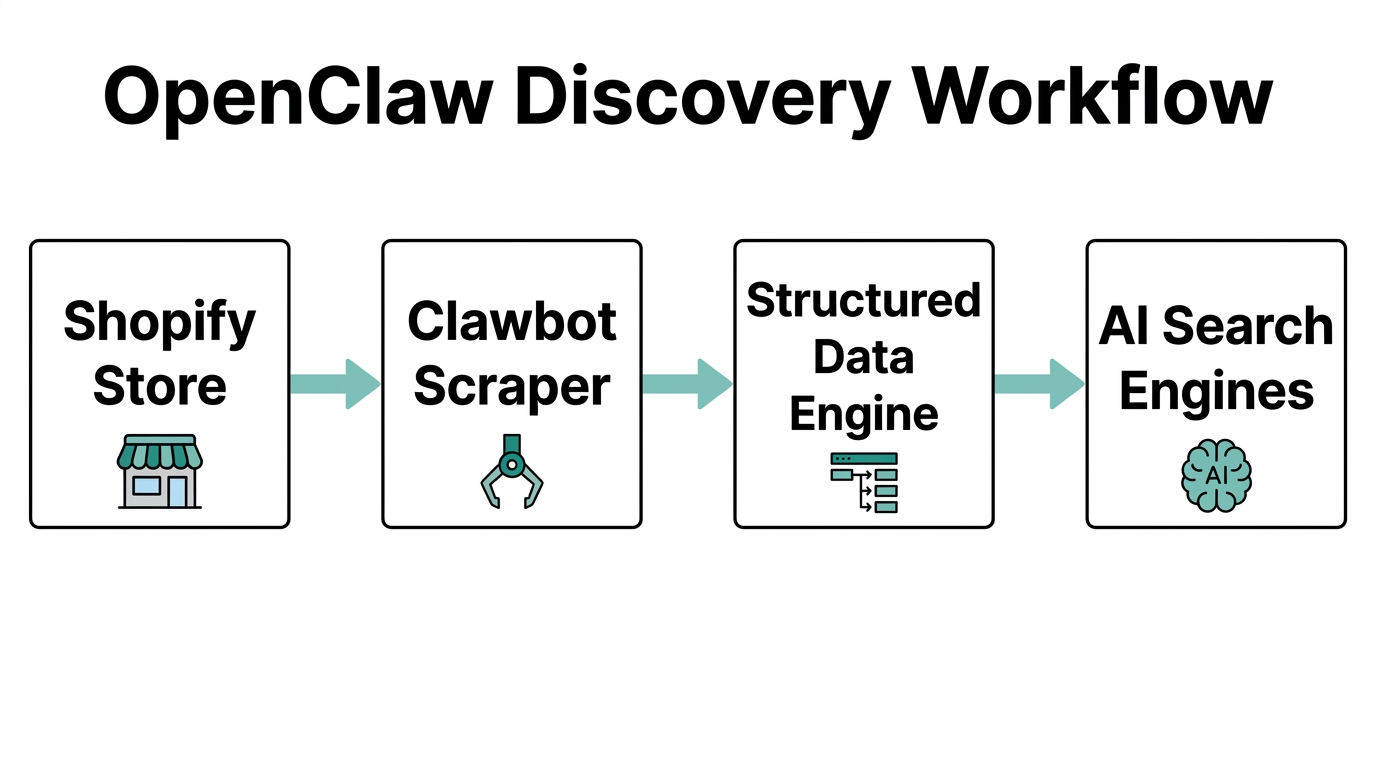
OpenClaw is an open-source AI agent harness that acts as a 24/7 digital employee for your Shopify store. Unlike legacy automation tools, OpenClaw uses Clawbots—autonomous agents capable of managing complex workflows across your entire tech stack. These bots utilize the Model Context Protocol (MCP), which Shopify integrated to allow AI to 'read' store data without the need for manual API coding.
By deploying OpenClaw on a dedicated server or a VPS like Tencent Cloud Lighthouse, merchants can create a proactive SEO engine. This engine doesn't just wait for a crawler to find your site; it proactively pushes updates to the AI ecosystem. This Clawbot marketing strategy ensures that when an AI search engine queries the web for the latest product details, your store provides the most accurate and structured response.
| Feature | Traditional SEO (2020-2024) | AI SEO with OpenClaw (2026) |
|---|---|---|
| Primary Target | Google Search Algorithm | LLMs & AI Agents |
| Content Focus | Keywords & Backlinks | Structured Data & MCP |
| Update Speed | Weeks (Crawling cycle) | Real-time (Push updates) |
| Goal | Drive Clicks to Site | Get the AI 'Recommendation' |
Optimizing Product Descriptions for 'AI Readability'
To rank in AI search engines, your product descriptions must be optimized for semantic comprehension. AI models don't just look for the phrase "waterproof boots"; they look for the context of durability, material science, and user intent. OpenClaw’s automated analysis tools can scan your current product catalog and suggest rewrites that align with how LLMs process information.
Effective Shopify AI search optimization involves using rich snippets and schema markup that go beyond the basics. You should include detailed technical specifications, compatibility data, and FAQ sections that address common customer concerns. Interestingly, "Where is my order?" (WISMO) queries still account for 40-60% of support volume; by feeding the answers to these common questions into your AI-readable data layer, you increase the likelihood of your store being cited as a reliable source by AI assistants.
"Data is the new oil, but structured data is the refined fuel that powers AI discovery."
Feeding Real-Time Structured Data to AI Search Crawlers
One of the most powerful features of OpenClaw is its ability to submit real-time inventory and pricing updates to AI search engines. Using the Composio Shopify Connector, your Clawbot can bridge the gap between your Shopify Admin API and AI platforms like ChatGPT. This ensures that the AI never recommends an out-of-stock item, which is a critical factor in maintaining high recommendation rankings.
Early adopters of AI-driven order management have seen order accuracy exceed 95%. This accuracy translates directly to SEO: AI search engines favor stores that provide reliable, real-time availability. If your Clawbot detects a price drop or a restock, it can immediately 'notify' the AI search indexes, giving you a competitive edge over slower, manual competitors.
Monitoring AI-Generated Shopping Recommendations
How do you know if you're winning in the world of AI-driven product discovery? You need to monitor how AI models talk about your brand. Just as you used to track keyword rankings, you must now track 'Recommendation Share'. This involves querying various AI models to see which brands they suggest for specific niches.
If you find your brand is missing from the top suggestions, it’s often a sign of a data disconnect. Using tools like Stormy AI can help you identify high-quality creators whose content can be scraped and indexed by AI models to bolster your brand’s authority. When AI search engines see consistent, positive mentions of your product across TikTok, YouTube, and LinkedIn—platforms easily indexed by Stormy AI—your brand’s 'trust score' in the AI’s latent space increases.
Step-by-Step Playbook: Implementing Your Clawbot Marketing Strategy
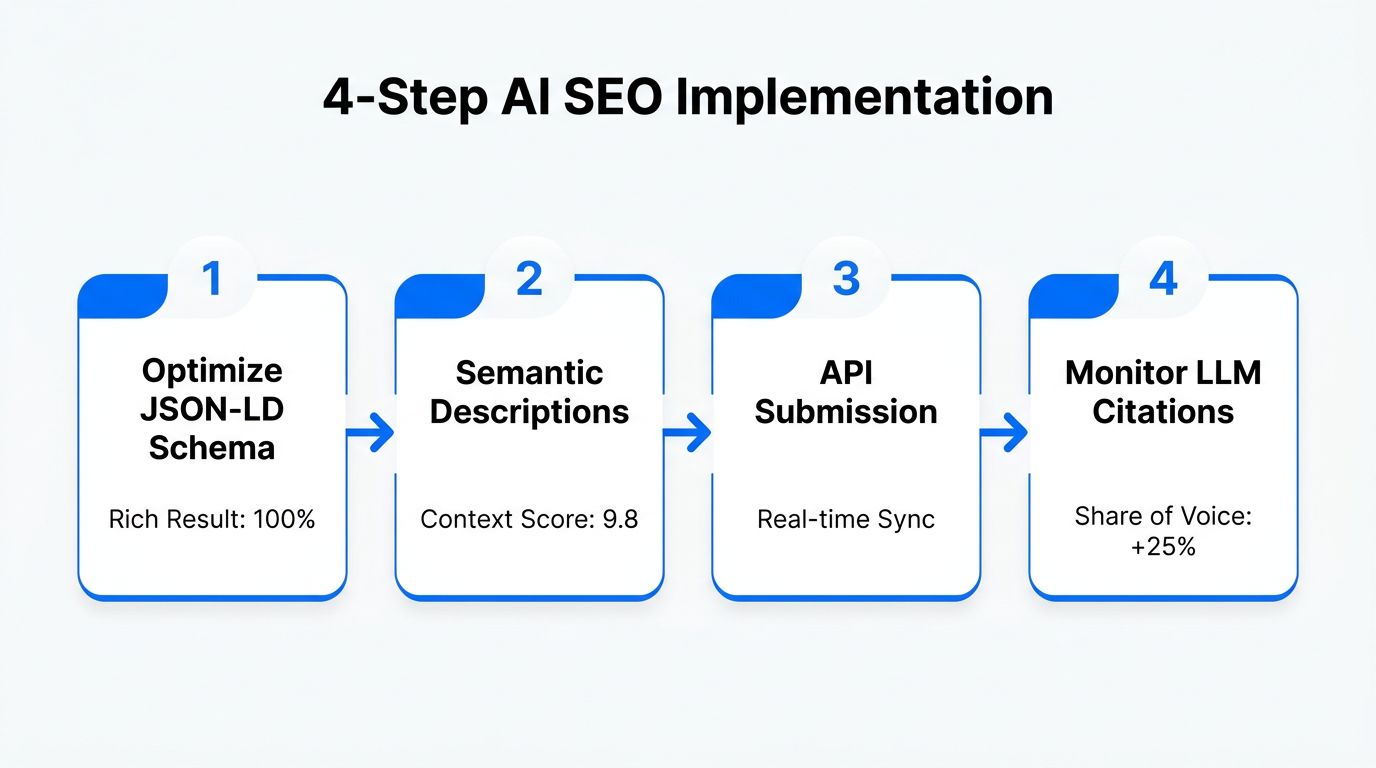
Ready to automate your distribution? Follow these steps to integrate OpenClaw into your 2026 growth stack.
Step 1: Set Up Your Infrastructure
Deploy OpenClaw on a secure server using Docker containers. This isolates the agent and ensures your primary business data remains secure while the bot performs its SEO tasks. Avoid running these agents on local machines with broad permissions.
Step 2: Connect Shopify via Composio
Integrate your store using Composio. Be sure to use scoped permissions. For SEO purposes, the agent only needs read_products and read_content access. This prevents the AI from making unauthorized changes to your store while it analyzes and syndicates data.
Step 3: Enrich Your Product Feed
Use the Clawbot to scan your product descriptions. Have it identify 'knowledge gaps'—areas where a human might understand the product, but an AI might be confused. Add semantic tags and technical specs that cater to the way LLMs build associations.
Step 4: Integrate Adzviser for Analytics
To measure success, connect Adzviser to your OpenClaw setup. Adzviser provides high-level reporting on how much traffic is being driven to your Shopify store specifically from AI search interfaces versus traditional search engines.
Step 5: Deploy the AI Outreach Layer
Combine your SEO efforts with creator-led growth. While OpenClaw handles the technical search side, use Stormy AI to find and outreach to UGC creators who can generate the social proof that AI agents use to verify your brand's credibility.
"The future of marketing is a loop: AI SEO ensures you're found, and AI-driven creator partnerships ensure you're trusted."
Common Pitfalls in AI SEO and Automation
While the potential for ecommerce distribution trends in 2026 is massive, there are risks to consider. API cost neglect is a major factor; running complex Clawbot loops using models like Claude 3.5 or GPT-4o can result in significant monthly fees if not monitored. Always set usage limits within your OpenClaw configuration.
Furthermore, beware of AI hallucinations. There are cases where agents have 'invented' shipping rates or return policies that don't exist, leading to financial discrepancies. Always keep a 'human-in-the-loop' for final approvals of content that will be pushed to major AI search indexes.
Conclusion: Dominating the New Discovery Landscape
Ranking in 2026 is no longer about