In 2026, the landscape of B2B digital marketing has undergone a fundamental shift. We have moved past the era of static dashboards and manual bid adjustments into the age of Agent-as-a-Service (AaaS). For performance marketers, this evolution is most visible in how we manage OpenClaw LinkedIn Ads. The complexity of the LinkedIn auction, combined with skyrocketing CPMs, has made manual intervention not just inefficient, but a liability. To maintain a competitive edge, advertisers are now deploying autonomous "execution agents" built on the OpenClaw framework (formerly Clawdbot) to handle everything from creative fatigue to real-time budget scaling.
This transition isn't just about automation; it's about delegating cognitive marketing tasks to specialized AI skills. By 2026, high-performance teams are no longer "running ads"—they are orchestrating a fleet of agents that monitor, analyze, and optimize campaigns 24/7. This guide breaks down the seven essential skills your OpenClaw agents need to master to dominate LinkedIn advertising this year.
The Paradigm Shift: From SaaS to Agent-as-a-Service
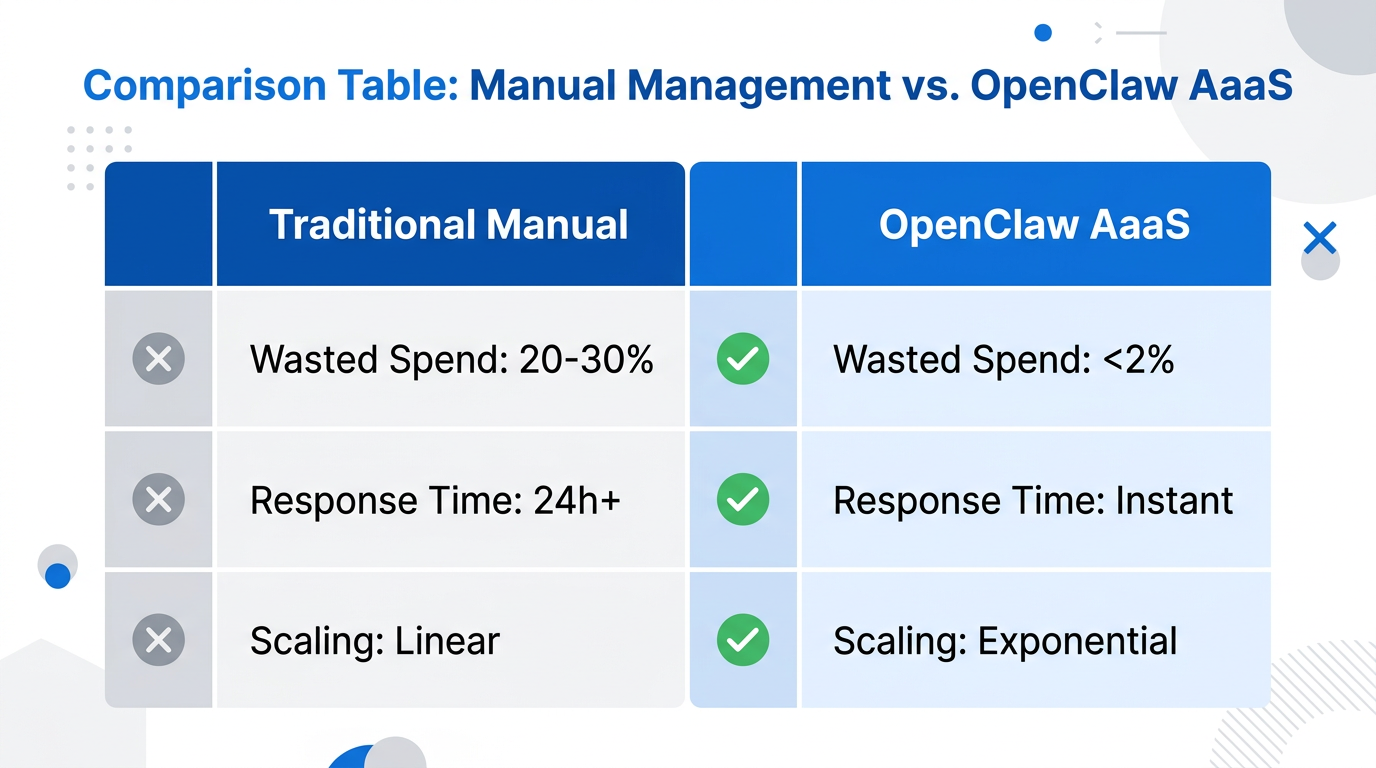
For over a decade, marketers relied on SaaS platforms to provide data and knobs to turn. In 2026, that model is being replaced by Agent-as-a-Service. Instead of you logging into a platform like Meta Ads Manager or LinkedIn to make changes, an agent like OpenClaw lives inside your workflow, executing decisions based on pre-defined business logic. This shift allows for AI agent marketing 2026 strategies that are reactive in milliseconds rather than days.
"The move to AaaS means marketers are shifting from being pilots to being air traffic controllers. You no longer fly the plane; you manage the autonomous systems that do."| Feature | Traditional SaaS (2024) | Agent-as-a-Service (2026) |
|---|---|---|
| Execution | Manual clicks and uploads | Autonomous API execution |
| Monitoring | Daily dashboard checks | 24/7 real-time sentry |
| Optimization | Rule-based (If/Then) | Skill-based (Context-aware) |
| Reporting | Static PDF exports | Natural Language (Slack/Telegram) |
1. The Performance Auditor Skill: Eliminating Wasted Spend
The first and most critical skill for any LinkedIn ad automation setup is the Performance Auditor. This agent acts as a 24/7 account sentry. Utilizing the Model Context Protocol (MCP), this skill scans your campaigns for Cost-Per-Acquisition (CPA) anomalies that a human eye might miss until the next morning's coffee. By connecting to the Adspirer MCP Server, the agent gains a deep, real-time understanding of your account's health.
The Performance Auditor doesn't just flag a high CPA; it ranks potential fixes by "Revenue Impact." For instance, it can detect if a specific audience segment has suddenly become uncompetitive and shift budget to a higher-performing cohort before you've even logged on for the day. According to data from Ryze AI, automated auditing can reduce wasted spend by up to 25% by catching budget-leakage within minutes of a spike.
2. The Creative Fatigue Analyst: Combatting the Silent Killer
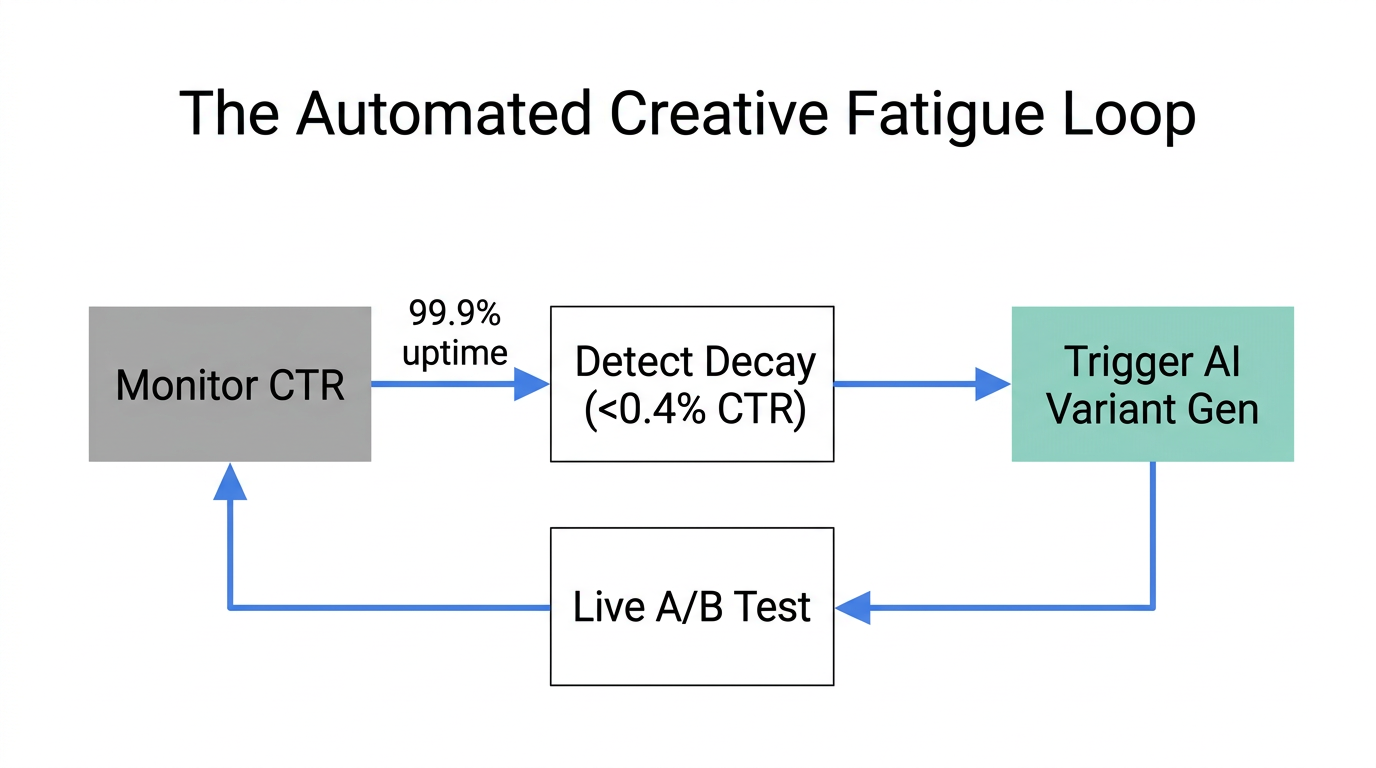
Creative decay is particularly aggressive on LinkedIn. Because the audience is professional and high-intent, they tune out repetitive visuals faster than users on other platforms. The Creative Fatigue Analyst skill tracks CTR (Click-Through Rate) trends over 7, 14, and 30-day windows to identify the exact moment an ad loses its punch. With video uploads on LinkedIn increasing by 34% year-over-year, managing visual performance is more complex than ever.
In 2026, leading marketers use vision models like Claude 3.5 within their OpenClaw setup to "see" ad visuals. When CTR drops below a threshold (typically 0.45% for B2B), the agent doesn't just pause the ad; it suggests iterative shifts. It might suggest, "Swap the blue background for a professional office setting" or "shorten the hook by 2 seconds." This iterative loop is detailed further in the Stormy AI Creative Loop Guide, showing how AI maintains creative fresh-ness without constant human brainstorming.
3. The Bid & Budget Scaling Manager
LinkedIn’s CPMs are projected to reach a staggering $25–$44 (£20–£35) by late 2026. At these prices, you cannot afford to scale inefficiently. The Bid & Budget Scaling Manager skill automates the logic of "scaling winning ad sets." However, it does so with a layer of sophistication that standard "rules" lack. For example, it might follow a logic like: "Increase budget by 20% if ROAS is greater than 3.0 AND the Lead Quality Score is 8+."
A common mistake in LinkedIn ad automation is scaling too early. The LinkedIn algorithm needs stability to learn. Experts suggest a 5–7 day stable delivery phase before letting an agent adjust bids to avoid resetting the "learning" mode. This skill ensures that budget increases are incremental and data-backed, preventing the algorithm from spiraling into inefficient spending cycles.
"In a $40 CPM environment, the difference between a 5% and 10% conversion rate is the difference between profit and bankruptcy. Your scaling agent must be your most disciplined employee."4. The Audience Architect: Mapping the Full Funnel
One of the greatest leaks in B2B marketing is audience overlap. The Audience Architect skill ensures that a Sales Qualified Lead (SQL) isn't seeing Top-of-Funnel "brand awareness" ads, which serves only to inflate your costs and annoy your prospects. This skill acts as a funnel mapper, detecting when a user should be moved from a prospecting bucket to a retargeting one.
By utilizing the OpenClaw n8n skill, marketers can sync their CRM lists from platforms like HubSpot or Salesforce daily. This allows the agent to automatically exclude current customers from prospecting sets. Given that retargeting campaigns on LinkedIn can improve conversion rates by 30–40%, having an agent manage these transitions flawlessly is essential for a cohesive Agent-as-a-Service strategy.
5. The Thought Leadership Ad Creator
2026 is the year of "Trust as a KPI." Ads featuring real people and employees now outperform stock-photo ads by 2.5x. Specifically, Thought Leadership Ads—those that promote posts directly from an executive's profile—have shown a +14% lift in brand perception. The Thought Leadership Ad Creator skill uses AI to draft content based on an executive's unique voice and the company's latest whitepapers.
Using tools like PostClaw, a Telegram-based agent, marketers can draft, review, and schedule these high-trust posts. This skill ensures that your LinkedIn presence remains human and authoritative without requiring the CEO to spend hours writing social copy. When sourcing the right creators or internal advocates to amplify these messages, platforms like Stormy AI can help identify the voices that resonate most with your specific target niche.
6. The Signal-Based Intent Scraper
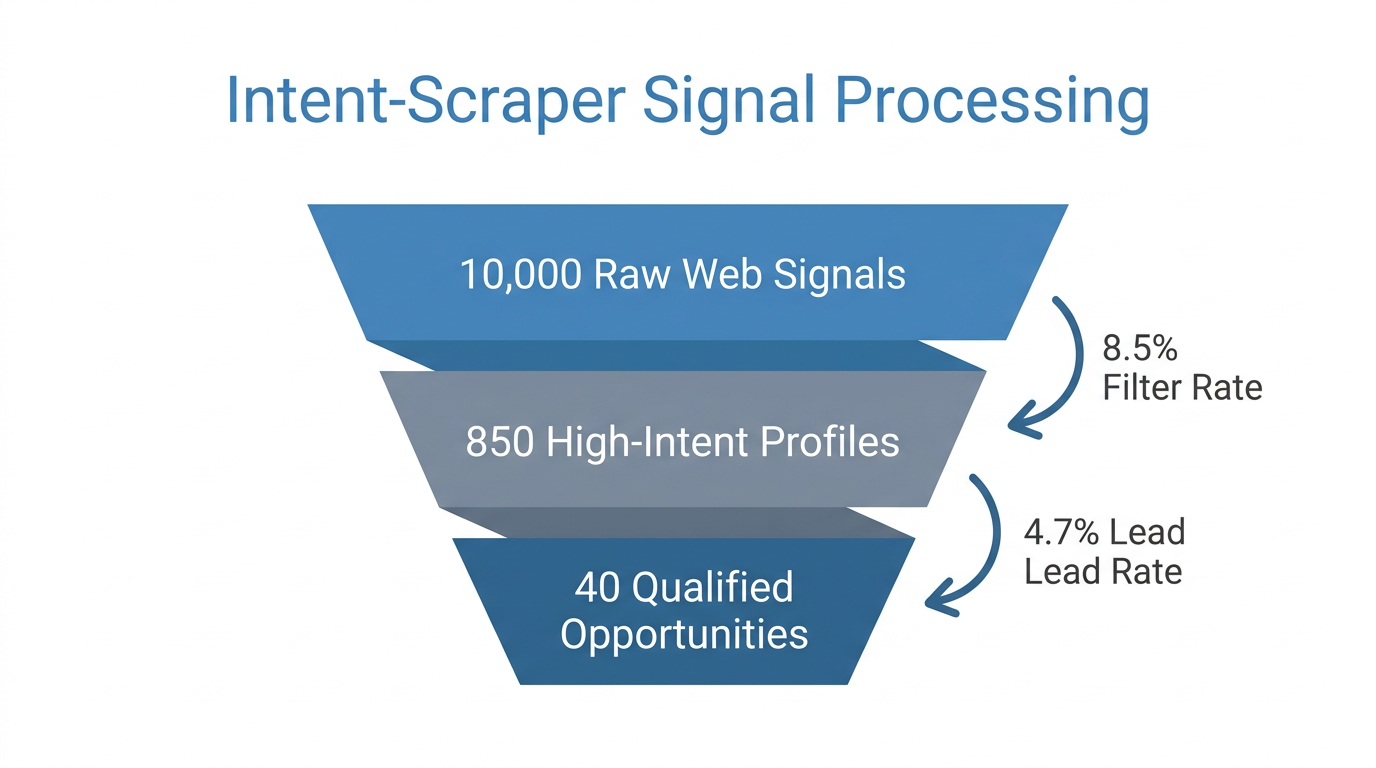
Static targeting (targeting everyone with the title "VP of Marketing") is dead in 2026. It is too broad and too expensive. The Signal-Based Intent Scraper skill watches for specific "intent signals" before activating an ad. This might include a target company raising a Series B round or a decision-maker posting about a specific pain point on their feed.
By turning LinkedIn URLs into multi-channel Account-Based Marketing (ABM) campaigns, companies are achieving 200% better ROI than they did with broad targeting. However, one must be cautious; as noted in recent OpenClaw automation guides, you must avoid aggressive scraping without an API, as LinkedIn’s anti-bot detection is highly sophisticated. This skill should always operate within the bounds of official APIs to protect your account's longevity.
7. The Natural Language Reporting Agent
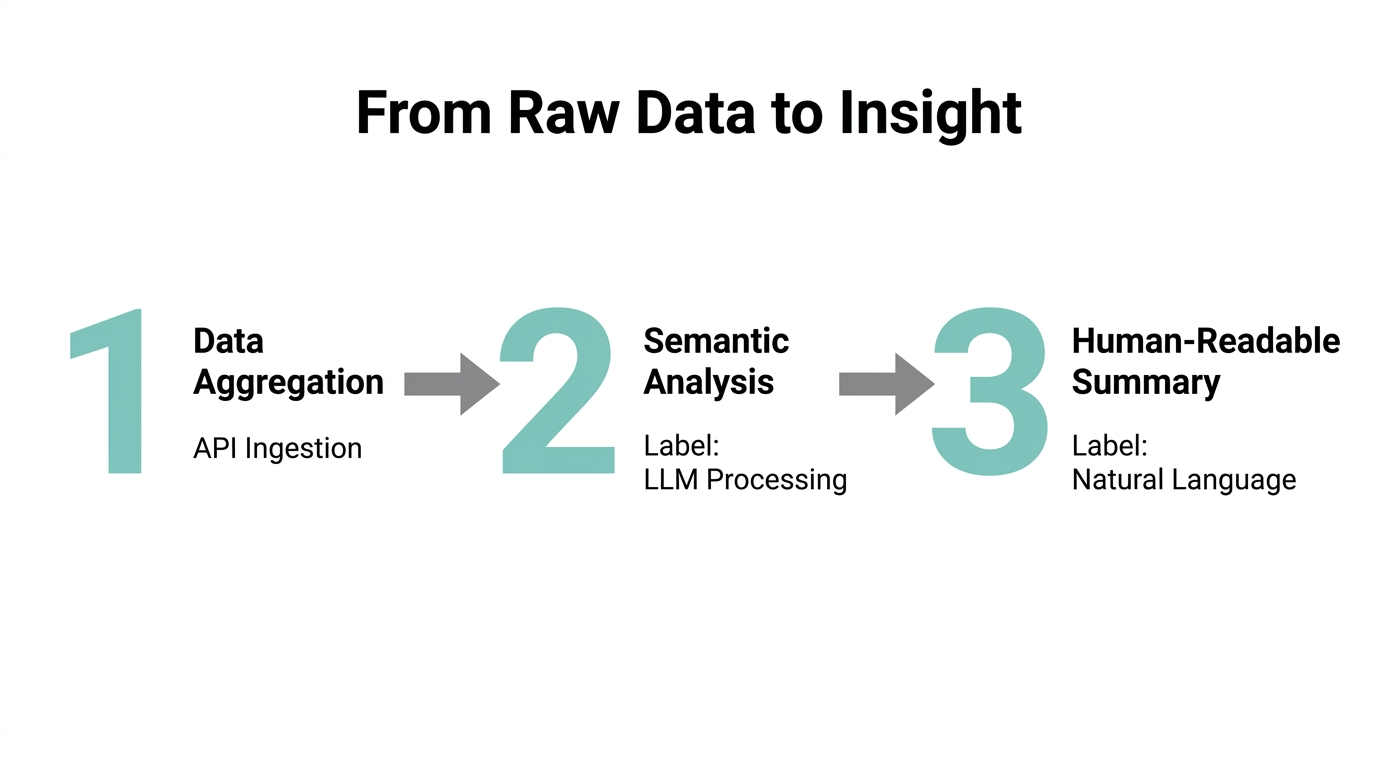
The final skill is about communication. Executive reporting used to be a manual slog of screenshots and spreadsheets. The Natural Language Reporting Agent allows a CMO or Founder to ask a simple question in Slack or Telegram: "How did the Enterprise campaign perform yesterday versus last Monday?" and receive a beautifully formatted, context-aware report instantly.
Setting up "KPI Snapshots" that deliver daily summaries of Lead Gen Form completion rates—which average 10–15% for top performers in 2026—directly to your team channel ensures everyone is aligned. You can find ready-to-use reporting agents in the OpenClaw Official Directory.
Avoiding the "Rogue Agent": Best Practices for 2026
While OpenClaw LinkedIn Ads offer immense power, they require Human-in-the-Loop oversight. The "Rogue Agent" scenario—where an agent with full write access to budgets overspends due to a glitch—is a real risk. Always implement spending caps at the campaign group level as a hardware-style fail-safe.
Additionally, beware of over-targeting. Combining too many filters (Job Title + Seniority + Industry + Skills) can shrink your audience to a point where the LinkedIn auction cannot find enough people to serve, causing your CPMs to skyrocket. According to Factors AI, the "sweet spot" for a LinkedIn audience is between 30,000 and 100,000 members. If your agent is targeting a group of 5,000 people, it doesn't matter how smart the AI is; the unit economics will not work.
The 2026 LinkedIn Playbook:
- Audit: Use the Performance Auditor to stop budget leaks immediately.
- Monitor: Deploy the Creative Fatigue Analyst to ensure your visuals never go stale.
- Scale: Use the Bid Manager to increase budgets only when ROAS and lead quality are both met.
- Trust: Use Thought Leadership Ads to build authority before asking for a sale.
- Verify: Maintain a daily Human-in-the-Loop review of all agent-led changes.
By mastering these seven skills, your marketing team moves from reactive manual labor to strategic orchestration. In the high-stakes world of 2026 B2B advertising, the winner is not the one who spends the most, but the one whose agents are the most skilled.