In 2026, the B2B marketing landscape has officially pivoted from traditional Software-as-a-Service (SaaS) to Agent-as-a-Service (AaaS). High-performance growth teams are no longer spending their mornings manually adjusting bids or digging through LinkedIn Campaign Manager for anomalies. Instead, they are deploying autonomous "execution agents" via OpenClaw—an open-source framework that allows marketers to automate complex Account-Based Marketing (ABM) workflows with surgical precision. By leveraging signal-based marketing, brands are now reaching prospects the moment they show intent, rather than waiting for them to stumble into a generic retargeting pool.
The Shift to Signal-Based Marketing in 2026
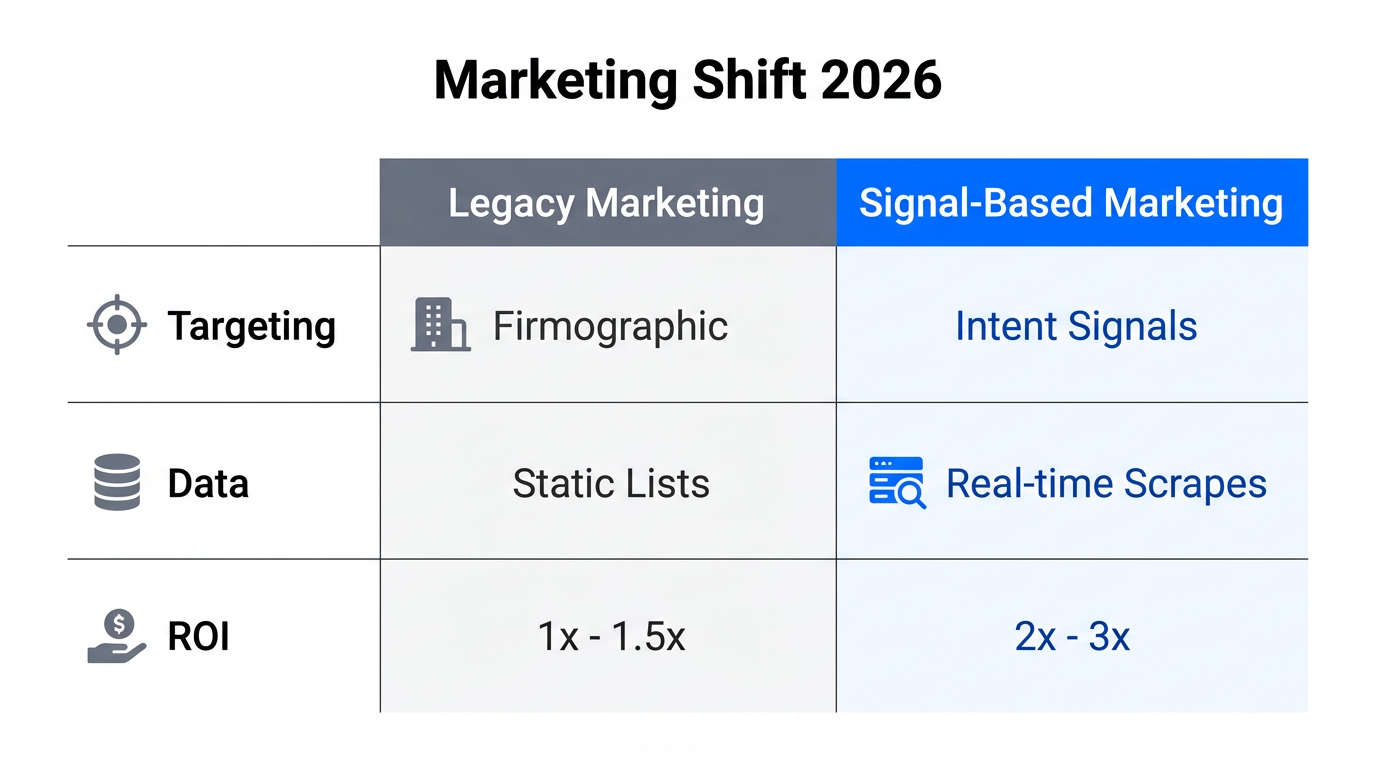
The core challenge of B2B LinkedIn advertising has always been timing. Even the most perfect persona targeting fails if the prospect isn't currently facing the problem your software solves. In 2026, OpenClaw agents solve this by monitoring real-world signals—funding rounds via Crunchbase, new executive hires, or even specific pain points mentioned in public forums—and instantly updating LinkedIn audience segments.
To succeed today, you must treat your LinkedIn audience architecture as a living organism. By integrating OpenClaw’s n8n skills, you can bridge the gap between your CRM and your ad platform, ensuring that every dollar spent is directed at a high-intent account. This level of automation is no longer a luxury; with LinkedIn CPMs projected to reach $25–$44 by the end of 2026 according to Lever Digital, efficiency is the only way to maintain a sustainable Customer Acquisition Cost (CAC).
"In 2026, the competitive advantage isn't just your budget—it's the latency between a market signal and your ad's response."
Implementing Signal-Based Intent Scrapers
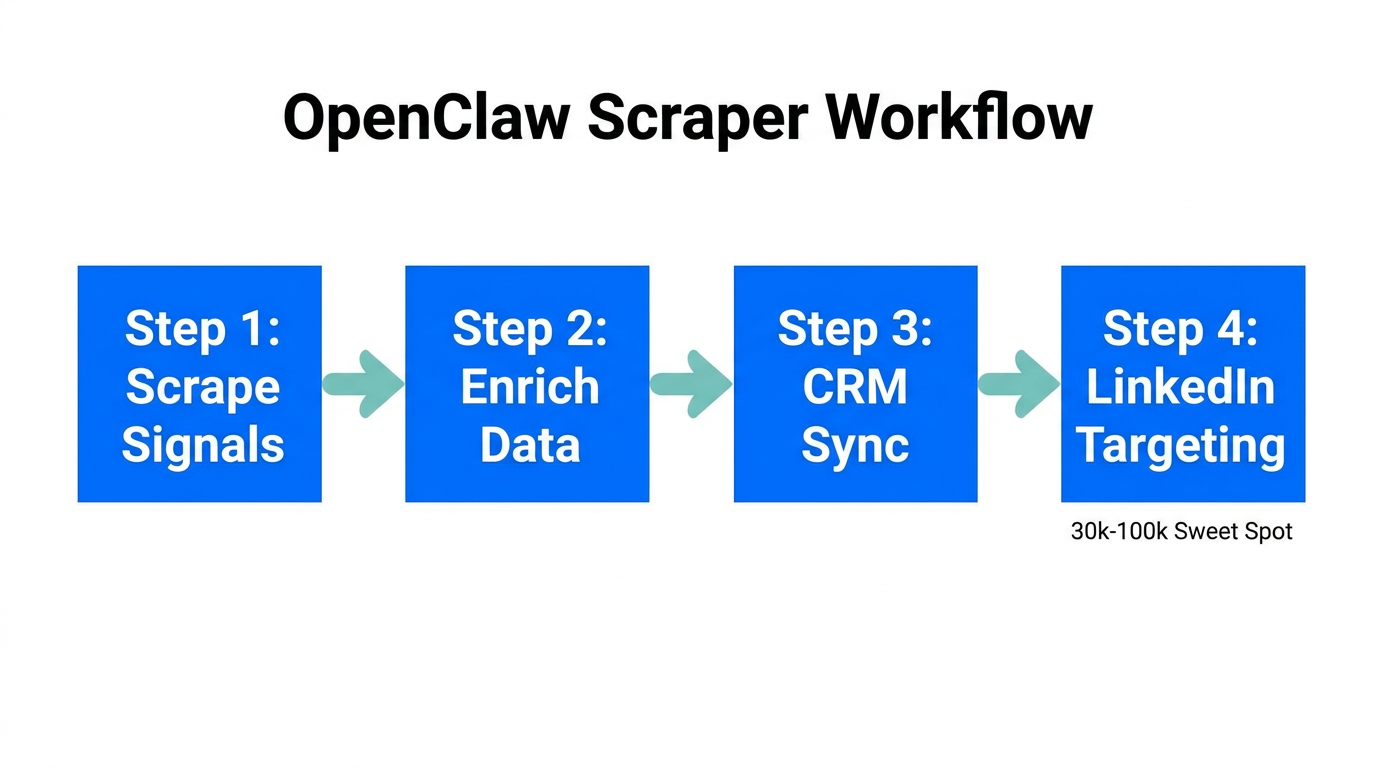
The first step in an advanced OpenClaw ABM strategy is deploying a Signal-Based Intent Scraper. This agent doesn't just look for "IT Managers"; it watches for specific triggers that indicate a company is ready to buy. For example, a target account raising a Series B funding round often precedes a massive hiring spree and a need for new infrastructure.
- Funding Signals: Set agents to monitor news feeds and automatically push the company's domain into a specific LinkedIn "High Growth" Matched Audience.
- Pain Point Detection: Use agents to scan for decision-makers posting about specific challenges on LinkedIn or industry boards.
- Expansion Signals: Watch for companies opening new offices or entering new geographic markets.
However, modern marketers must be cautious. LinkedIn’s anti-bot detection is more aggressive than ever in 2026. Experts at Medium warn against "scraping" without an official API, as it can lead to immediate account restrictions. Instead, use the abm-outbound skill on GitHub which utilizes authorized data providers to feed intent signals into your OpenClaw workflow safely.
Syncing CRM Data for Funnel Mapping
One of the most common budget leaks in B2B advertising is showing "Brand Awareness" ads to accounts that are already deep in the sales pipeline. In 2026, the Audience Architect skill in OpenClaw prevents this by daily syncing your CRM like HubSpot or Salesforce with your LinkedIn ad sets.
| CRM Stage | Ad Objective | OpenClaw Agent Action |
|---|---|---|
| Cold Prospect | Awareness / Thought Leadership | Auto-add LinkedIn URL to "Top of Funnel" list. |
| Opportunity Created | Consideration / Case Study | Exclude from Awareness; add to "Middle of Funnel" list. |
| SQL / Closed Won | Retention / Upsell | Instantly exclude from acquisition campaigns to save budget. |
This automated funnel mapping ensures that your LinkedIn intent-based targeting is always accurate. Retargeting campaigns managed this way can improve conversion rates by 30–40%, as noted by Marketing LTB, by delivering the right message at the exact right stage of the buyer's journey.
Avoiding the 'Over-Targeting' Trap
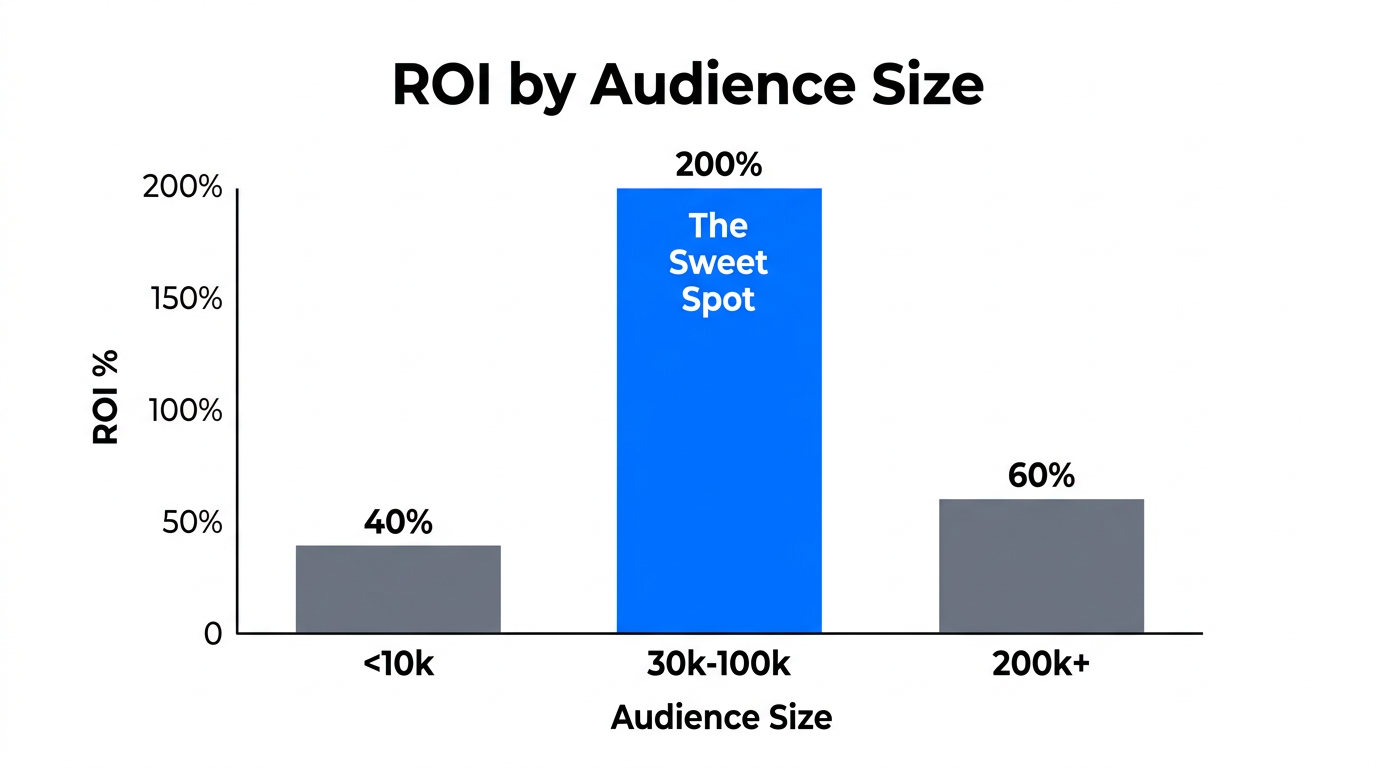
A major pitfall in 2026 is the urge to make audiences too specific. While it’s tempting to target "CTOs at Fintech companies with 50-200 employees who like golf," this often results in an audience that is too small for LinkedIn's algorithm to optimize effectively. This leads to skyrocketing CPMs and poor delivery.
The experts at Factors.ai recommend finding the 30,000–100,000 member sweet spot. This range provides enough data for LinkedIn's AI to find the individuals most likely to click while still remaining relevant to your niche. Use OpenClaw to monitor your audience size; if an agent detects your segment has dropped below 20,000, it can automatically broaden the criteria or suggest similar job titles to maintain delivery health.
"Precision is the goal, but scale is the fuel. Targeting an audience of 5,000 people on LinkedIn is essentially a recipe for an expensive, non-delivering campaign."
The Document Ad Strategy: Value Before the Gate
In 2026, B2B buyers have "lead magnet fatigue." Forcing a form for a generic PDF is a quick way to lower your brand perception. Instead, high-growth brands are using LinkedIn Document Ads with a "Value-First" approach.
The playbook is simple: reveal 3-5 pages of high-value insights directly in the LinkedIn feed before triggering the Lead Gen Form. This builds trust and proves your expertise. According to research from Search Engine Land, gating too early leads to a 50% drop in completion rates. By providing value upfront, you can achieve lead gen form completion rates of 10–15%.
To further enhance these campaigns, brands are turning to Thought Leadership Ads. Promoting posts from your executives—rather than your company page—results in a 14% lift in brand perception. Authenticity is the ultimate currency in 2026; ads featuring real people outperform stock photography by 2.5x, as highlighted by The Creative Stable. For sourcing creators or industry experts to power these campaigns, platforms like Stormy AI can help you discover and vet the right voices to represent your brand.
Autonomous Performance Auditing and Scaling
The final pillar of a 2026 signal-based marketing strategy is autonomous management. Using the Ryze AI Performance Auditor skill within OpenClaw, you can set "guardrails" for your spend. If a campaign's CPA spikes by more than 25% within an hour, the agent can automatically pause the creative and notify the team via Slack.
Scaling Winning Ad Sets
Scaling on LinkedIn requires patience. The algorithm needs a 5–7 day stable delivery phase to learn which users are most likely to convert. Pushing a budget too hard too fast will reset this learning phase. An OpenClaw scaling agent can be programmed to increase budgets by precisely 20% only when ROAS is above 3.0 and the Lead Quality Score (pulled from your CRM via n8n) is 8 or higher.
| Feature | Manual Management | OpenClaw Agent Management |
|---|---|---|
| Audit Frequency | Once per day / week | Real-time (24/7) |
| Scaling Logic | Gut feeling / Monthly review | Data-driven / ROAS-based |
| CRM Sync | Manual CSV uploads | Automated hourly sync |
Conclusion: Building Your 2026 ABM Engine
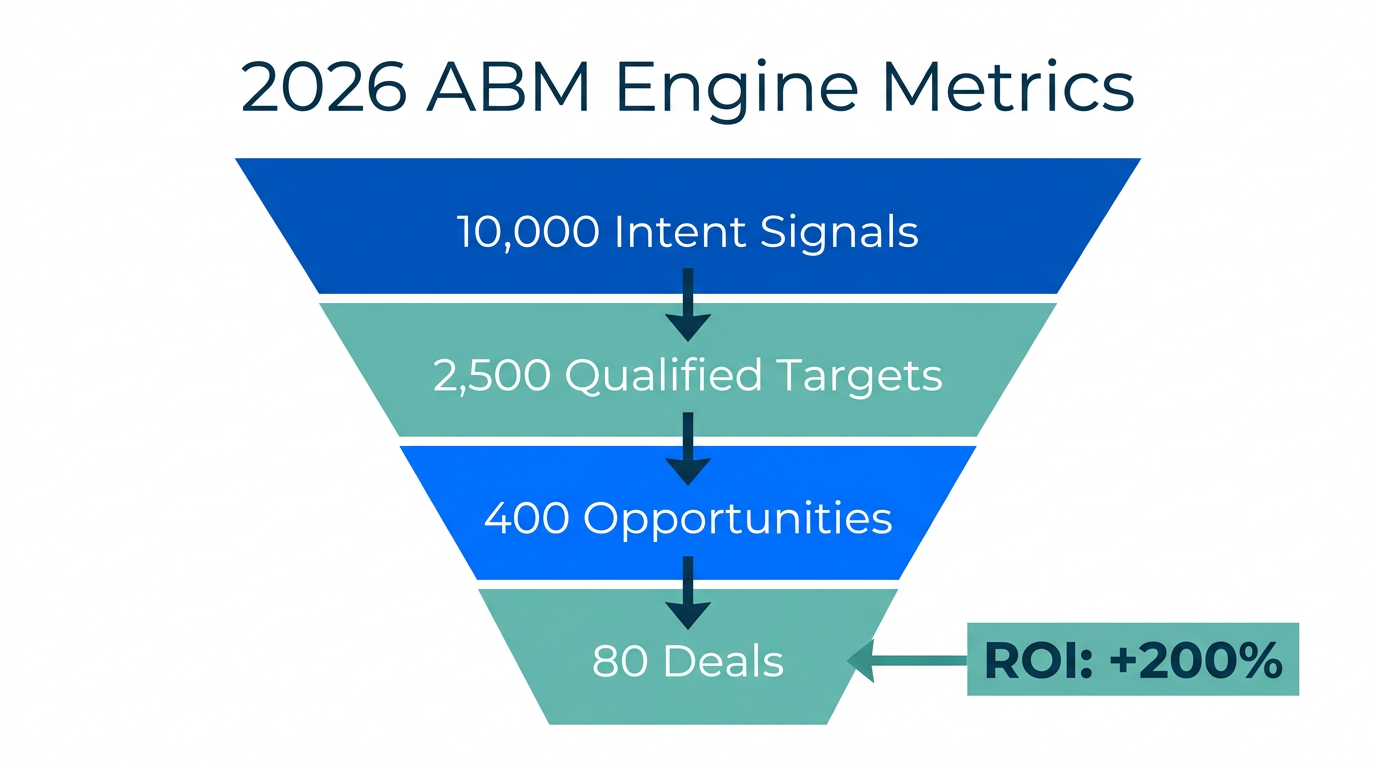
Winning at B2B growth in 2026 requires a departure from the manual workflows of the past. By implementing an OpenClaw ABM strategy, you can transform LinkedIn from a simple ad platform into a dynamic, signal-responsive revenue engine. Start by identifying your highest-value intent signals, bridge your CRM data with n8n, and focus on the 30k-100k audience sweet spot.
Remember that while AI agents handle the execution, the human element—your creative strategy and thought leadership—is what ultimately converts. For teams looking to scale their creator-led growth and manage high-quality B2B influencer relationships alongside their ad campaigns, Stormy AI provides the discovery and management tools needed to fuel your content pipeline. The future of B2B marketing is autonomous, intent-driven, and incredibly precise. It's time to let the agents do the heavy lifting.