In the rapidly shifting landscape of 2026, the marketing world has moved past the novelty of simple text generation. We are no longer in the era of merely "chatting" with an AI; we have entered the era of agentic execution. Leading this charge is OpenClaw, an open-source framework that has redefined how marketing teams handle multi-platform distribution and trend monitoring. With over 232,000 GitHub stars and a massive community on Discord, this tool is no longer a developer's secret—it is a cornerstone of modern content operations.
The Evolution: Why LLMs Aren't Enough for 2026 Marketing
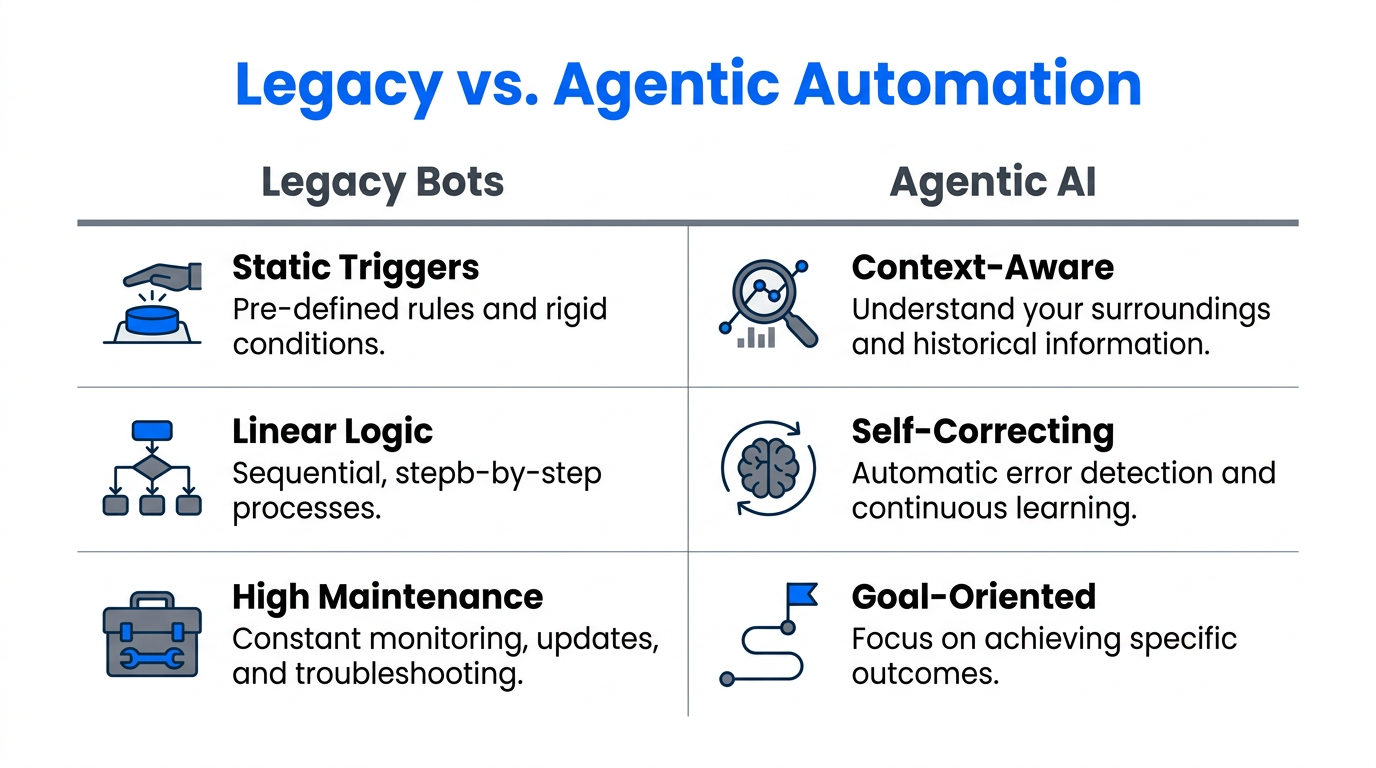
Traditional Large Language Models (LLMs) are reactive. They sit idle until a human provides a prompt. In contrast, Agentic AI is proactive, capable of autonomous decision-making and system-level task execution. According to recent adoption data, content automation now accounts for 35% of all OpenClaw use cases, signaling a massive shift in how brands maintain their digital presence. Marketers are moving away from centralized SaaS tools in favor of local-first architectures that run on private servers or even a simple Mac Mini.
"OpenClaw isn't just another chatbot; it is the closest thing to a real-life JARVIS for marketers, offering system-level access to the tools we use every single day."
This shift allows marketing teams to deploy "agent swarms"—multiple AI instances working in parallel. While one instance identifies viral trends on TikTok, another can be busy drafting response strategies, and a third can be updating your team's project workspace in Notion with new lead data. This level of AI workflow automation reduces the human role from "creator" to "editor-in-chief," focusing on strategy rather than the manual labor of posting and tracking.
Step-by-Step: Automating Daily Social Scrapes with Heartbeat Scheduler
One of the most powerful features of OpenClaw is the Heartbeat Scheduler. This allows your autonomous AI assistant to "wake up" at specific intervals, perform a series of checks, and execute tasks without human intervention. For a marketing team, this is the ultimate tool for trend monitoring and competitor analysis.
Step 1: Define Your Monitoring Parameters
Before launching your agent, you must define what it is looking for. Most successful teams use OpenClaw to scan for high-performing keywords or specific competitor handles across TikTok Ads Manager and X. Use the openclaw onboard wizard to securely connect your accounts without hardcoding API keys, which is a common security pitfall identified by firms like Trend Micro.
Step 2: Configure the Heartbeat Interval
In your configuration file, set the heartbeat interval. For high-velocity industries like fashion or tech, a 30-minute interval is standard. This ensures your team is the first to know when a new meme or trend begins to gain traction. Ensure your dmPolicy is set to pairing rather than open to prevent unauthorized users from hijacking your agent.
Step 3: Script the Logic
Provide the agent with clear natural language instructions: "Every hour, check the top 10 trending posts in the #UGC tag. If any post exceeds 50k views in under 2 hours, summarize the hook and send it to our Discord research channel." By using Ollama to run local models, you can perform these high-volume scrapes without incurring massive API costs.
| Feature | Traditional LLM | OpenClaw Agent |
|---|---|---|
| Initiation | Human Prompt Required | Autonomous Heartbeat |
| Environment | Cloud-Only | Local / Docker / VPS |
| Task Scope | Text/Code Generation | System-Level Execution |
| Scaling | One-to-One | Agent Swarms |
Leveraging ClawHub Skills for Automated Delivery
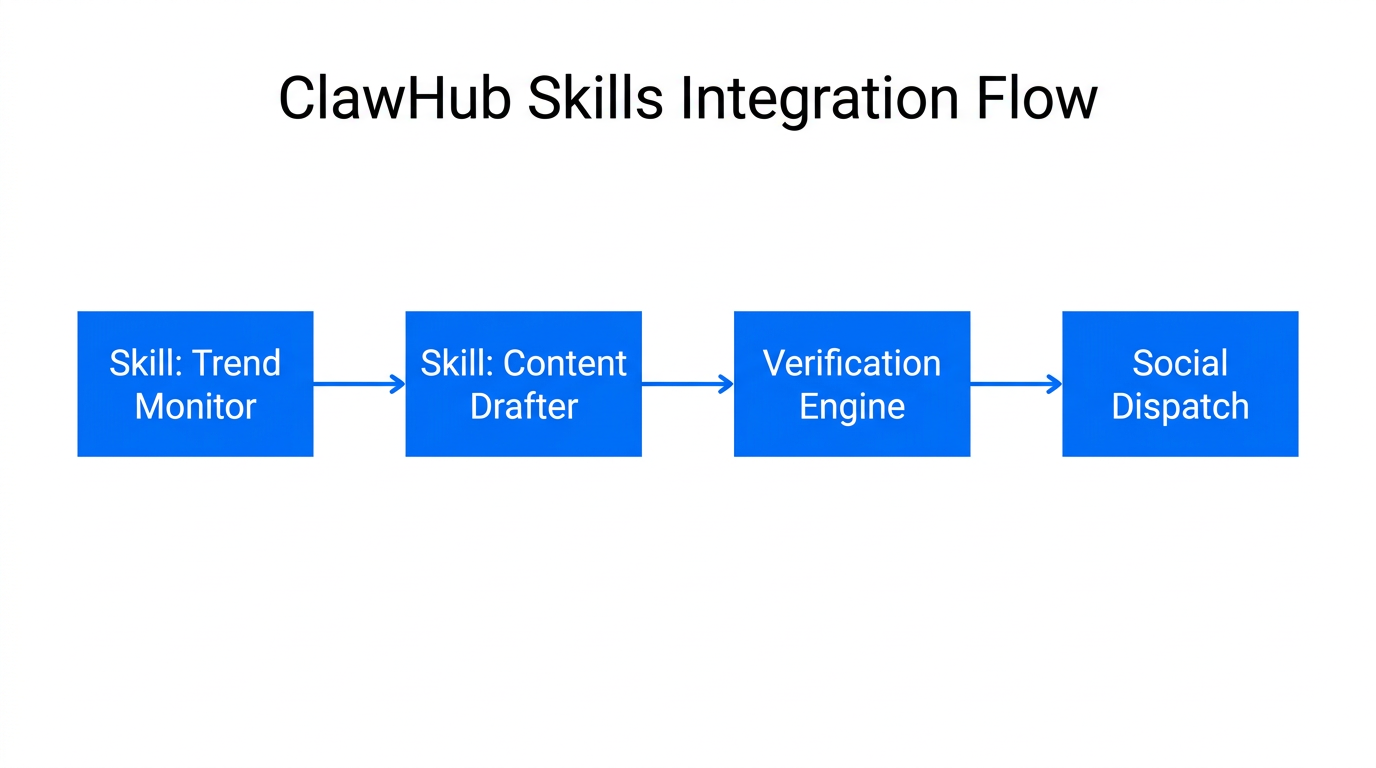
To move content from discovery to distribution, marketers use ClawHub skills. This marketplace features over 7,000 community-built plugins that allow your agent to interact with external apps like Telegram, Discord, and even specialized marketing tools. When managing large-scale creator campaigns, tools like Stormy AI can be used alongside these agents to discover and vet the influencers that your OpenClaw agent identifies as trending.
Connecting your agent to Telegram or Discord allows for an autonomous feedback loop. Instead of checking a dashboard, your marketing team receives real-time briefs directly in their preferred communication channel. This turns your AI from a tool into a teammate. If you are handling complex cross-platform tasks, it is often better to use Sub-Agents to handle specific background processes, preventing the main agent from timing out during long-running data summaries.
"The real magic happens when you connect an autonomous agent to your team's communication hub, turning raw data into actionable insights while you sleep."
Preventing Hallucinations: The 'Verification Step' Workflow
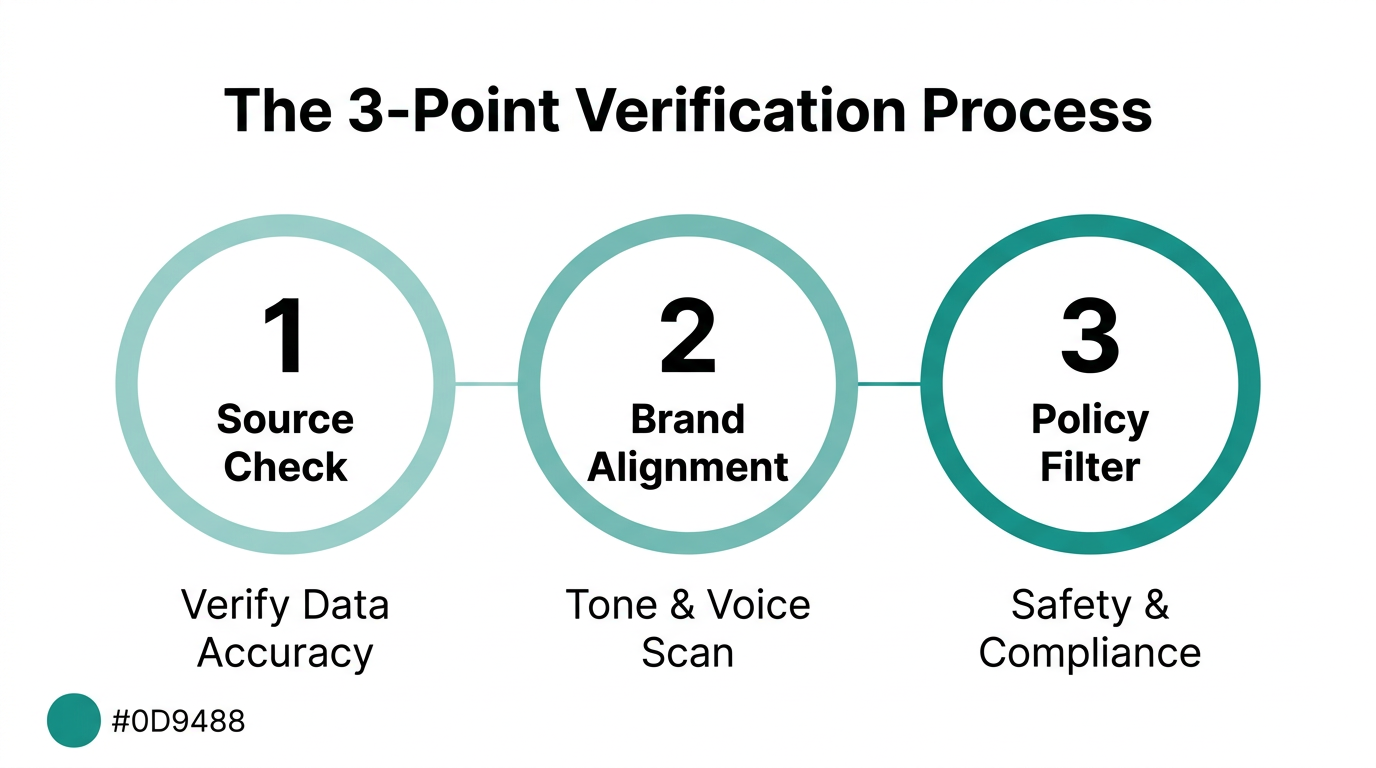
One of the biggest risks in agentic AI for marketing is the "Verification Gap." As noted by experts on Medium, agents can sometimes report a successful execution even if the task failed—such as a broken link or an expired API token. To combat this, modern marketers implement a mandatory Verification Step in their prompt workflows.
Instead of a single command, use a multi-stage logic block:
- Execution: Post the summary to the Discord channel.
- Verification: Check the channel for the presence of the new post.
- Confirmation: Only report "Success" if the post is visible and contains the requested data.
Running the openclaw doctor command after every configuration change is another critical step. This built-in utility identifies expired tokens and risky permissions before they lead to a system failure. By treating your AI agent like a software deployment—using sandboxed environments like DigitalOcean 1-Click—you ensure that an error in content distribution doesn't compromise your entire operating system.
Scaling Your Content Loops Without Breaking the Bank
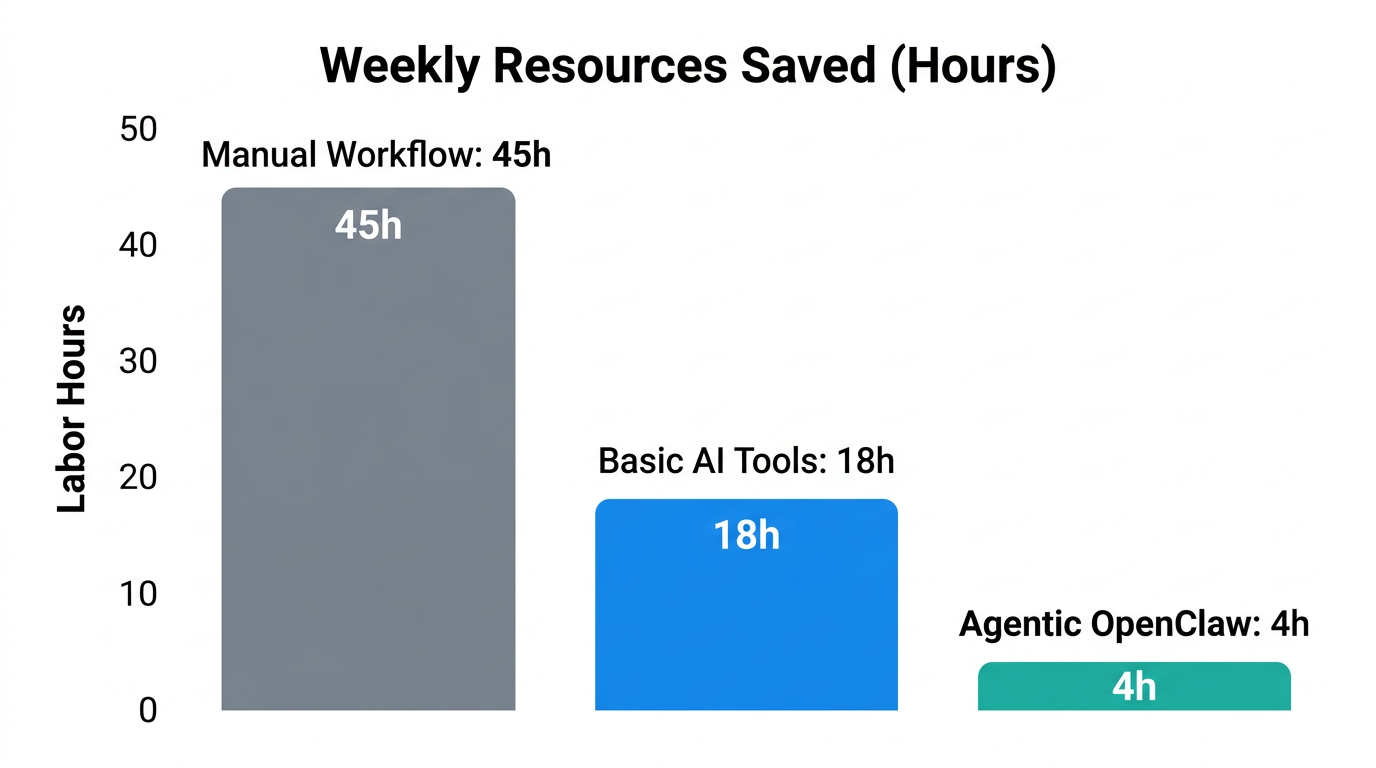
High-volume marketing loops can quickly become expensive if you're relying solely on top-tier proprietary models. To scale content distribution effectively, savvy marketers use budget-friendly alternatives like Moonshot AI's Kimi or open-source local models. This allows for thousands of daily "thought loops" at a fraction of the cost of GPT-4o.
When combined with efficient project management tools like Linear or Asana, these autonomous loops can manage the entire lifecycle of a UGC campaign. For instance, once an agent identifies a potential creator, platforms like Stormy AI can automatically enrich that creator's profile with contact details and engagement metrics, while your OpenClaw agent handles the initial personalized outreach via a connected Lemlist account.
The Future of Marketing is Autonomous
The transition from manual content distribution to autonomous AI assistants is not just a trend—it is a competitive necessity. By mastering this OpenClaw tutorial, your marketing team can move from reactive posting to a proactive, data-driven strategy. Remember to start small: get one channel working perfectly before expanding your swarm. Focus on security, implement verification steps, and choose the right tools for your stack. In the world of 2026, the most successful brands won't be the ones with the biggest teams, but the ones with the most efficient agents.