The landscape of digital advertising has shifted fundamentally in 2026. We are no longer in the era of simple chatbots; we have entered the age of Execution Agents. Leading this charge is OpenClaw, an open-source framework that has rapidly become the gold standard for agentic Google Ads management. With over 196,000 stars on GitHub, this tool isn't just suggesting changes—it's executing them. For performance marketers using Google Ads, this means a shift from manual clicking to high-level strategy, using autonomous loops to lower Google Ads CPA and drive ad spend optimization at a scale previously impossible for human teams.
The Agentic Advantage: Why OpenClaw is Different
In 2026, industry leaders like Sam Altman and Mark Zuckerberg have signaled that the "Chatbot Era" is officially over. The focus is now on agents that can autonomously manage complex workflows. According to reports on Substack, the transition from reactive AI to proactive agents is saving agencies hundreds of hours per month. Unlike standard scripts, OpenClaw operates via two primary modes: API Mode for high-speed GAQL queries and Browser Automation Mode using Playwright to handle accounts without API tokens.
| Feature | API Mode | Browser Automation |
|---|---|---|
| Speed | Extremely Fast | Moderate |
| Scalability | Hundreds of accounts | 1-5 accounts |
| Access Requirements | Developer Token Required | Standard Login Only |
| Reliability | High (Server-to-Server) | Moderate (DOM-dependent) |
Strategy 1: The Zero-Conversion Filter for Aggressive Ad Spend Optimization
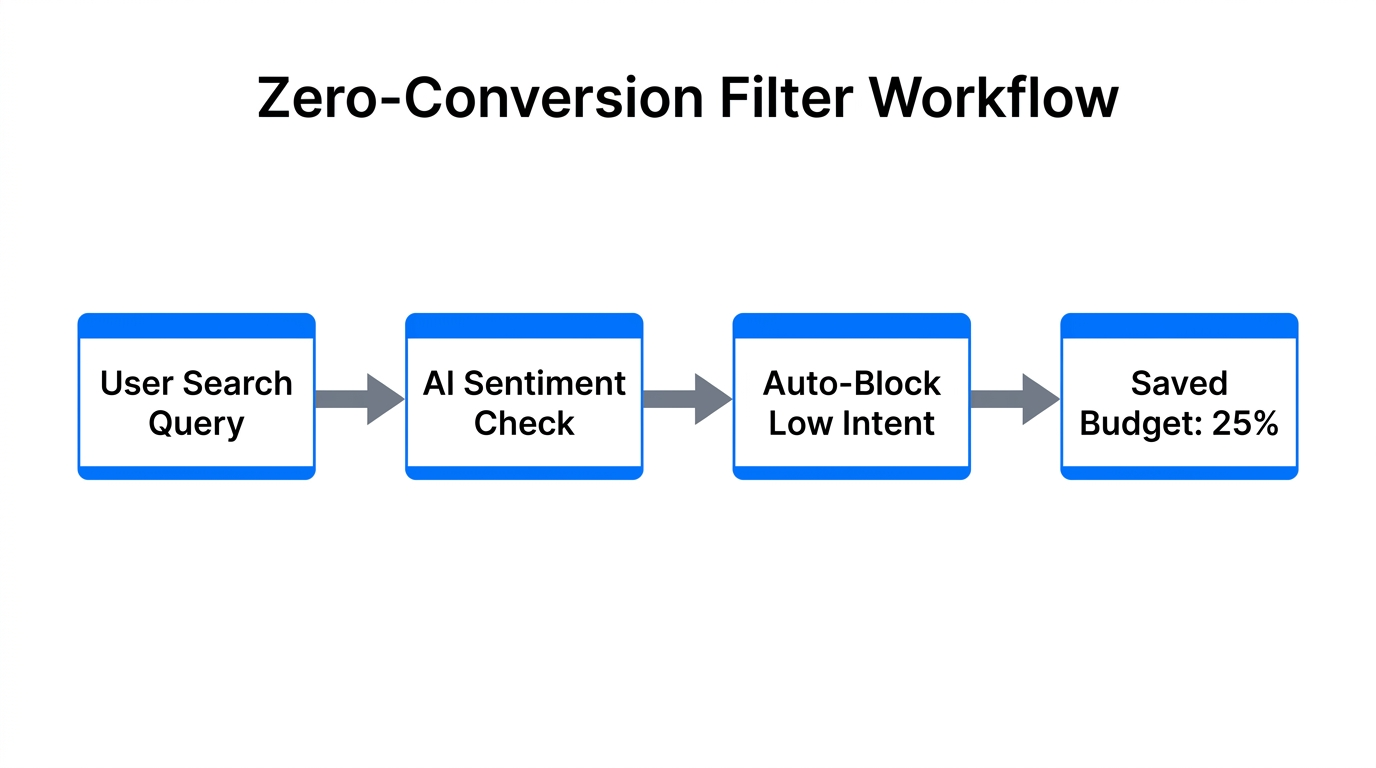
One of the fastest ways to lower Google Ads CPA is to eliminate "bleeding" keywords that consume budget without yielding results. Using the Performance Auditor skill, you can set up a weekly automated cron job in OpenClaw. This agent scans your account for any keyword that has spent over $500 in the last 30 days with zero conversions and pauses it instantly.
This is a major departure from manual audits. Instead of a human checking the search term report every Monday morning, the agent "wakes up" at 2 AM on a dedicated VPS and prunes the waste before you even start your workday. Experts at agencies like INSIDEA are already embedding these loops into their core operations to maintain lean, high-ROI accounts for their clients.
"The proactive difference is everything. A reactive bot tells you what happened; an OpenClaw agent stops the loss while you're still asleep."Strategy 2: Dynamic Pacing via Google Ads Budget Automation
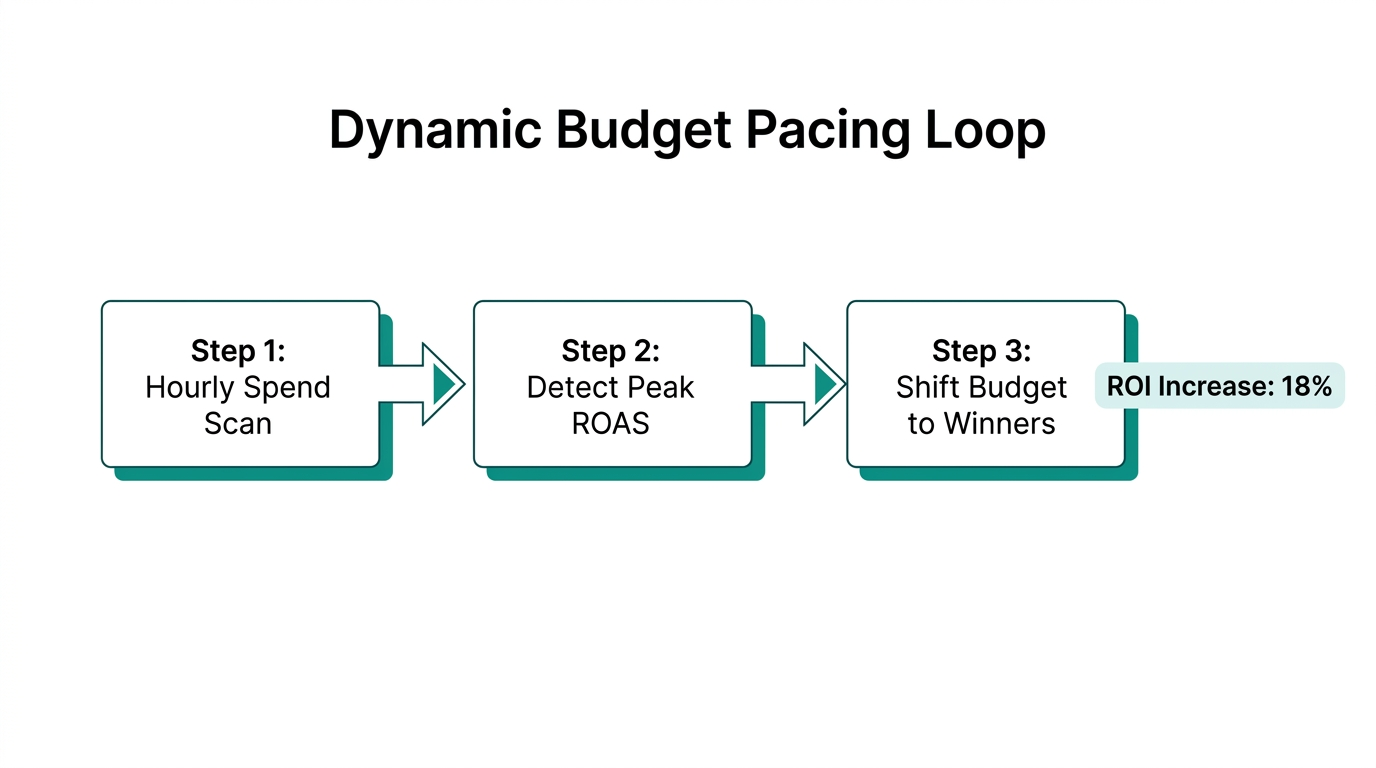
Budget pacing is a nightmare for most managers, often resulting in overspending early in the month or underspending during peak traffic periods. With Google Ads budget automation via OpenClaw's Bid and Budget Manager skill, you can implement a self-correcting feedback loop. The agent compares daily spend against your monthly target; if you are more than 10% ahead of pace, it automatically decreases bids by 5% across the board to stabilize the spend.
This level of precision ensures that your ad spend optimization isn't just about cutting costs, but about distributing your capital intelligently. By running these checks every 6 hours, the agent can react to sudden spikes in search volume or unexpected competitive shifts without human intervention. You can monitor these adjustments through the official documentation's logging system to ensure the agent is adhering to your desired guardrails.
Strategy 3: The Creative Refresh Loop and UGC Sourcing
Responsive Search Ads (RSAs) are only as good as the assets they test. However, RSAs often stagnate when the algorithm finds a "safe" combination and stops testing new headlines. The Creative Analyst skill in OpenClaw diagnoses creative fatigue by tracking Click-Through Rate (CTR) trends over 7, 14, and 30-day windows. If the asset labeled as "Best" hasn't changed in three weeks, the agent triggers a notification for a creative refresh.
This is where modern growth stacks come into play. When an agent identifies that your video assets are fatiguing, you need high-quality User-Generated Content (UGC) fast. Platforms like Stormy AI streamline creator sourcing and outreach, allowing you to feed fresh, high-performing content back into your automated loops. By combining AI-powered discovery with automated performance tracking, you close the loop between data analysis and content production.
SOUL.md configuration to require the agent to send a draft approval via Telegram before it pushes new ad copy to live campaigns.Strategy 4: Value-Based Bidding with First-Party CRM Data
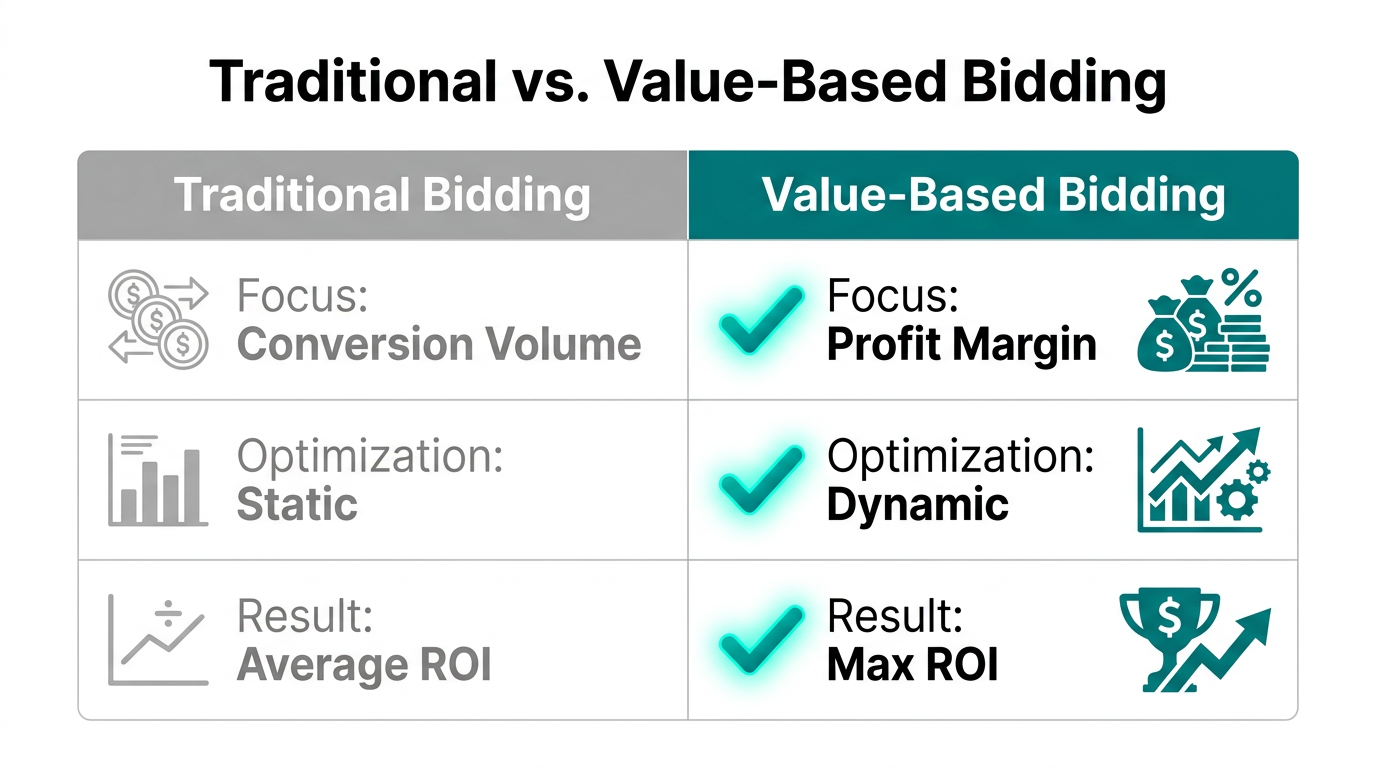
The future of value based bidding lies in the integration of first-party data. While Google’s algorithm is powerful, it often optimizes for conversion volume rather than profit. By using OpenClaw to pull profit data from a CRM like Salesforce, you can feed actual margin data back into the bidding engine. This ensures the algorithm favors the high-lifetime-value (LTV) customers who drive your business growth, not just the cheapest clicks.
This strategy is essential for 2026, as search engines move toward AI Overviews (SGE) dominance. When competition for visibility is at its peak, bidding based on actual profit margins allows you to outspend competitors for the right users while maintaining a lower Google Ads CPA on a per-unit-of-profit basis. For developers building these custom integrations, the Google Ads API Reference provides the necessary endpoints to facilitate this data flow.
"Value-based bidding is the bridge between marketing metrics and boardroom outcomes. It turns 'clicks' into 'capital'."Strategy 5: Capturing AI Overviews with Keyword Opportunity Finder
As Google Ads becomes more integrated into AI-generated answers, your AI keyword research must adapt. OpenClaw’s Keyword Opportunity Finder scans your search term reports not just for volume, but for high-intent queries that are emerging within SGE (Search Generative Experience) environments. It identifies long-tail queries where your Brand Share of Voice is low and automatically adds them as broad match keywords with tight tCPA constraints.
By capturing these high-intent queries early, you can stay ahead of the curve. To manage this at scale, especially for mobile app campaigns, linking your discovery process to Stormy AI for creator discovery can help generate the contextual video content that Google increasingly favors in its AI-driven search results. The synergy between autonomous keyword discovery and AI-powered creator management is the hallmark of a 2026 growth leader.
Common Mistakes and Infrastructure Essentials
While the power of OpenClaw is immense, security researchers at Cybernews warn that running these agents requires strict security protocols. Never run OpenClaw on a public port without a password, as this could give attackers full access to your ad accounts. Instead, deploy the agent on a robust VPS from providers like DigitalOcean.
Common pitfalls to avoid:
- OAuth Mismanagement: Avoid using personal subscription tokens for high-frequency calls; use official OAuth API keys to avoid account bans.
- Memory Bloat: Periodically prune the
MEMORY.mdfile to keep the agent fast and cost-effective. - The "Everything at Once" Trap: Start with one skill, such as Performance Reporting, before granting the agent permission to edit (Mutate) your campaigns.
Conclusion: The Future of Ad Management is Autonomous
The transition to agentic marketing is no longer optional for brands that want to remain competitive. By implementing Google Ads budget automation, aggressive zero-conversion filters, and value-based bidding, you are setting your account up for a future where efficiency is handled by AI, and strategy is handled by humans. As you scale, remember to balance your technical automation with human-centric content by using Stormy AI for creator management and discovery. The goal is a seamless loop: data finds the opportunity, the agent manages the spend, and the creator provides the emotional hook that drives the conversion.