In 2026, the creator economy has hit a breaking point. Between managing multi-platform distribution across TikTok, Instagram, and LinkedIn, and maintaining a thriving Discord community, the average influencer spends 70% of their time on admin and only 30% on actual creation. However, a seismic shift is occurring. We are moving from "chatting" with AI to agentic AI that executes tasks autonomously. Leading this revolution is OpenClaw, an open-source framework that has surpassed 232,000 GitHub stars as creators flock to its "Action-Oriented" architecture. This guide provides a definitive playbook for using OpenClaw for creators to automate the tedious aspects of community management and distribution.
The Agentic Shift: Why Creators are Moving to OpenClaw
The industry is rapidly evolving from Large Language Models (LLMs) that merely generate text to autonomous systems that perform work. According to recent market analysis on Nasdaq, the move toward agentic automation is the most significant trend in the creator economy AI tools landscape. Unlike traditional bots, OpenClaw features a Heartbeat Scheduler, allowing it to "wake up" independently, check your metrics, and report back without a prompt.
Developers often describe this as the "JARVIS moment" because the agent has system-level access to your messaging apps, terminals, and local files. For an influencer, this means your AI assistant isn't just a tab in your browser; it's a member of your team that lives on your local hardware, keeping your data private and your costs low via local inference tools like Ollama.
"OpenClaw changes human effort from execution to babysitting — you move from doing the work to verifying the success of your agentic swarms."
Building Your 'Morning Briefing' Agent
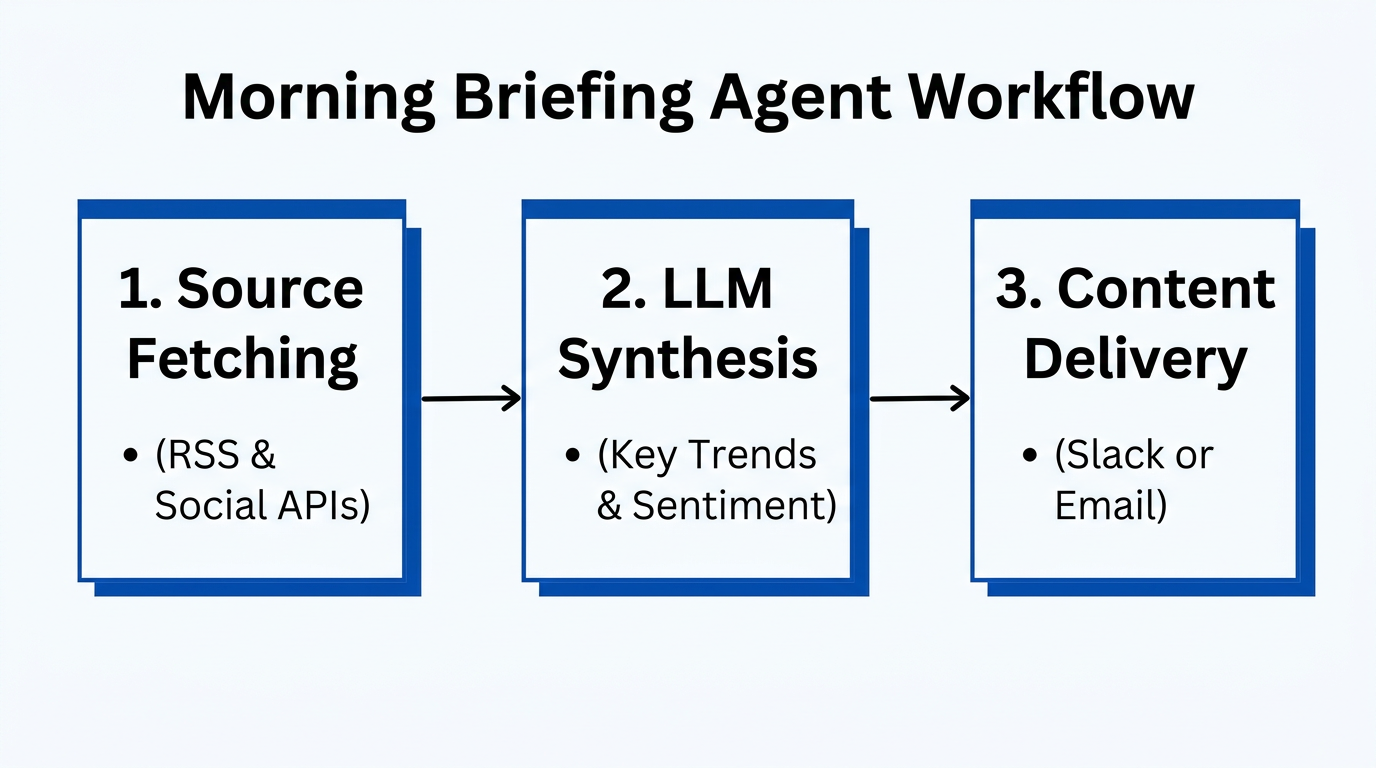
One of the most powerful applications of an autonomous AI assistant for influencers is the automated morning briefing. Imagine waking up to a single Telegram message that summarizes your overnight performance, highlights critical fan comments, and alerts you to trending topics in your niche.
By leveraging the ClawHub marketplace, which features over 7,000 community-built skills, you can connect your agent to social APIs and news scrapers. The agent runs in the background, utilizing agent swarms—where one sub-agent monitors your TikTok analytics while another scrapes industry news from The 180i to provide a holistic view of your digital presence.
| Feature | Traditional Automation (2024) | Agentic OpenClaw (2026) |
|---|---|---|
| Trigger | Manual or Webhook | Heartbeat Scheduler (Autonomous) |
| Intelligence | Fixed Logic (If/Then) | Natural Language Reasoning |
| Data Privacy | Cloud-Only | Local-First (Mac Mini/Docker) |
| Integration | Native API only | 7,000+ ClawHub Skills |
Using OpenClaw as a 'Mission Control' for Discord
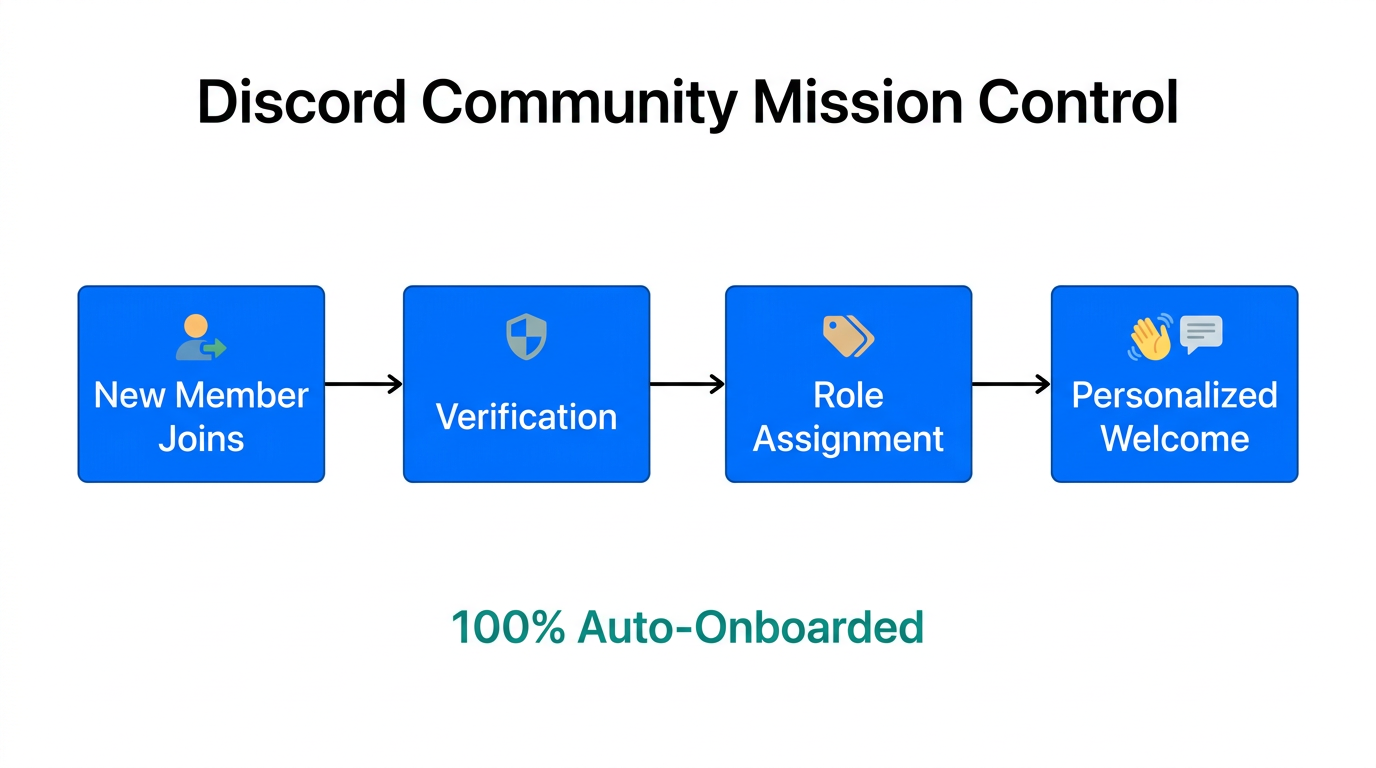
Community management is the most time-consuming part of being a creator. With over 60,000 members in the official OpenClaw Discord, the framework has been battle-tested for large-scale engagement. You can deploy an agent to act as a "Mission Control," allowing you to manage your community through natural language commands.
Instead of manually banning bots or triaging FAQs, you can tell your agent: "Monitor the #general channel. If anyone asks about the new merch drop, provide the link and summarize the community's sentiment at the end of the day." This shift toward social media automation 2026 allows creators to scale their presence without scaling their stress levels. When you need to expand your reach even further, platforms like Stormy AI streamline creator sourcing and outreach, which your OpenClaw agent can then track via the Post Tracking API integrations.
"The future of community management isn't a better UI; it's a conversation with an agent that has full control over your digital ecosystem."
Safety First: Avoiding the '30,000 Exposed Instances' Mistake
The power of OpenClaw comes from its system-level privileges, but this is also its greatest risk. In February 2026, a security audit revealed over 30,000 exposed instances due to poor configuration. Cybersecurity leaders like Trend Micro have warned that agentic frameworks are vulnerable to Prompt Injection and malicious skills.
To protect your creator business, follow these non-negotiable security steps:
- Sandboxed Deployment: Always run your agent in a Docker container or a dedicated VPS. Never give an agent direct access to your primary operating system.
- The Pairing Policy: Never leave your `dmPolicy` set to 'Open.' This allows anyone to command your agent. Ensure it is set to `pairing` to restrict access to authorized users only.
- Environment Variables: Do not hardcode API keys in config files. Use the `openclaw onboard` wizard to manage credentials securely.
openclaw doctor command after every update. It identifies risky DM policies and expired tokens that the standard UI might overlook.Optimizing Your Creator Stack with ClawHub
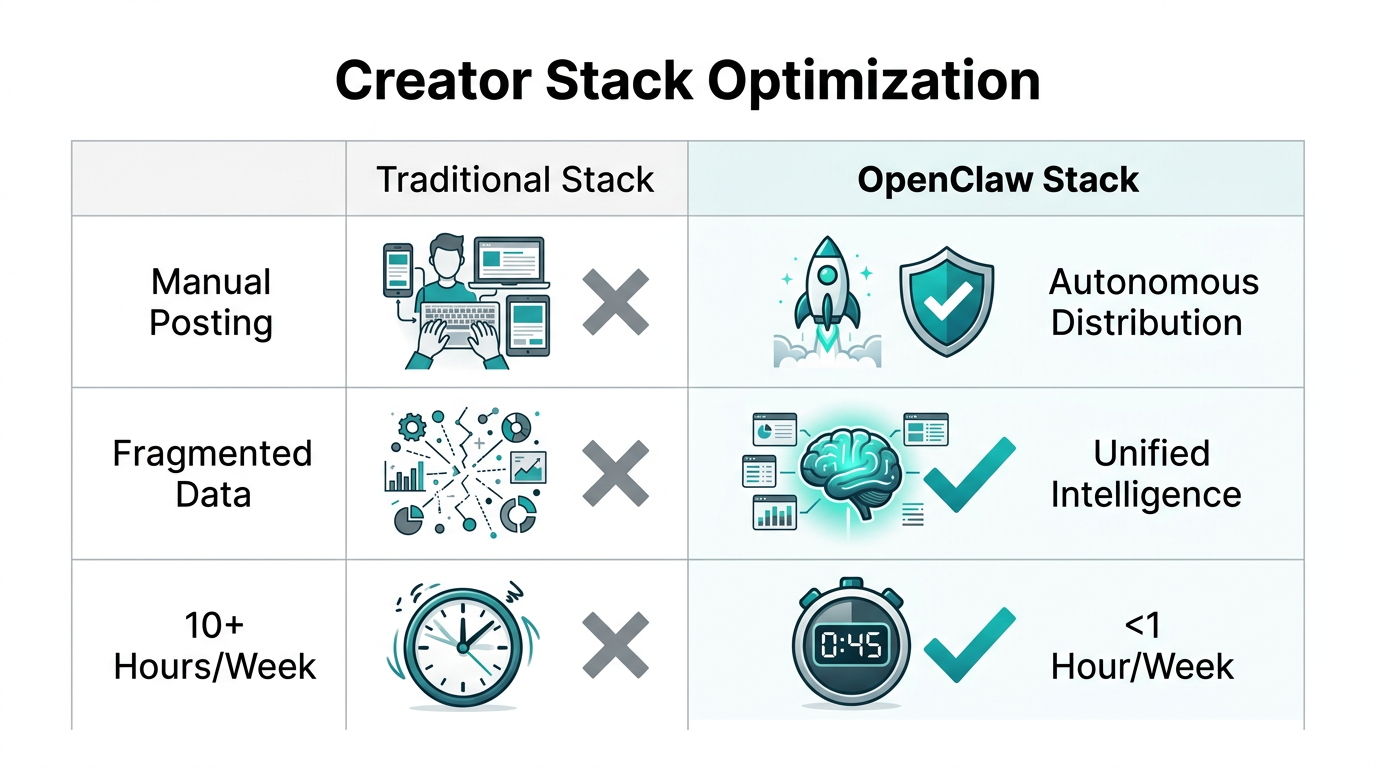
Your agent is only as good as the tools it can access. The ClawHub marketplace allows you to integrate OpenClaw with your existing workflow. For example, you can connect your agent to YottaLabs for advanced data processing or Milvus for long-term memory management.
By pairing Stormy AI for creator sourcing with OpenClaw for internal workflow automation, you create a fully automated growth engine. While Stormy handles finding and outreaching to new partners, your OpenClaw agent can manage the resulting contracts in Notion or update lead statuses in your CRM. This ecosystem approach is what separates top-tier creators from those struggling to keep up with the 2026 pace.
The Phased Onboarding Playbook
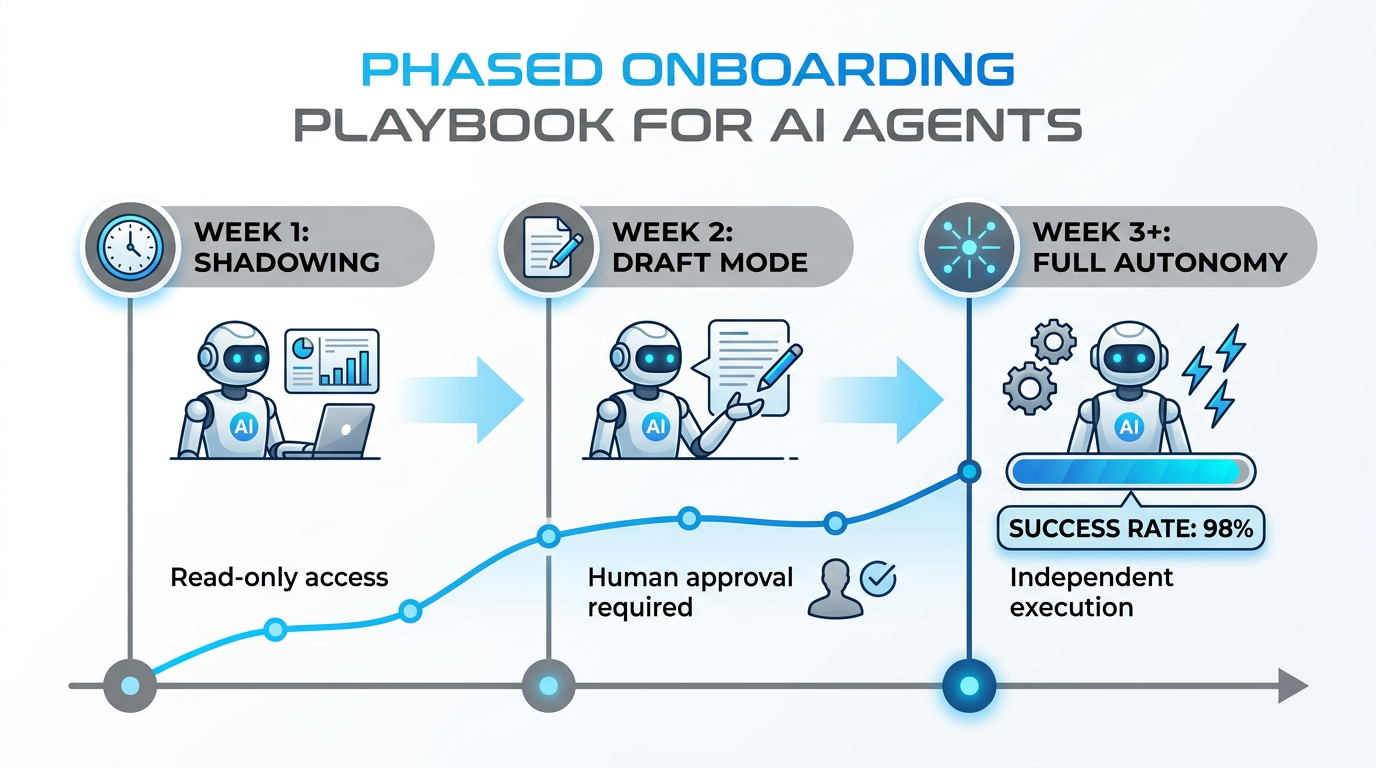
Don't try to automate your entire life in one afternoon. Follow this phased approach to ensure stability and security.
Step 1: The Local Sandbox
Start by setting up a local instance on a Mac Mini or a DigitalOcean 1-Click droplet. Use Ollama to run small models locally, which avoids high API costs and keeps your data on your own hardware.
Step 2: Single Channel Integration
Pick one channel to automate first—ideally something low-risk like a WhatsApp notification bot or a UserIntuition feedback loop. Master the "Heartbeat Scheduler" logic before adding more complex skills.
Step 3: Deploying Sub-Agents
For long-running tasks like video transcription or scraping deep analytics, use the Sub-Agent feature. This spawns a temporary worker that handles the task and reports back, preventing your main agent from timing out or getting stuck in a thought loop.
"The goal isn't to replace your creativity, but to automate the 90% of your job that isn't creative."
Conclusion: The Future is Agentic
The rise of OpenClaw marks the end of manual social media management. By implementing a self-hosted AI agent, creators can regain their most valuable asset: time. Whether you're building a morning briefing agent or a mission control for your Discord, the key is to start small, prioritize security, and leverage the ClawHub skills community. As experts like Likhit Kumar suggest, the shift to agentic AI is inevitable. Those who master these tools today will be the ones leading the creator economy in 2026 and beyond.