The OpenClaw CRM Sales Playbook: Automating Lead Follow-Up with AI Agents in 2026
Learn how to build an automated sales engine in 2026 using OpenClaw CRM. Our playbook covers tiered AI routing, skill file workflows, and lead-to-deal automation.
By mid-2026, the traditional sales development representative (SDR) role has undergone a fundamental transformation. We are no longer in the era of simple chatbots; we have entered the age of the Agent Economy [source: Gartner Research]. Leading this charge is OpenClaw, an autonomous AI agent framework that has fundamentally shifted how businesses interact with data. With over 270,000 GitHub stars as of March 2026, it has officially surpassed the growth velocity of legendary projects like React, becoming a cornerstone of the modern sales stack.
For sales leaders, the goal this year isn't just to "use AI"—it is to build a self-sustaining lead qualification engine that operates 24/7 without manual intervention. This playbook outlines how to deploy OpenClaw CRM to automate the entire lead-to-deal journey, from the first inbound email to the final CRM stage update.
The Rise of B2A: Why OpenClaw CRM is Dominating 2026
The market has shifted from B2B (Business-to-Business) to B2A (Business-to-Agent). Marketers and sales teams are now optimizing their data so that autonomous agents can discover and parse it. As noted by industry intelligence reports, agentic systems like OpenClaw are completing multi-step research and CRM tasks 3.5x faster than even the most skilled human researchers. This efficiency has led Nvidia CEO Jensen Huang to hail OpenClaw as "the single most important release of software probably ever."
While proprietary platforms can cost upwards of $40 per user, running a self-hosted OpenClaw CRM demo or private instance on a VPS like Tencent Cloud Lighthouse costs as little as $10–$20 per month for an entire sales team. This "unclouding" trend allows businesses to own their data while leveraging cutting-edge inference.
Strategy 1: Tiered Model Routing for Cost Efficiency
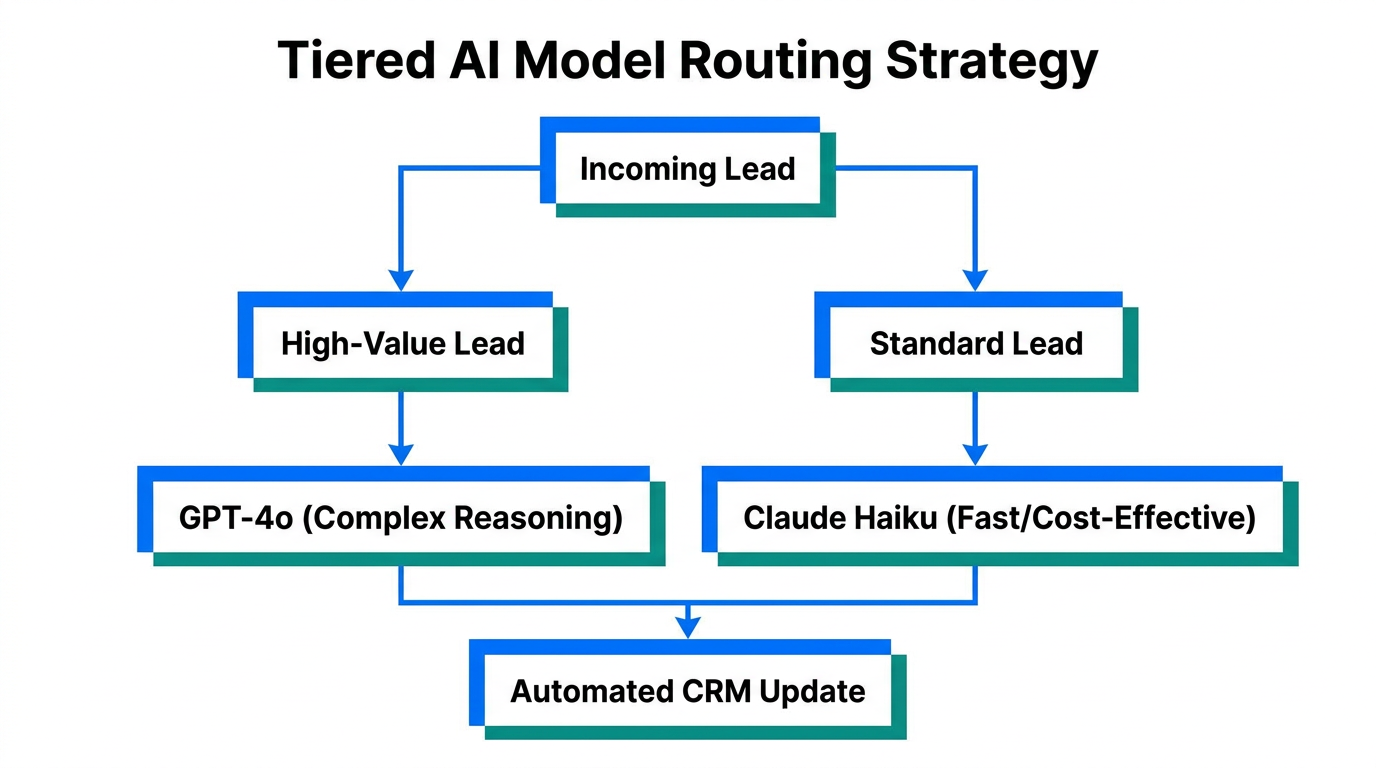
One of the most common mistakes sales teams make in 2026 is using high-reasoning models like Claude Opus for basic administrative tasks. This leads to "budget burn" that can inflate costs from $10 to over $200 per month. The pro strategy is Tiered Model Routing.
By using a tool like ClawRouter, you can direct specific tasks to the most cost-effective model. For example, use Claude Haiku for data entry and Claude Opus for complex deal negotiation and reasoning. This approach typically saves companies 80% on total AI API costs.
| Task Type | Recommended Model | Role in CRM Playbook |
|---|---|---|
| Data Cleansing | Claude Haiku | Removing duplicates and formatting phone numbers. |
| Initial Outreach | GPT-4o-mini | Sending personalized "hello" emails based on LinkedIn data. |
| Lead Scoring | Claude Sonnet | Evaluating inbound leads against Notion SOPs. |
| Deal Closing | Claude Opus | Drafting custom proposals and handling pricing objections. |
"The key to scaling AI sales agents in 2026 isn't just about the intelligence of the model, but the orchestration of the cost-to-output ratio."
Strategy 2: The Skill File Workflow—Giving Your Agent 'Hands'
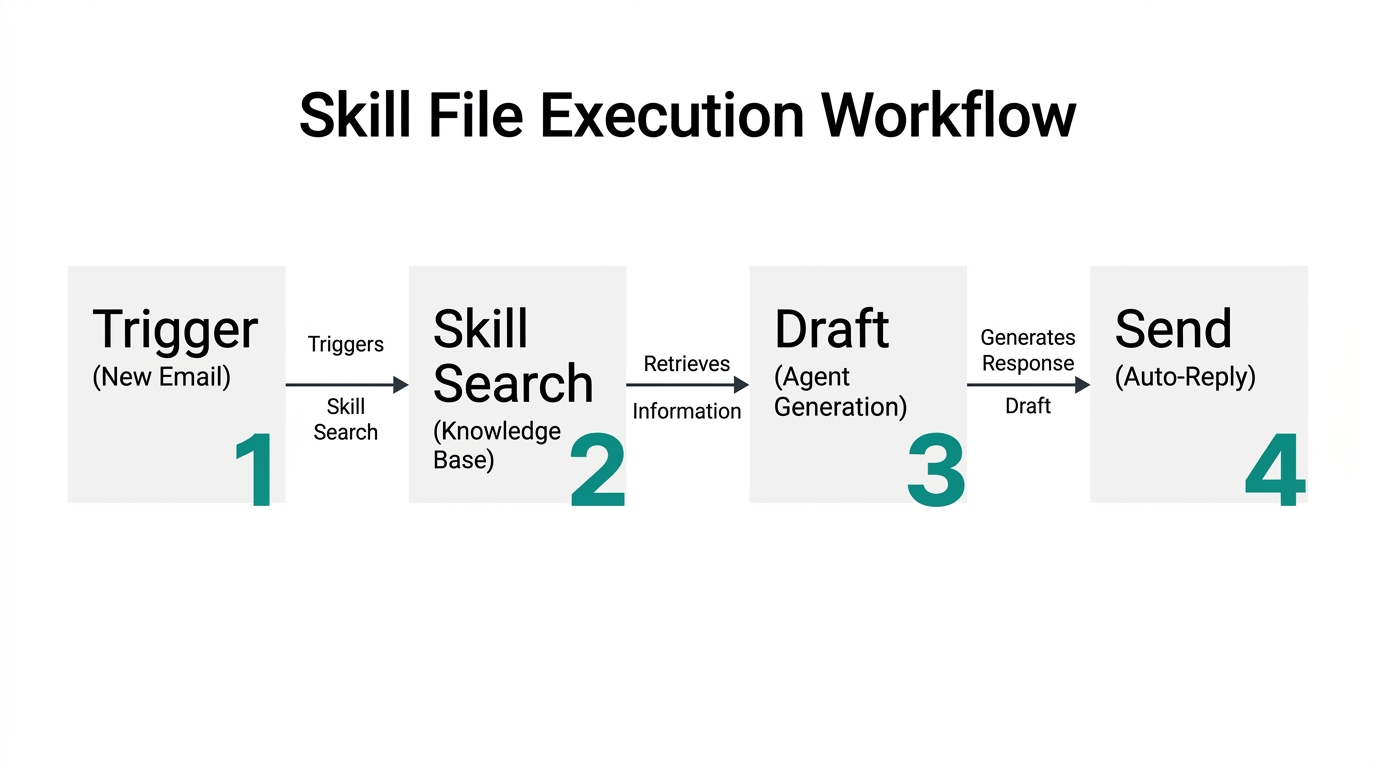
An AI agent is useless if it can only talk. To make it do, you must provide it with a Skill File. In the OpenClaw ecosystem, this means taking your CRM's API and generating an OpenAPI spec. When you drop this spec into OpenClaw’s config.yml, you are effectively giving the agent "hands" to manipulate your database.
Step-by-Step Skill Integration:
- Generate the Spec: Use your CRM’s documentation to create a JSON or YAML file mapping out the endpoints (e.g.,
/create-lead,/update-stage). - Configure SOUL.md: Update the agent's "soul" to understand its permissions. Tell it: "You are a senior sales assistant with access to the lead database."
- Sandbox Deployment: Always run your OpenClaw instances in Docker containers. This isolates the agent's system access, preventing it from accidentally deleting non-CRM files if a prompt-injection attack occurs.
This workflow allows the agent to monitor Google Ads conversions and instantly create a contact record in the CRM without any human intervention.
Strategy 3: The Automated 'Lead-to-Deal' Journey
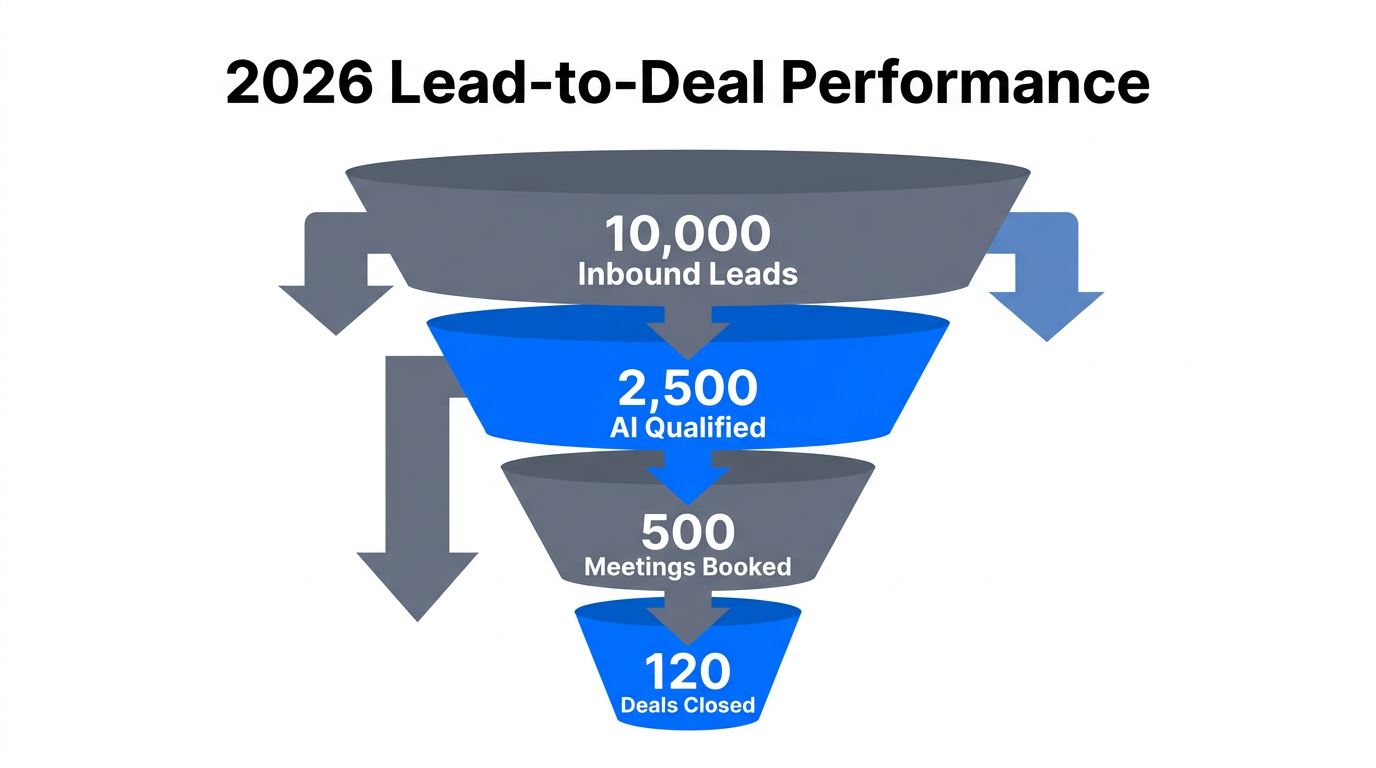
The core of the 2026 sales playbook is the end-to-end automation of the lead lifecycle. By using OpenClaw as a middleware layer between your communication channels and your CRM, you can create a seamless flow. Many agencies are now using Stormy AI to discover high-quality creators and influencers, then piping those leads directly into an OpenClaw-managed CRM for outreach.
The Automation Stack:
- Monitoring: OpenClaw monitors your Gmail for inbound inquiries.
- Qualification: The agent cross-references the lead's website against your Ideal Customer Profile (ICP) stored in Notion.
- Enrichment: If the lead is qualified, the agent uses email enrichment tools like Hunter.io to find the decision-maker's direct line.
- Update: The agent moves the deal stage in OpenClaw CRM to "Qualified" and drafts a follow-up email.
"Autonomous agents complete multi-step tasks 3.5x faster than humans, but they require a structured 'Skill File' to act as the bridge between thought and execution."
Strategy 4: The Human-in-the-Loop (HITL) Framework
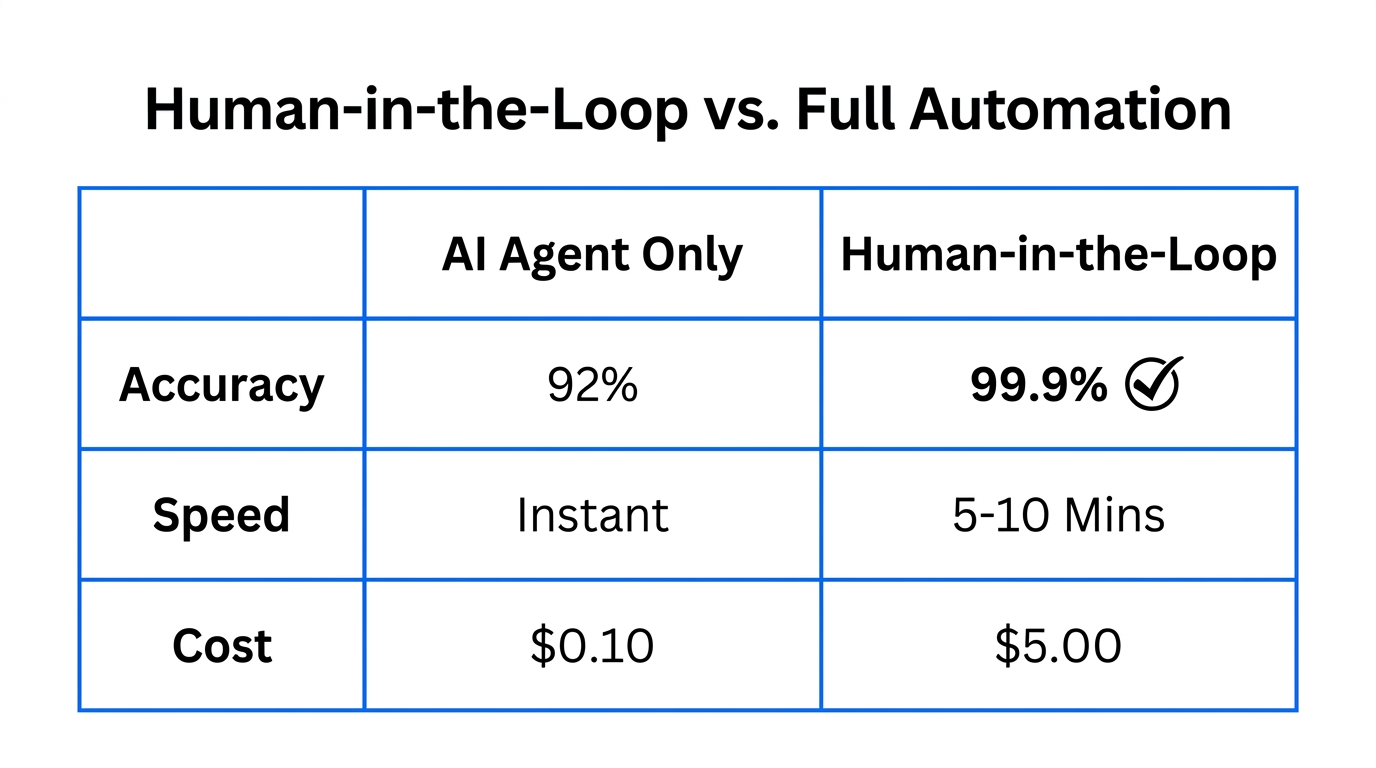
Despite the power of AI, total automation can be a "double-edged sword," as warned by researchers at CrowdStrike. A misconfigured agent could send an unprofessional email or leak internal pricing. To prevent this, implement a Human-in-the-Loop (HITL) check for any customer-facing communication.
Set your OpenClaw agent to "Draft Mode." The agent performs the research, qualifies the lead, and writes the email, but it stays in your drafts folder until a human salesperson hits "Send." This preserves your brand reputation while still removing 90% of the manual labor. As marketing experts often say, "AI doesn't have a reputation; you do."
Strategy 5: Budget Management and Session Bloat
A technical pitfall that kills many AI sales projects is Session Bloat. If you do not start a fresh session (typically using the /new command), the agent sends the entire conversation history with every new request. This results in exponential token usage and a skyrocketing bill, a common challenge discussed in AI infrastructure forums.
For a sales team, this means configuring your agents to clear their context window after a deal stage is updated or a lead is disqualified. Proper session management ensures your autonomous agent infrastructure remains profitable and scalable.
If you are managing a large-scale influencer campaign, platforms like Stormy AI can handle the heavy lifting of discovery and outreach, allowing your OpenClaw agents to focus purely on the CRM management and bottom-of-funnel logistics.
"The most expensive mistake in 2026 is failing to refresh your agent's context window, turning a $0.01 task into a $10.00 disaster."
Final Takeaway: Building Your 2026 Sales Engine
Automating lead follow-up with OpenClaw CRM isn't about replacing your sales team; it's about giving them an agentic advantage. By following the Tiered Model Routing strategy and implementing a strict Skill File Workflow, you can build a system that works while you sleep. To succeed with this playbook, remember these three pillars:
- Security First: Always sandbox your agents in Docker.
- Cost Control: Route simple tasks to smaller models like Claude Haiku.
- Human Oversight: Use HITL for any final communication to protect your brand.
As the agent economy continues to grow, those who master the OpenClaw ecosystem will lead the market. Whether you're a real estate firm using Follow Up Boss integrations or a startup running a local-first CRM on Supabase, the future of sales is autonomous.